
Story planning worksheets printable formats help children and beginners organize a story before they start writing. They turn ideas into a simple structure by giving space to note characters, setting, the main problem, and what happens first, next, and last. A good worksheet makes prewriting feel manageable and helps young writers move from a blank page to a clear plan.
What They Include
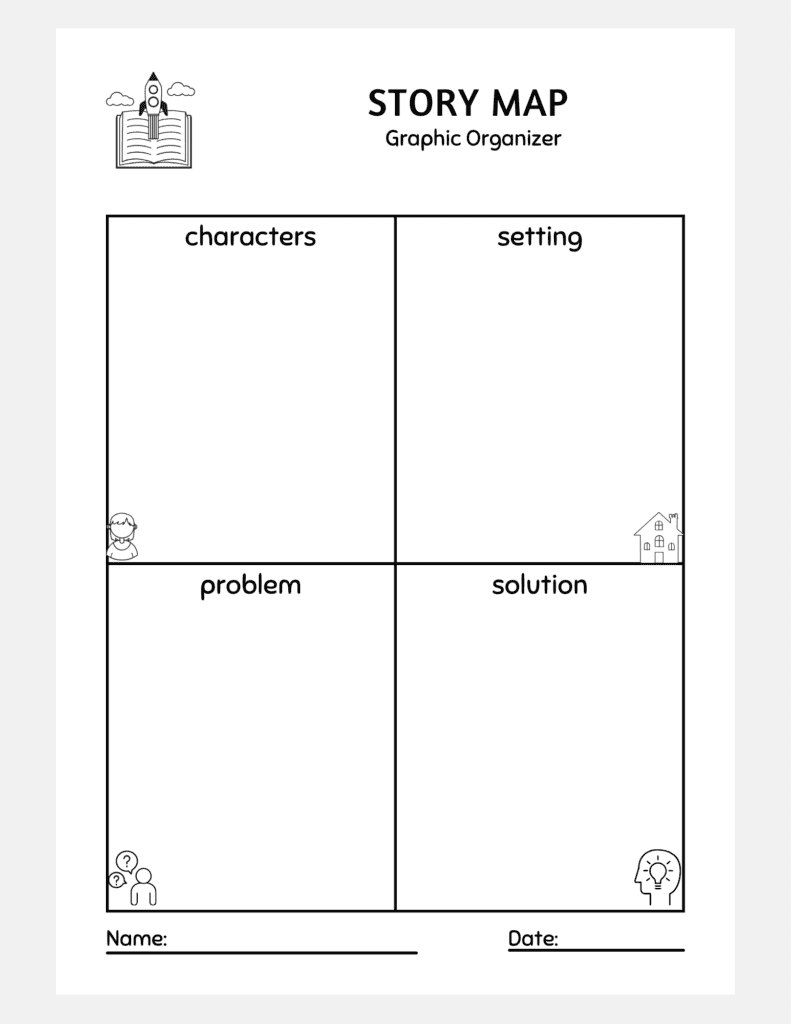
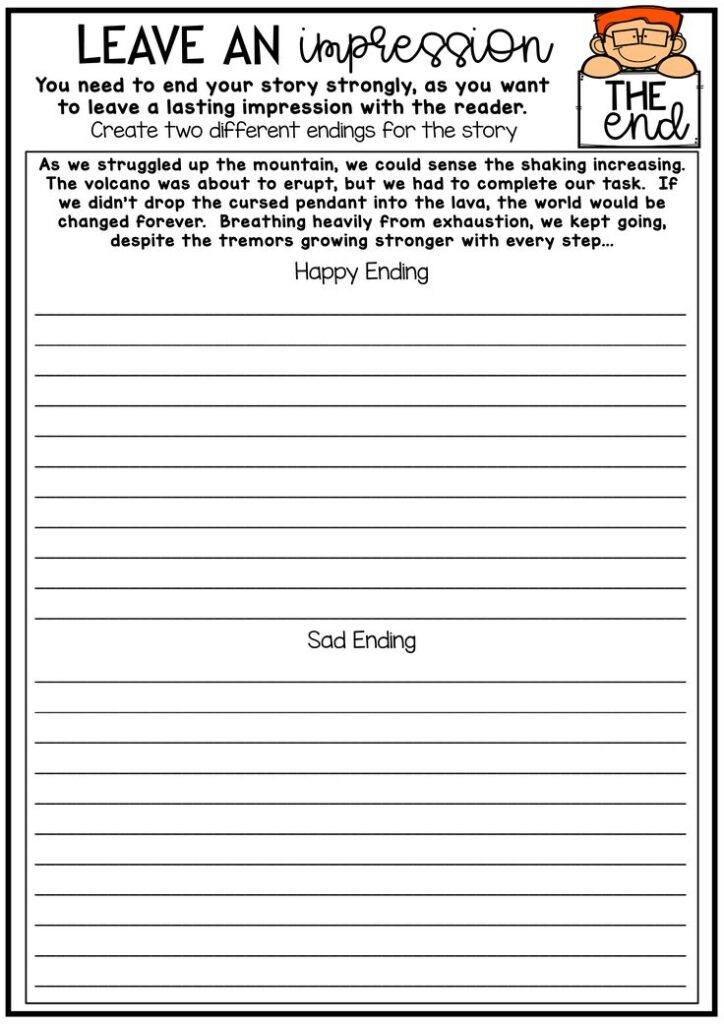
In practical terms, a story planning worksheet is a fill-in page that guides a writer through the parts of a story. Most versions include spaces for characters, setting, and the problem or challenge that starts the action. Many also add a beginning-middle-end box or a simple sequence line so the writer can map out events in order. Some printables end with an ending prompt, which helps children think about how the story resolves instead of stopping after the setup.
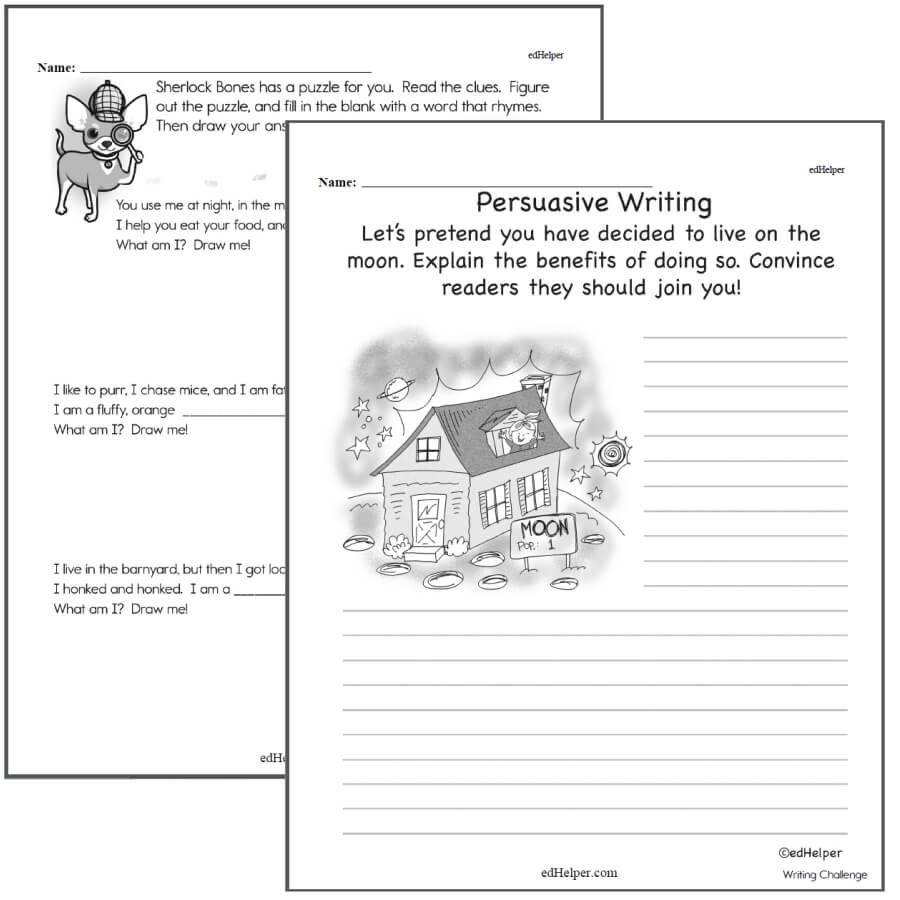
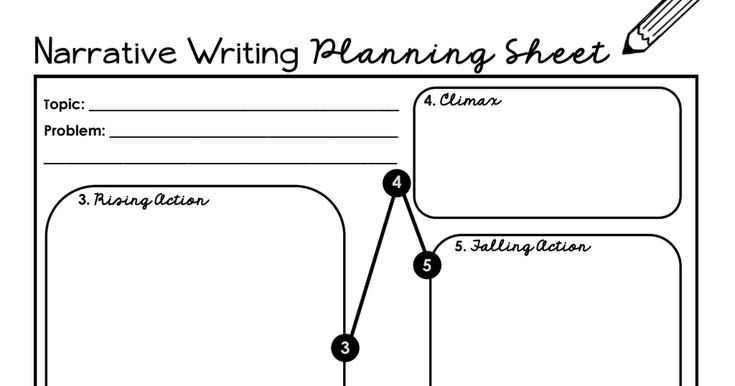
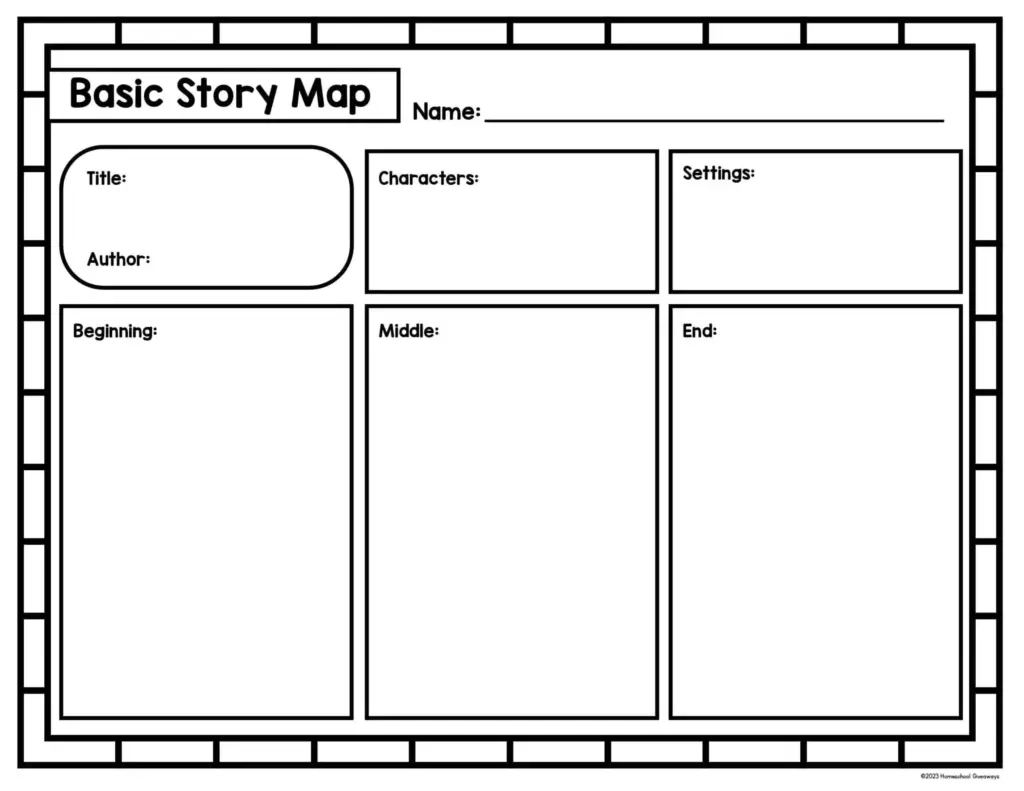
The most useful printable for kids or beginners is easy to read at a glance. Look for large writing spaces, short prompts, and a simple layout that does not crowd the page. A child-friendly worksheet should feel inviting, with clear labels such as “Who is in the story?” or “Where does it happen?” rather than vague instructions. This kind of format supports guided writing, independent prewriting, and story idea organization without overwhelming young learners.
How to Choose
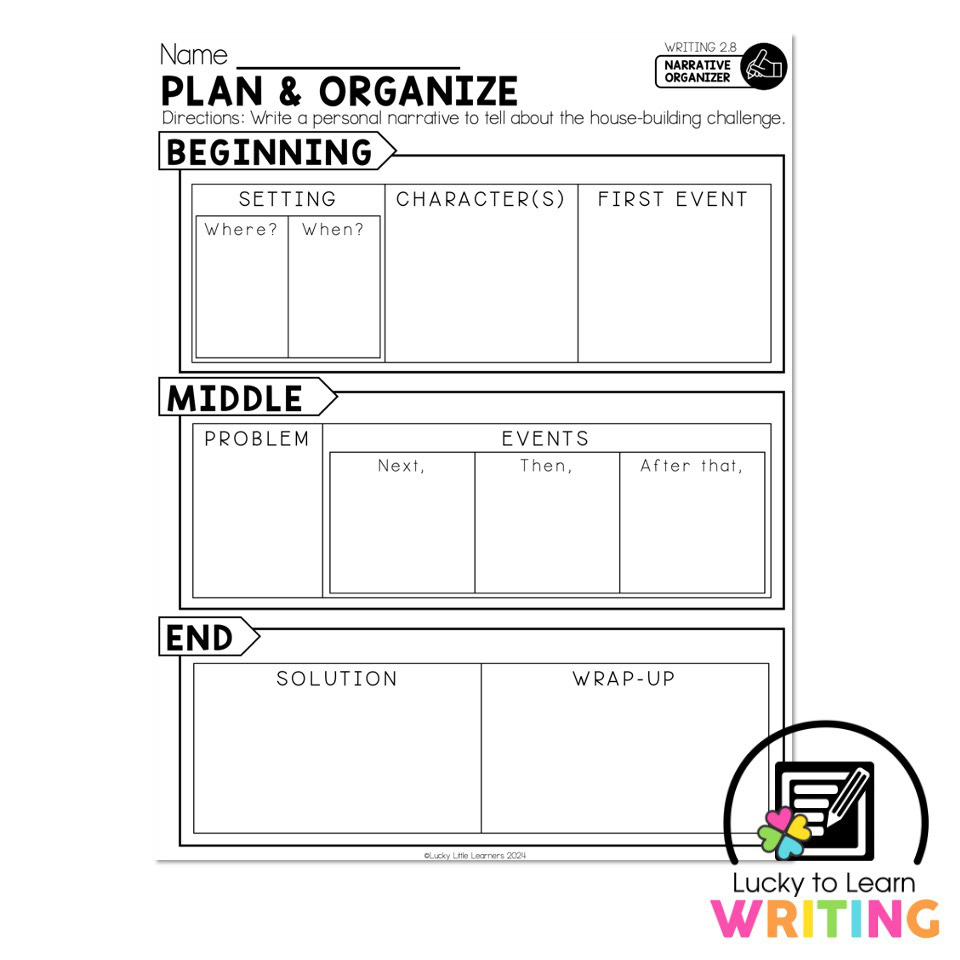
Choose a printable based on the writer’s age, confidence, and task. Younger children often do best with a single-page planner that uses pictures or sentence starters, while older beginners may prefer a slightly fuller template with separate boxes for characters, setting, problem, sequence, and ending. If the goal is quick brainstorming, pick a short form. If the goal is a full draft plan, choose one with more space for each section so ideas can be expanded clearly.
These worksheets are useful in a few basic situations: before writing a story, during guided writing with a teacher or parent, and when collecting story ideas for later use. They help children see that a story has parts, not just one big idea. For the best results, start with a printable that matches the child’s reading level and the amount of support they need. A simple worksheet often works better than a crowded one and makes story planning feel approachable.



