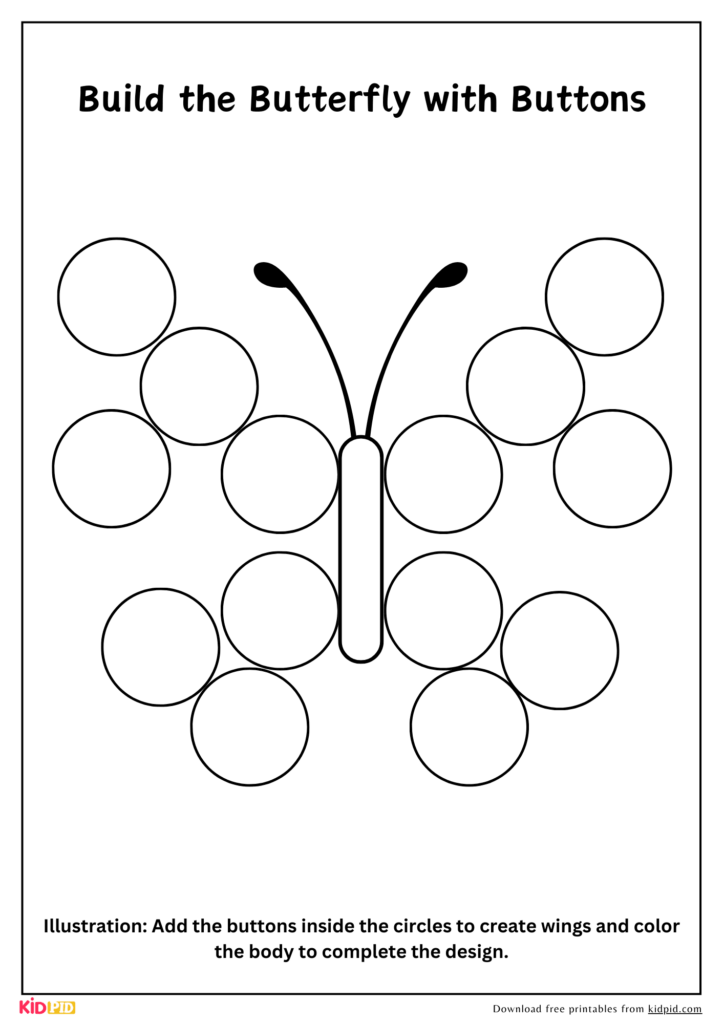
Fine motor control worksheets give children focused practice with small hand movements needed for writing, cutting, and other precise tasks. In practical terms, they are simple printables or activity pages that ask a child to trace, color, draw, match, cut, or complete short pencil tasks. The best worksheets are clear, age-appropriate, and matched to the child’s current ability so practice feels successful, not frustrating.
What They Build
These worksheets usually target a few core skills at once. Pencil grasp and pressure control help children hold a crayon or pencil with less strain and more accuracy. Hand-eye coordination supports staying on a line or connecting points. Tracing activities build pre-writing control, line awareness, and directionality. Cut-and-paste pages strengthen scissor use and hand stability. Even simple maze or dot-to-dot pages can encourage smoother wrist movement, better control, and more purposeful small-muscle work.
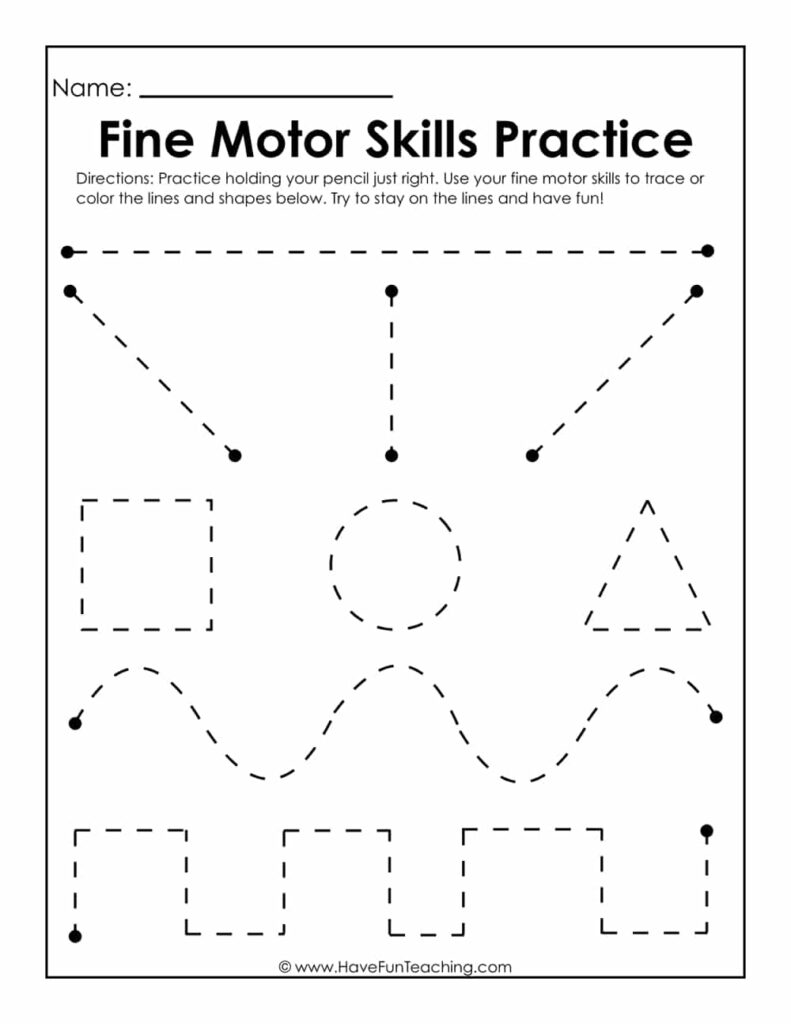
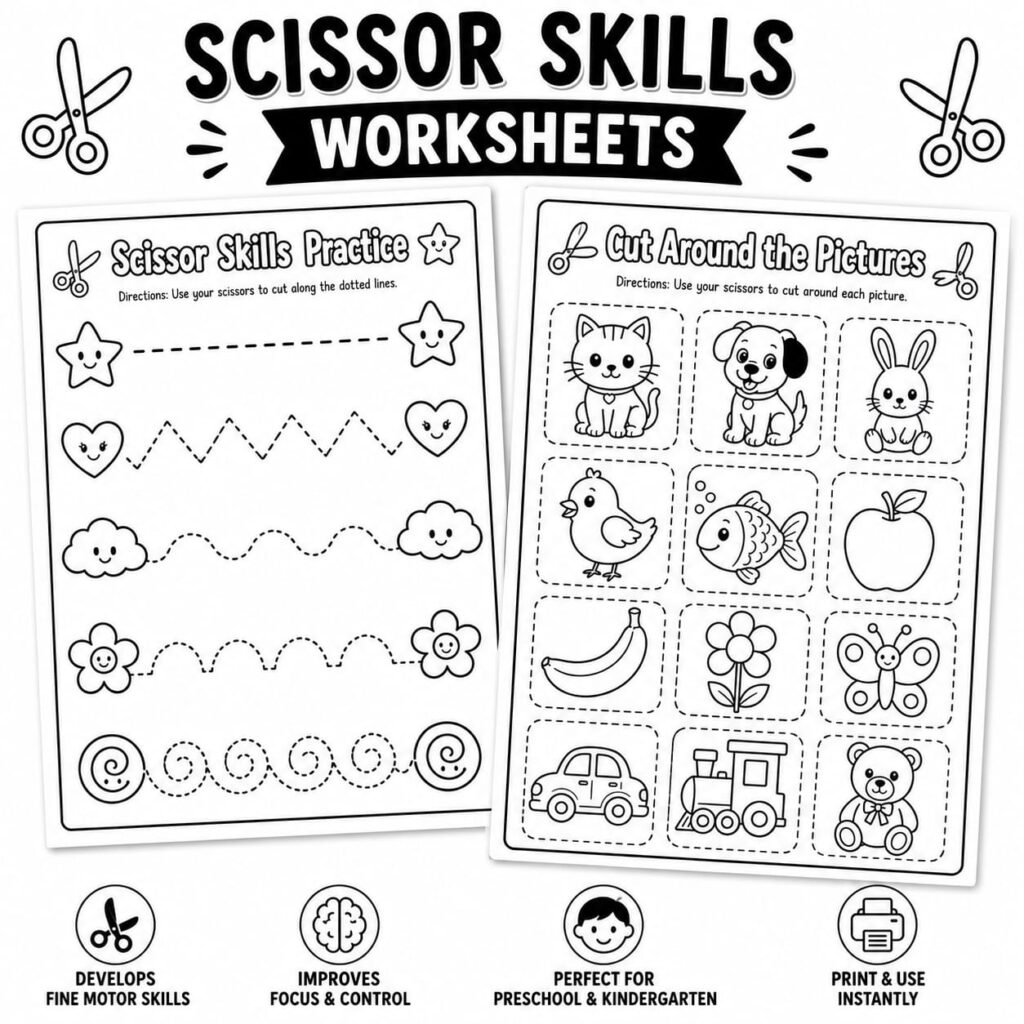
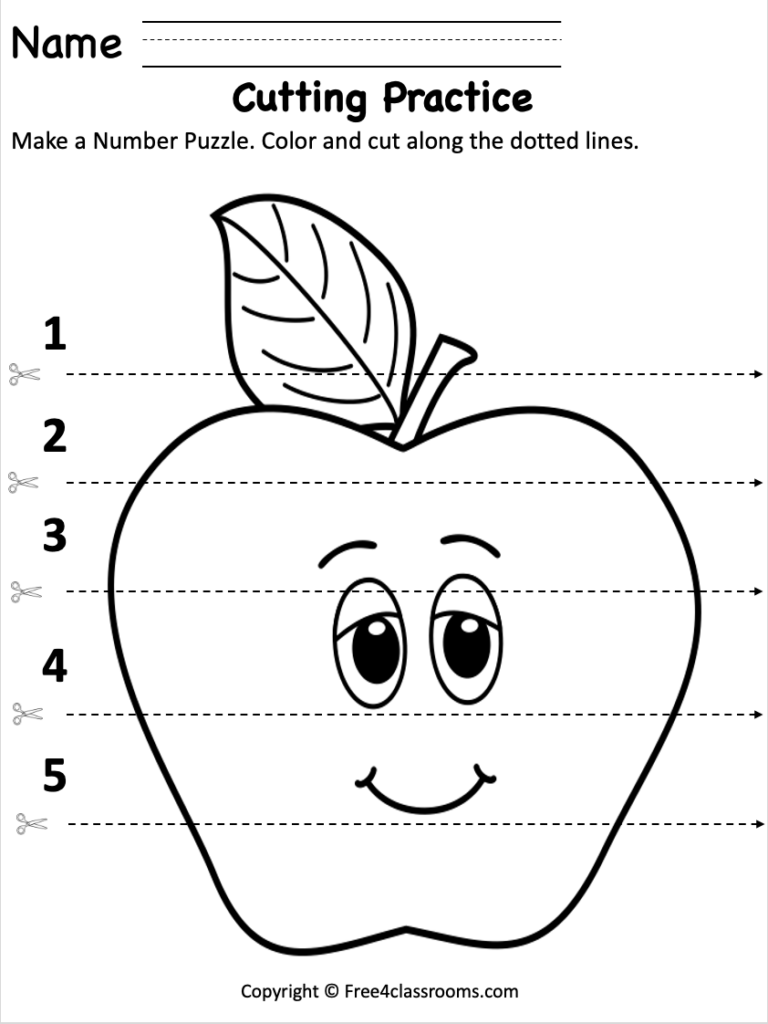
Choosing the right worksheet depends on age, but skill level matters more than age alone. Younger children often do best with large, bold lines, short strokes, and simple pictures. Older children who still need practice may benefit from narrower paths, more turns, or multi-step tasks. Look for one clear challenge at a time: tracing before copying, straight lines before curves, or cutting on short lines before complex shapes. If a page is too hard, reduce the difficulty rather than pushing for speed.
Using Them Well
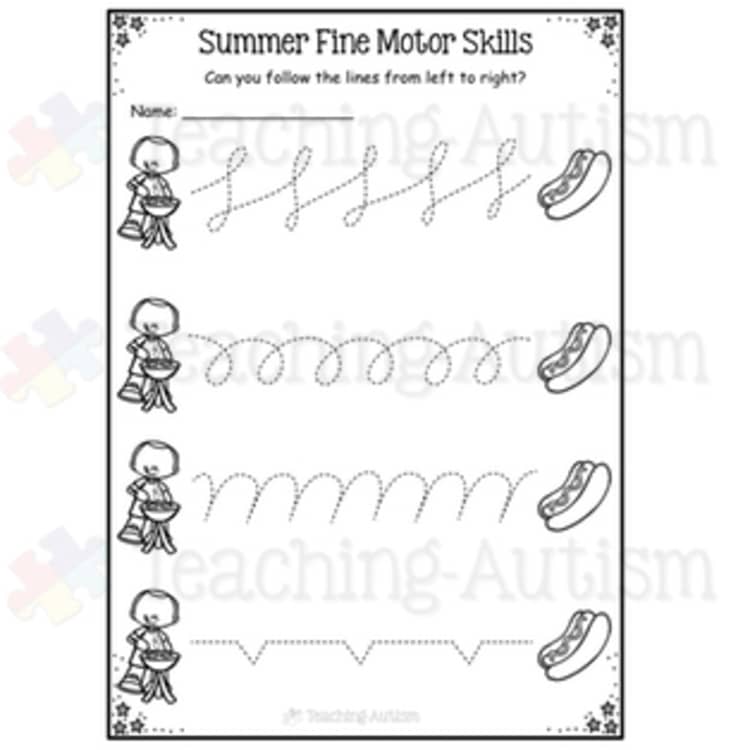
Simple use tips can make practice more effective. Keep sessions short so attention stays steady. Use the right tools, such as short crayons, chunky pencils, or child-safe scissors, because the tool affects control. Model the task once, then let the child try without too much correction. A single worksheet can be repeated for extra practice if needed, especially when the goal is smooth tracing or steadier cutting. Praise effort and control, not just a finished page.
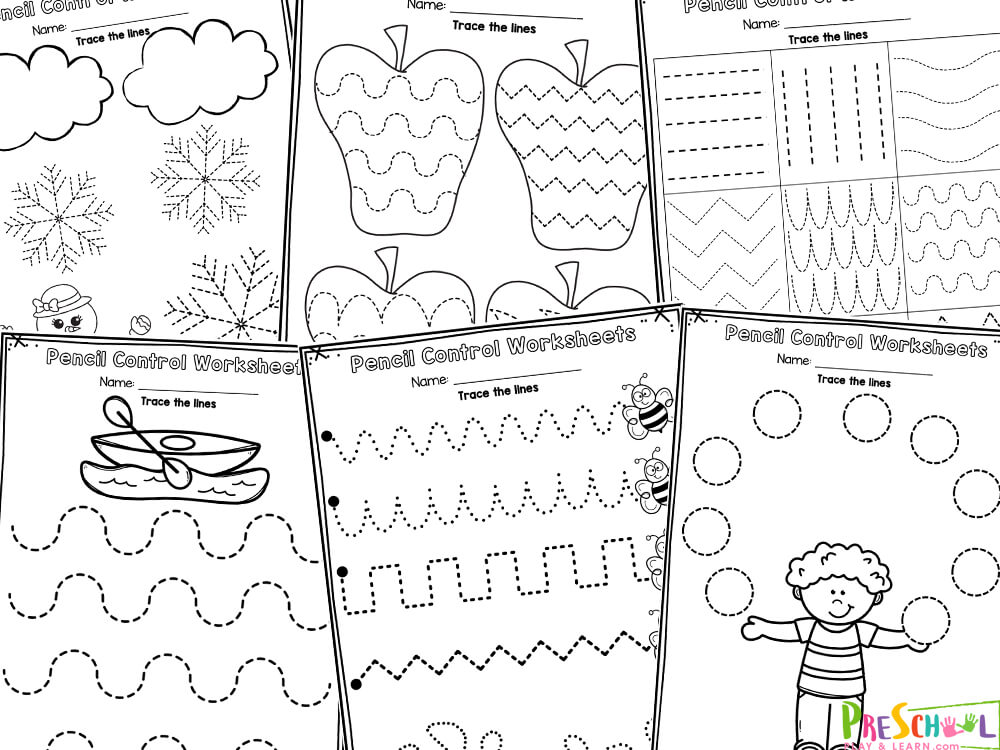
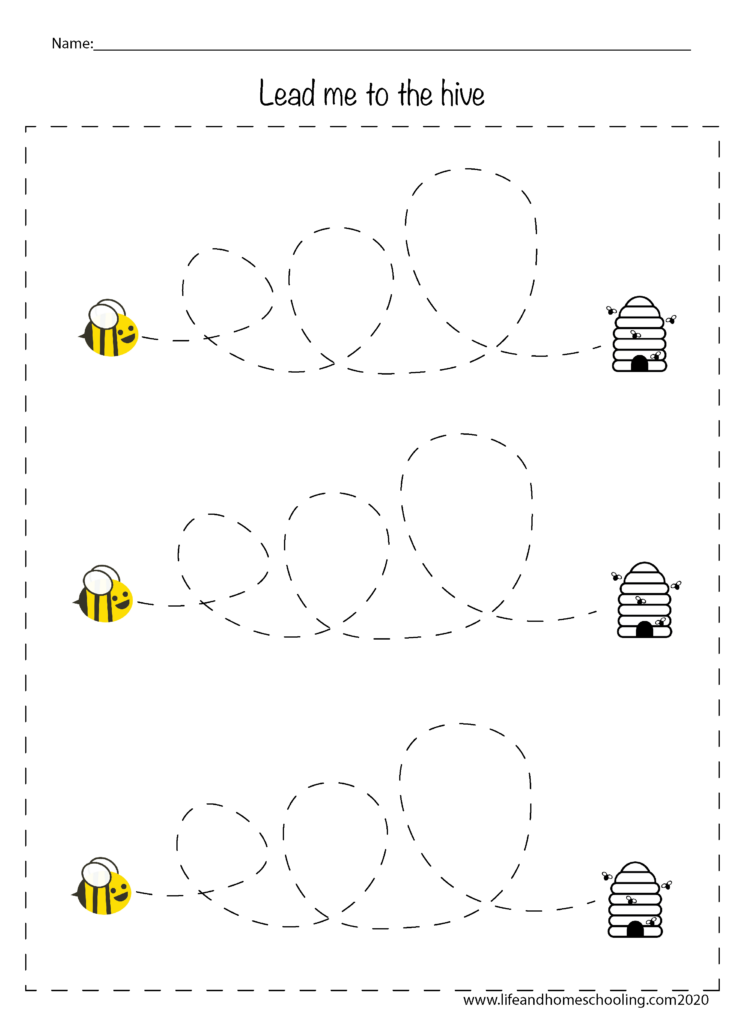
The most useful fine motor control worksheets are the ones that match the child’s current stage and offer a small step forward. Start with easy success, then increase complexity gradually through longer lines, tighter curves, smaller spaces, or more detailed cutting paths. If a worksheet leads to fatigue or sloppy movement, it is probably too advanced. Chosen well, these pages are a simple, low-pressure way to strengthen the hand skills that support early writing and everyday coordination.