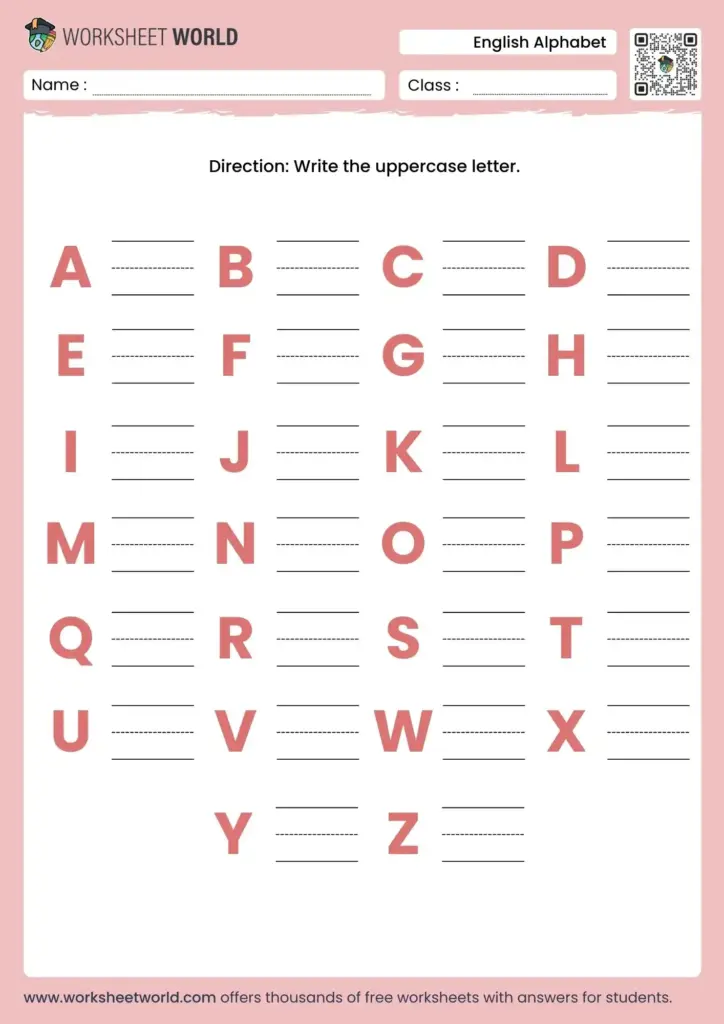
Early learning alphabet worksheets give young children a simple way to begin recognizing letters, practicing pencil control, and building readiness for writing. The best worksheets keep the focus on one letter or one small skill at a time, so children can notice shapes, trace clearly, and repeat with confidence. Used lightly and often, they can support early learning without feeling overwhelming.
Core worksheet types
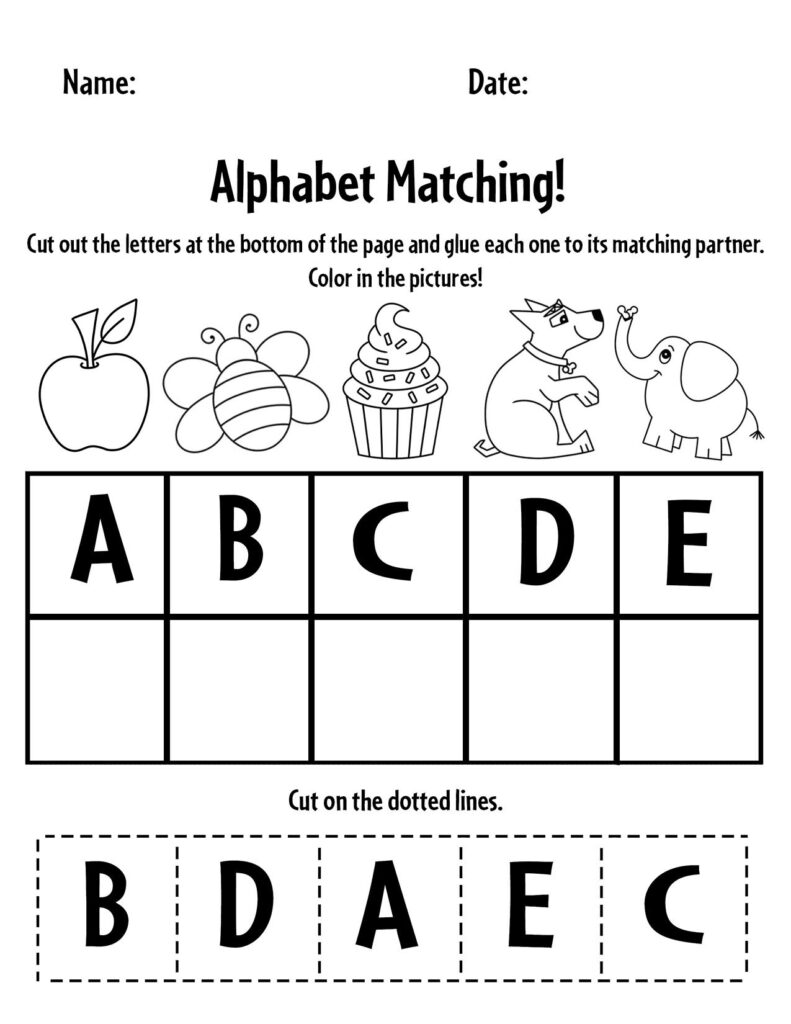
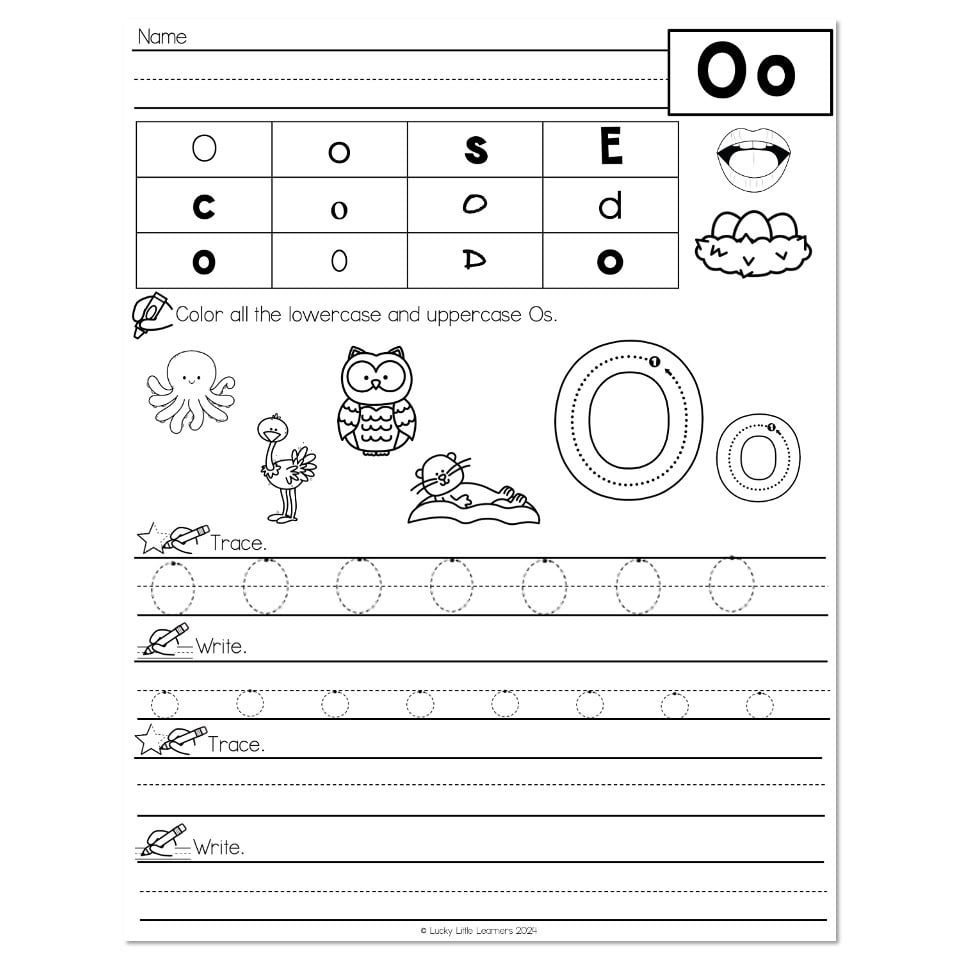
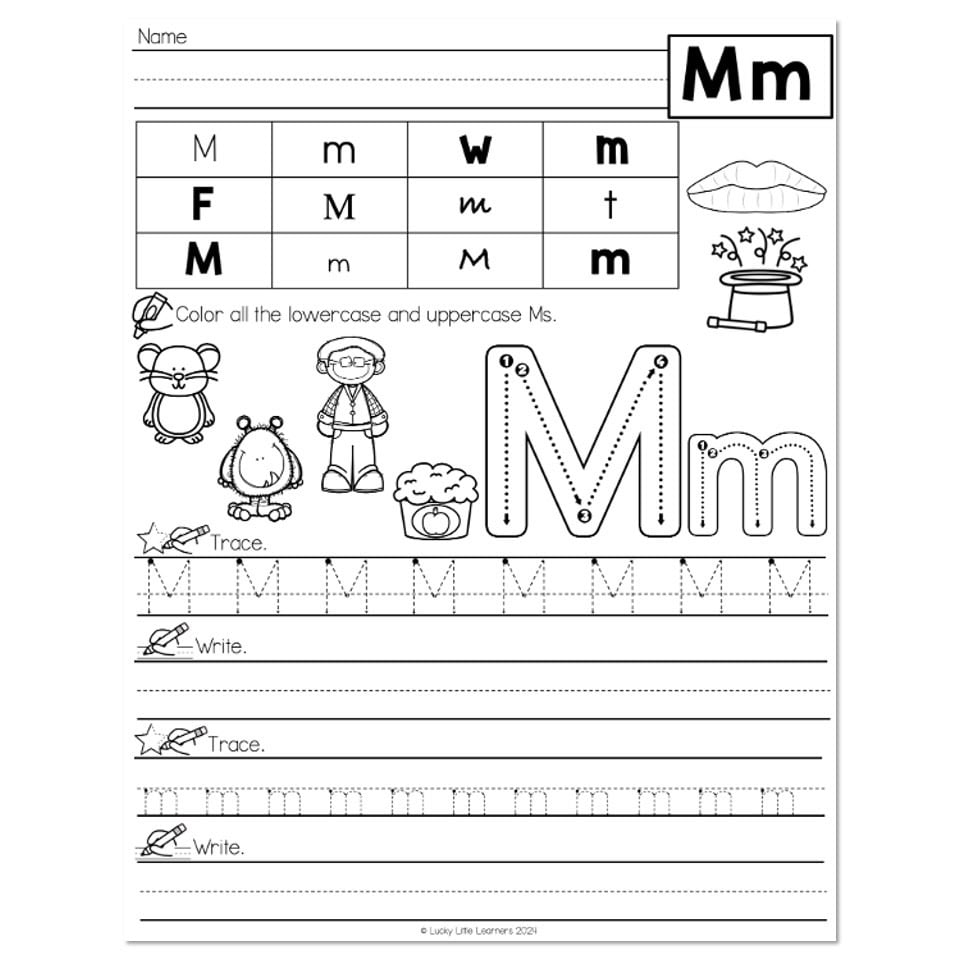
The most useful early learning alphabet worksheets usually include letter tracing, letter matching, and letter identification. Tracing pages help children follow the shape of uppercase and lowercase letters with guided lines or dots. Matching pages ask them to pair letters with the same letter, which strengthens recognition. Identification pages may have a child point to, circle, or color a target letter among a few choices. These formats keep the task simple while reinforcing the idea that each letter has a distinct shape and name.
Simple, child-friendly design
Age-appropriate design matters as much as the activity itself. Large letters are easier for small hands and developing eyes to follow, and plenty of space around each letter reduces visual clutter. Short directions work best, especially when they use one clear action such as trace, match, or circle. Minimal distraction is important too, so worksheets should avoid crowded graphics, busy borders, or too many instructions on one page. A clean layout helps children stay focused on the letter task rather than the page design.
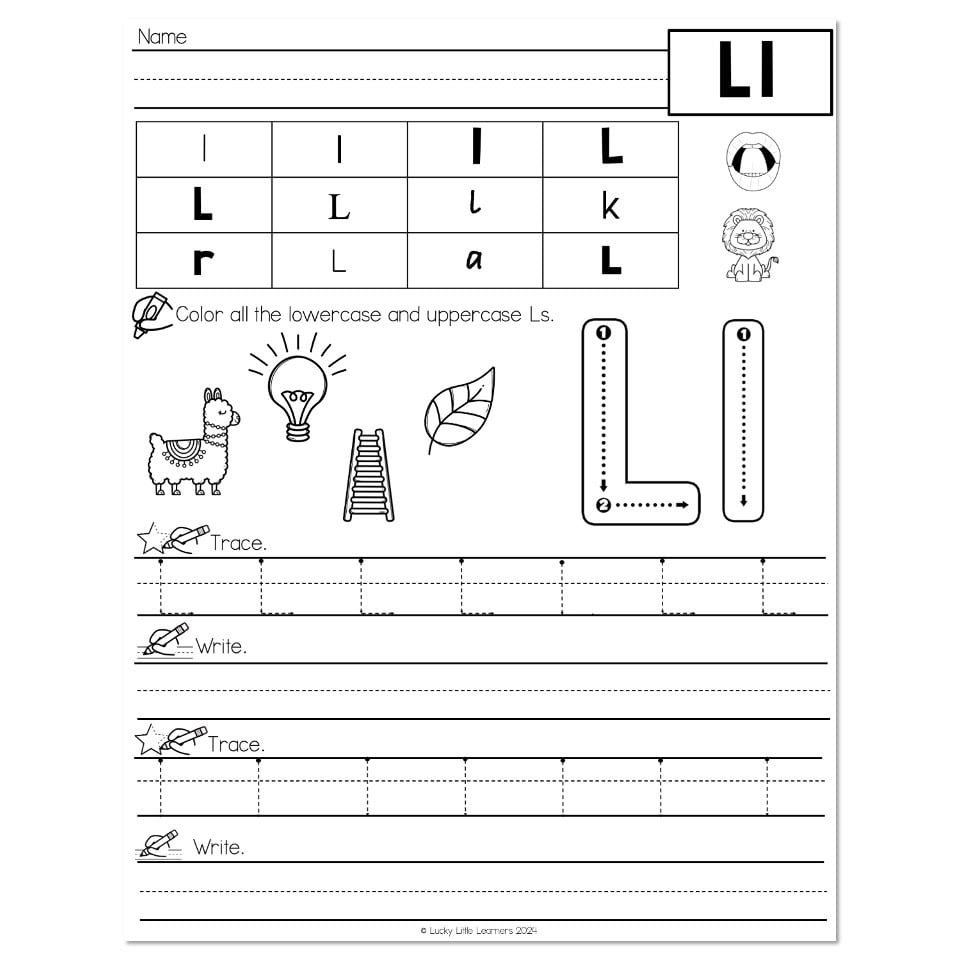
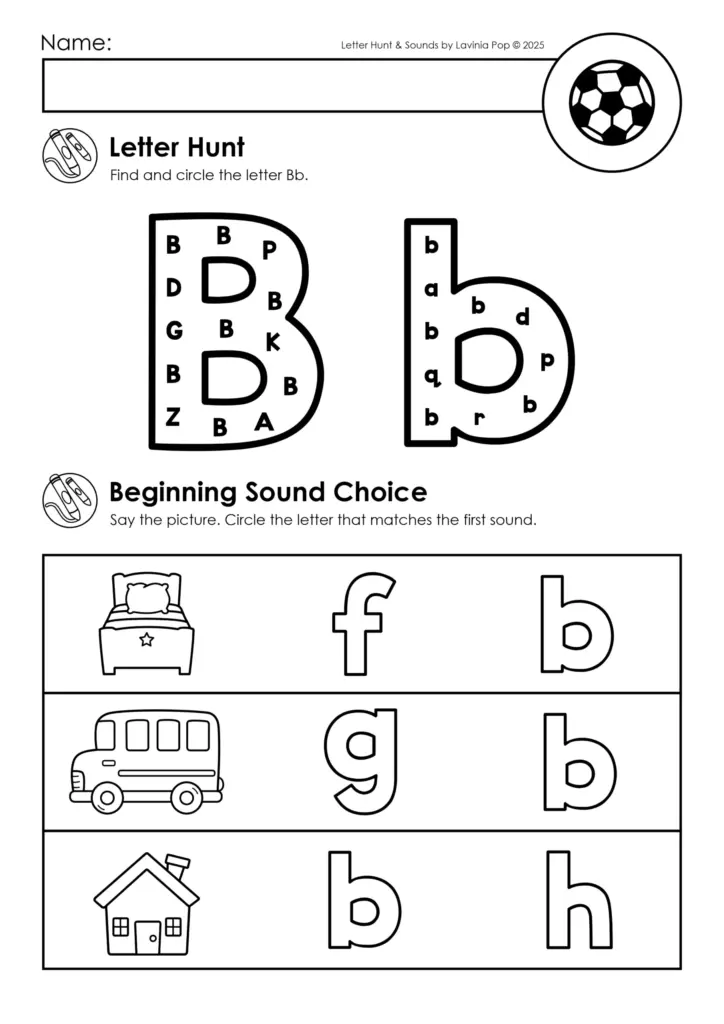
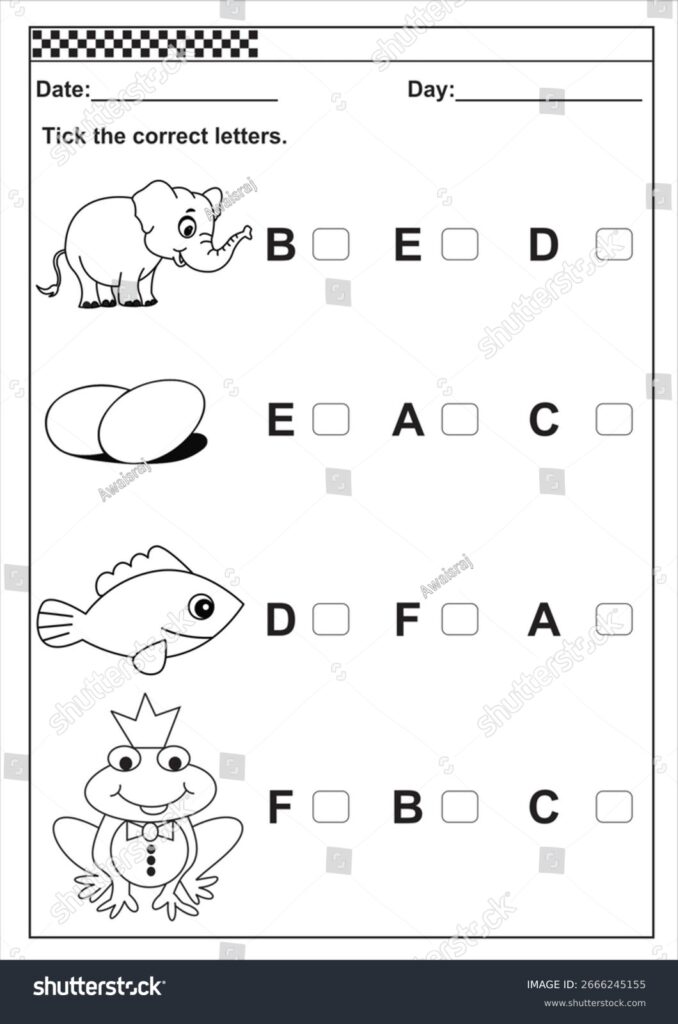
These worksheets support more than letter recognition. Tracing strengthens fine motor control by helping children practice holding a crayon or pencil, following a path, and making controlled movements. Matching and identification build visual discrimination, which helps children tell letters apart and notice similarities and differences. Together, these activities create early pre-writing readiness by combining attention, hand-eye coordination, and repetition. For the best results, choose a few clear pages, offer support as needed, and let children revisit the same letters until they feel familiar and manageable.