
Matter observation worksheets help students look closely at objects and record what they notice in a simple, organized way. In classroom use, they support basic science skills such as observing, describing, and comparing physical properties of matter. They are especially useful when teachers want a quick printable for hands-on practice, science notebooks, centers, or review.
What Students Do
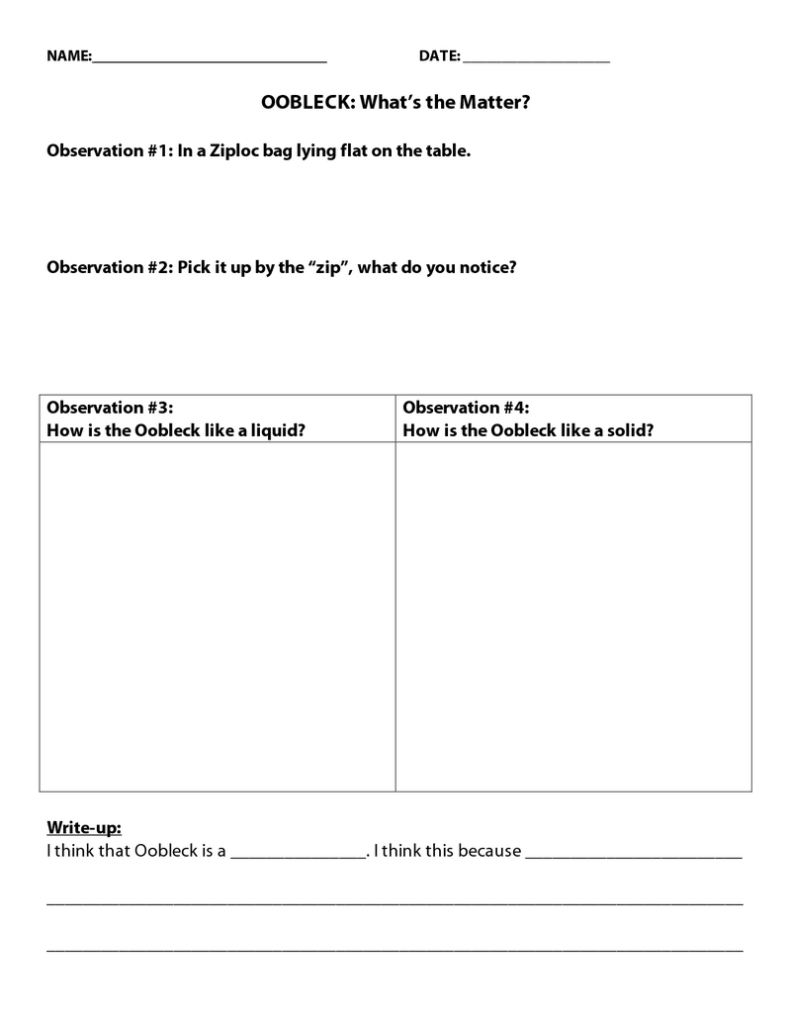
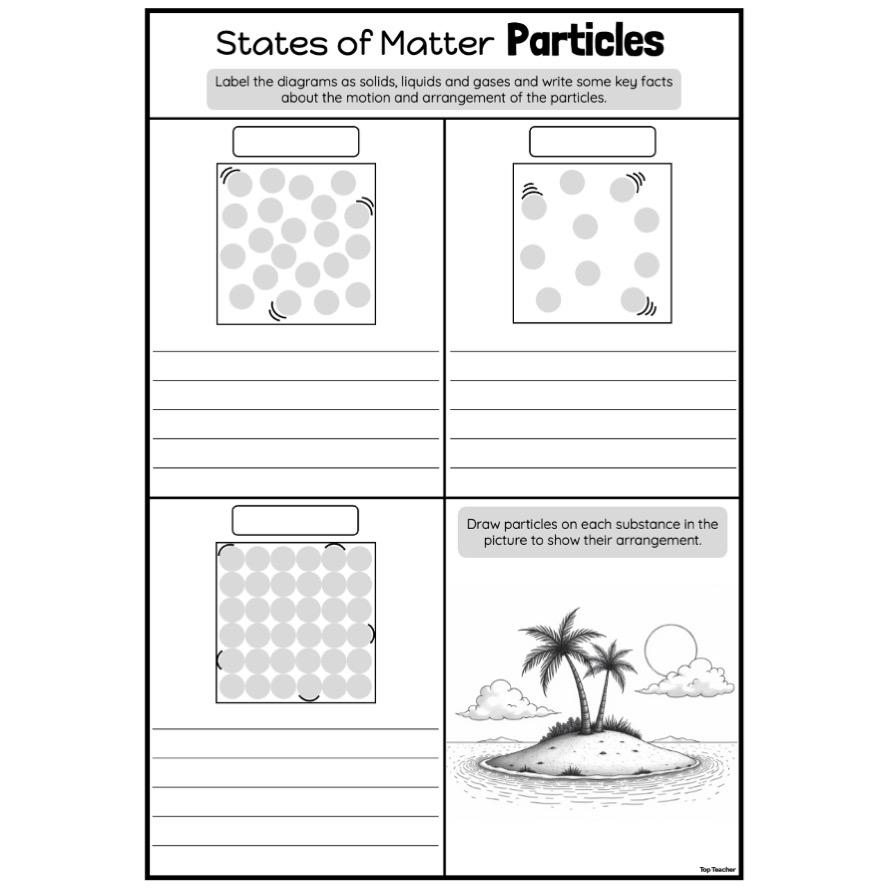
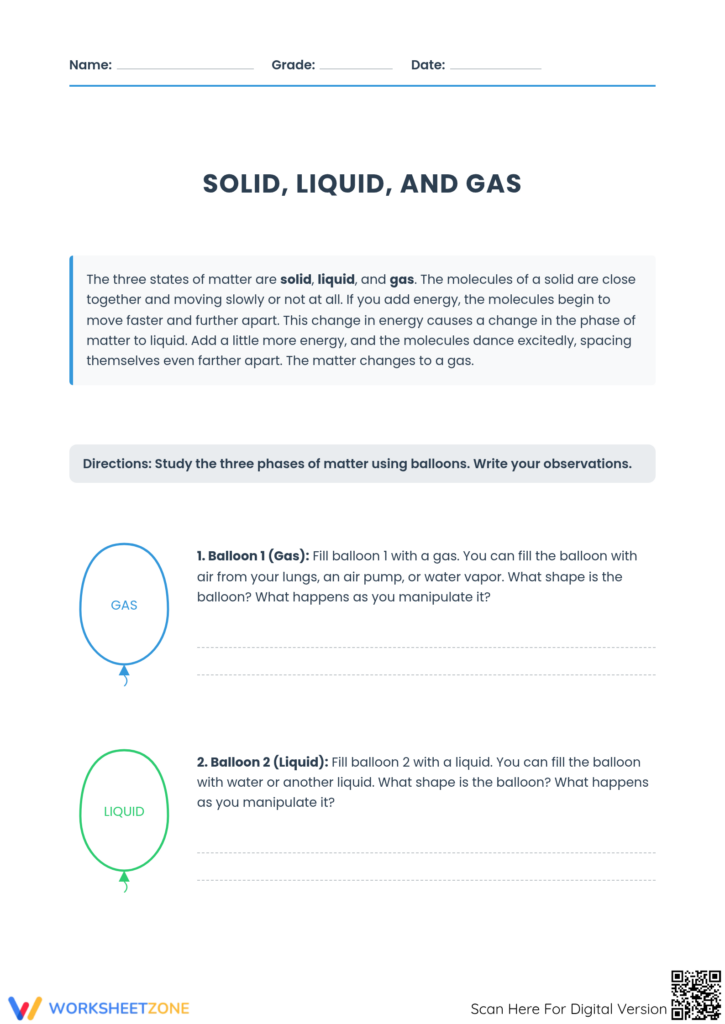
At the center of these worksheets is a straightforward task: students observe a material or object, write down visible properties, and compare results with other items. They may describe color, shape, texture, size, weight, or whether something is solid, liquid, or gas. The worksheet format helps students slow down and use precise words instead of guessing. For younger learners, this often means circling choices or filling in short responses. For older elementary students, it may include more complete sentences or a simple compare-and-contrast section.
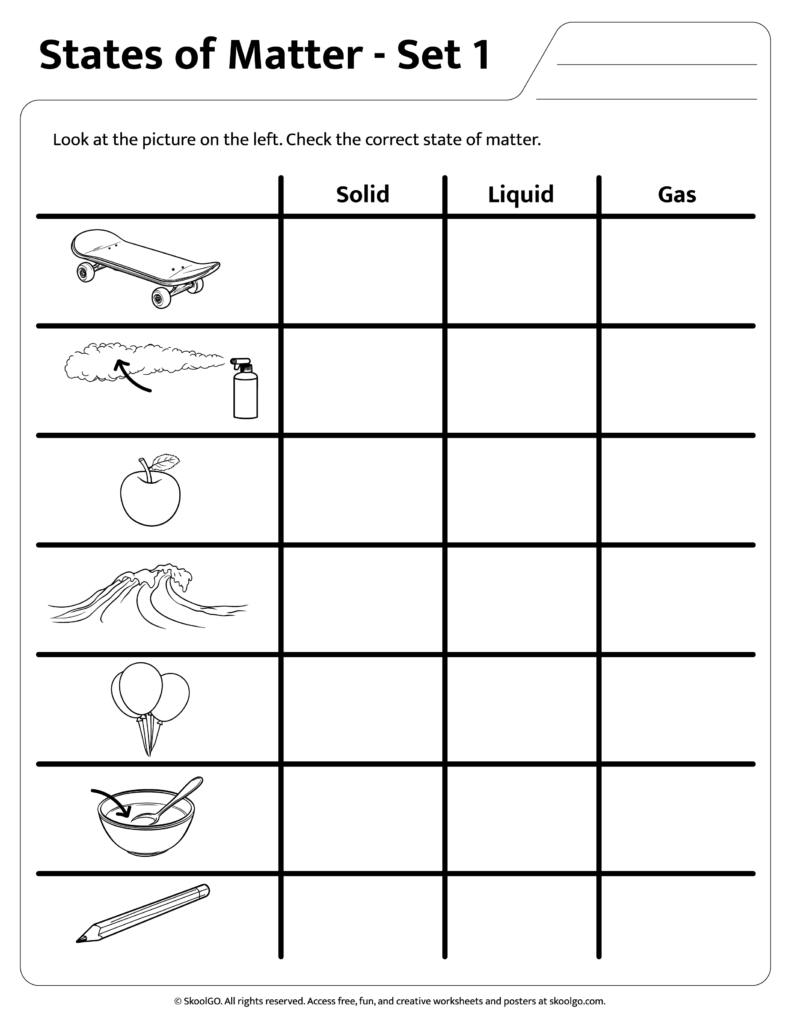
These worksheets are usually used in elementary science lessons, often in grades 2 through 5, though simpler versions can work earlier with teacher support. They fit well in short class activities, lab stations, and small-group practice because students can complete them while handling classroom objects, picture cards, or familiar materials. A good worksheet supports independent work without needing a long explanation. It should be simple enough for quick use, but structured enough to guide careful observation and accurate recording.
Features to Look For
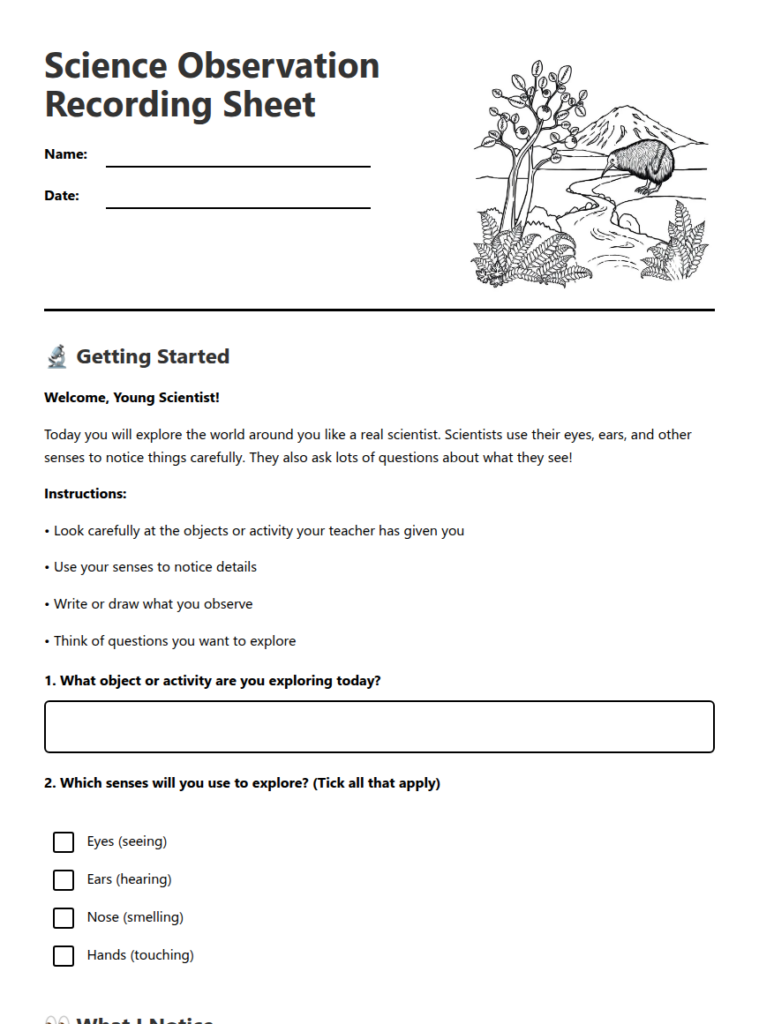
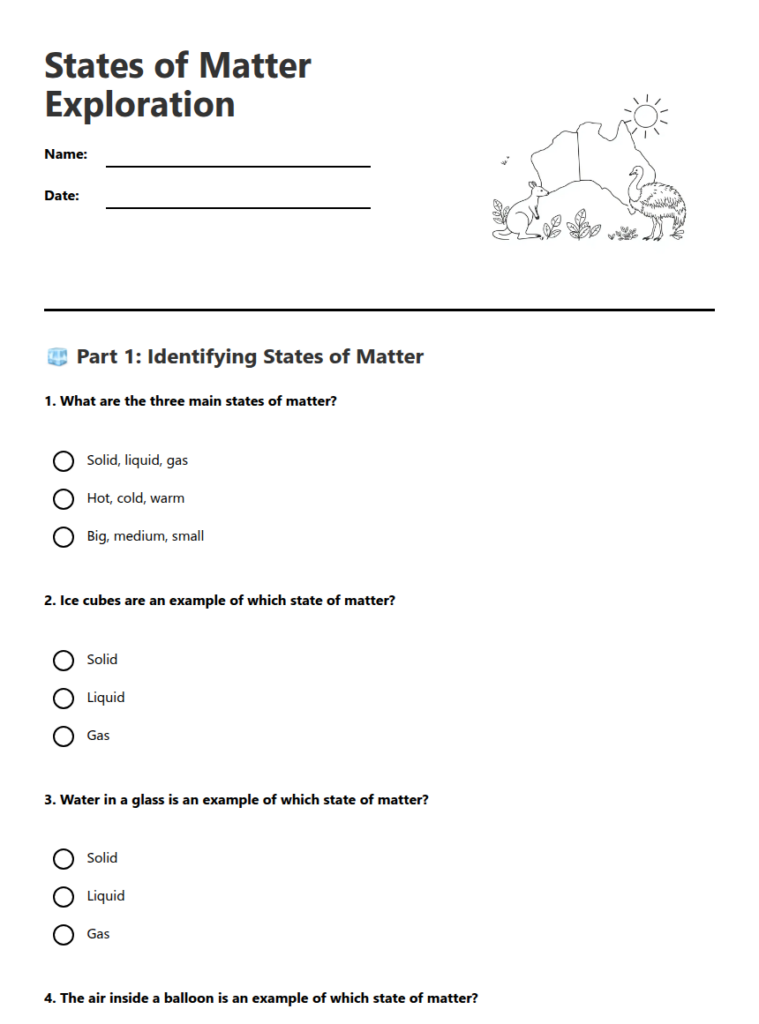
The most helpful matter observation worksheets include clear prompts that tell students exactly what to notice. Blank lines, tables, or boxes for writing make it easier to record findings neatly. Look for vocabulary support such as word banks, picture cues, or sentence starters, especially for younger students or English learners. A strong worksheet also leaves enough room for multiple observations and comparisons, since students often need to note more than one property. Simple layouts reduce confusion and keep attention on the science task.
When choosing a worksheet, focus on whether it matches the student’s reading level and the amount of writing you want them to do. A well-designed page should make observation feel manageable, not overwhelming. If it gives students space to compare two or more items, it can also strengthen careful thinking and scientific language. For quick classroom use, the best choice is one that is clear, easy to print, and ready for immediate hands-on observation practice.



