
Magnetic attraction worksheets help children notice which objects a magnet pulls and which ones it does not. At the worksheet level, the goal is simple science practice: look, predict, test, and record. A good page should use clear pictures or short prompts so learners can connect the idea of attraction to everyday objects without needing advanced science vocabulary.
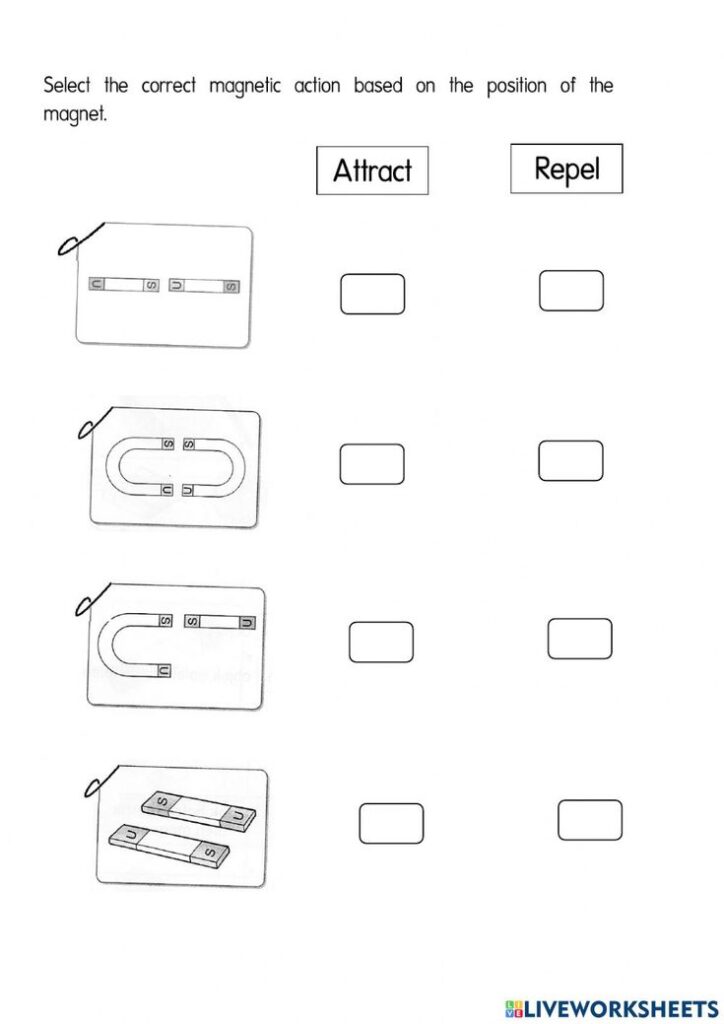
What Kids Learn
In kid-friendly terms, magnetic attraction means a magnet pulls certain objects toward it. Worksheets should explain this in a very simple way, such as “some things stick to a magnet and some do not.” That keeps the focus on observation rather than theory. The best activities use familiar items like paper clips, coins, cardboard, plastic spoons, or toy blocks so children can make quick connections. A worksheet may also ask students to circle, sort, or match items that are likely to be attracted.
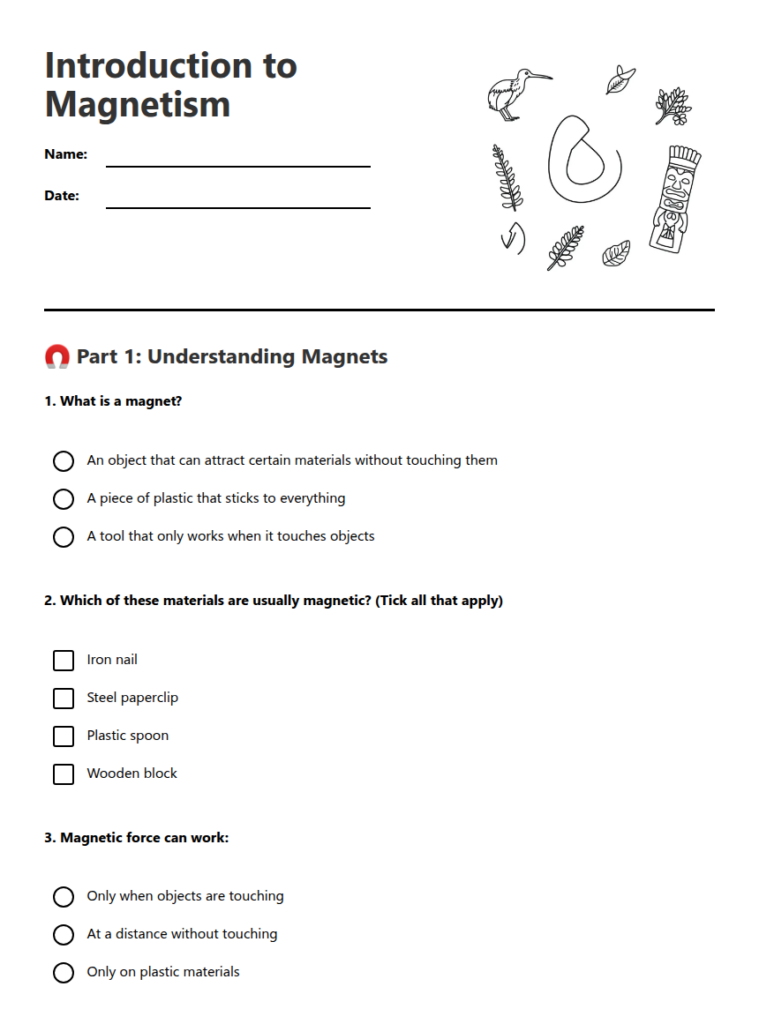
Worksheet Features
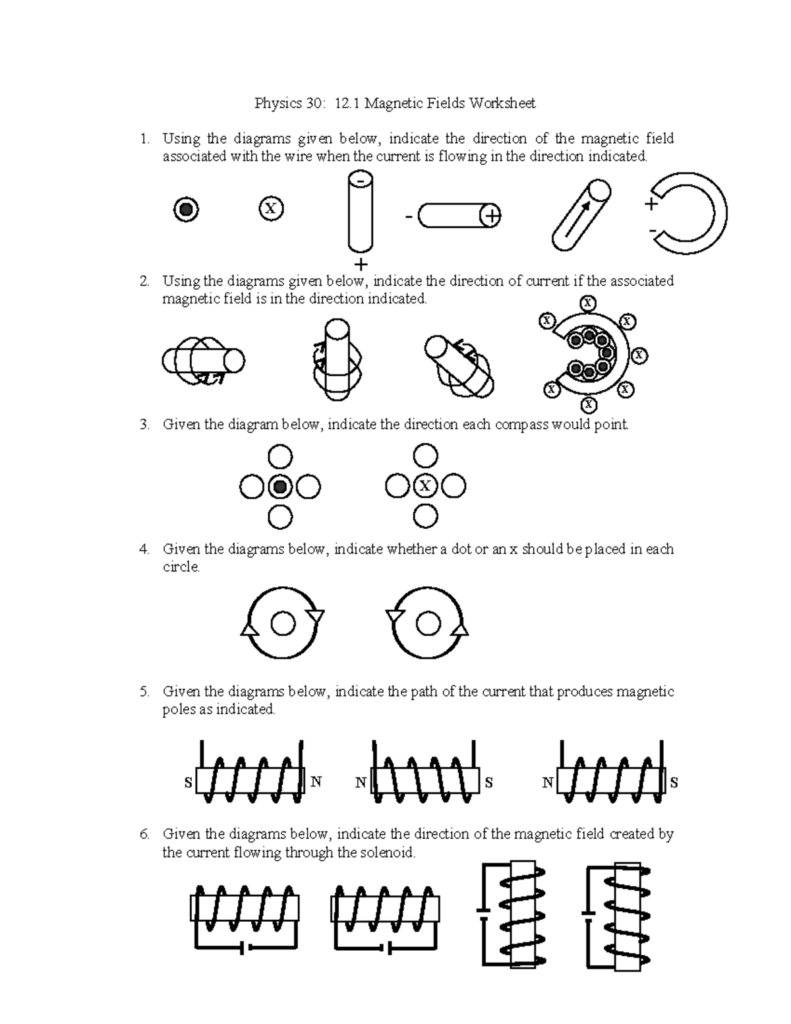
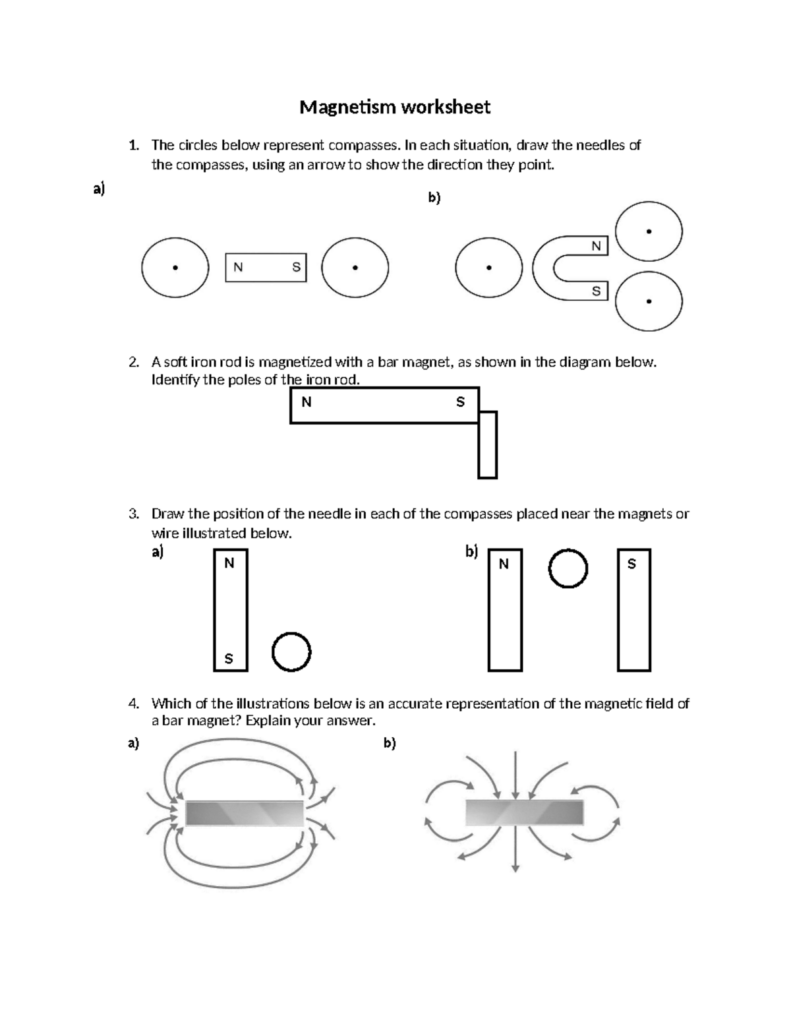
Useful magnetic attraction worksheets usually include three core parts. First, matching magnets to objects helps learners sort pictures or words into “attracted” and “not attracted.” Second, prediction prompts ask students to guess what a magnet will pull before testing. Third, an observation box or chart lets them record results with words, check marks, or simple drawings. These features turn a magnet activity into a reading-and-thinking task that supports science vocabulary, careful noticing, and basic comparison skills.
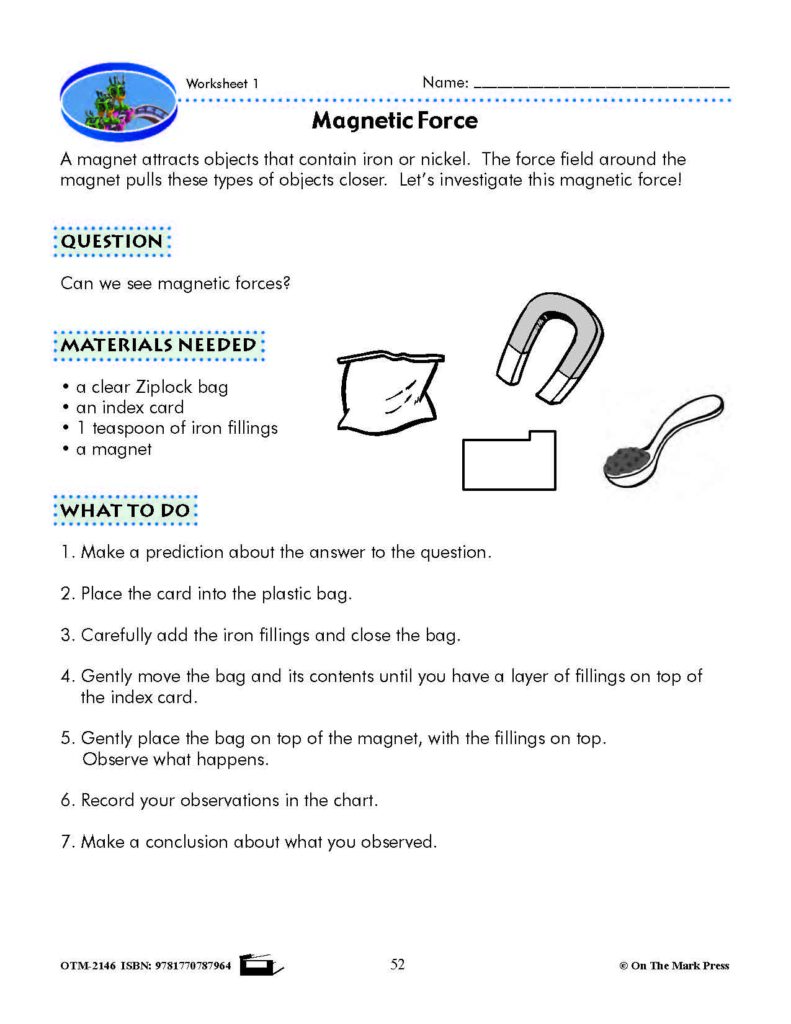
When choosing magnetic attraction worksheets, look for the right grade level and very simple directions. Early elementary learners benefit from large images, few answer choices, and familiar objects. Older students can handle short prediction statements or a simple data table. Also check whether the page expects hands-on magnet testing, since some worksheets are meant for direct experimentation while others are picture-based only. If you want a quick science lesson, choose one that balances easy reading with a clear place to record what the magnet actually does.



