Informative writing supporting details worksheets help students move beyond a simple topic sentence and add the facts that make writing clear. These worksheets usually ask learners to match details to a main idea, choose relevant examples, or expand a sentence with explanations. They are useful for building a basic nonfiction writing habit: state the point, then support it with meaningful information.
What Supporting Details Mean
In informative writing, supporting details are the facts, examples, reasons, definitions, or short explanations that prove or clarify the main idea. If the topic sentence says whales are mammals, supporting details might describe how they breathe air, nurse their young, and live in the ocean. Good worksheets make this relationship obvious. Students learn that details should stay on topic and help the reader understand the main idea more fully, not just add extra sentences for length.
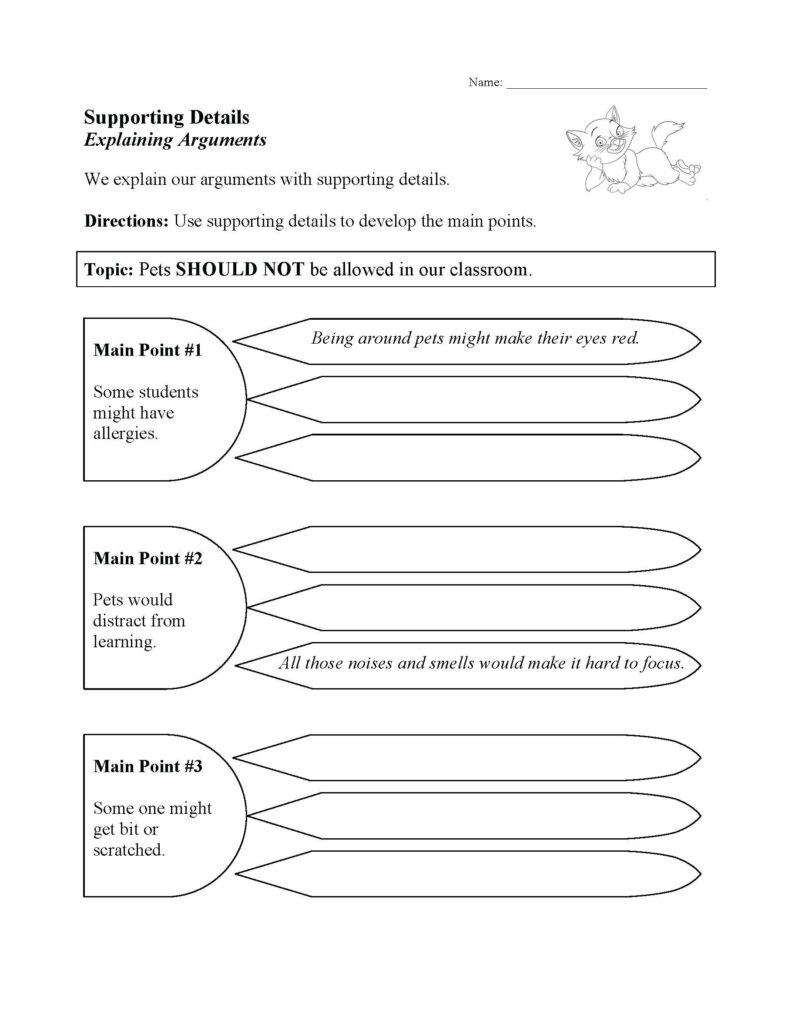
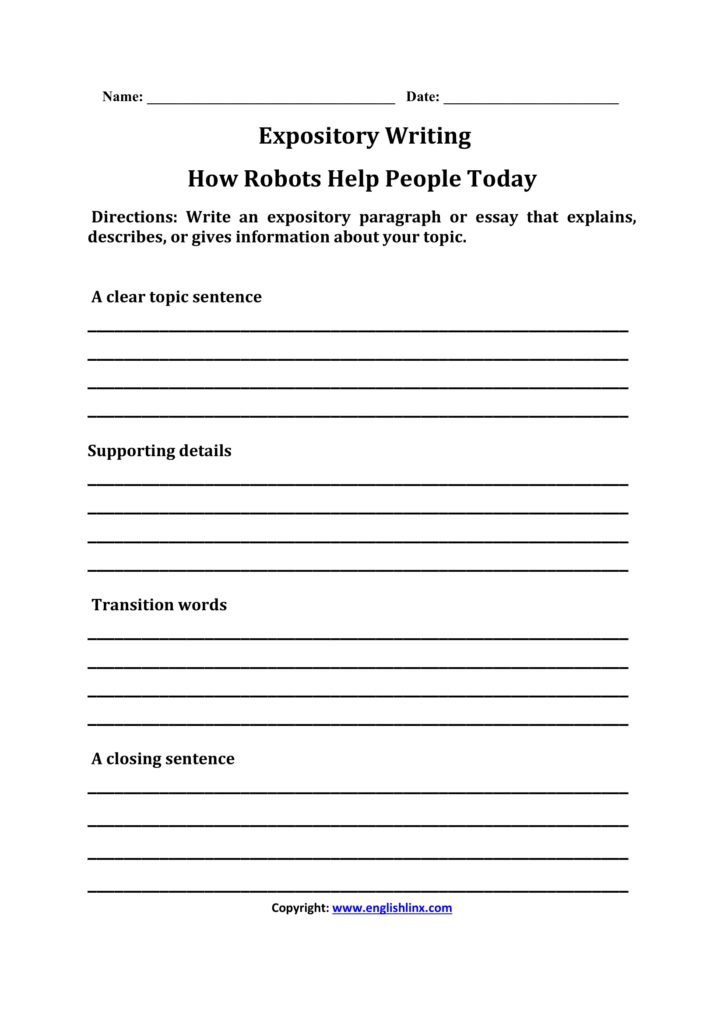
The core skill these worksheets build is selecting and adding details that fit. Many activities begin with a main idea and a word bank, then ask students to pick the strongest supporting facts or write their own. Others use guided examples that show one strong detail and one weak detail so students can compare them. This kind of practice helps writers decide what belongs, what does not, and how to explain a topic in a clear, organized way.
Best Worksheet Features
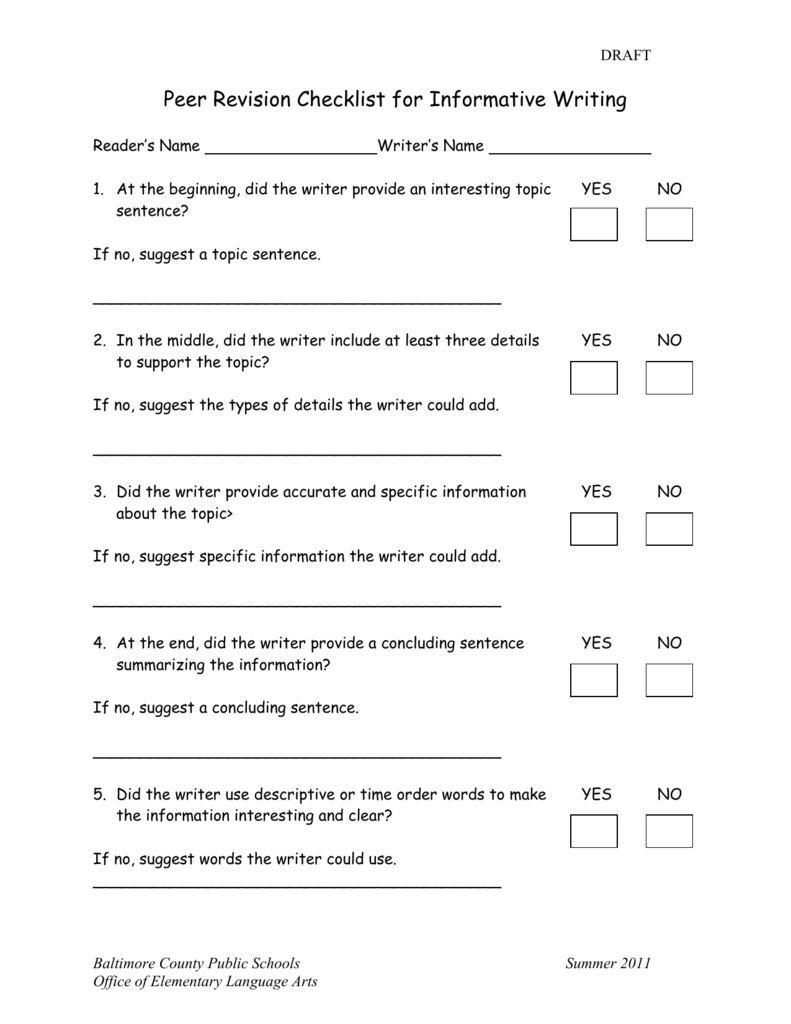
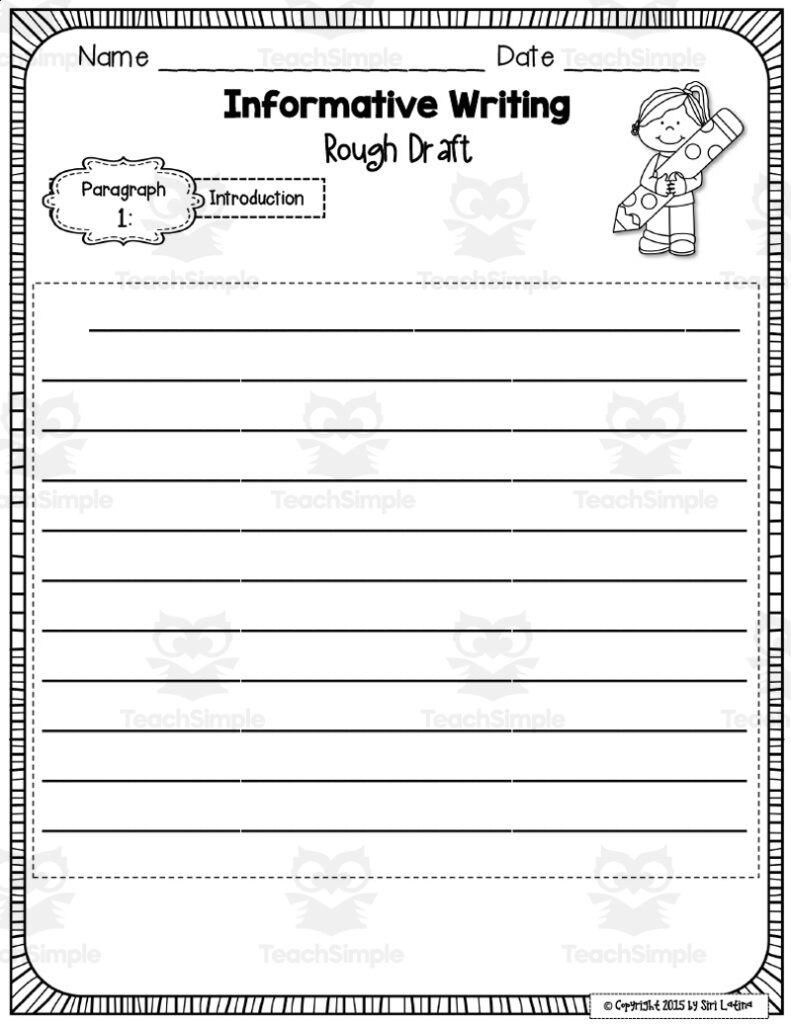
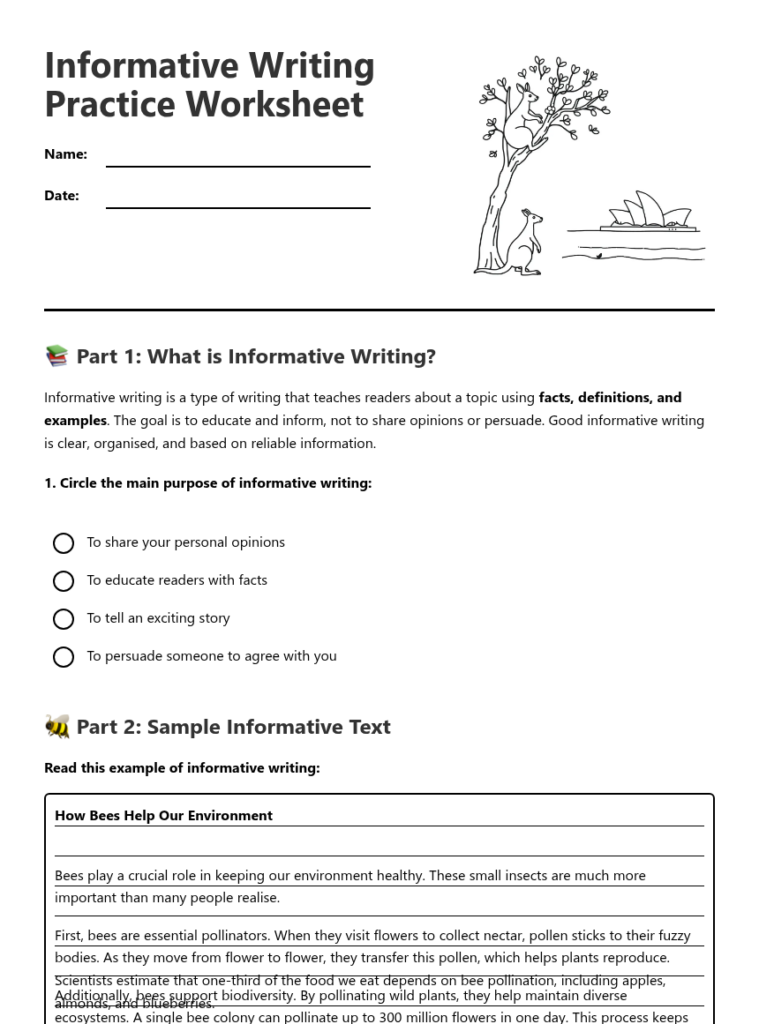
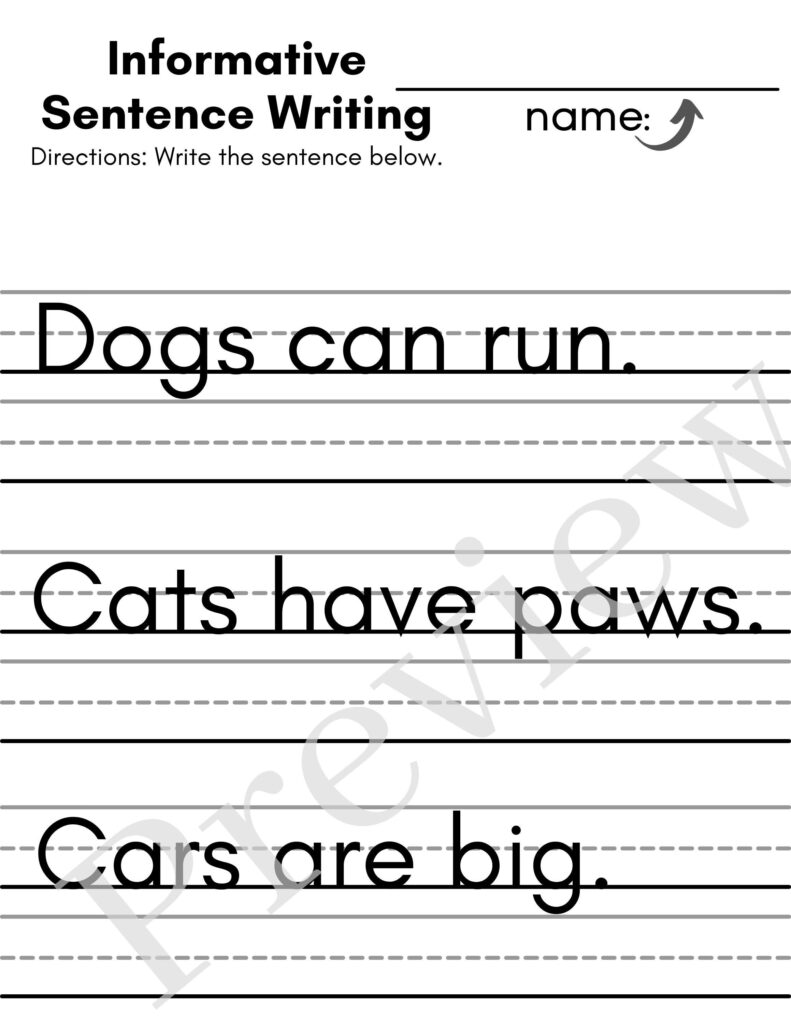
The most useful worksheets include a clear prompt, a main-idea sentence or topic, and enough space for students to respond in full. Guided examples are especially helpful because they show what a completed response looks like without doing all the thinking for the student. Some worksheets also use graphic organizers, sentence starters, or detail boxes that help younger writers separate the big idea from the supporting information. The best pages keep the task focused and manageable.
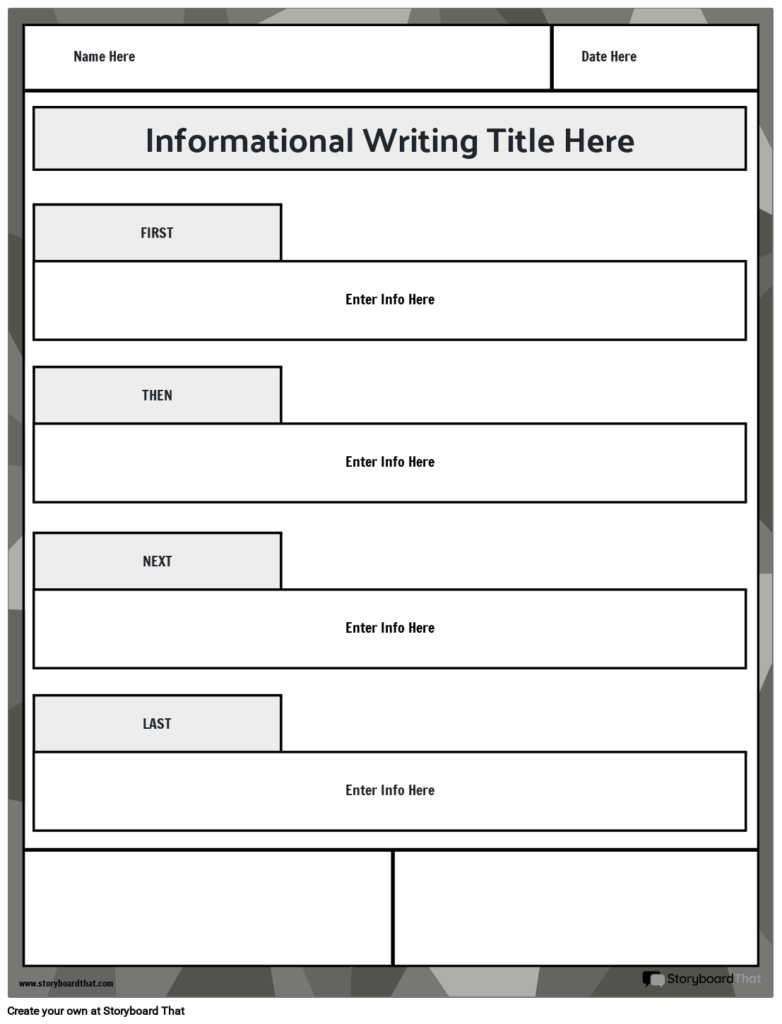
When choosing informative writing supporting details worksheets, look for materials that match the student’s level and writing goal. Beginners often need simple prompts, pictures, or sentence frames, while older students may need to sort details, explain why a fact matters, or add evidence to a paragraph. For classroom practice, these worksheets work best as short, repeated activities that build accuracy and confidence. Used well, they help students turn a topic into informative writing with real substance.