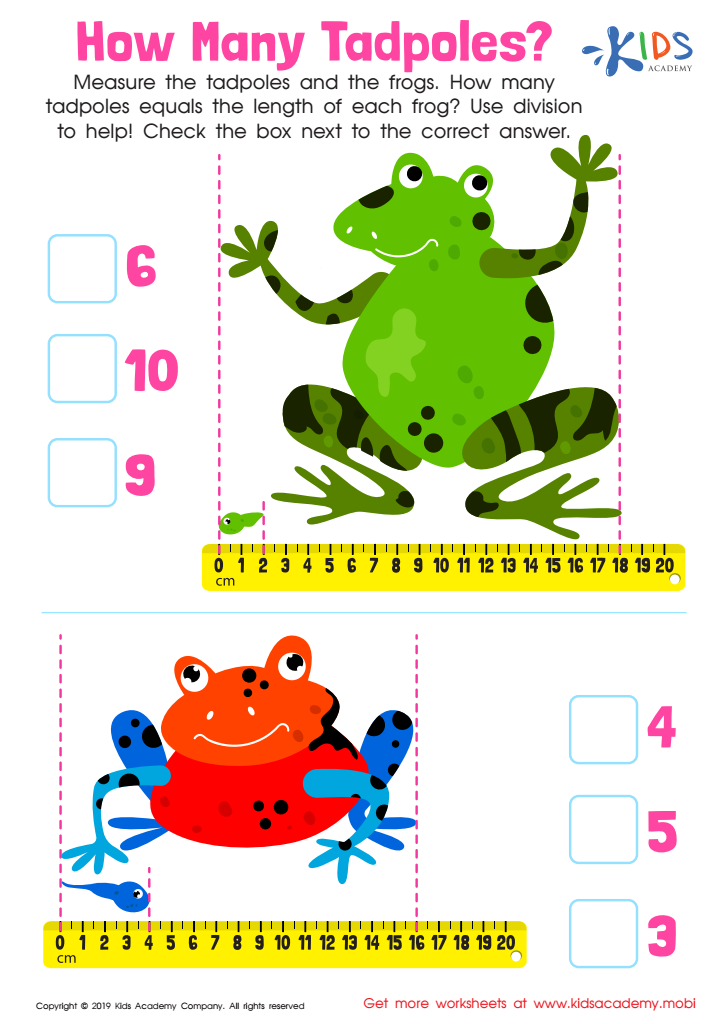
Educational science activity worksheets give learners a structured way to explore science ideas while practicing a clear task. They can support observation, sorting, labeling, vocabulary building, and simple recording of results. The best worksheets make the science skill obvious and the directions easy to follow, so students can focus on the concept rather than decoding the page.
What They Support
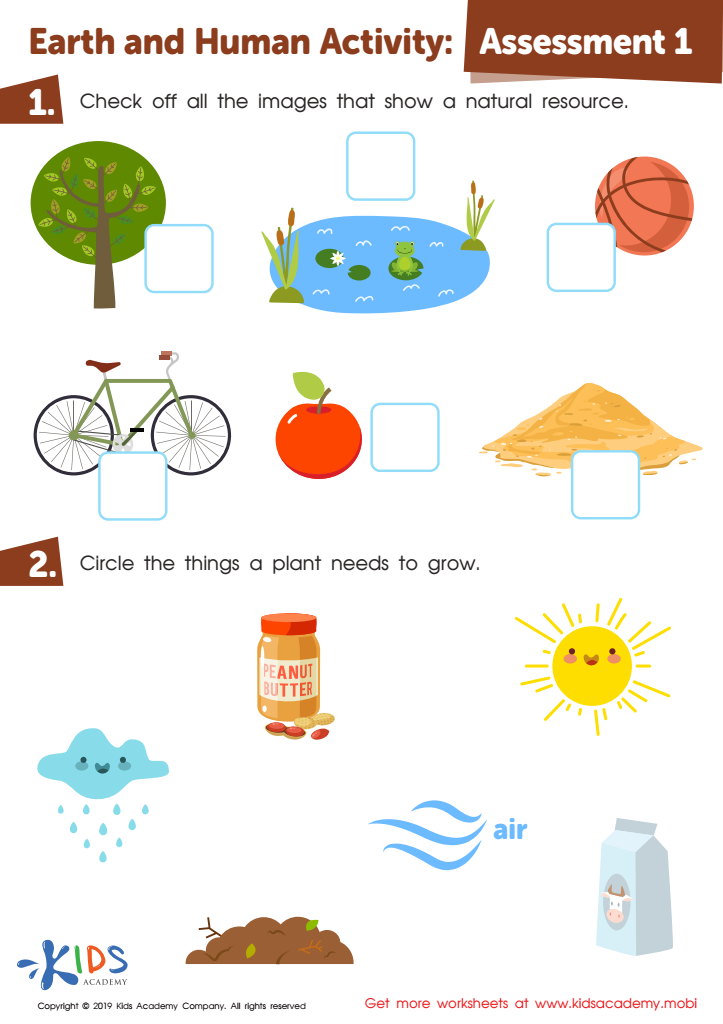
These worksheets usually focus on early science processes rather than long readings or complex reports. Common activities include observing a plant or animal, classifying objects by texture or habitat, labeling parts of a life cycle, matching tools to uses, and recording predictions before a simple experiment. This format works well for topics such as plants, weather, seasons, habitats, matter, forces, and the human body. Because the tasks are short and visual, they can reinforce science vocabulary and thinking skills at the same time.
How to Choose
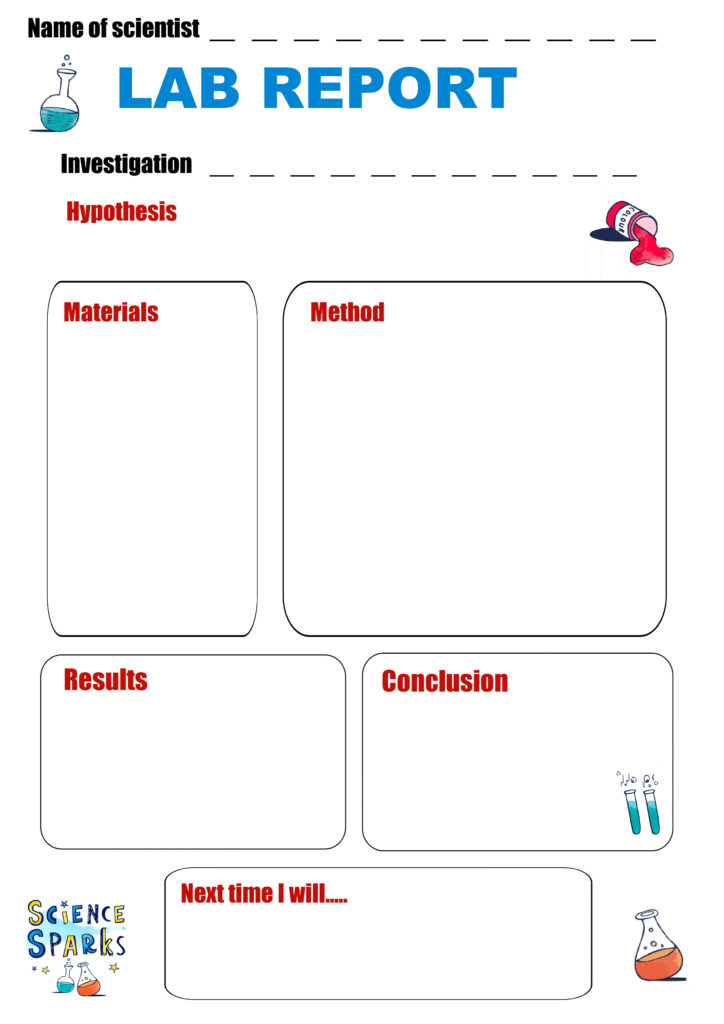
Good educational science activity worksheets match the learner’s age or grade level and the exact objective you want to reinforce. A worksheet for younger children should use large visuals, simple language, and one clear task, while older students can handle more steps and written responses. Check that the page is answerable with the knowledge being taught, not with guesswork. The best choice is also easy to use: clear directions, enough space to respond, and a layout that supports the lesson setting.
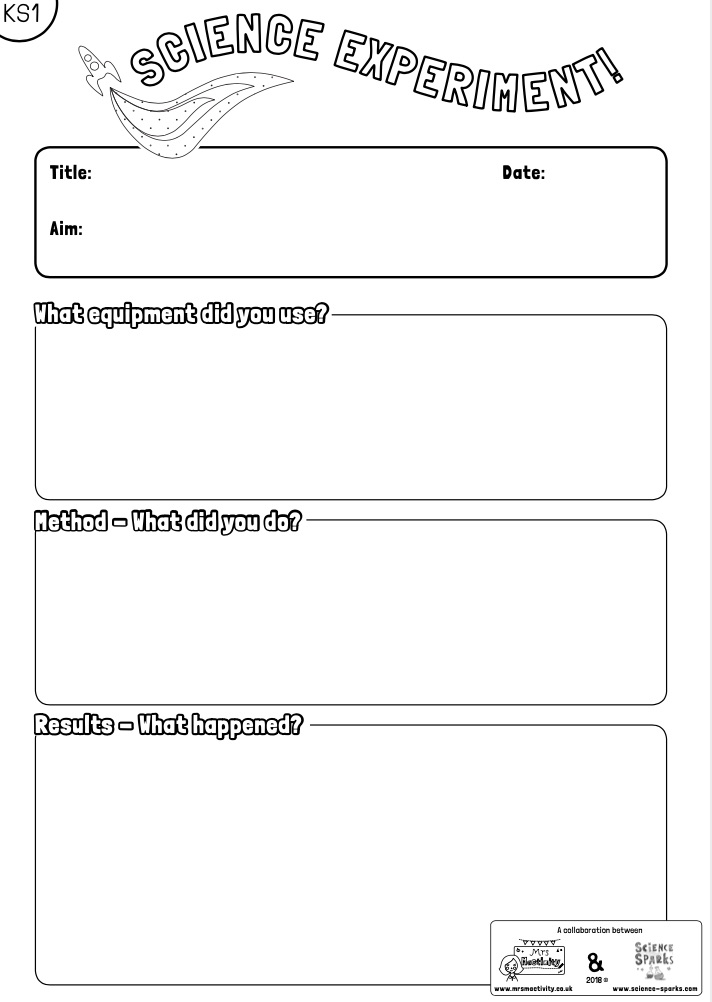
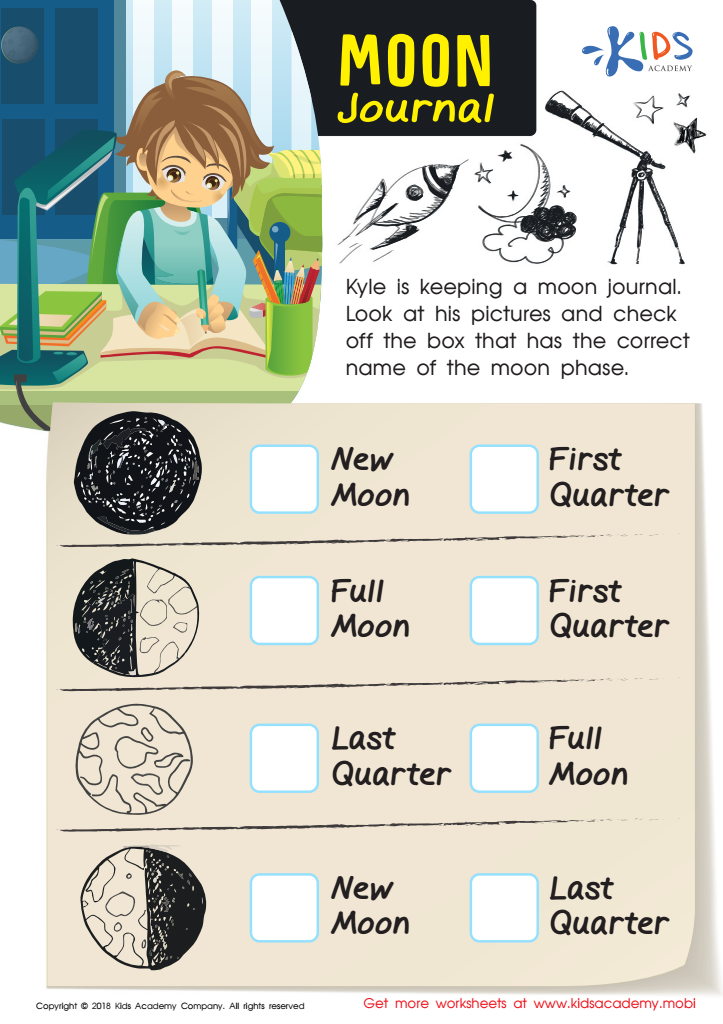
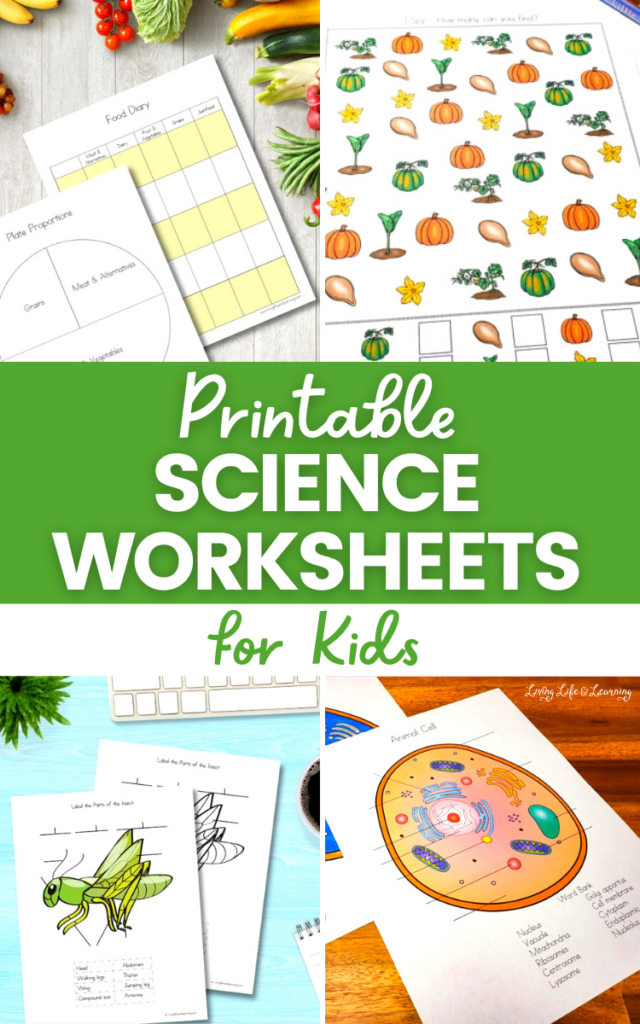
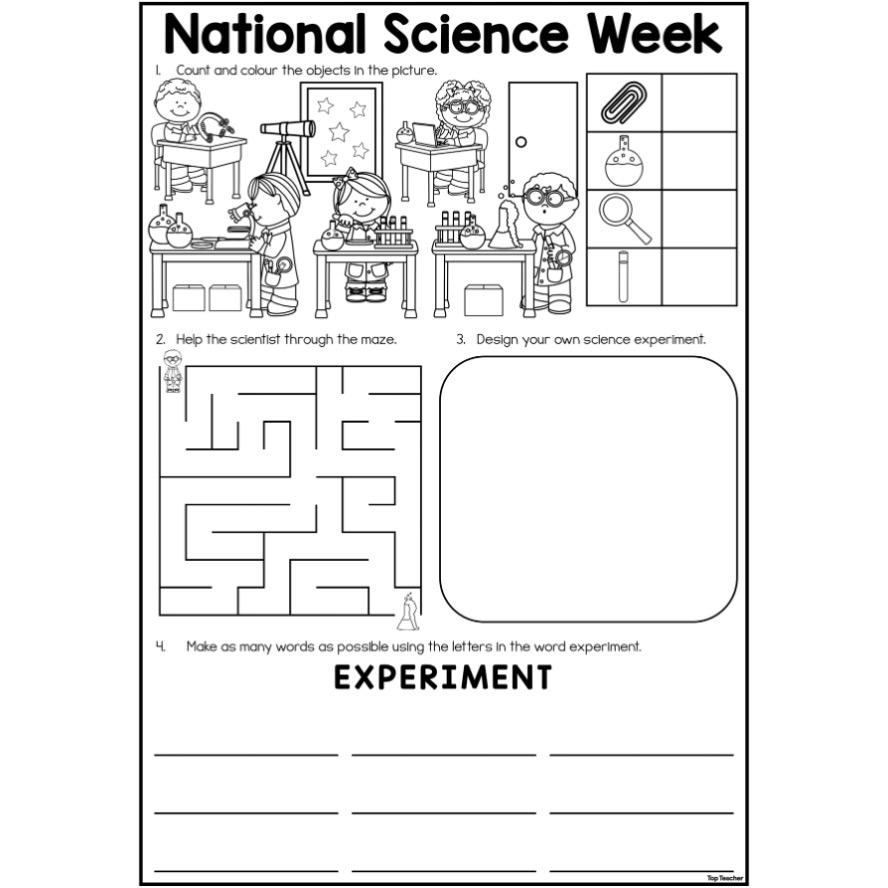
In practice, these worksheets are useful in classrooms, homeschool routines, and extra practice at home. In a classroom, they can support center work or quick review. In homeschool, they help structure a science lesson without requiring a full lab setup. For supplemental practice, they are useful when a child needs more repetition with observation, labeling, or simple data collection. A strong worksheet should feel age-appropriate, curriculum-aligned, and purposeful, so the next step is choosing one that matches both the science topic and the setting where it will be used.