For families, a worksheet for nursery maths can be more than a quick page to fill. The aim is sustainable practice: short, repeatable routines that fit a busy home, support a growing learner, and avoid turning learning into a chase for the right answer. This article looks at timing, support, interruptions, and the difference between helping and taking over.
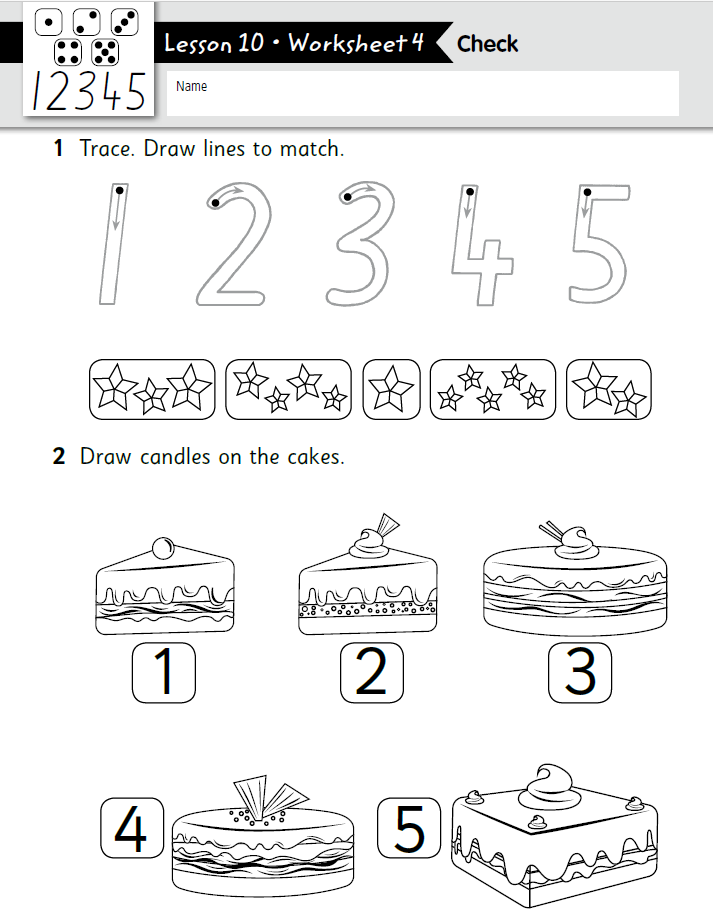
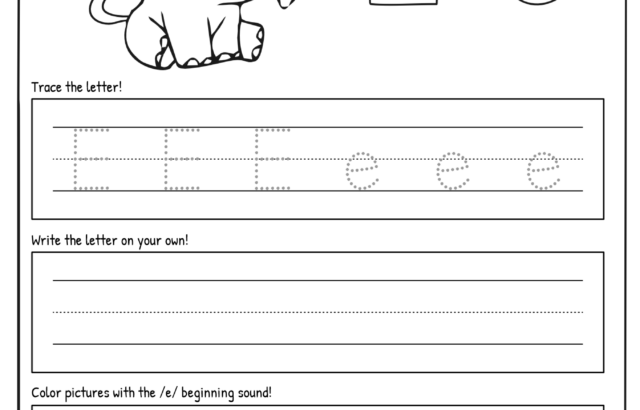
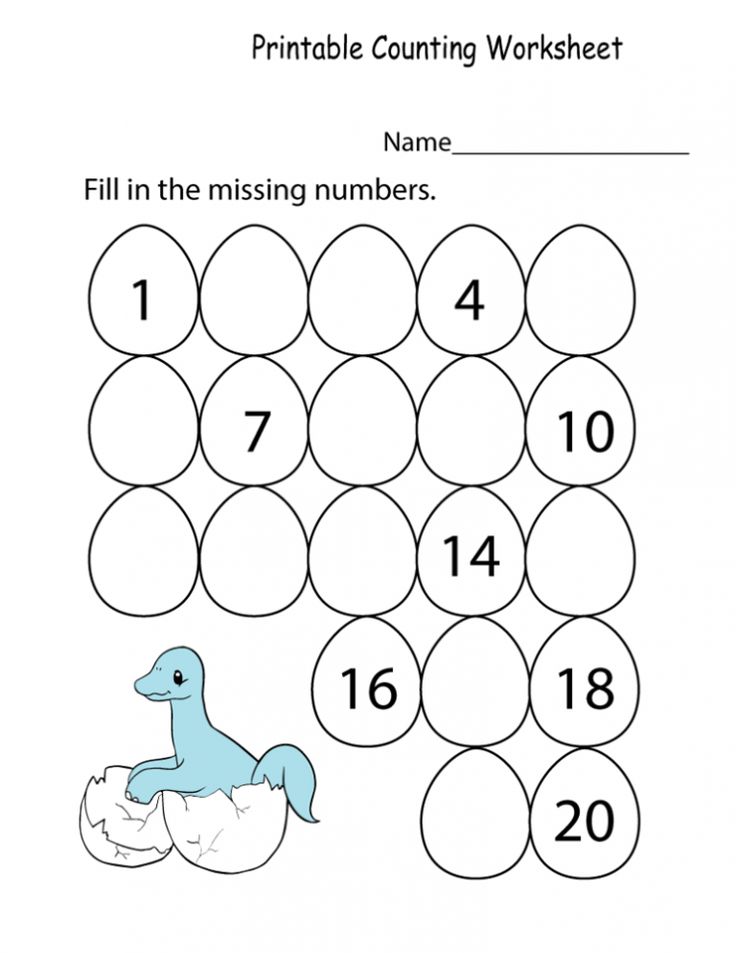
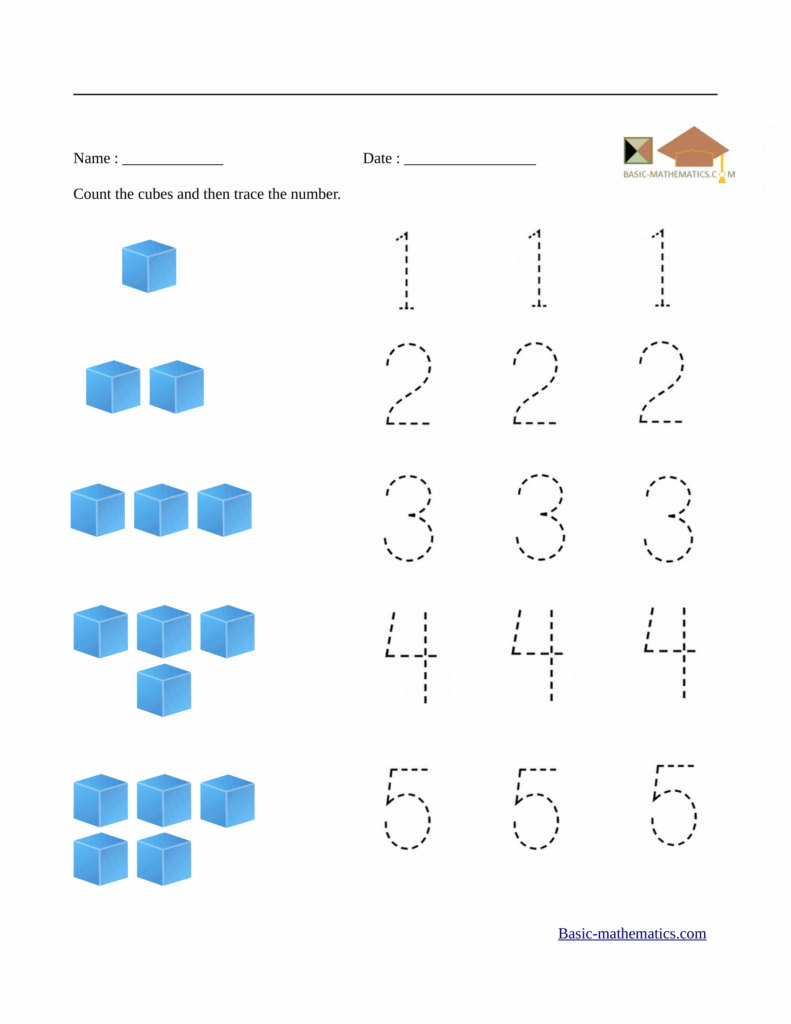
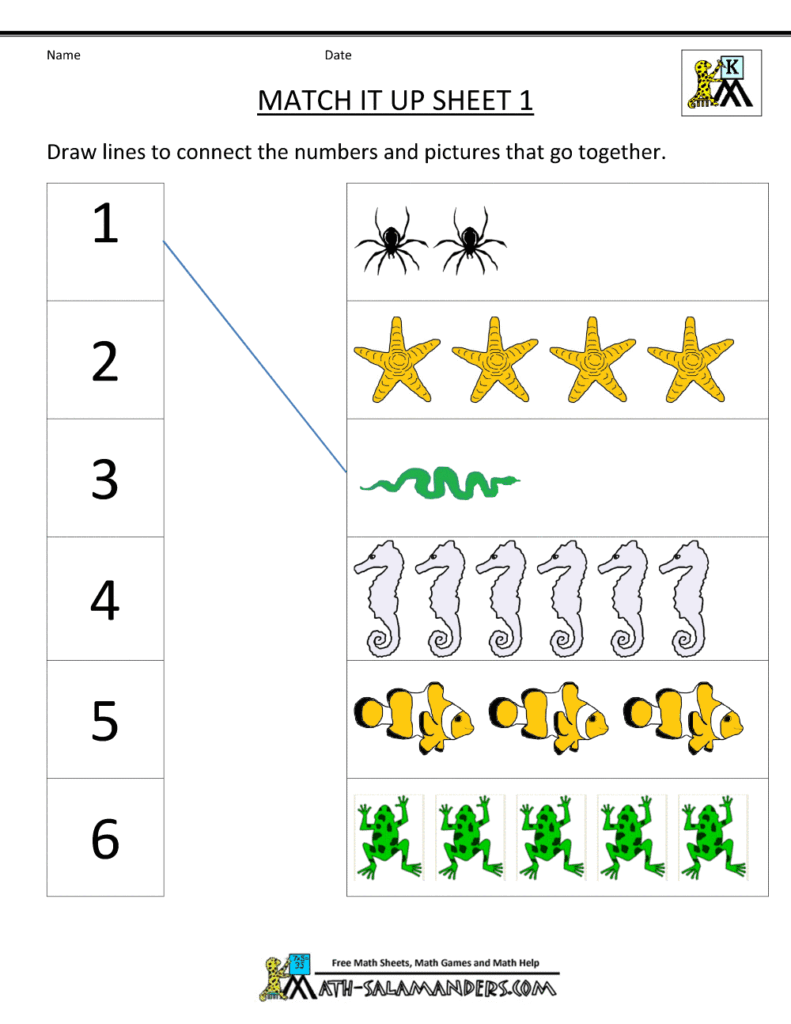
Plan a realistic routine rather than a long session. A 10-minute window, two or three times a week, is often enough for a nursery learner. If the aim is counting, you can use the worksheet for nursery maths to anchor the activity. Start with a single, concrete instruction, such as counting objects or matching shapes, then pause to check understanding before proceeding.
If the direction is misunderstood, rephrase it or demonstrate with a small prop. That moment teaches patience and reduces frustration for both sides. Difficulty can be adjusted by offering a simpler version or a tracing option, and by allowing verbal counting before writing. If the learner finishes early, have a starter extension ready, like a number line game, or switch to a quick review of yesterday's task.
Prepare what you need in advance but keep a low supply and a clear workspace to reduce clutter. Remember that the worksheet is a supplement to active learning, not a replacement for guided interaction, modeling thinking, and feedback. Repetition builds confidence and a sense of progress over time.
Timing and readiness
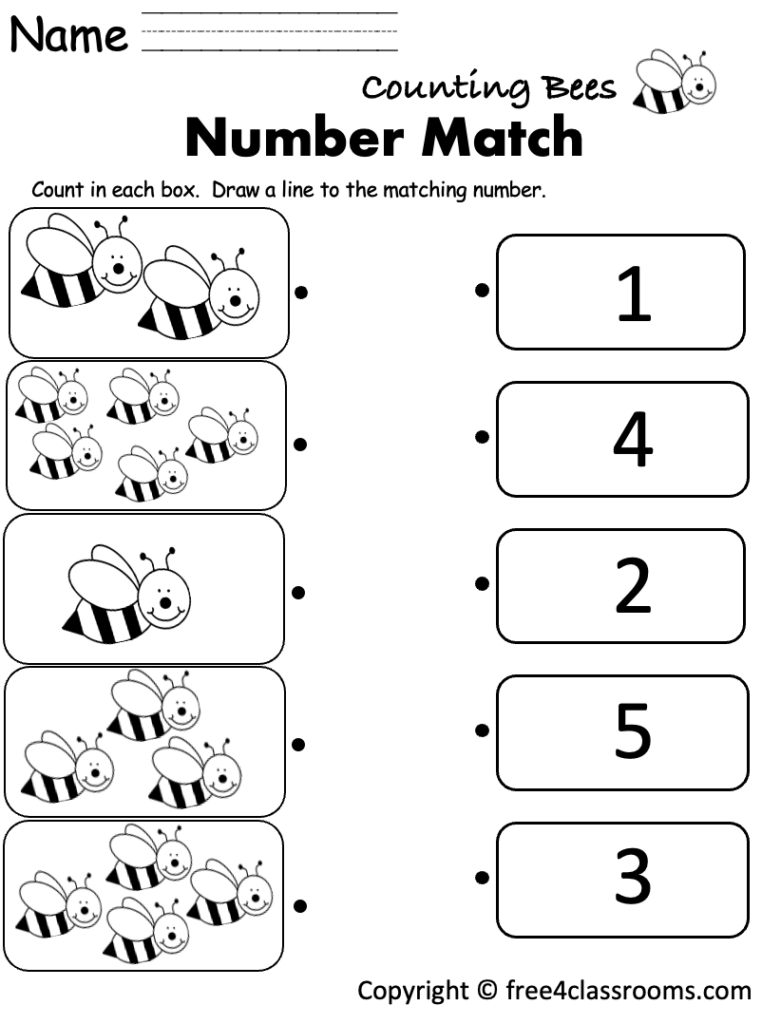
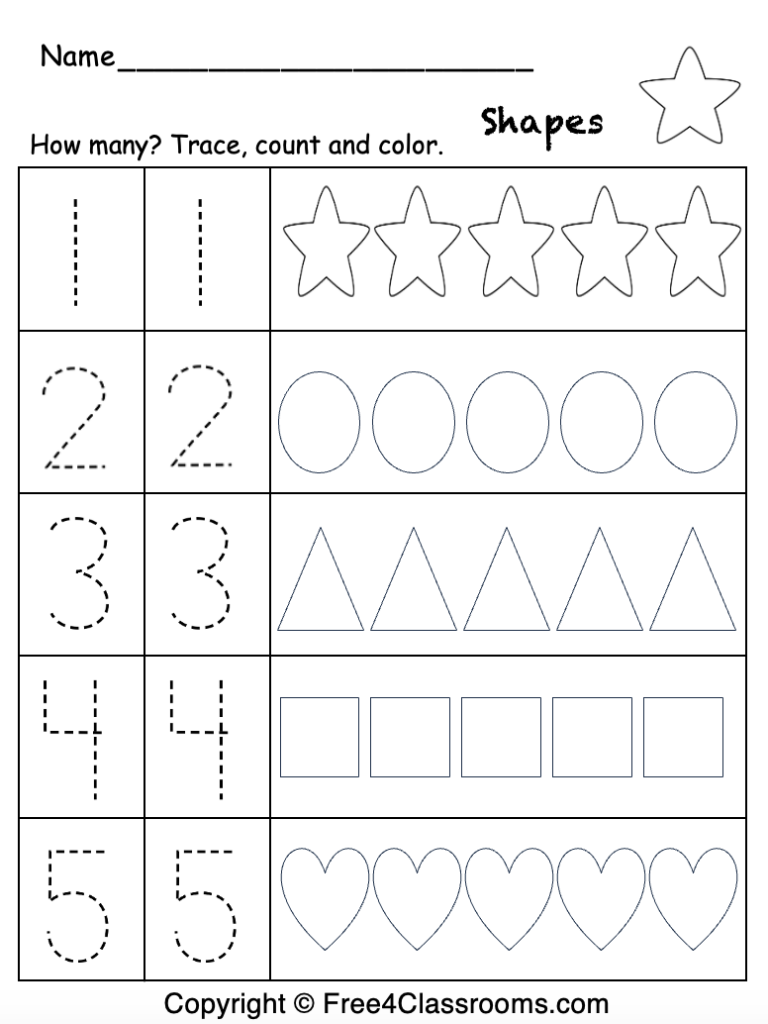
Guided support helps children attempt the task without feeling overwhelmed. Offer a prompt, then step back, inviting independent exploration. For a learner ready for more challenge, ask them to explain their steps aloud or write a small number or symbol for each answer. For someone needing more help, demonstrate the first couple of moves and trace a path with a finger or a helper tile, then gradually remove support.
Repeated practice matters, but keep it purposeful: one clear goal per session, with a quick check of what was learned. Track progress by noting what puzzled the child, what strategies worked, and what to try next time. Confidence grows when successes are small but visible, and when mistakes are treated as clues rather than failures. If a misunderstanding recurs, revisit the instruction with a new example and a different prompt.
The result should be a calm, confident learner who sees this resource as a helpful tool, not a test of worth.
Interruption management
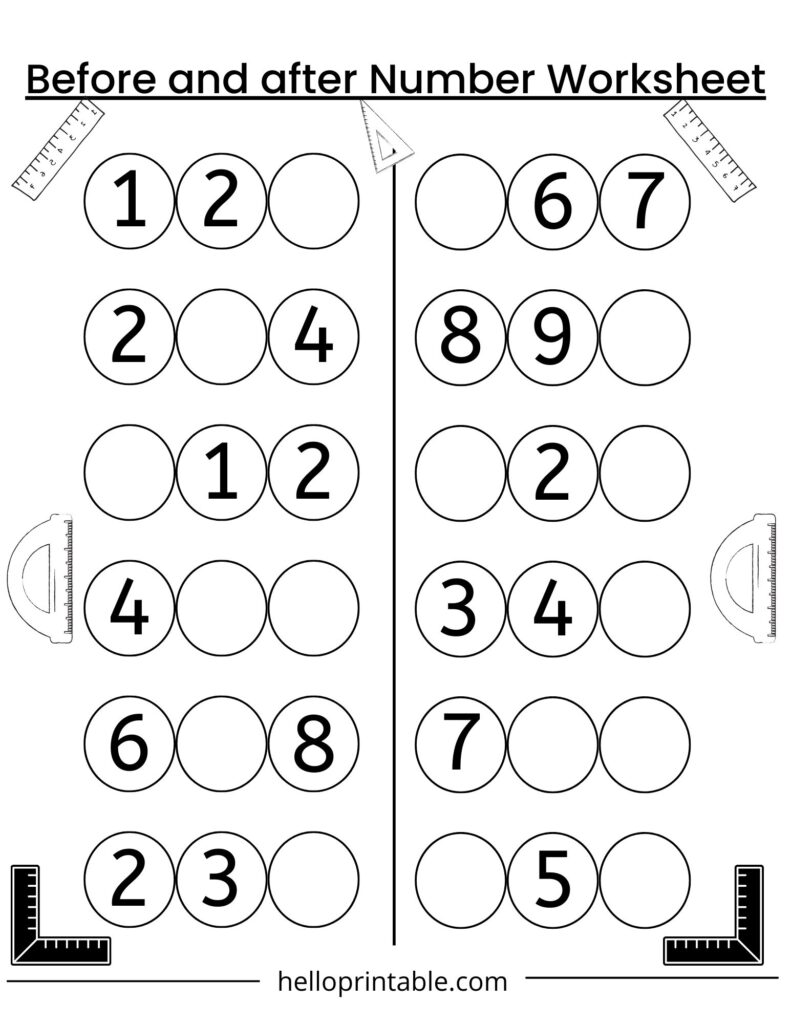
Interruption is part of home life, so plan for it. When a child stops mid task for a snack or a sibling moment, pause gracefully and resume later or adapt the task. Use simple routines, like placing the worksheet in a visible file and returning to it after a break, so the learner knows what comes next. Keep preparation time reasonable: select one task, one set of objects, and one way to record progress.
If a parent realizes the plan needs changing, it is okay to switch to a different activity that still supports number sense or shapes. Sustainment comes from small, repeatable wins: a child who can point to the same number on a card or count out three blocks twice in a row gains momentum. When the session feels off, it is better to stop early, reflect, and try again another day than to push through with tension. This learning approach remains useful today and tomorrow.
In the end, purposeful use of a worksheet for nursery maths is about balance. View it as a concrete support for home-learning that can consolidate what a child hears in other moments of play and instruction, not as the sole path to mastery. Avoid turning a page into busywork or a rush to finish; instead, align tasks with age and readiness, offer guided prompts, and celebrate small steps.
If the plan needs adaptation, adjust the difficulty, swap to a different activity, or extend the period over several days. Keeping it sustainable means you nurture focus, independence, and a sense of progress without burning out. The distinction matters: purposeful worksheet use respects a child’s pace and attention while acknowledging that real learning happens through interaction, exploration, and meaningful practice.
The resource remains a central recurring support, but it should complement conversations, play, and hands-on exploration, not replace them. The takeaway: use worksheets as a thoughtful, limited, and responsive tool rather than more work for its own sake.