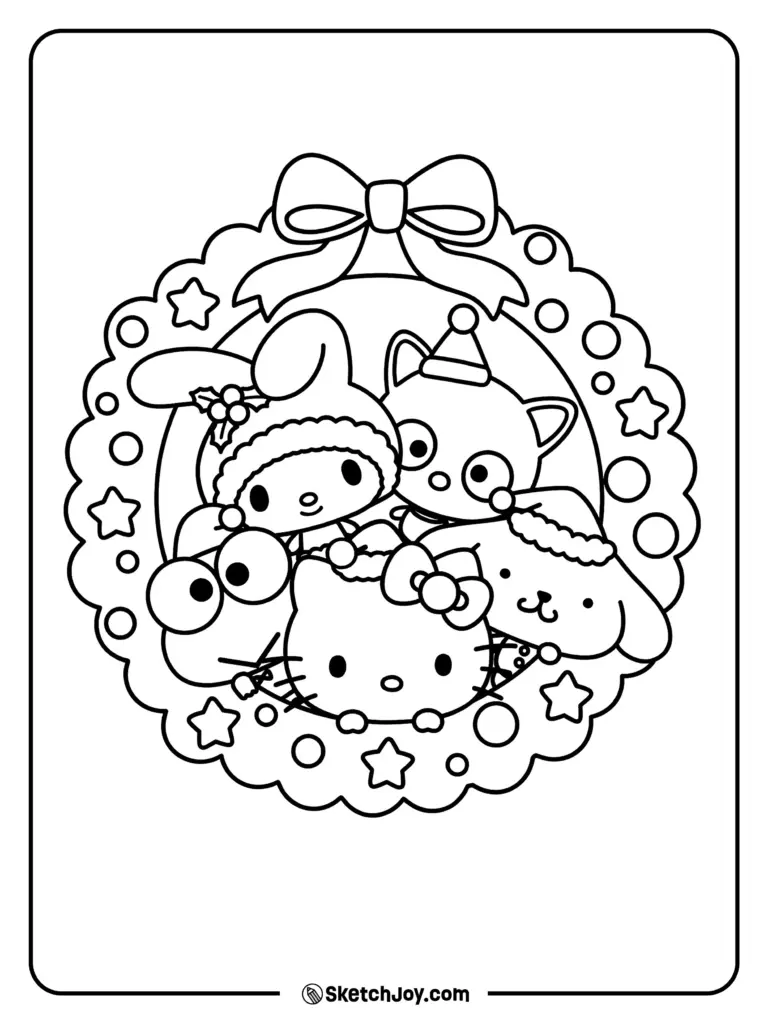
Hello Kitty worksheets are a simple way to make practice feel more inviting for young children at home, in the classroom, or during quiet activity time. The best options usually combine a familiar character with basic learning or fine-motor tasks, such as coloring, tracing, matching, counting, and easy puzzles. Choosing well means matching the worksheet to the child’s age, attention span, and skill level.
Common Worksheet Types
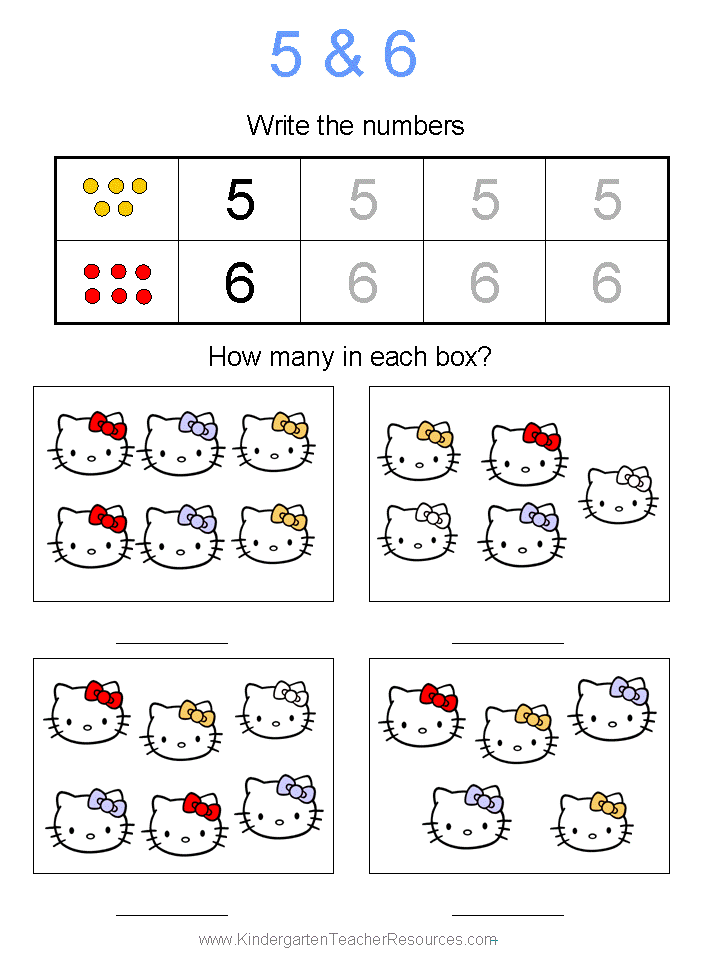
Most Hello Kitty worksheets fall into a few familiar categories. Coloring pages support creativity and hand control, while tracing sheets help children practice lines, letters, or numbers. Counting worksheets often use pictures or objects to build early math awareness, and matching pages can focus on shapes, letters, patterns, or same-and-different tasks. Simple puzzles, such as mazes or spot-the-difference activities, add a small challenge without becoming overwhelming.
These formats work especially well because the character makes repetitive practice feel more approachable. When choosing among them, think about the skill you want to support first, then pick the worksheet type that best fits that goal.
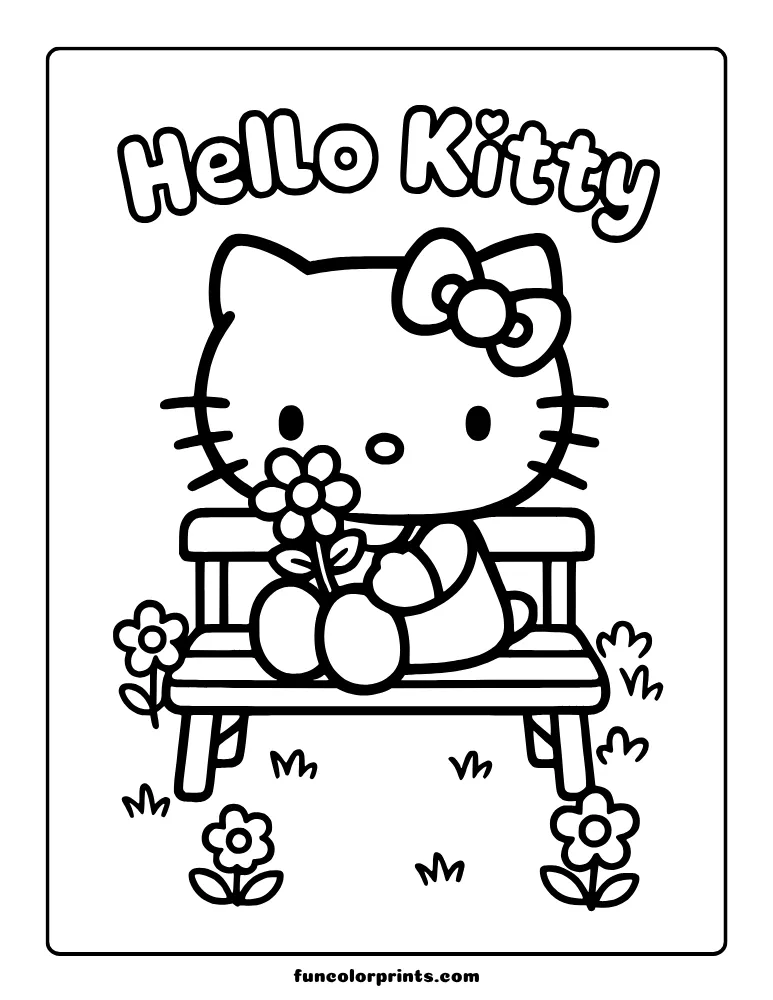
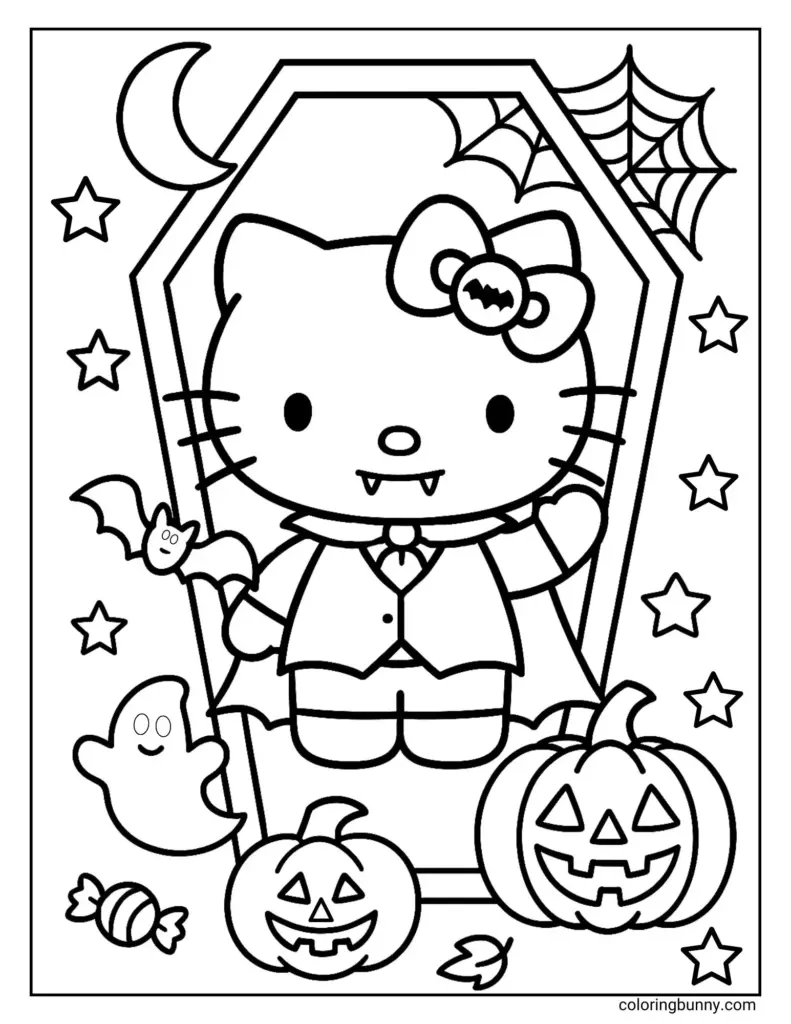
Age is one of the most important filters when selecting Hello Kitty worksheets. Younger preschoolers usually need large images, thick lines, and very short tasks, especially if they are still building pencil grip and focus. Older preschool or early elementary children can handle more detailed coloring, number practice, letter tracing, and slightly longer matching or puzzle pages. It also helps to consider the intended use.
A quick activity sheet for home may be more open-ended, while classroom use often works best with clear directions and limited clutter. For independent practice, choose sheets with simple instructions; for younger children, plan to stay nearby and guide them as needed.
Practical Buying Tips
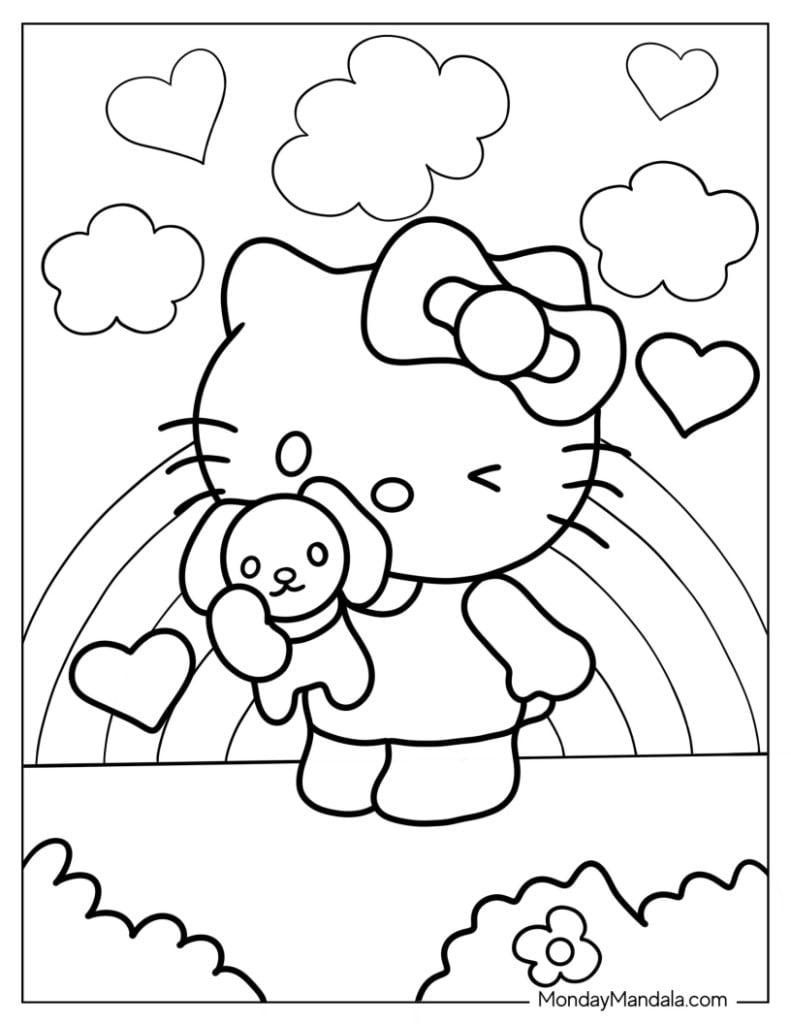
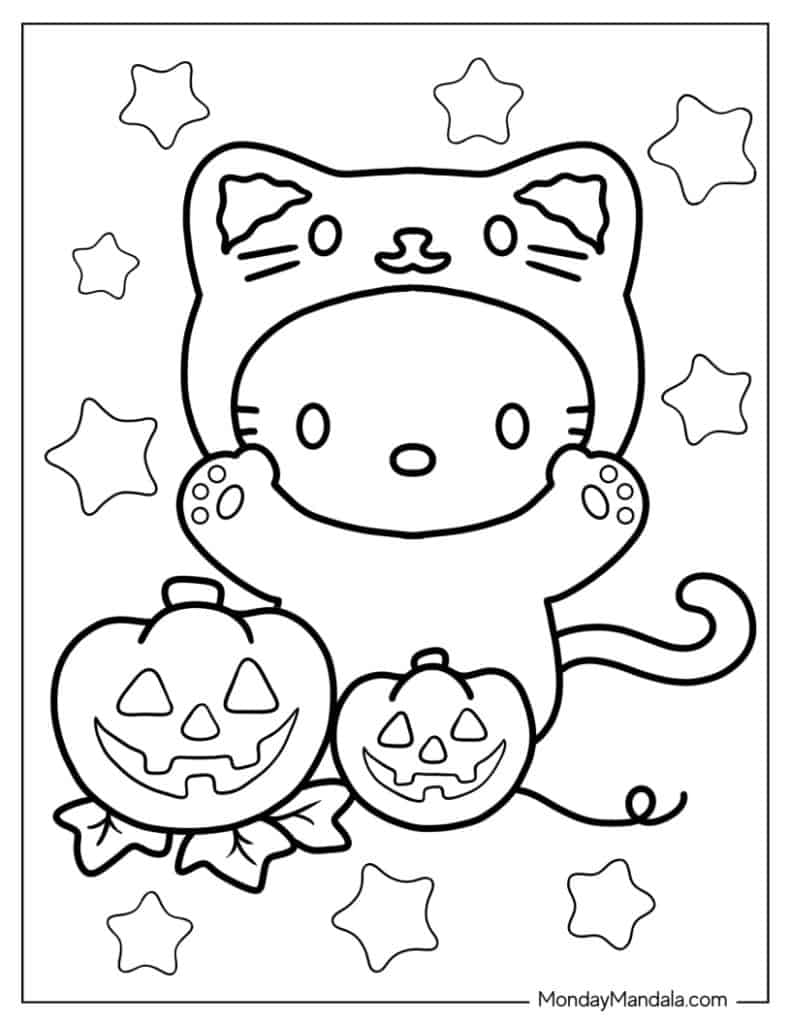
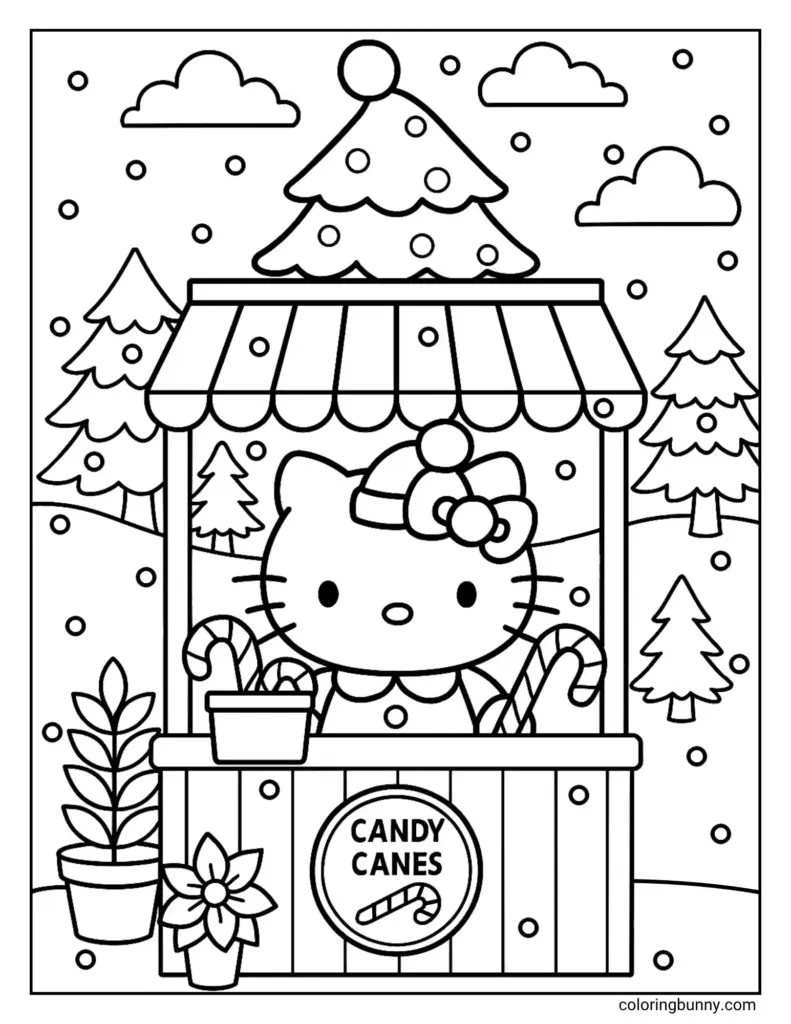
A good Hello Kitty worksheet should be easy to print, visually clear, and suited to the child’s reading and motor skills. Look for high-contrast lines, uncluttered layouts, and enough space for tracing or coloring without crowding. Printable formats are especially useful because they can be reused as needed and sorted into age-based sets. For children who are still very young, supervision matters because scissors, small details, or long directions may be frustrating.
The best choice is the one that matches both the skill being practiced and the amount of help available. If you start with a simple worksheet and adjust from there, it is easier to keep the activity fun and age-appropriate.