Biology coloring pages are a simple way to make science feel approachable. The best pages usually turn complex subjects into clear outlines that are easy to color, while still showing the parts students need to notice. Whether the goal is quiet entertainment or a light learning activity, the most useful pages balance visual appeal with accurate, recognizable biology topics.
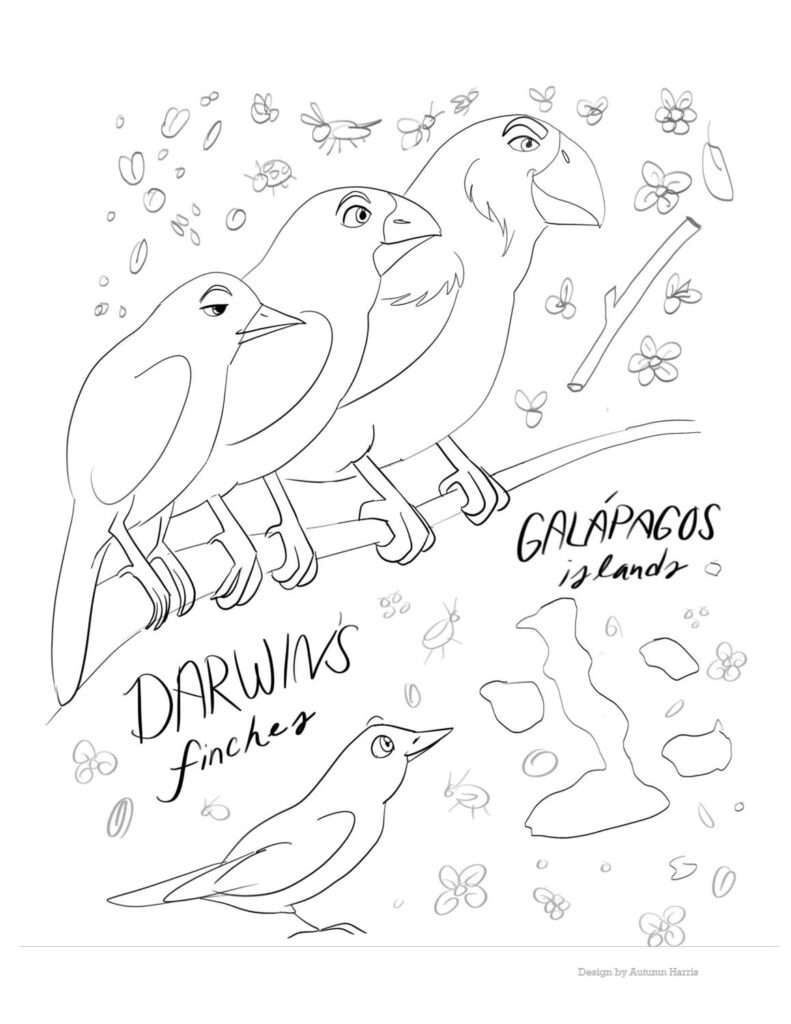
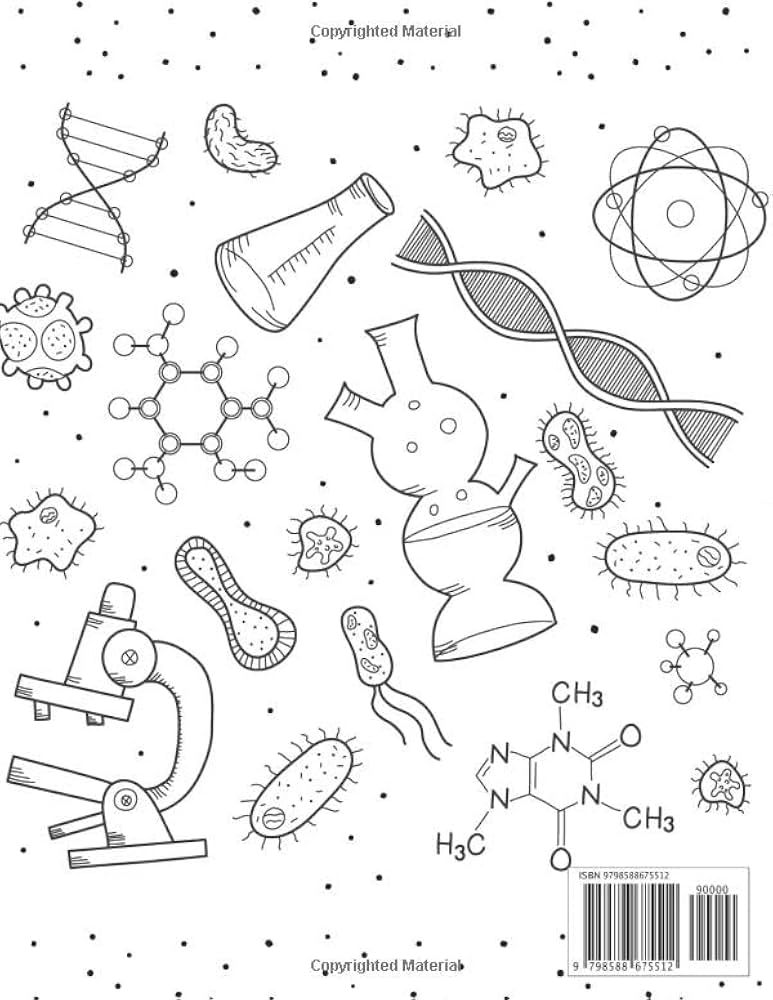
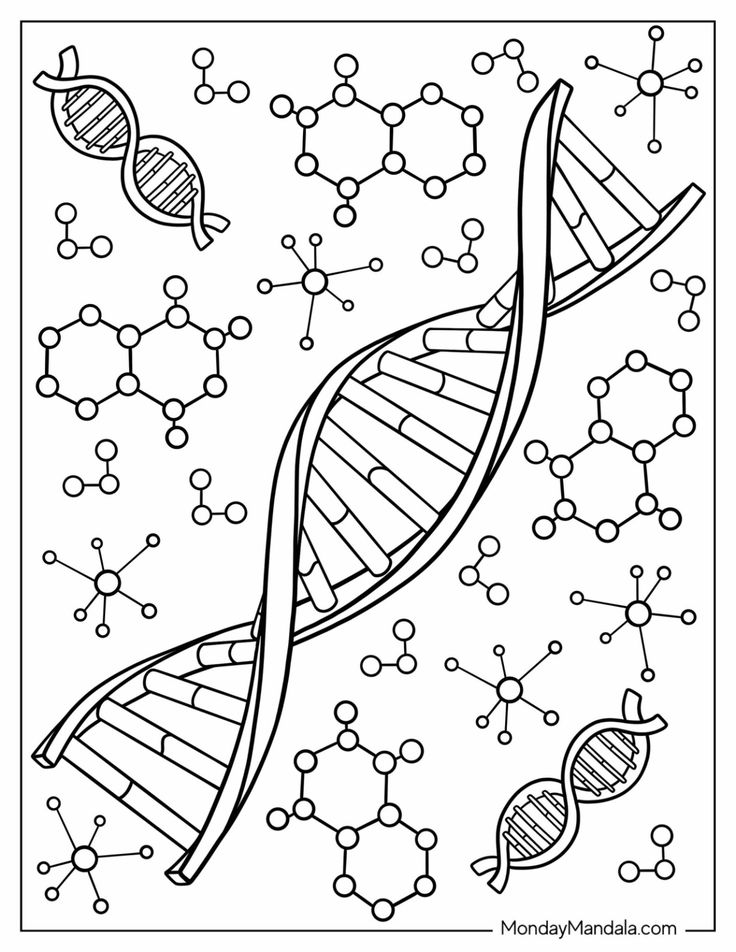
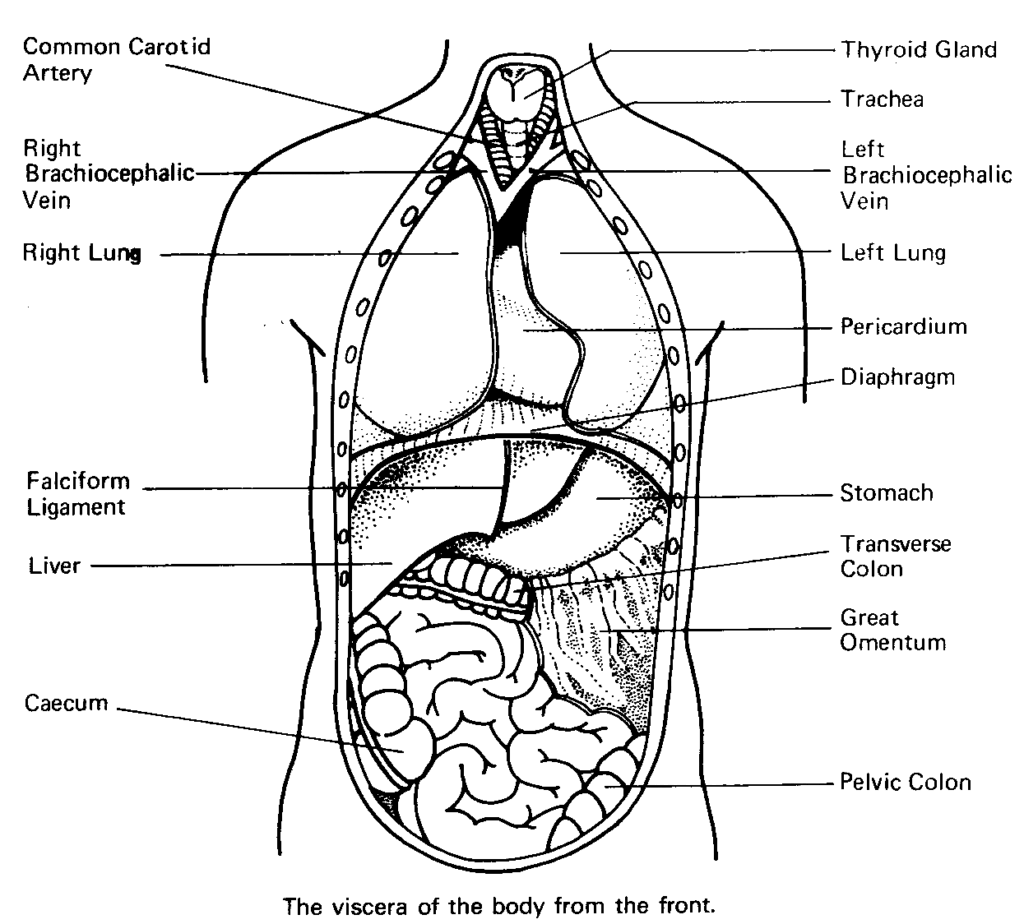
Common biology coloring pages focus on subjects people can easily identify at a glance. Cells are popular because their parts can be labeled and colored in different ways. Plants often appear as flowers, leaves, roots, and seed cycles, while animals may show life stages, habitats, or body features. Many pages also cover human body systems, such as the skeleton, digestion, or circulation, plus microscopes and lab tools. These topics work well because they connect colorful visuals with real science vocabulary.
Choosing Age-Right Details
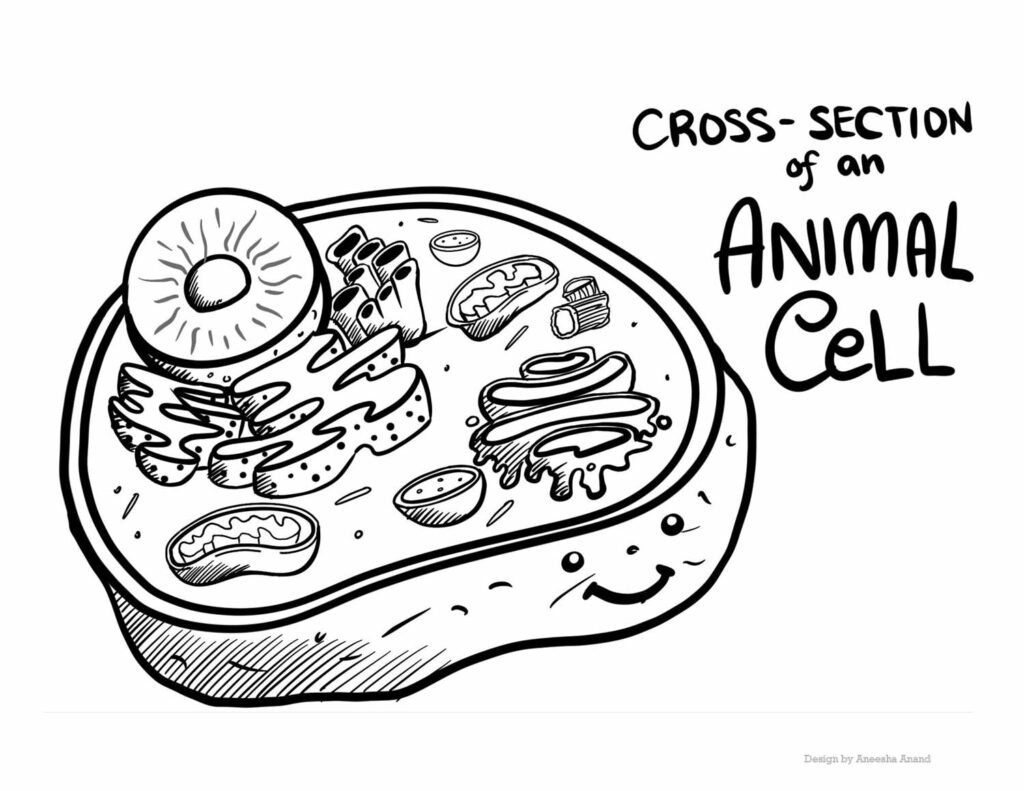
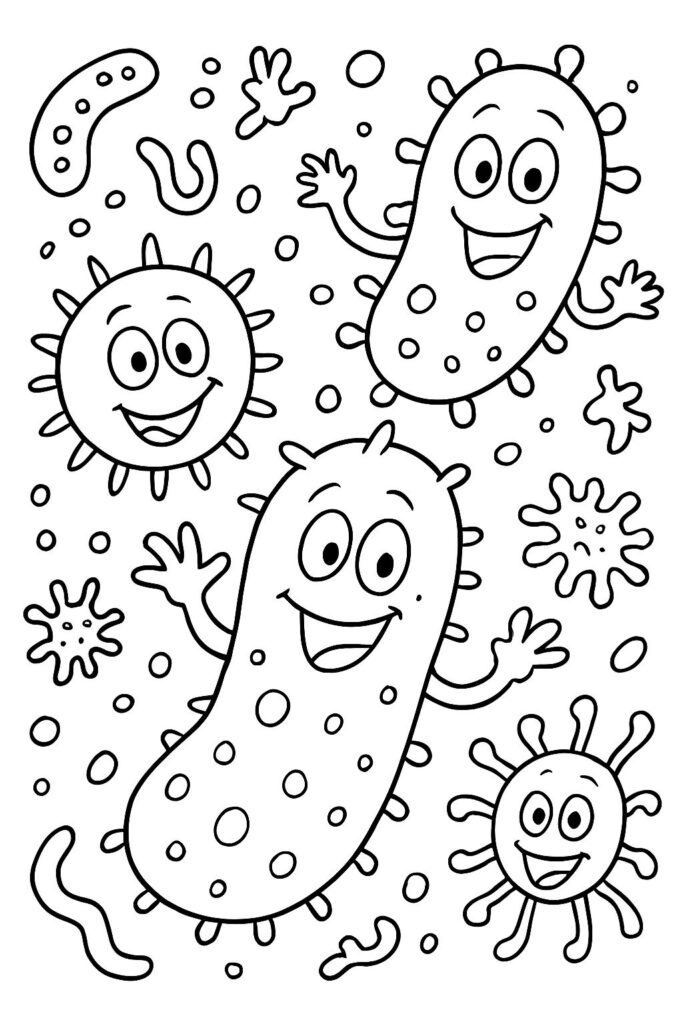
Age-appropriate pages usually match the child’s fine-motor skills and attention span. Younger children do best with large shapes, bold outlines, and fewer tiny sections, so the page feels fun instead of frustrating. Older kids can handle more detailed diagrams, smaller labels, and scientific terms. For learning, look for pages that clearly name parts of the cell, plant, animal, or body system. Simple labeling helps children connect what they color to what they are studying without making the page feel crowded.
Best Uses at Home or School
For classrooms, choose biology coloring pages that support a current topic and are easy to display or discuss briefly afterward. In homeschool settings, they can reinforce a lesson without adding much setup, especially when paired with a short read-aloud or observation activity. At home, they work well as screen-free entertainment that still feels purposeful. If you want the page to be more educational, pick one with clean labels and enough detail to invite questions. If you want relaxation, choose a simpler page with bigger open spaces.
A good biology coloring page should be clear, engaging, and matched to the learner’s age and goal. Pages with accurate shapes, sensible labels, and the right level of detail are the most useful because they teach while still feeling creative. If you are browsing for one today, start with the topic you want most—cells, plants, animals, body systems, or microscopes—and then narrow by detail level. That makes it easier to find a page that is both fun and genuinely helpful.