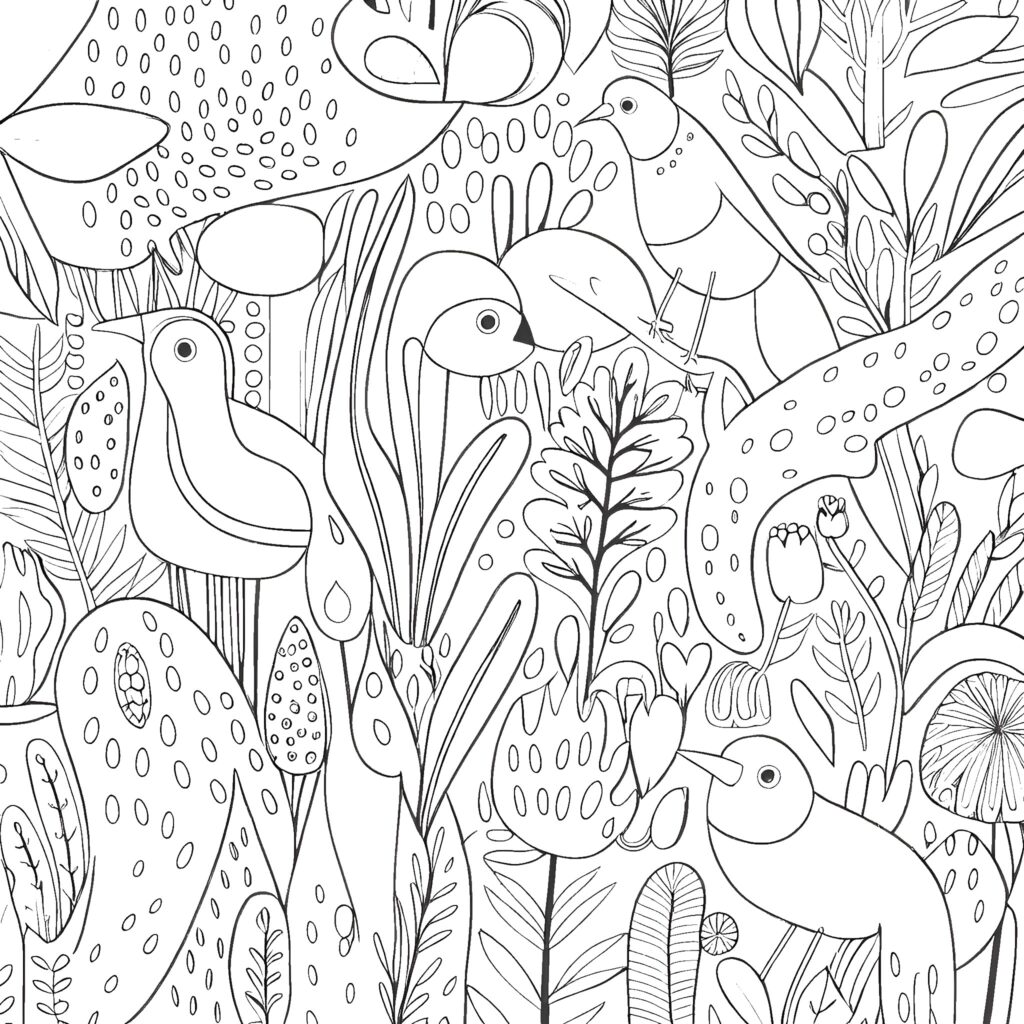
Extremely hard coloring pages are made for people who want a real challenge, not a quick fill-in activity. They usually pack a page with tiny shapes, layered patterns, and detailed scenes that demand careful attention. If you are trying to judge whether a page is truly difficult, look first at how crowded the lines are and how much open space is left to color.
What Makes Them Hard
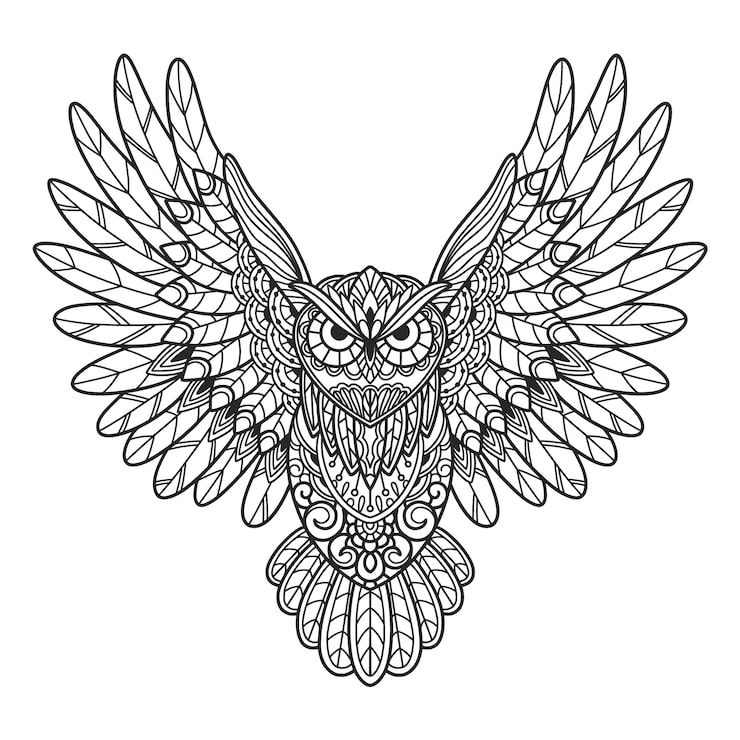
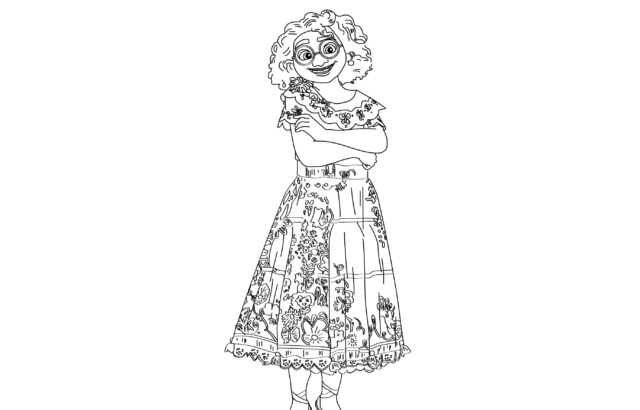
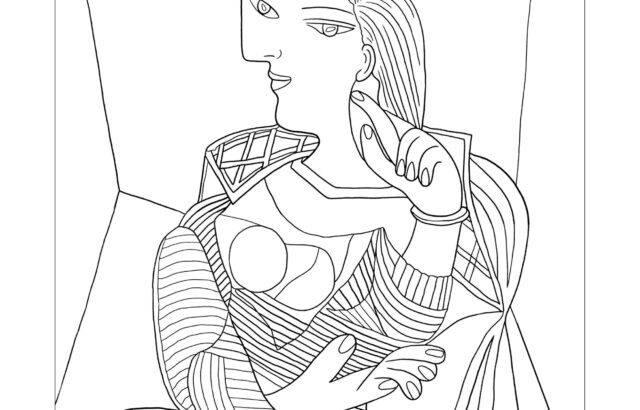
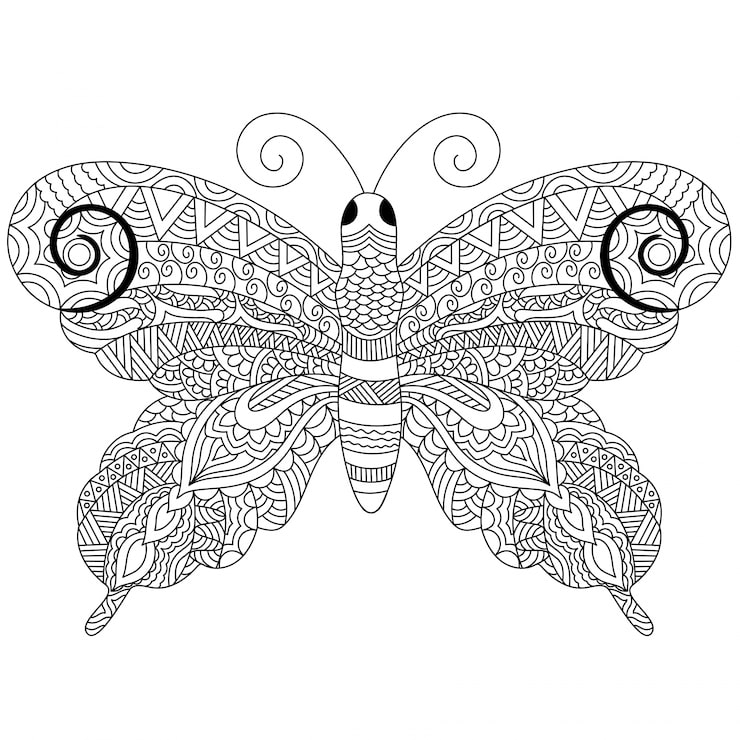
A page qualifies as extremely hard when the design creates constant pressure for precision. Small spaces are one sign, but so are tightly packed borders, repeated pattern blocks, and images where foreground and background blend together. Mandalas and zentangle-style pages are common examples because they can contain dozens of miniature sections. Highly detailed city scenes, fantasy art, or ornate animals can be just as demanding when every area is finely segmented.
Who They Suit Best
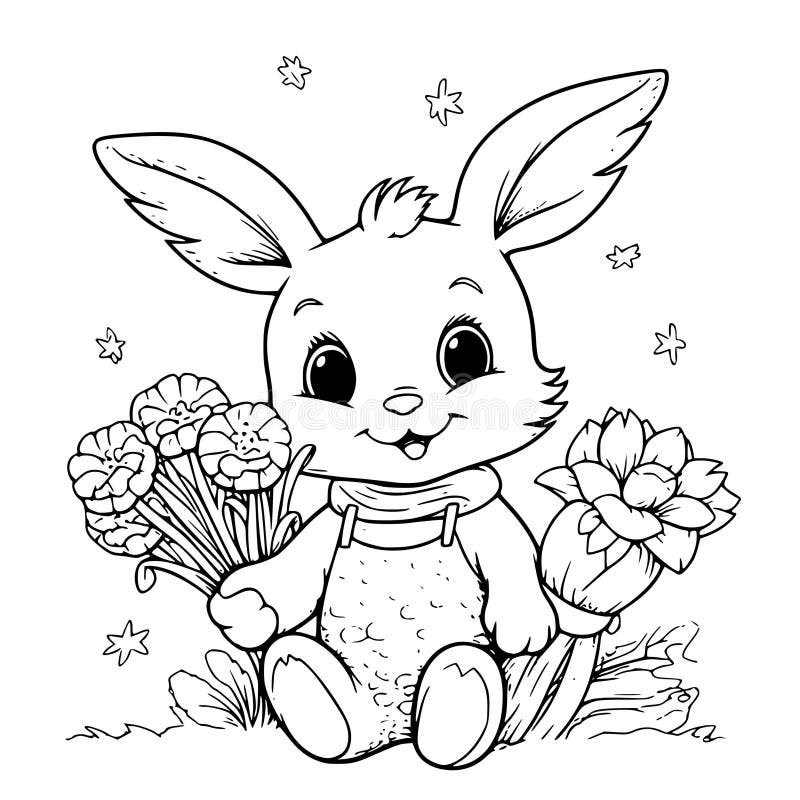
These pages are best for teens and adults who enjoy a slow, absorbing coloring project. They fit colorists who want to focus for a long stretch, not younger children looking for broad areas and simple outlines. A page can be challenging without being messy, so the best match is usually someone who likes visual complexity, patience, and the satisfaction of finishing intricate linework rather than a fast result.
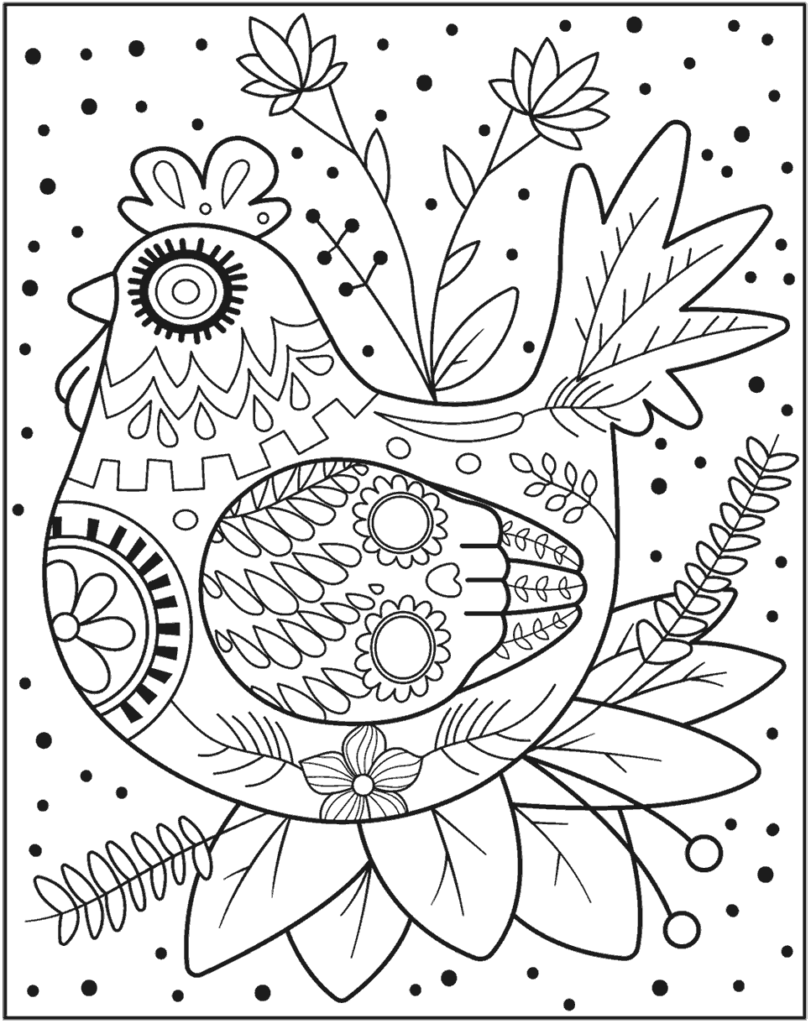
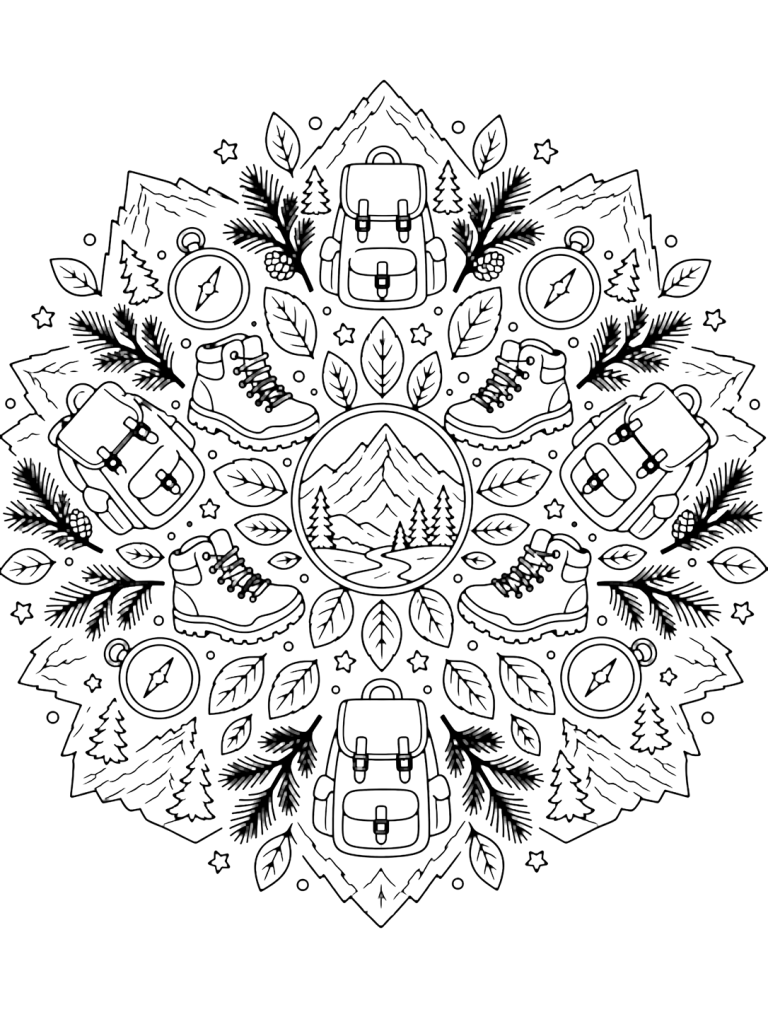
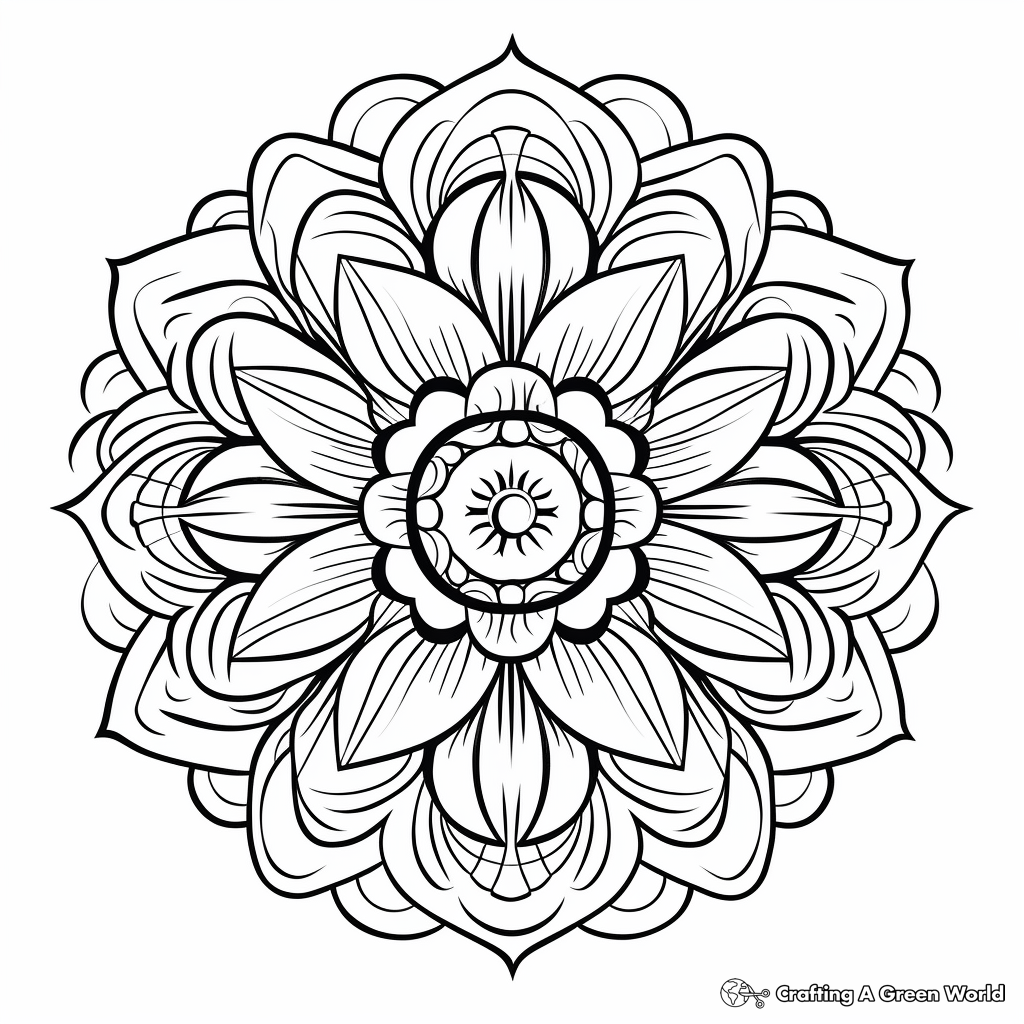
Before you download or print, scan the page for visual density. If most of the surface is filled with linework and there are very few large open shapes, the page will likely feel hard. Also check whether the outlines are thin, crowded, or nested inside other shapes, since those features make it harder to stay within boundaries. A genuinely extreme page should look detailed at a glance and even more demanding up close. That quick preview is the simplest way to choose the right challenge.