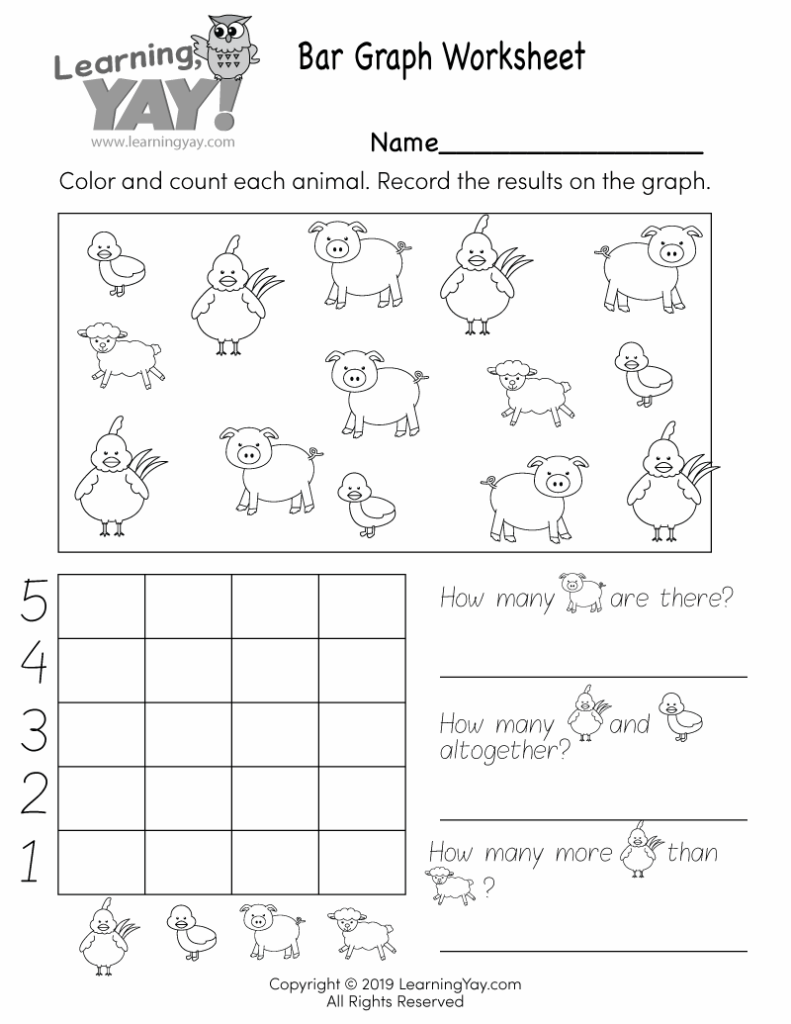
Choosing a math worksheet for a first grader matters as much as the numbers on the page. The real test is whether a child can begin without an adult translating every instruction. This article centers on the question: can the intended learner recognize what to do first? That means looking past color and icons to what the page asks you to do first. We’ll explore accessibility signs that fit 1 grade math worksheets.
A practical starting question
Can the learner recognize what to do first without translation? A genuinely beginner-friendly page starts with an explicit first action. Look for a single, active instruction at the top, such as ‘Circle the two numbers that add to 5’ or ‘Count the apples and write the total.’ Each item should follow a consistent pattern so the first step is obvious without rereading the page.
If the child can articulate the initial action in their own words, the task feels controllable. Avoid setups where the first action is buried in a sentence, or where two different actions share the same line. An illustrative situation might present a simple array of objects with a short, clear directive. If the directive changes mid-page or requires a reader to infer the first move, the page is unlikely to support independent work.
The goal is to let a child begin confidently and proceed with only minimal guidance.
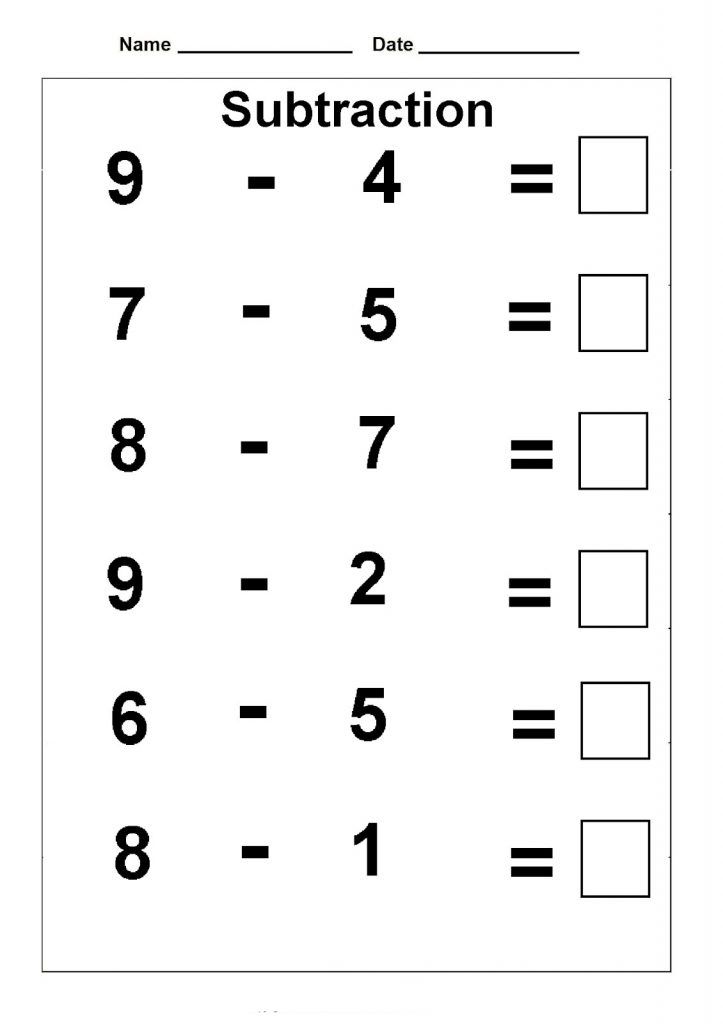
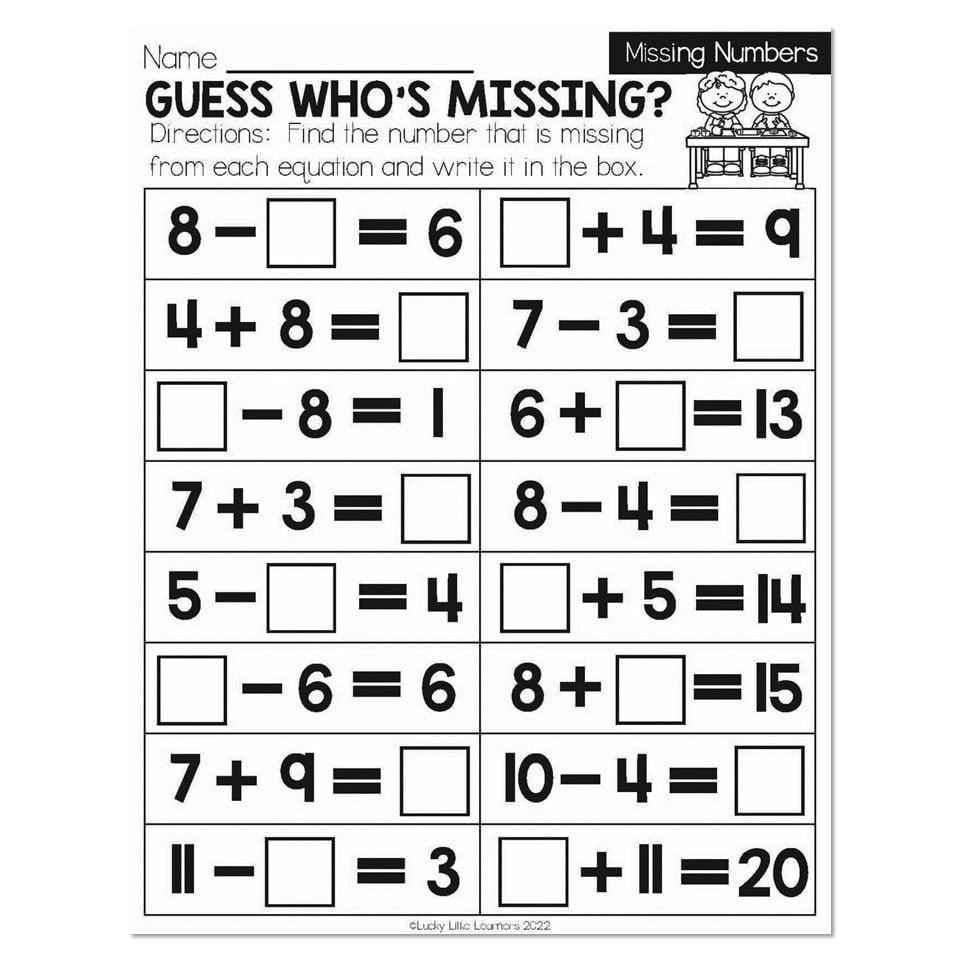
Accessible visuals: clear instructions, manageable workload. What makes a page visually accessible for 1st graders? The right page uses clear, direct language, a legible font, and generous white space. The first row should not be crowded with more than 4–6 items; the entire page typically keeps problems to a small group, perhaps 6–8 tasks, to avoid fatigue. Use consistent symbols, like a circle for counting or a checkbox for answers, and place the action near the center so the eye naturally rests there.
Avoid busy backgrounds, intricate borders, or multiple colors that distract rather than aid understanding. For motor skills, prefer simple actions: circling, ticking, writing a numeral, or pointing to a number line. Word problems should stay within brief, age-appropriate language and object-focused context (like apples, coins, or sticks). The page should feel doable in one sitting, with a clear end and visible progress, not a wall of tiny, dense tasks.
Fast screening checklist
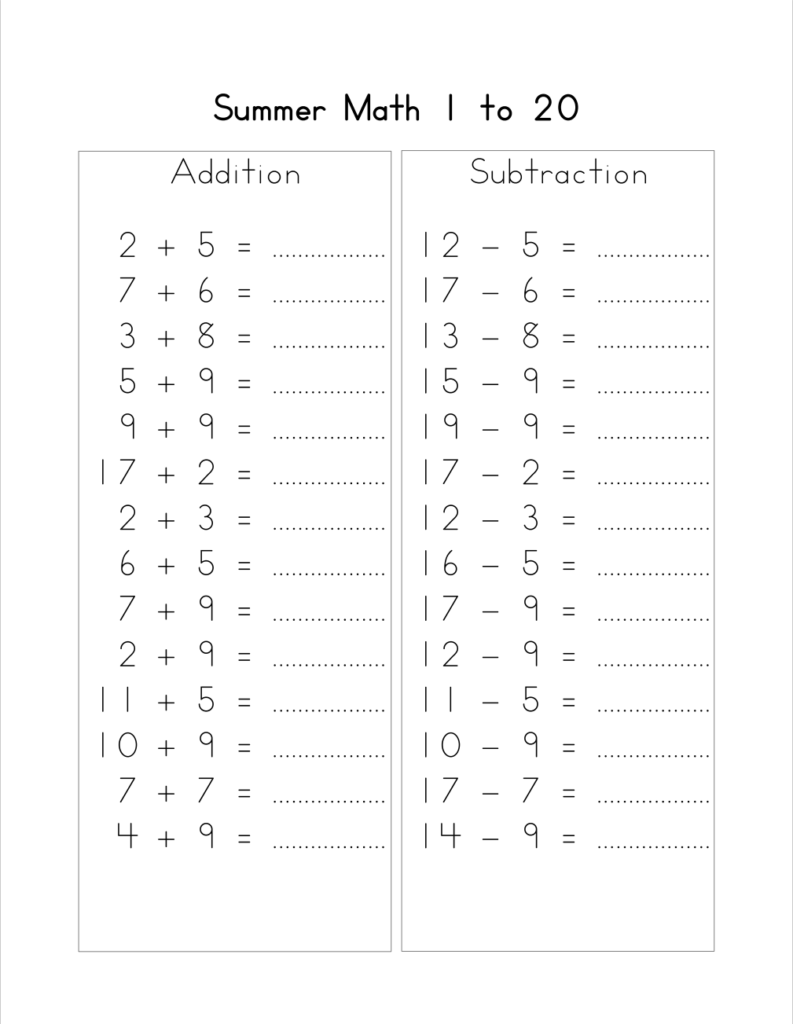
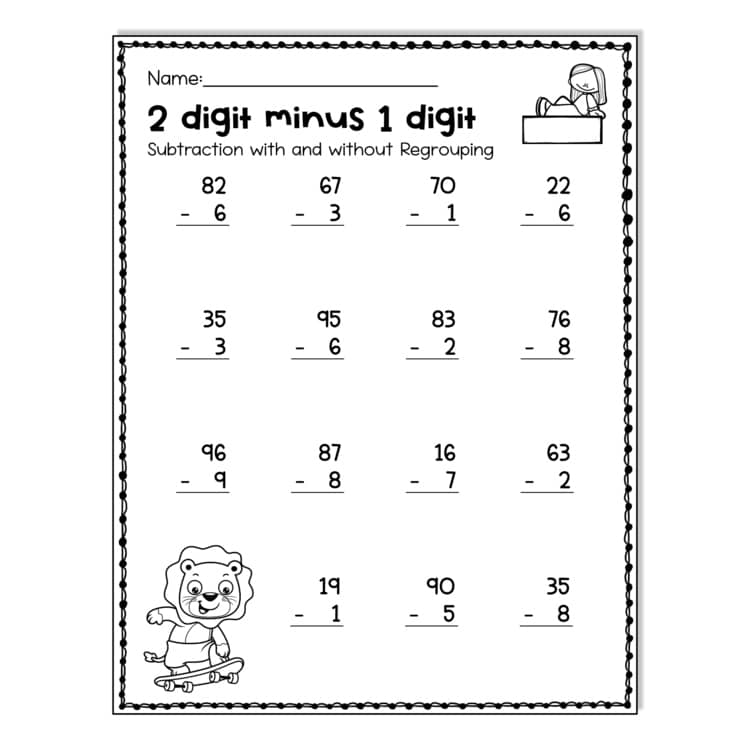
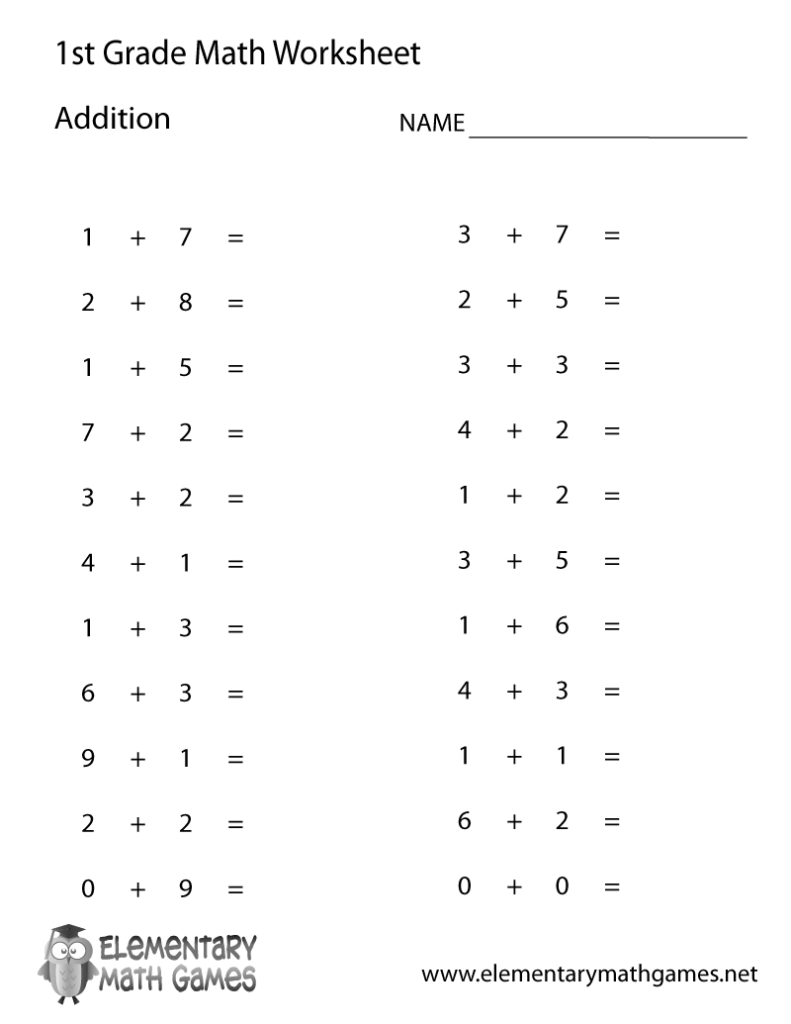
Even a visually simple page can demand more than it seems. A page may look calm while embedding a multi-step action, a mental math expectation, or a vocabulary trap. Watch for items that mix counting with writing, or that require deciding yes or no after a short calculation in the same line. Word problems can trip readers who must interpret language or identify key terms like ‘difference’ or ‘total’ without straightforward examples.
Look for long sentences, unusual phrasing, or diagrams that require following several arrows to reach an answer. For motor demands, check whether many problems require sustained handwriting, small gaps between boxes, or tiny circles to trace. The practical test is to separate cognitive demands from visual ones: if the child can complete a single operation without cross-referencing other steps, the page is more likely to be appropriate for 1st grade math worksheets. If not, choose a simpler anchor page or split the task into smaller parts.
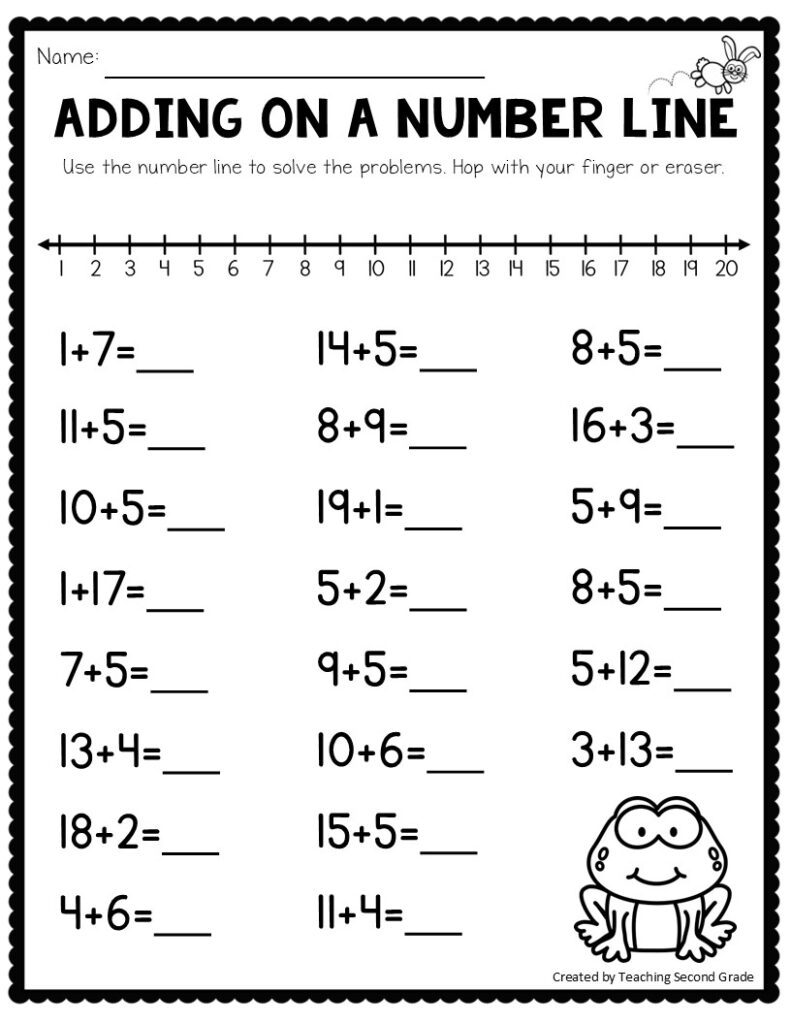
Conclusion and selection principle: Start with pages that invite a confident, independent start. Selection principle: Choose pages whose first instruction is explicit and single-step, with a tidy layout and 6–8 problems. Before committing, test with the learner by asking them to name or demonstrate the first action. If they can initiate without translation and the rest of the page follows a predictable pattern, the page is likely appropriate for 1 grade math worksheets.