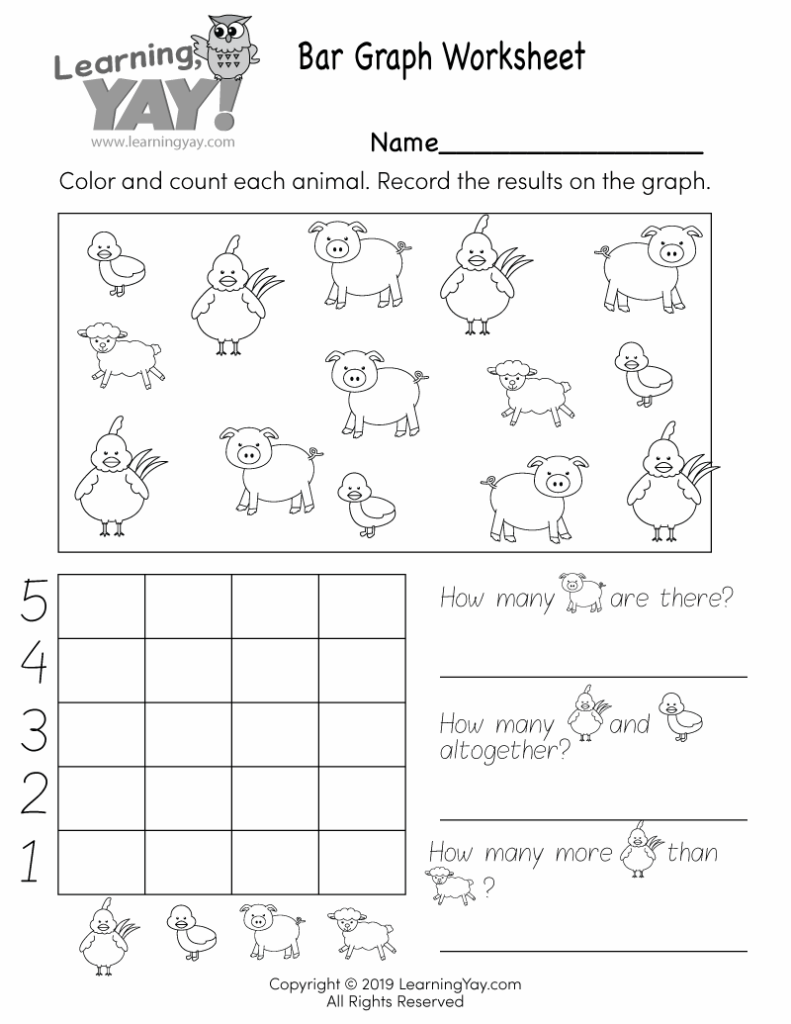
A 1 st grade math worksheet should give young learners focused practice with the skills they are expected to know early in elementary school. The best worksheets usually cover counting, number recognition, simple addition and subtraction within 20, comparing numbers, and basic shapes or patterns. A good worksheet should feel manageable, clear, and age-appropriate so a child can work independently or with light support.
Core first-grade skills
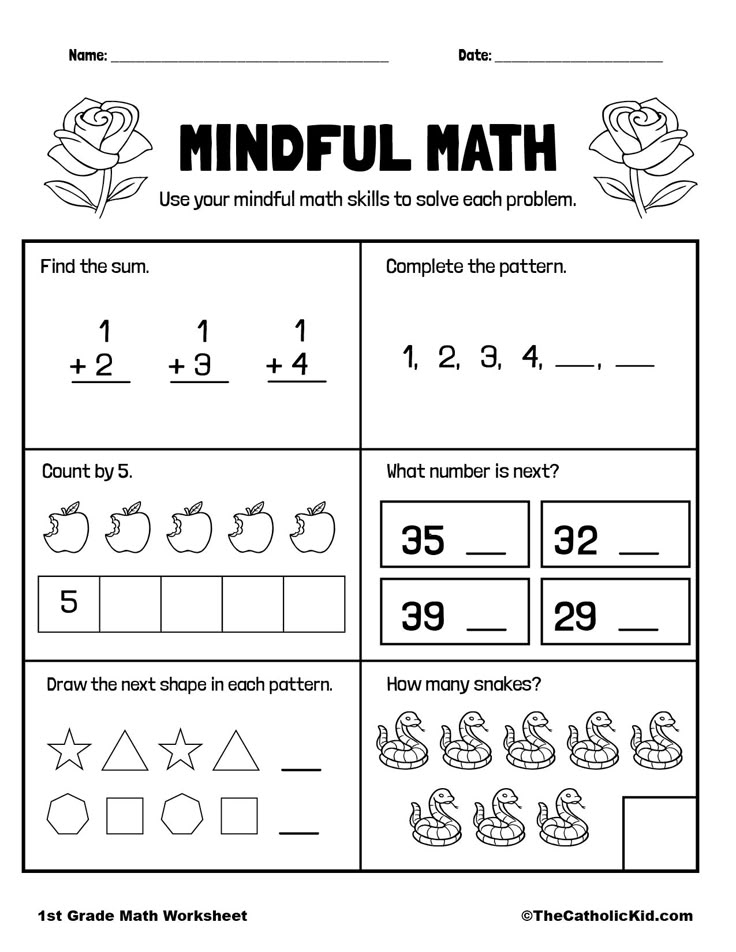
Look for worksheets that match the main first-grade math goals. Counting objects, filling in missing numbers, and identifying greater than or less than are useful for number sense. Addition and subtraction problems should stay within 20 and use simple formats, such as number sentences or picture-based questions. Some worksheets may also include sorting shapes, extending patterns, or recognizing common geometry terms. These topics help build a strong foundation without overwhelming a beginning learner.
Choosing the right level
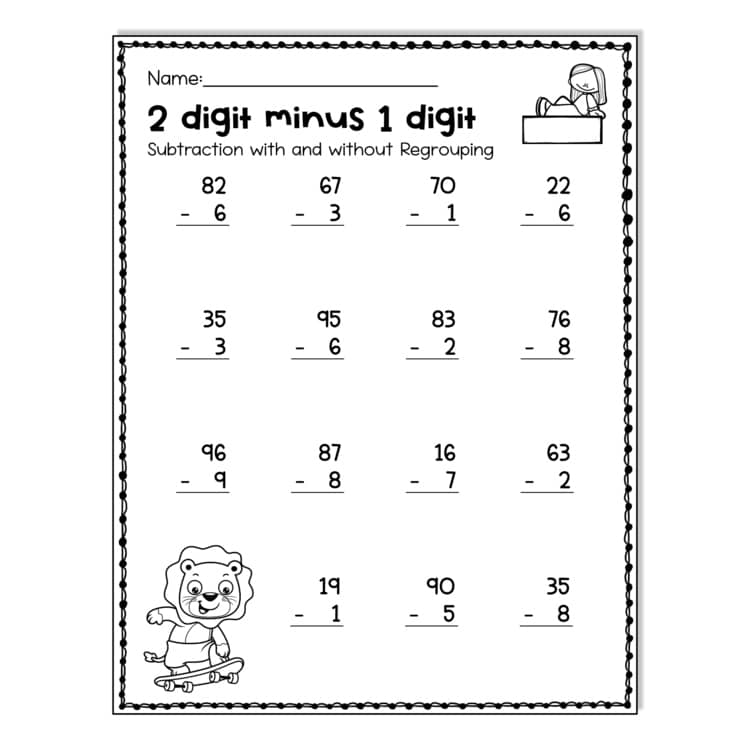
The best worksheet matches the child’s readiness. If a skill is new, choose single-skill practice so the child can focus on one idea at a time, such as counting by ones or solving one-step addition. If the skill is familiar, a mixed review page can help check understanding across several topics. Avoid pages that combine too many different tasks too soon, since that can turn practice into frustration instead of confidence-building.
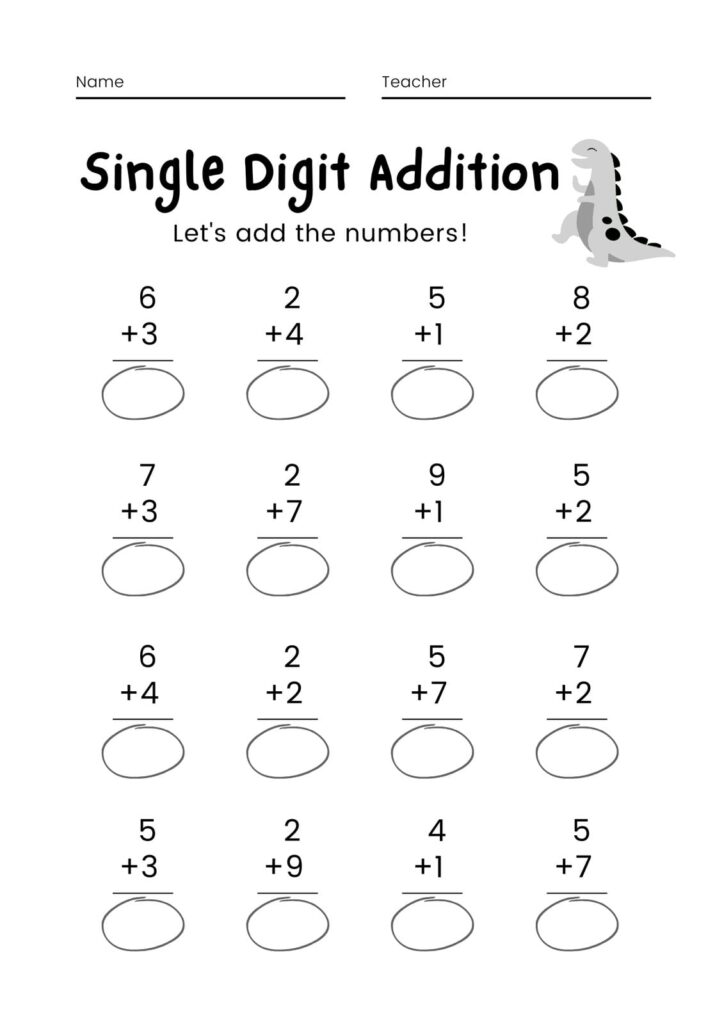
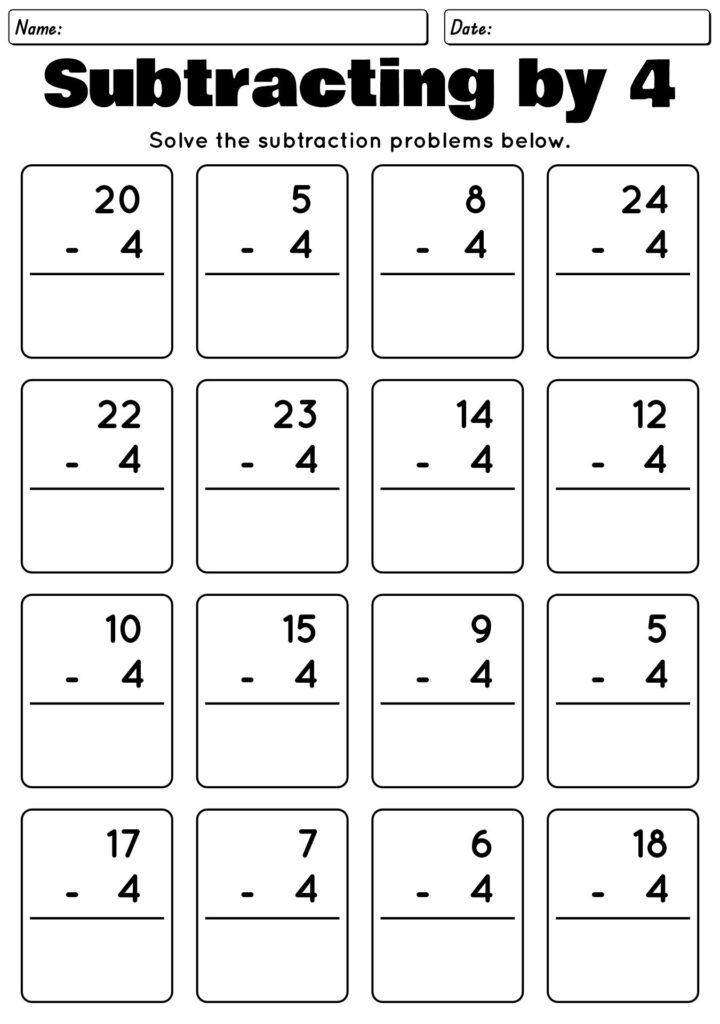
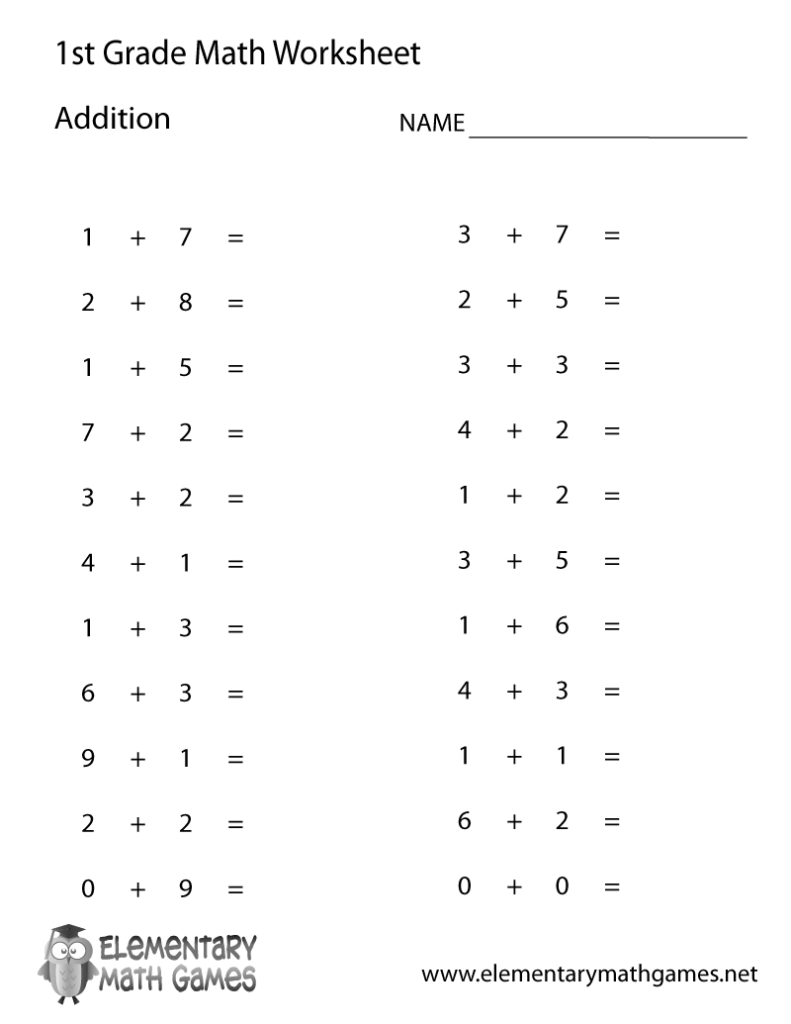
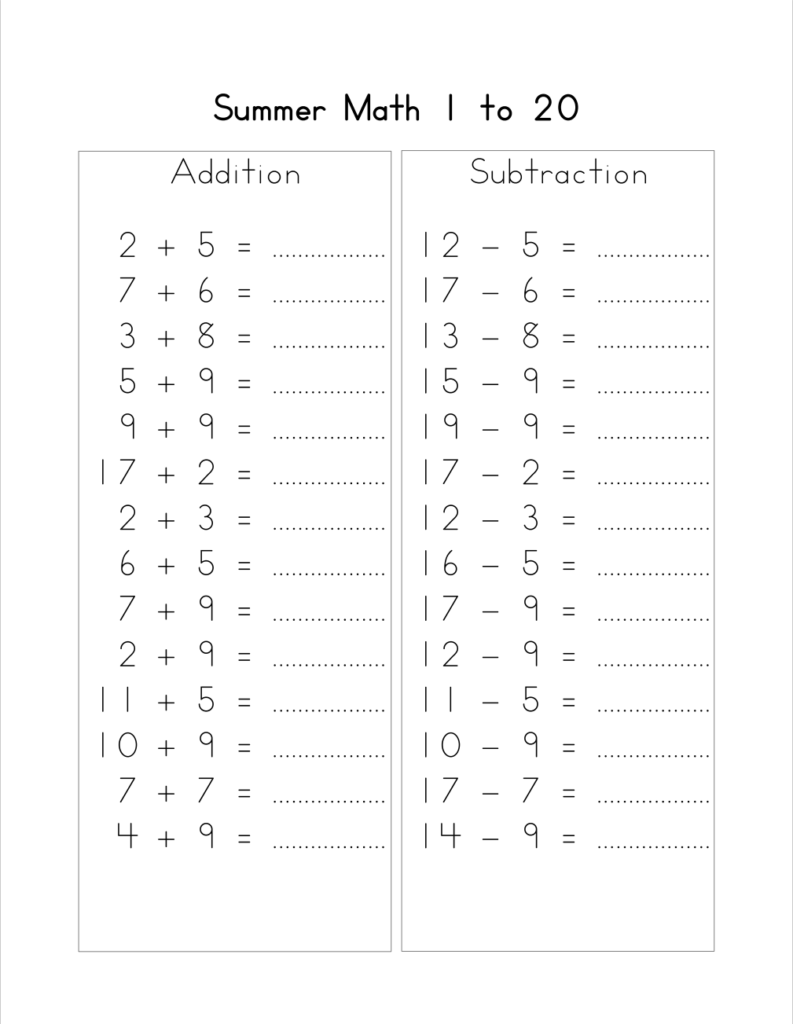
A useful worksheet has clear directions, large print, and plenty of space to write answers or circle choices. Pictures should be simple and easy to read, not crowded or distracting. An age-appropriate layout helps first graders stay focused and finish the page with less help. When choosing a worksheet, the best sign is whether it feels just challenging enough: one that reviews a known skill or gently stretches a new one without moving into second-grade or multi-step math.