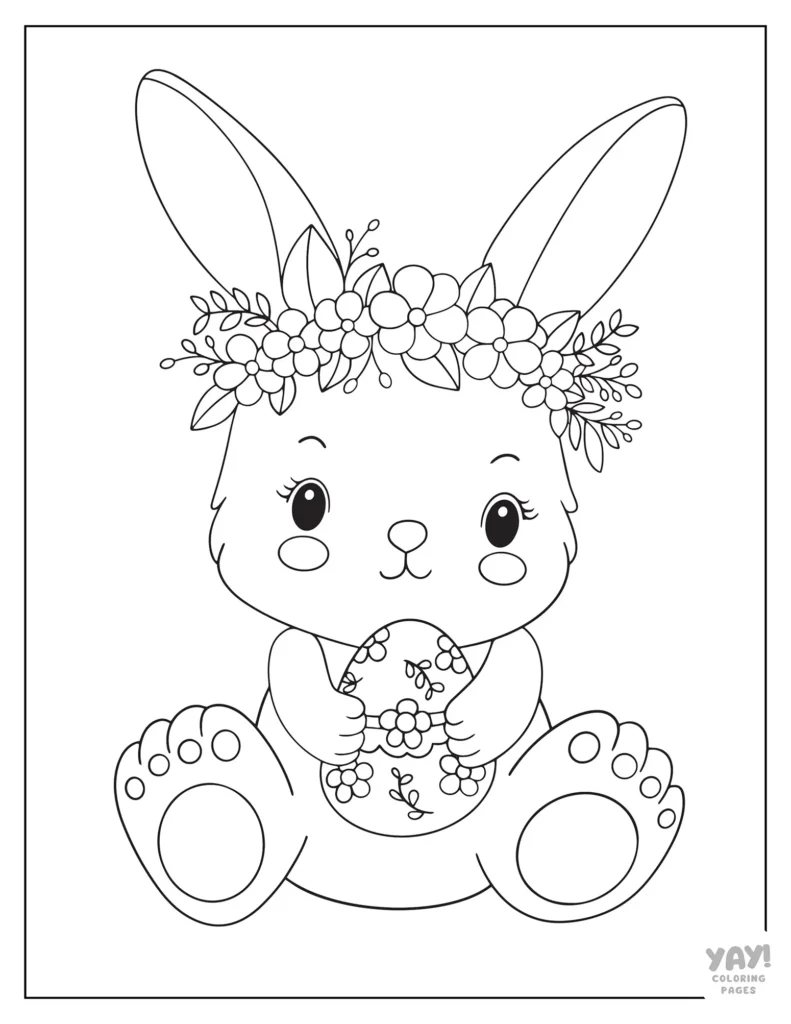
Easter bunny coloring sheets are printable or downloadable pages made for kids to color at home, in classrooms, or at holiday gatherings. They usually range from very simple bunny outlines to fuller scenes with baskets, eggs, or spring details. The best choice depends on a child’s age, attention span, and preferred coloring tools, so it helps to know what style fits the activity before printing.
Simple to Detailed Options
The easiest Easter bunny coloring sheets use bold outlines, large open spaces, and very few background details. These are ideal for younger children who are still developing hand control, because they can color without worrying about tiny sections. A single bunny face, a sitting rabbit, or a basic standing outline works well for crayons and quick holiday activities. More detailed pages add flowers, patterns, baskets, and scenery, which suit older kids who want a longer coloring project.
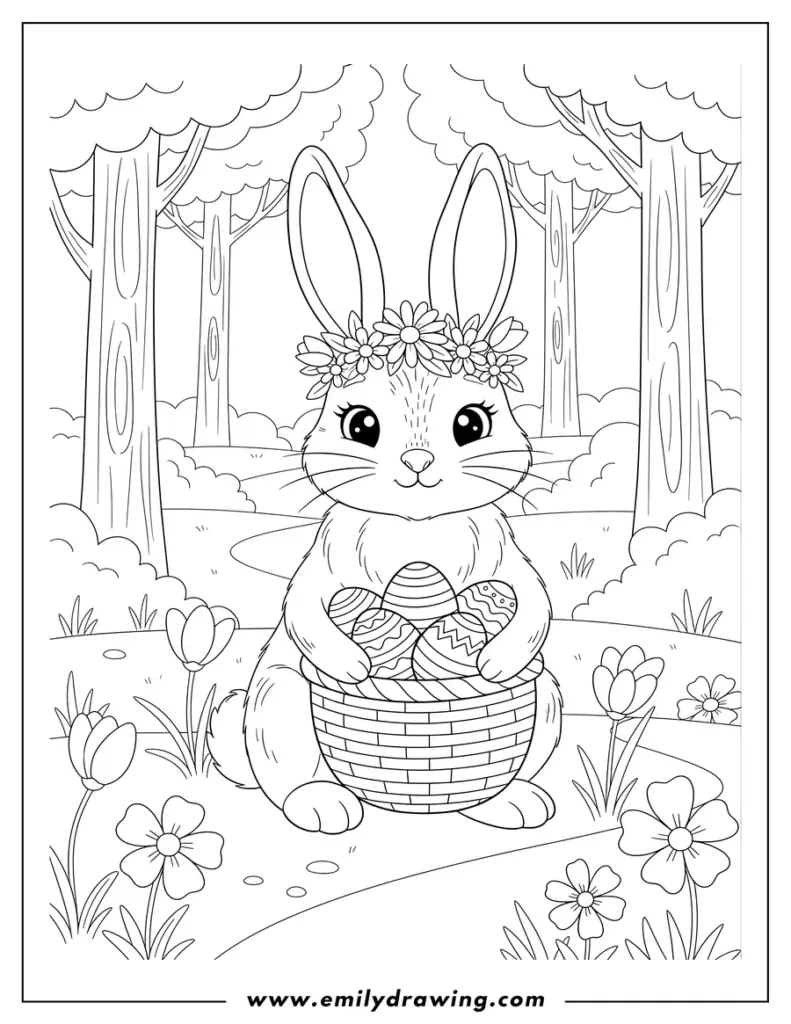
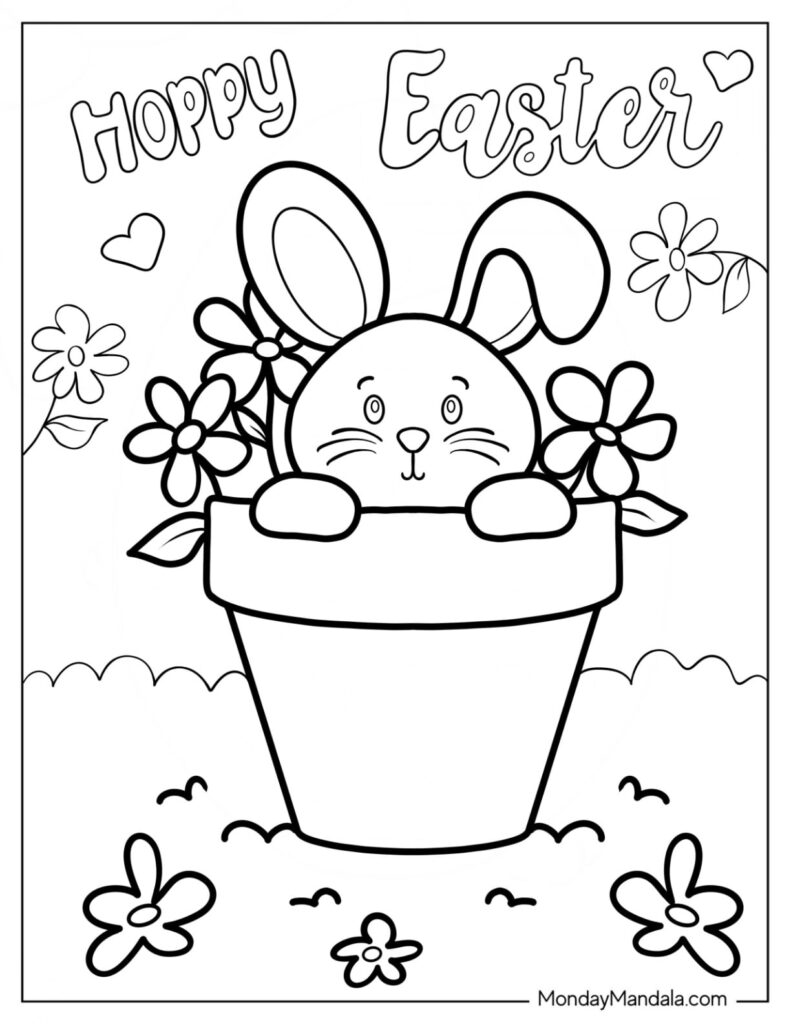
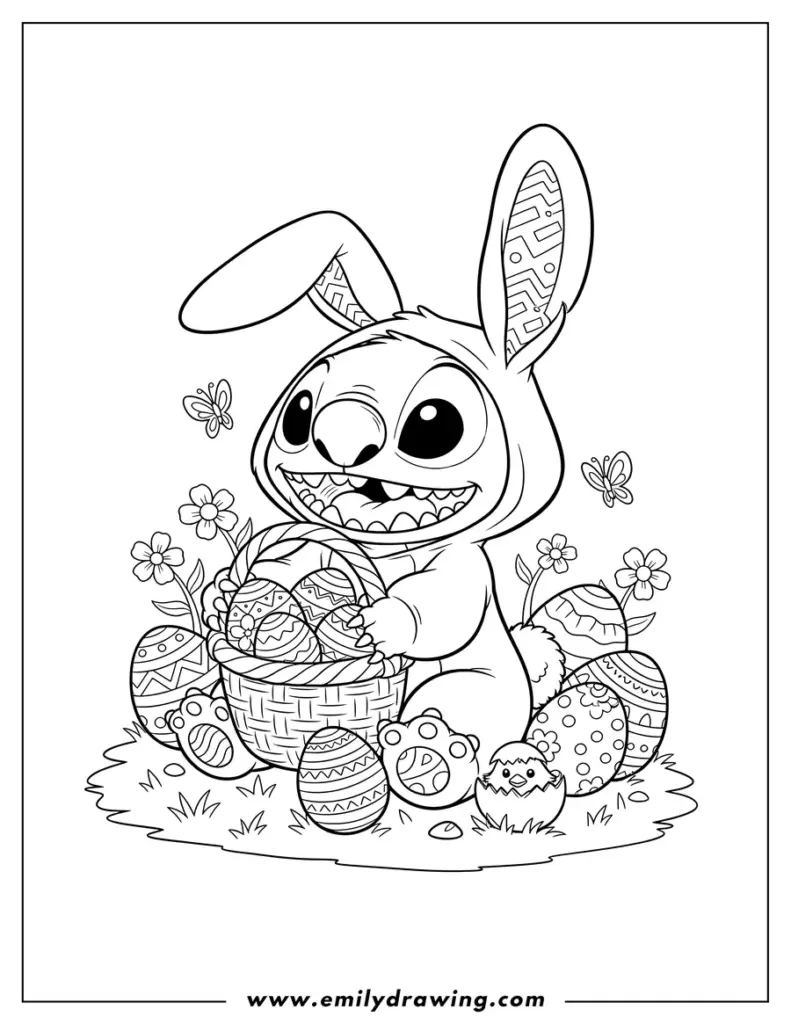
Themed bunny pages can make the activity feel more engaging without making the design too hard. Popular versions include bunnies holding eggs, wearing bows, peeking from baskets, or sitting in spring grass. These options are useful when you want something festive but still manageable. If you are choosing for a group, it helps to offer a mix of simple and medium-difficulty sheets so each child can pick a page that matches their comfort level and keeps them interested.
Printing and Coloring Tips
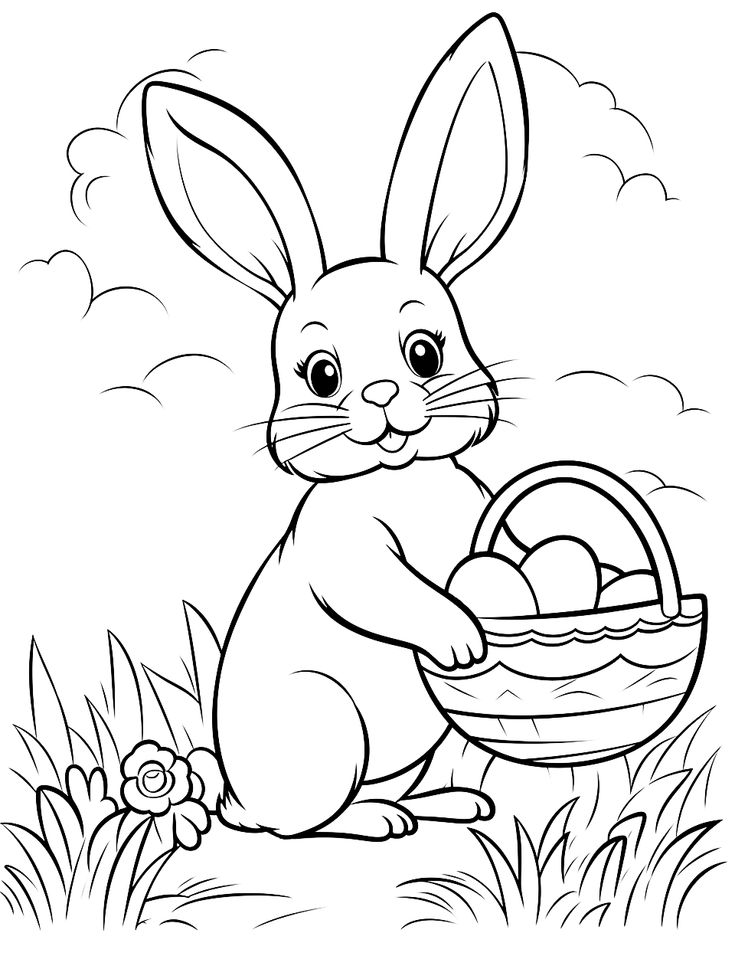
Before printing, check whether the file is designed for standard letter-size paper, since that format is easiest for home printers. Plain white printer paper works for most crayons and colored pencils, but thicker paper is better if the child may press hard or color on both sides. Markers usually look brighter, yet they can bleed through thin paper, so a heavier sheet or a backing page is helpful. Black-and-white pages are usually best for flexible coloring.
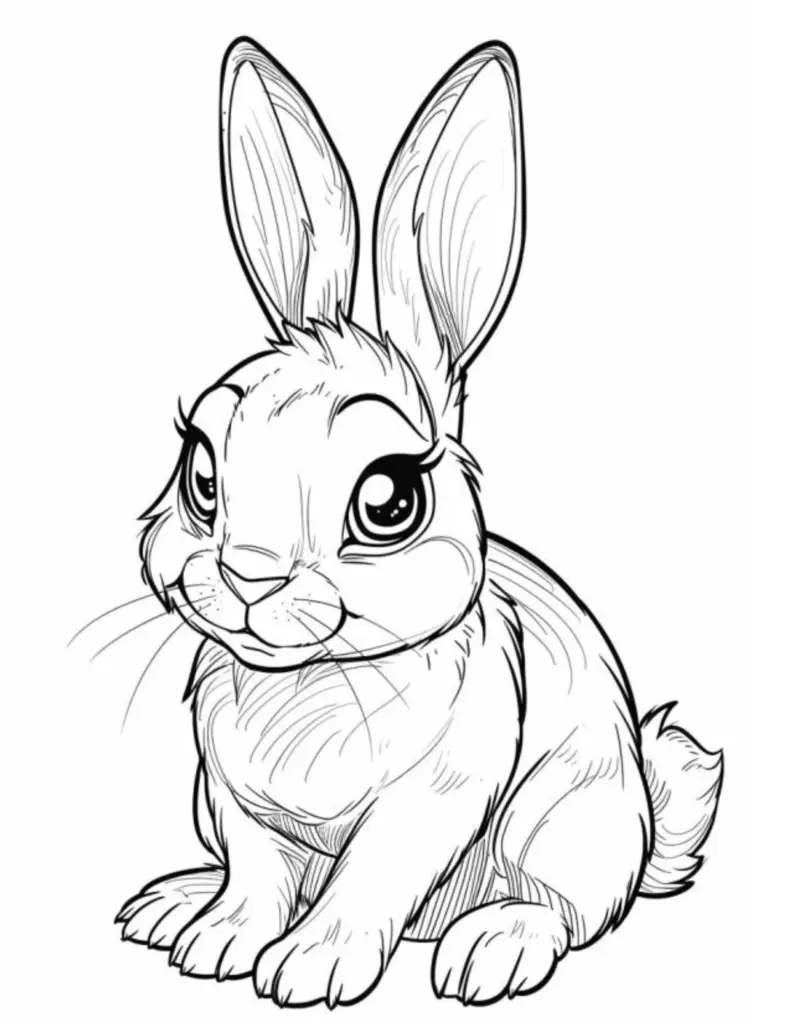
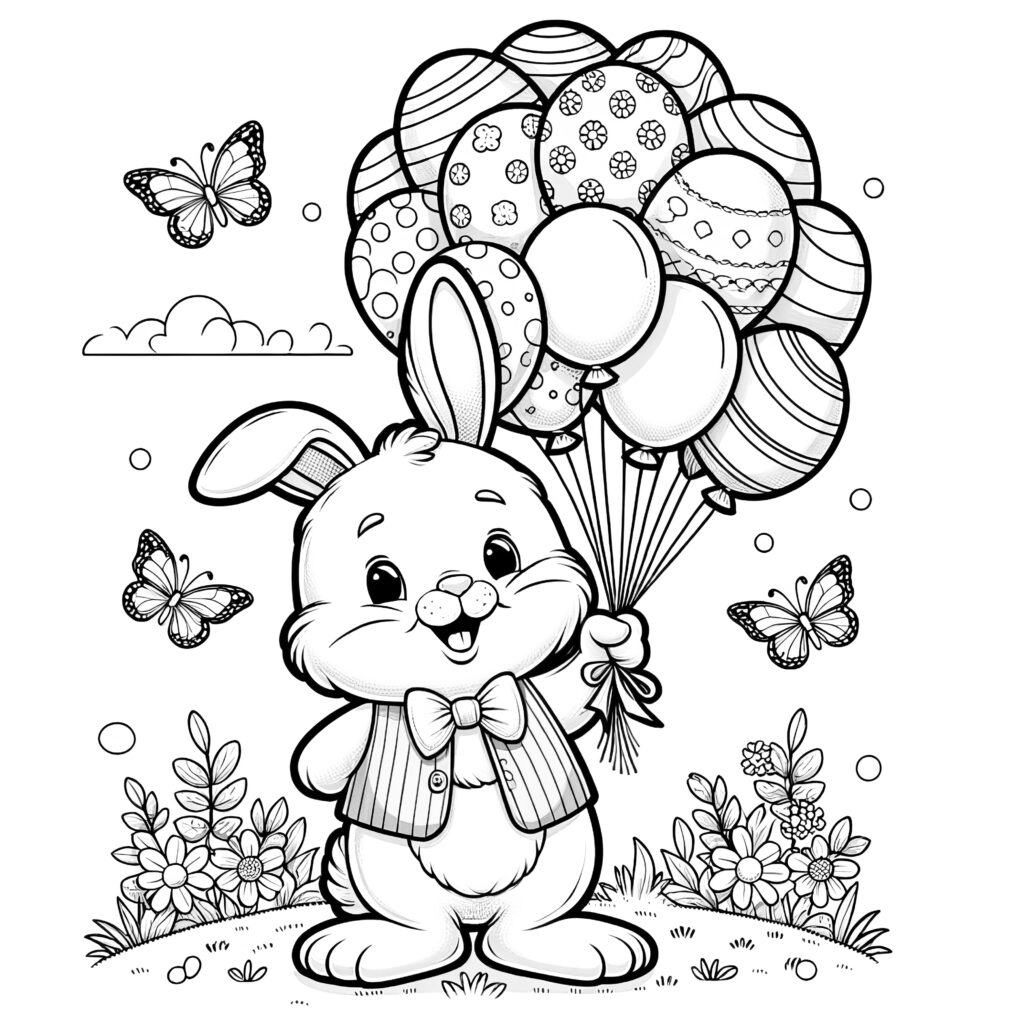
When choosing easter bunny coloring sheets, think about line thickness, open space, and how much detail the child enjoys. Younger children often do best with large shapes and simple outlines they can finish quickly. Older kids may prefer pages with patterns or background scenes that allow more creativity. A small set of different difficulty levels is usually the easiest family-friendly approach, because it lets each child choose a page that feels fun, comfortable, and age-appropriate.