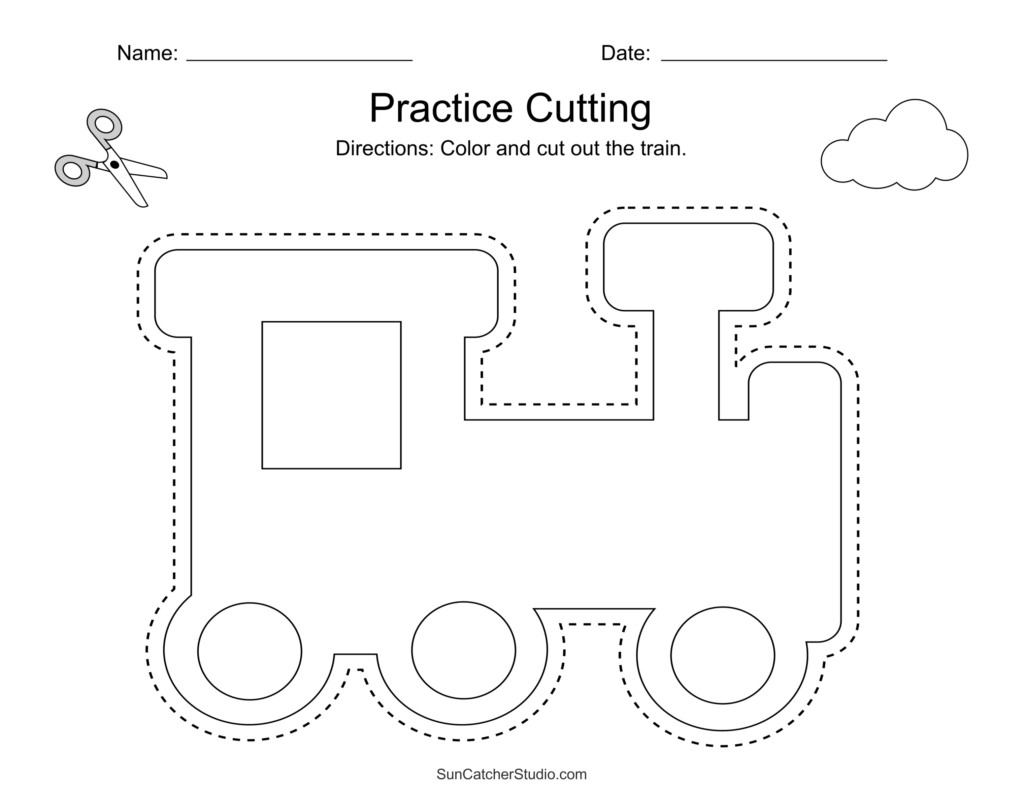
Shape cutting worksheets preschool are most useful when they match a child’s hand control and attention span. The best pages pair simple shapes with short, clear cut paths so children can practice opening and closing scissors without frustration. Look for worksheets that build from straight cuts to gentle curves, while also helping preschoolers notice and name circles, squares, triangles, and rectangles.
What to look for
For preschoolers, the easiest worksheets use large, bold outlines and wide cutting lanes. Straight lines, simple zigzags, and short curves are better than tiny corners or crowded patterns. A good page should clearly show where to start and stop cutting, with one shape per task or a small number of shapes on a page. This keeps the motor demand manageable while children learn to follow a line and stay close to the edge.
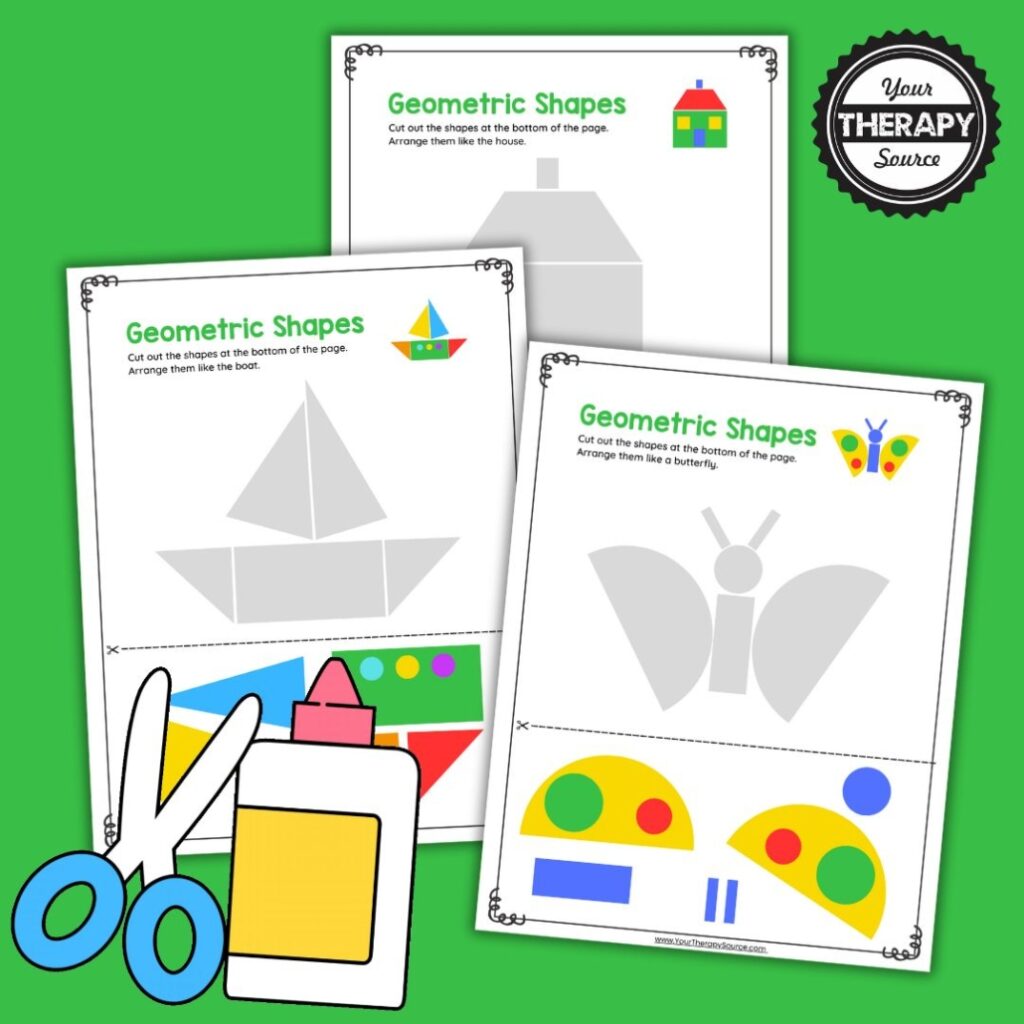
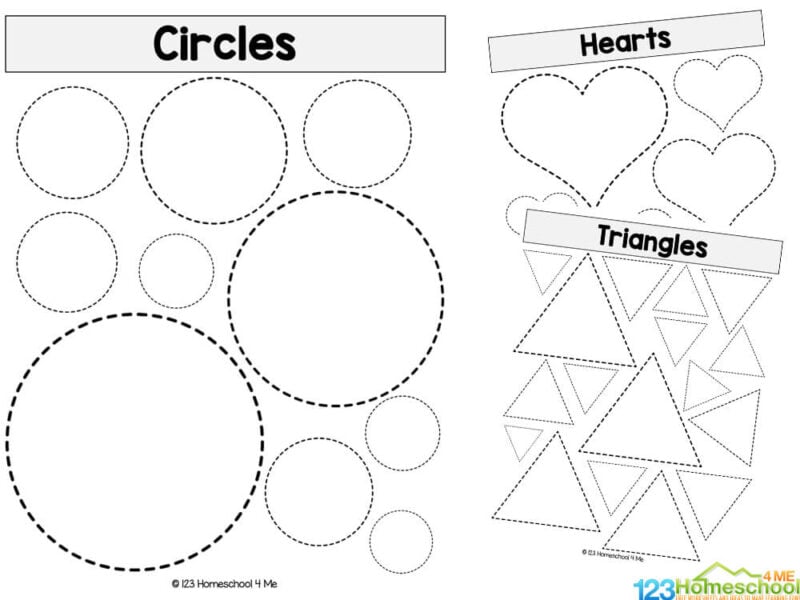
Skills the pages build
These worksheets support early scissor practice by teaching children how to hold scissors safely, turn paper, and cut with purpose. At the same time, shape recognition grows as children see each outline before and after cutting. A circle becomes a circle to name, trace, and cut; a triangle teaches pointed corners; a square introduces straight edges. Simple repetition matters more than speed, because preschoolers are learning coordination, not perfect accuracy.
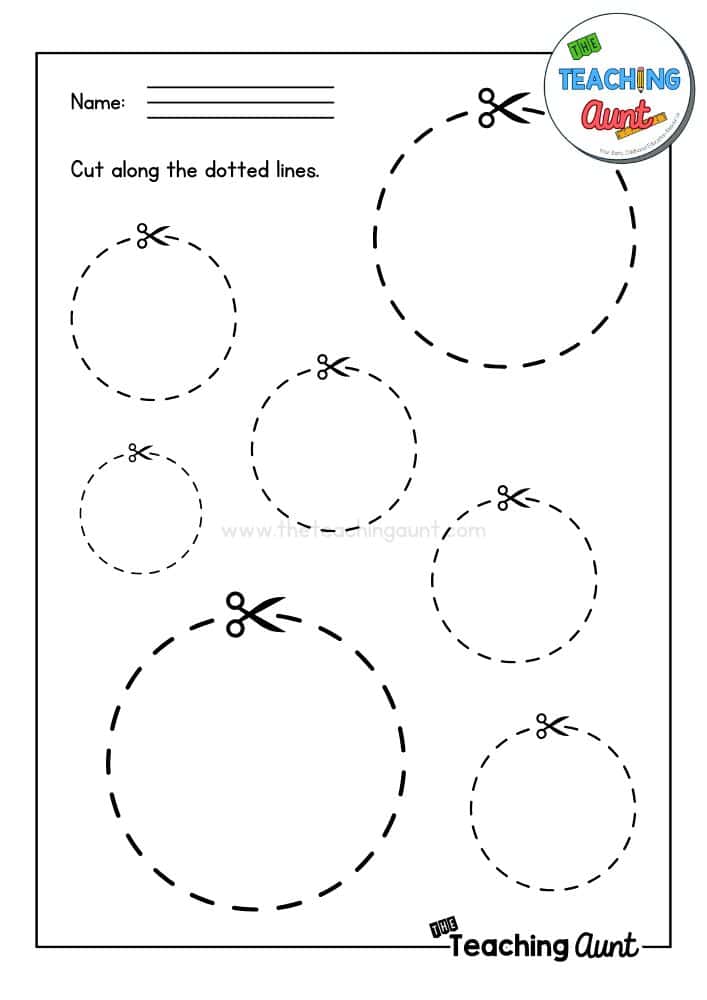
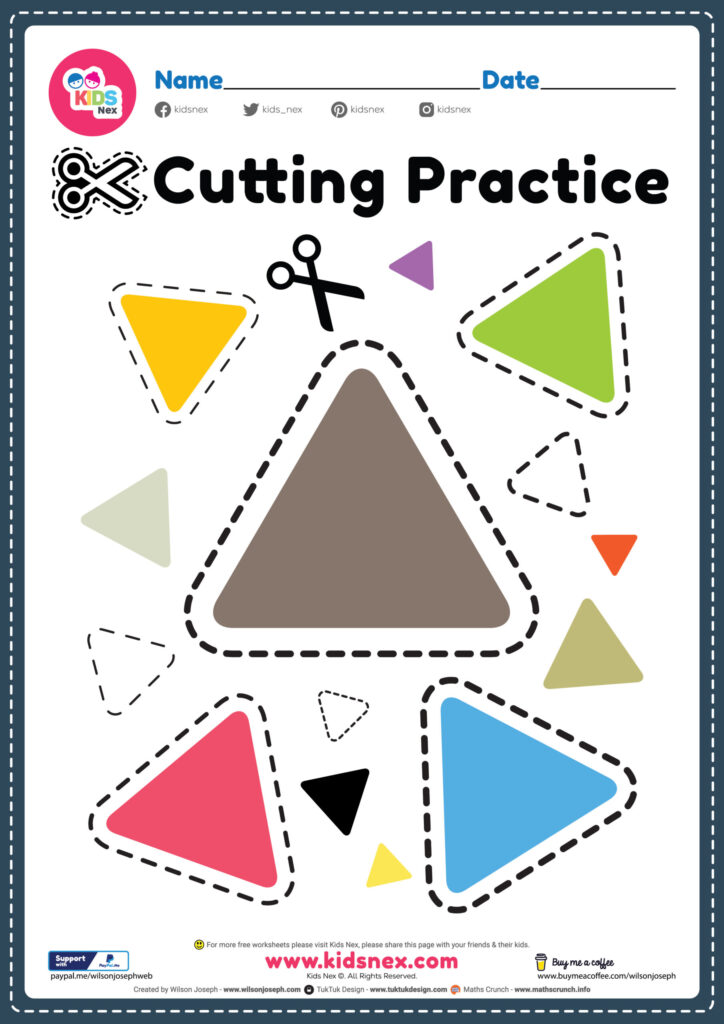
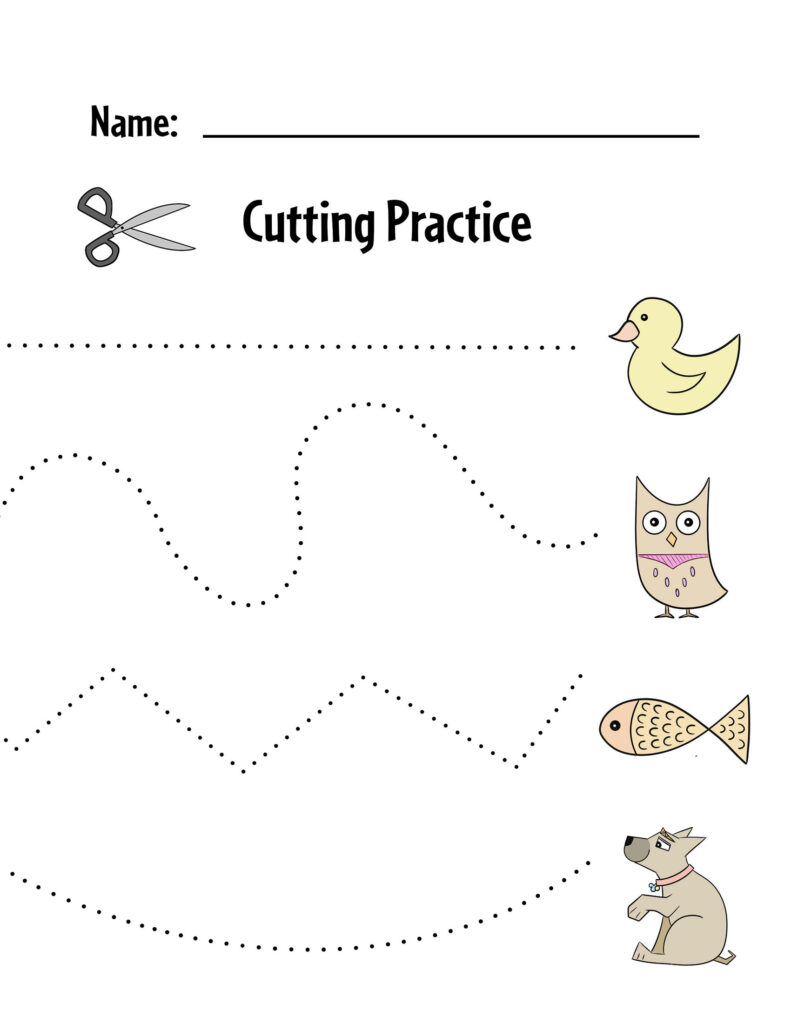
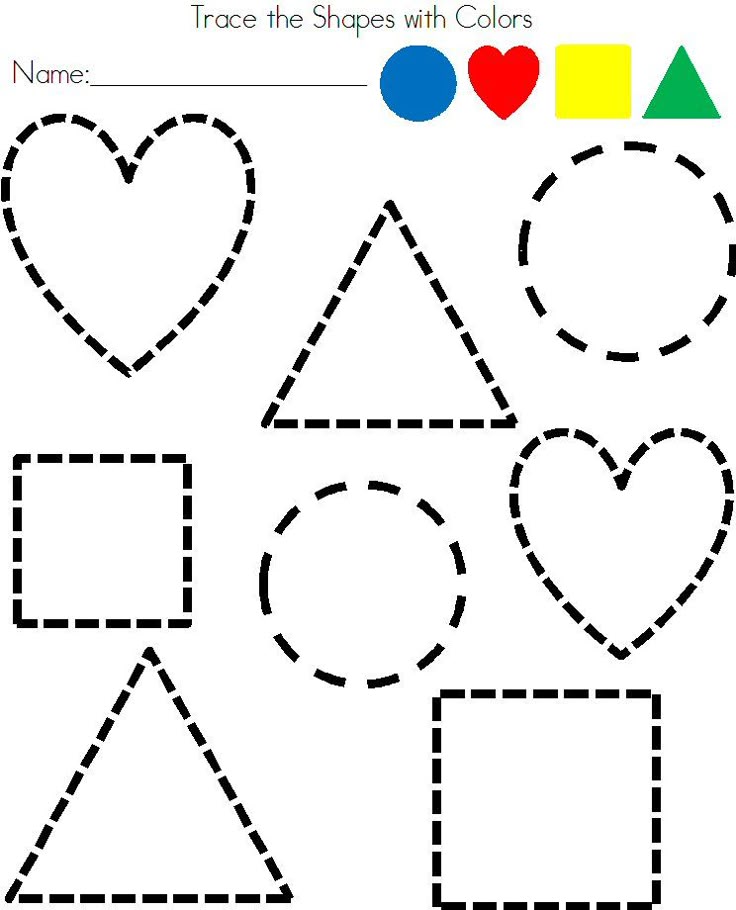
Preschool cutting activities should always include close supervision, child-sized scissors, and paper suited to small hands. Children need a stable seat, a clear workspace, and reminders to cut away from fingers and faces. It also helps to check readiness first: if a child cannot open and close scissors with control, start with very simple lines or short snips before moving to full shapes. The best worksheets feel calm, clear, and achievable, helping children gain confidence one cut at a time.