Science worksheets for preschool classroom use should be simple, visual, and easy for young children to complete with support. The best pages invite observing, matching, circling, tracing, or sorting rather than reading long directions. For preschoolers, the worksheet is only one part of the activity; it should support talking, pointing, coloring, and hands-on discovery.
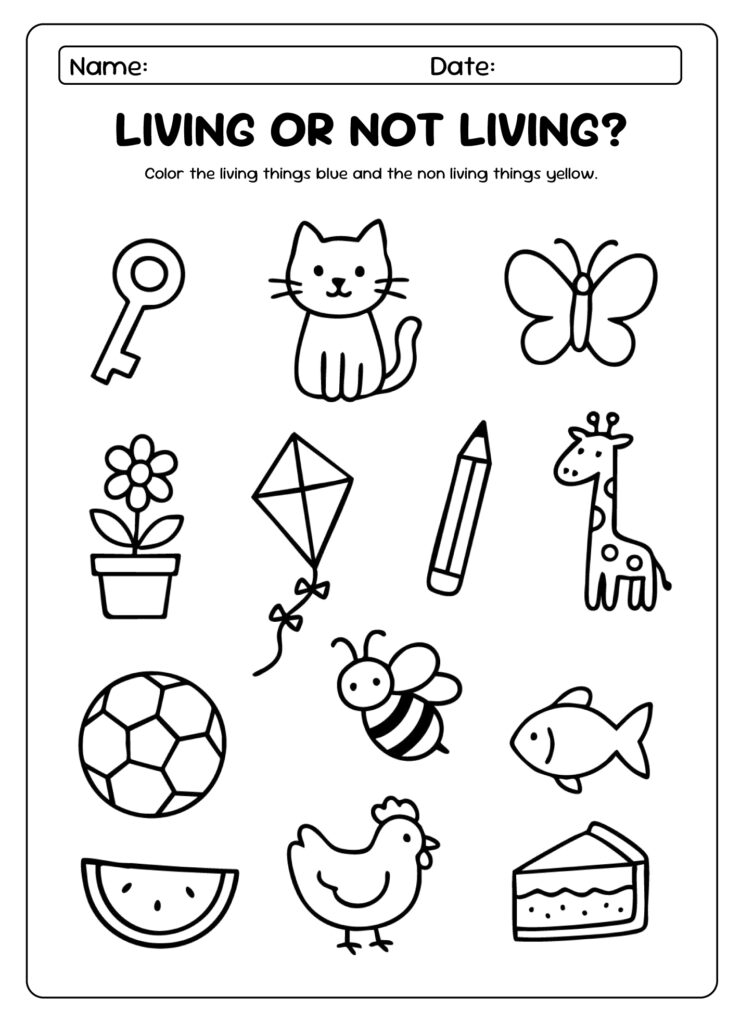
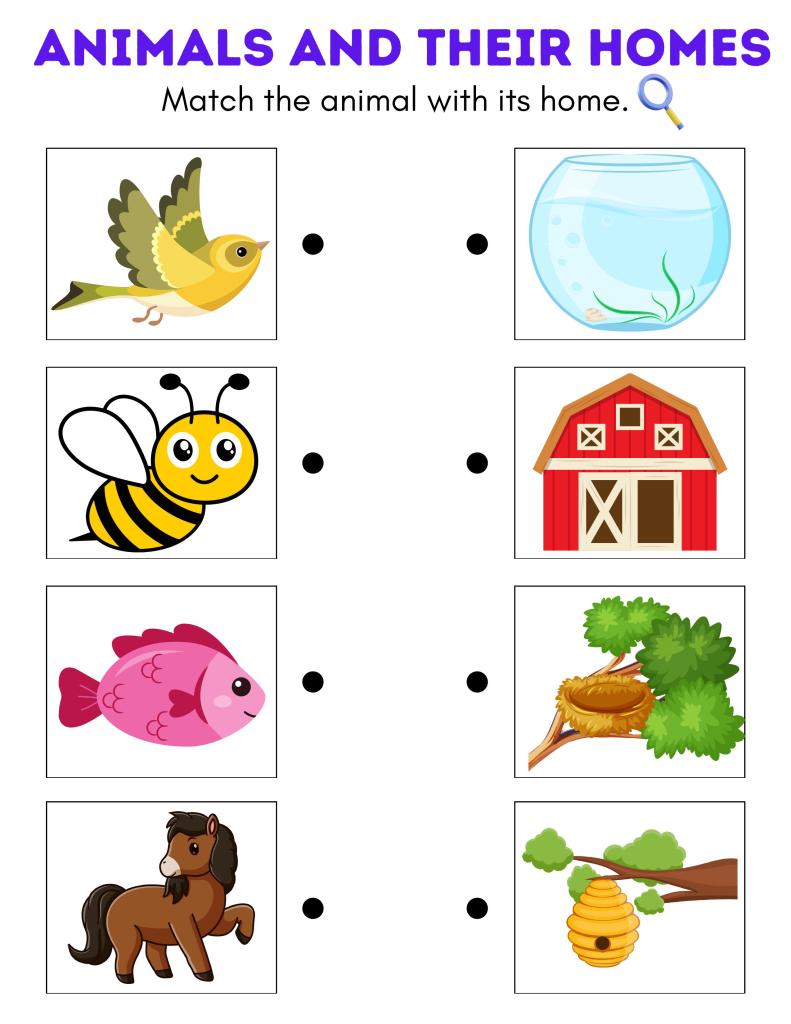
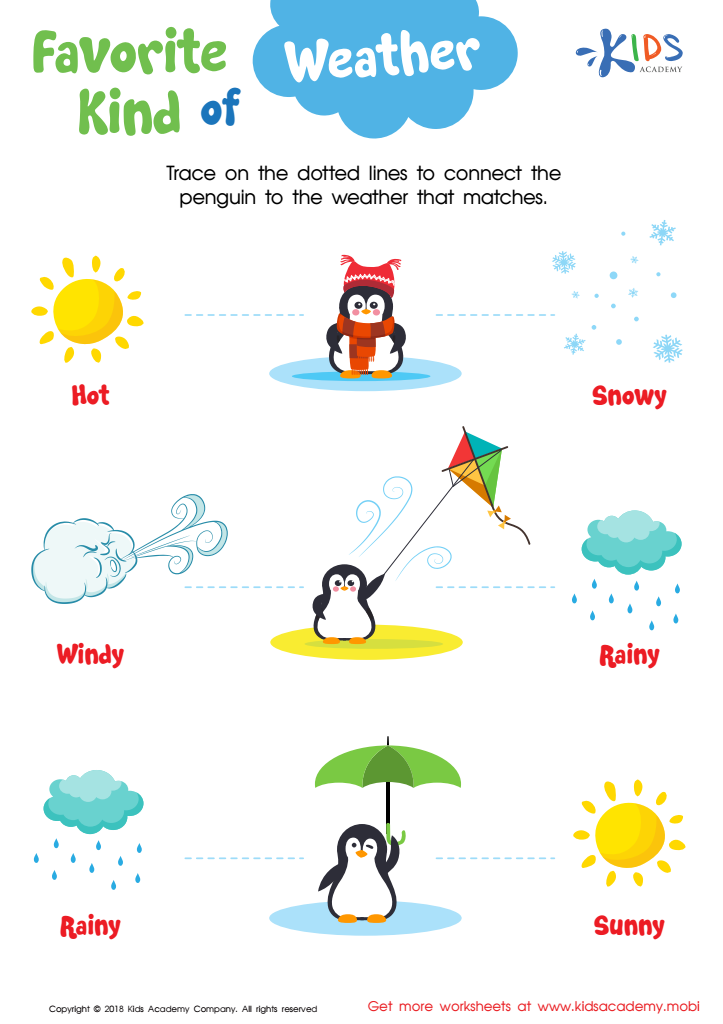
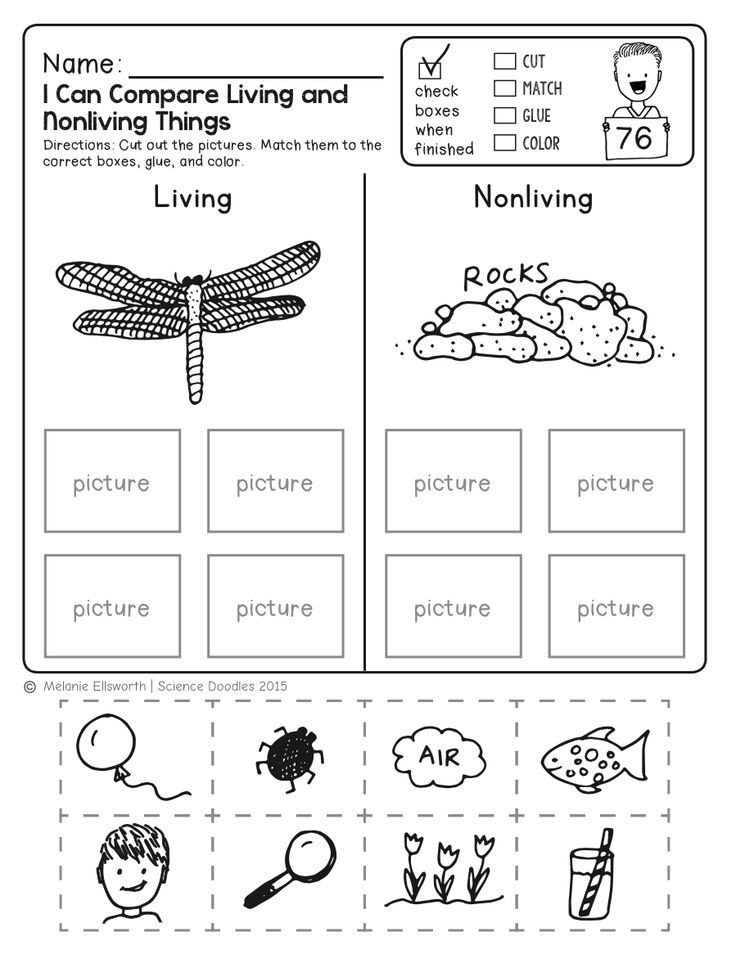
Look for worksheets built around preschool-friendly science topics such as weather, plants, animals, senses, and simple experiments. Pages that ask children to compare leaves, match animal homes, identify sunny or rainy weather, or sort items by size or texture fit this age well. These activities reinforce early science habits like noticing details, describing what changes, and making simple connections. A strong resource keeps the language short and concrete, so adults can guide discussion without needing to explain every line.
Preschool-Friendly Design
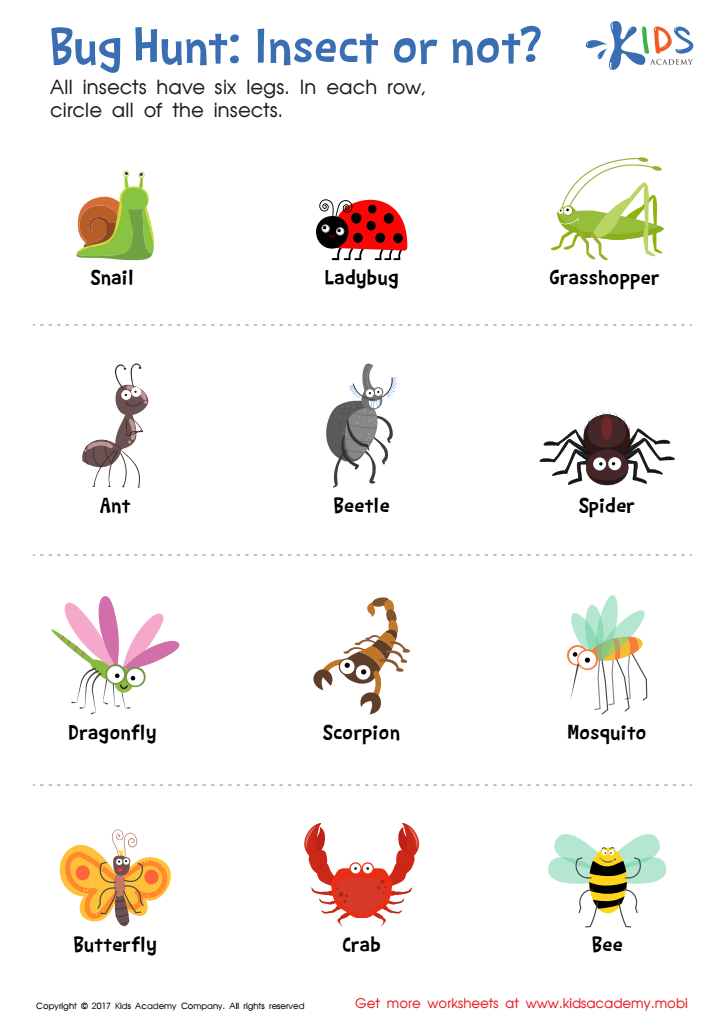
The best science worksheets for preschool classroom use have large pictures, plenty of white space, and very little text. Instructions should be short enough to say aloud in one step, and the task should match developing motor skills, such as pointing, drawing a line, coloring, or placing a sticker. Overly dense pages can frustrate young learners, so clarity matters more than quantity. Simple designs also make it easier for teachers to use the worksheet in centers, small groups, or quick whole-class practice.
Classroom Use Factors
Practical use is important when choosing classroom-ready science worksheets. Printability matters because teachers often need pages that are easy to copy in black and white or color. Prep time should be minimal, especially for centers or morning work. It also helps when a worksheet can be used with a partner, in a small group, or alongside a hands-on material like real leaves, water, or classroom pets. Many preschool science pages work best with adult guidance, especially when children are asked to describe, predict, or compare.
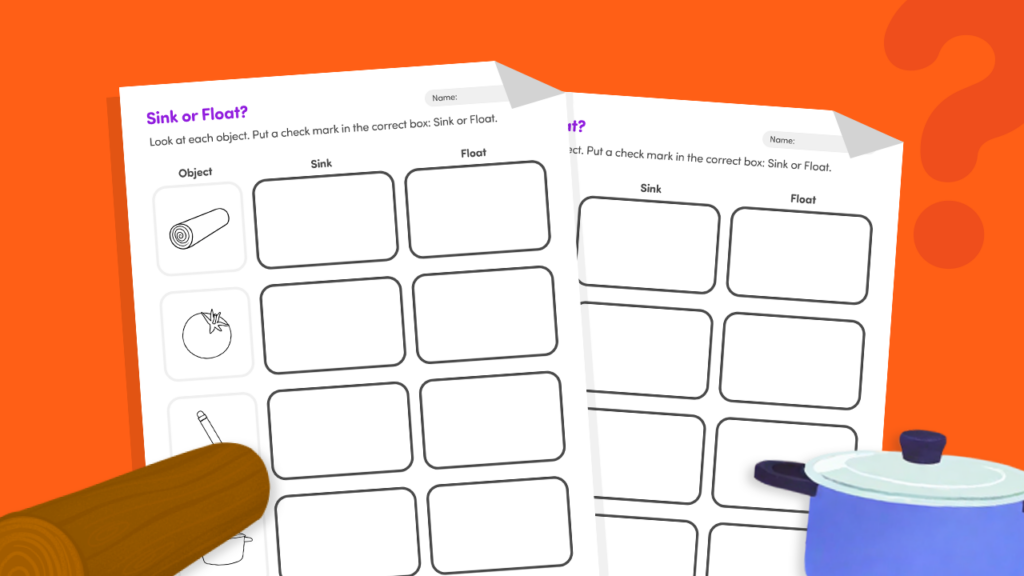
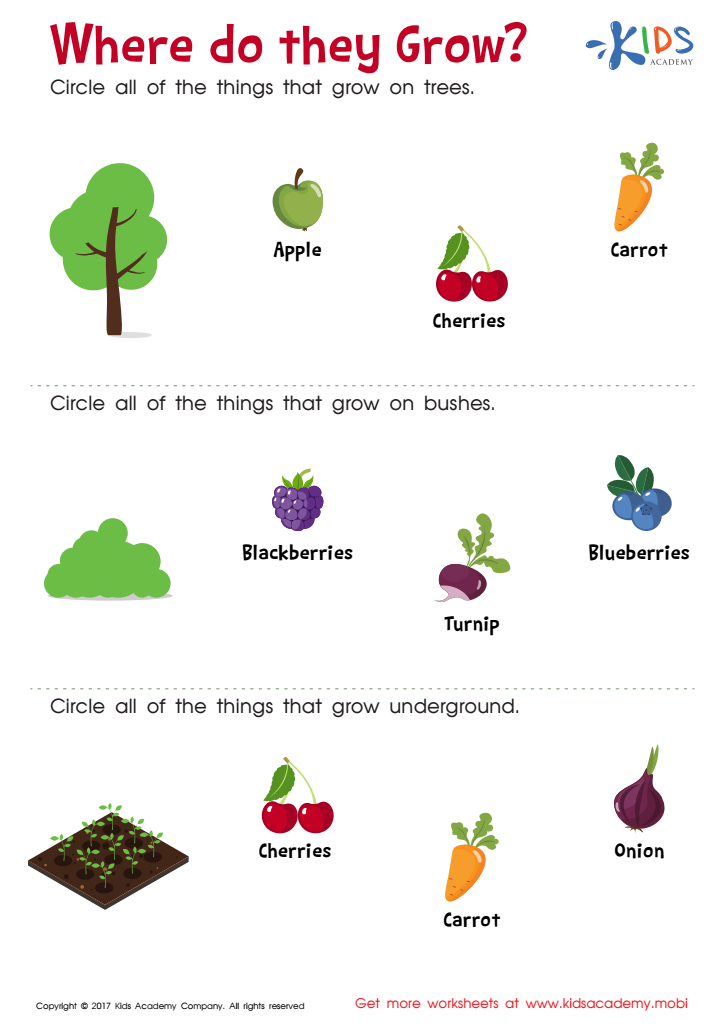
Quality resources should feel inviting, age-appropriate, and flexible enough to lead into conversation or a simple extension activity. A good page uses friendly visuals, familiar objects, and language preschoolers can understand. It should create a natural opening for questions like what do you notice, what happens next, or how are these the same? The strongest science worksheets for preschool classroom settings do not try to do too much; they support exploration, keep children engaged, and give teachers an easy way to connect paper-and-pencil work with real science experiences.