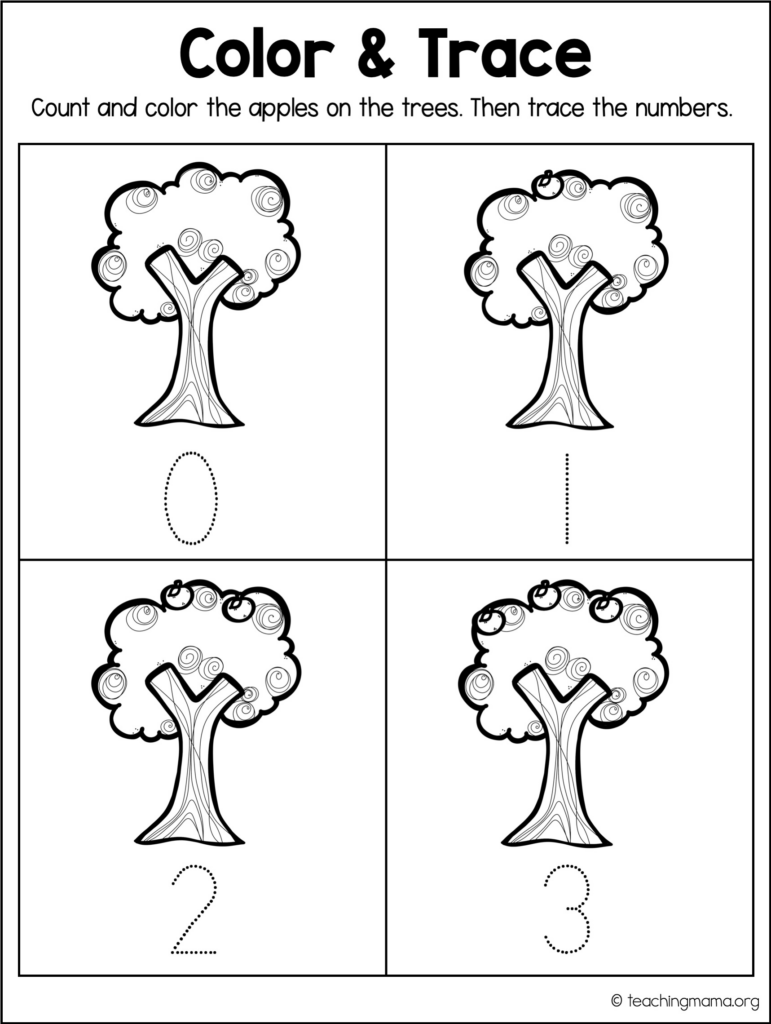
Math worksheets for preschool parents should be simple, short, and matched to what young children can handle. The best pages focus on early counting, number recognition, sorting, shapes, and easy patterns, rather than long directions or crowded problems. At home, the goal is not speed or perfection. It is a few minutes of low-pressure practice that helps a child recognize ideas, respond to prompts, and feel comfortable with math.
What Preschool Math Should Cover
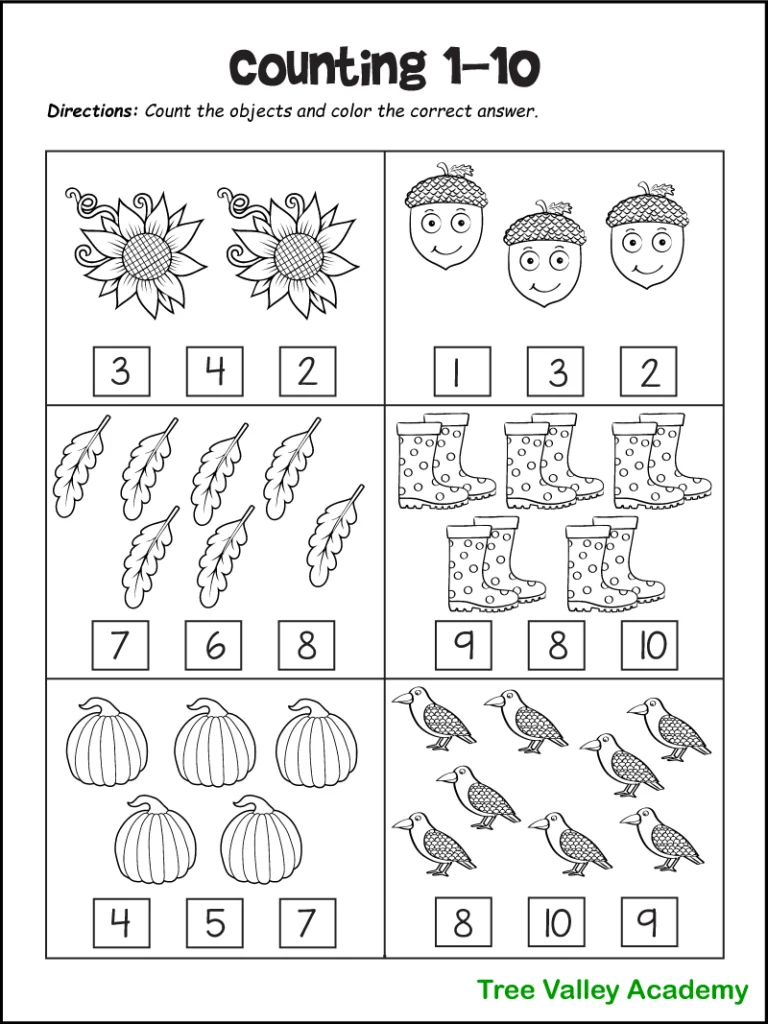
Good preschool worksheets usually teach one skill at a time. Counting pages may ask children to point to three apples or trace numbers in order. Number recognition pages help them match a numeral to a set of objects. Sorting activities can use colors, sizes, or types of pictures. Shape worksheets build vocabulary with circles, squares, triangles, and rectangles. Simple patterning pages might show red-blue-red-blue sequences to continue.
These are all appropriate because they build early number sense without expecting reading fluency or advanced reasoning. If a worksheet tries to do too much, it often becomes frustrating instead of helpful.
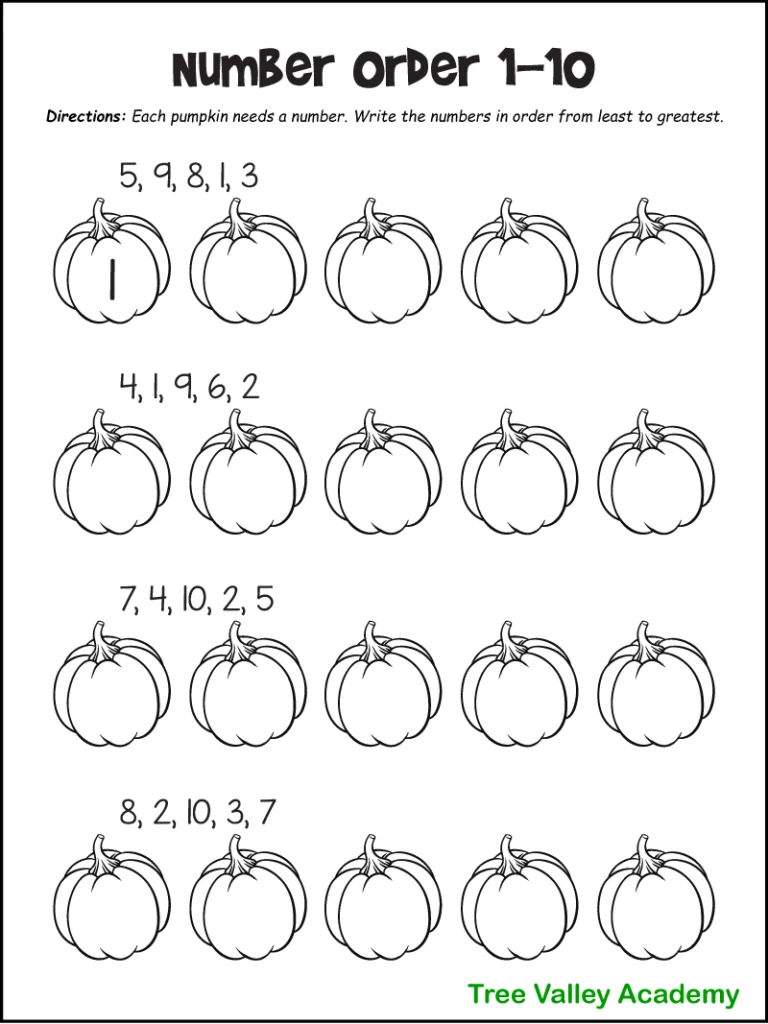
How to Pick the Right Page
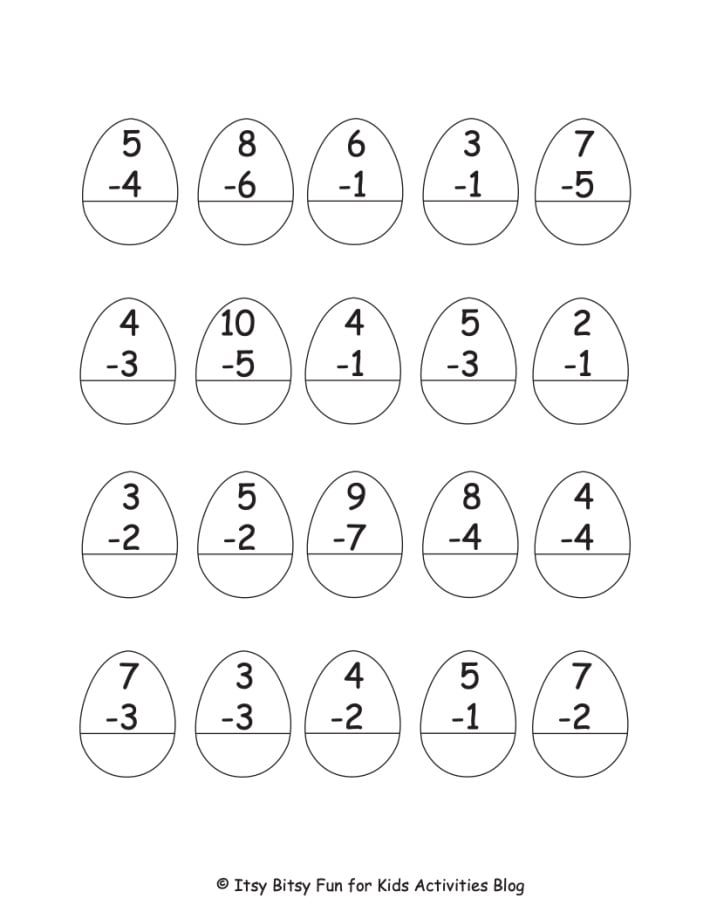
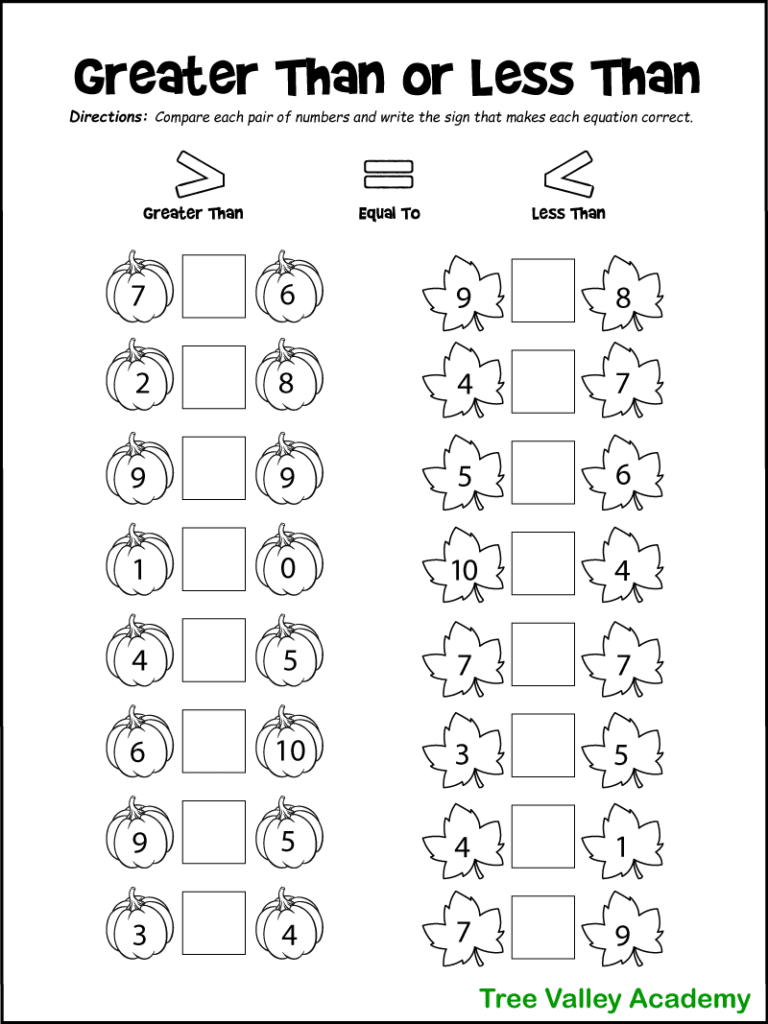
Choose worksheets that fit your child’s attention span and hand skills. A preschooler usually does better with one clear task, large pictures, and plenty of white space. Look for thick tracing lines, circles to color, or matching instead of tiny writing boxes. Directions should be short and visual, such as “count and circle” or “draw a line.” If your child is just beginning, pick pages with fewer items.
If they are ready for more, add a second page later. The right worksheet feels just challenging enough, not busy or confusing. When in doubt, simpler is usually better for this age.
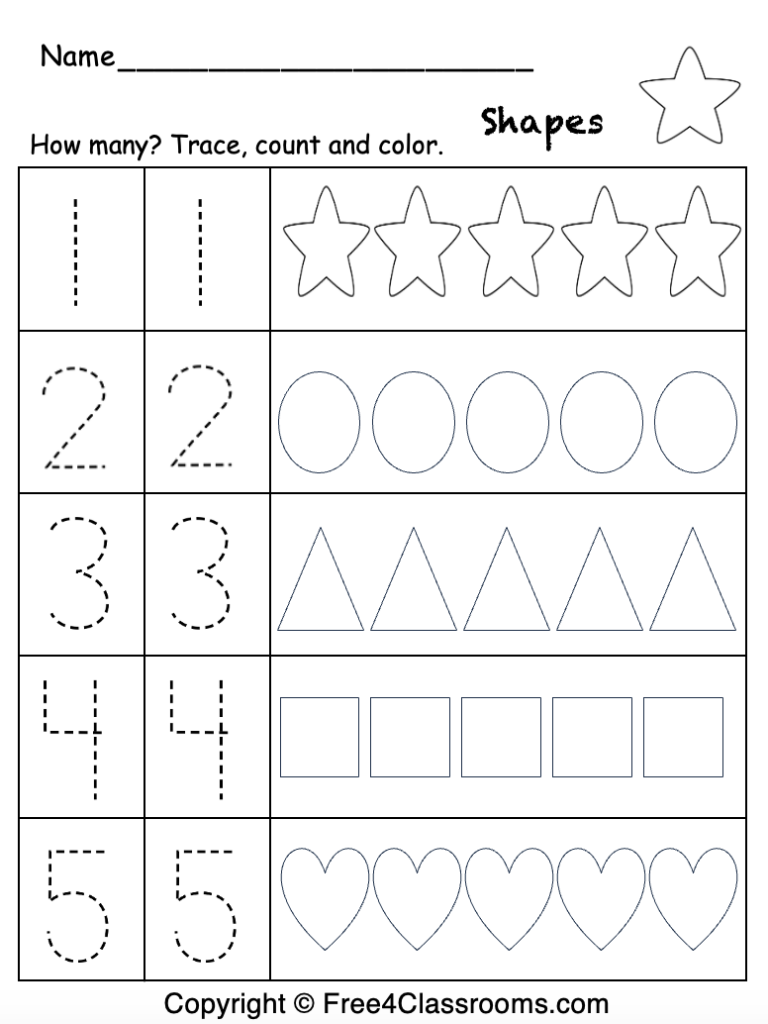
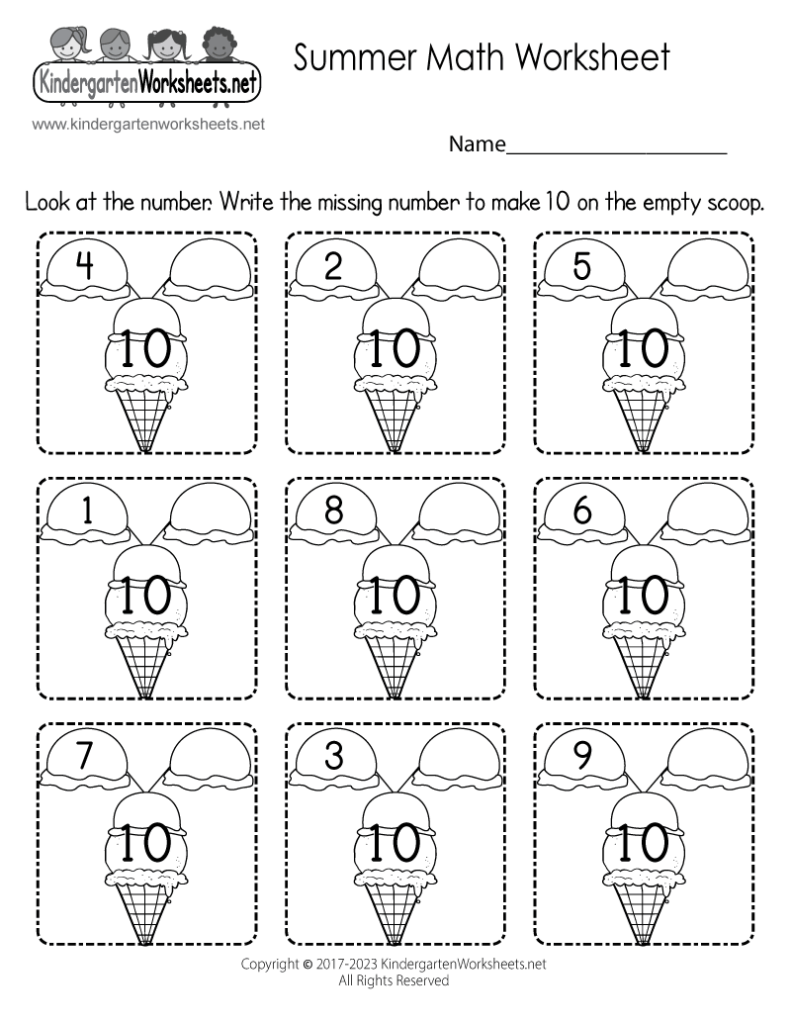
Use worksheets in brief sessions, then stop before your child loses interest. Five to ten minutes is often enough. Sit nearby, read the directions aloud, and model the first item if needed. Keep it playful by naming objects, counting out loud, or asking your child to point before they mark anything. Praise effort and let them make corrections without pressure.
A worksheet works best as one small part of learning, not the whole lesson. Before printing, check that the page is clear, easy to read, and likely to print cleanly. Clean layouts and age-appropriate directions make home practice much smoother.