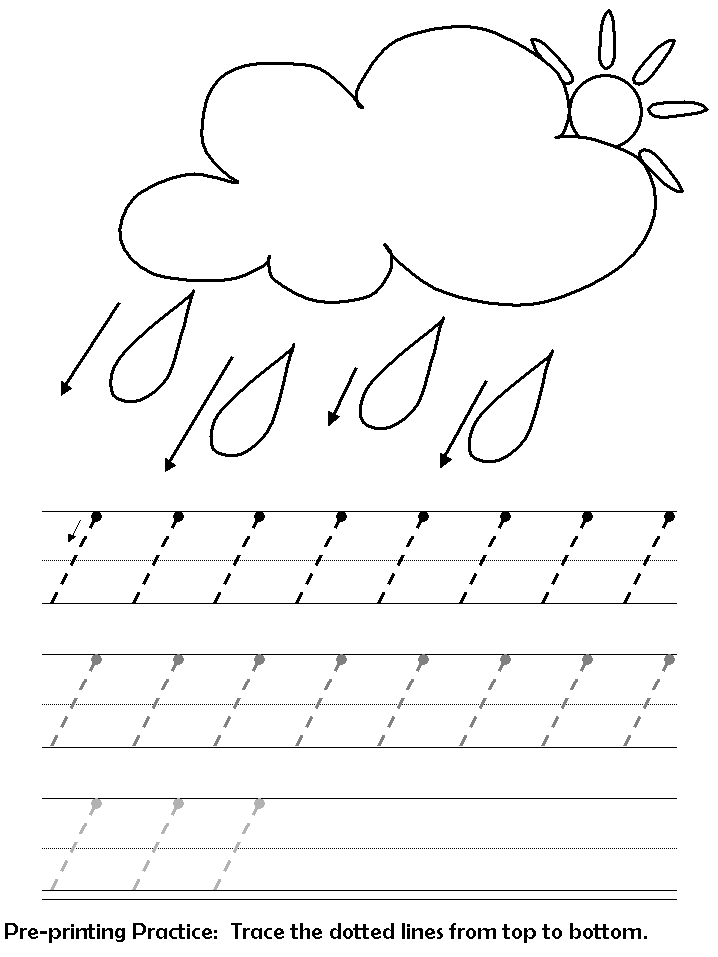
Preschool writing worksheets with lines give young children a simple place to practice early marks before they move into full handwriting. The lined format helps preschoolers copy shapes, trace strokes, and begin forming letters with more control. For caregivers and teachers, these worksheets are most useful when they stay clear, spacious, and easy to follow, so children can focus on pencil movement instead of crowded page design.
What They Support
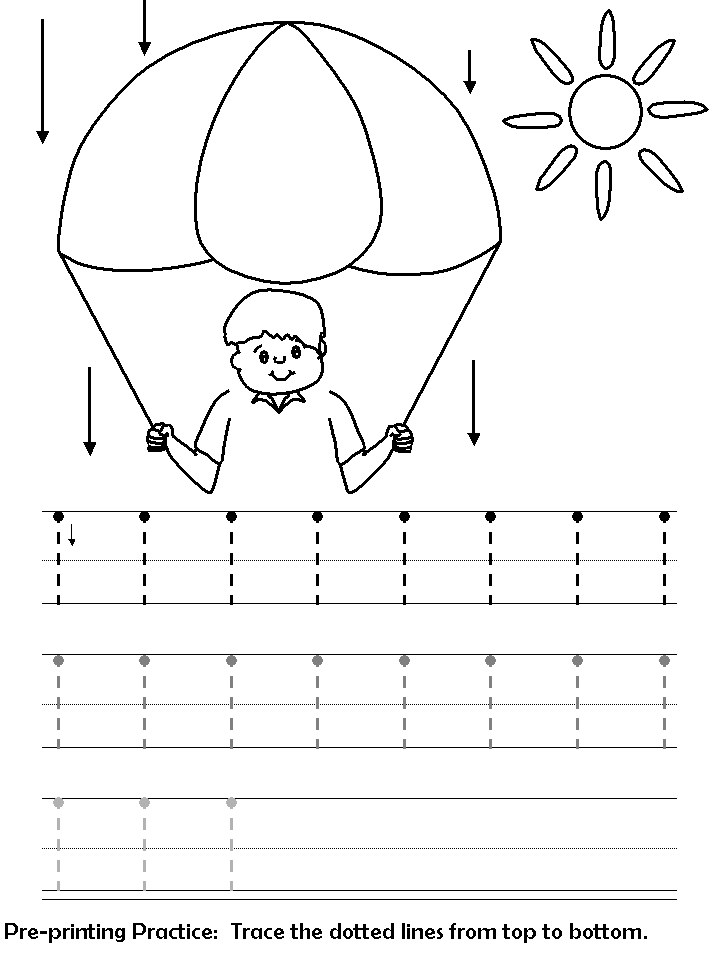
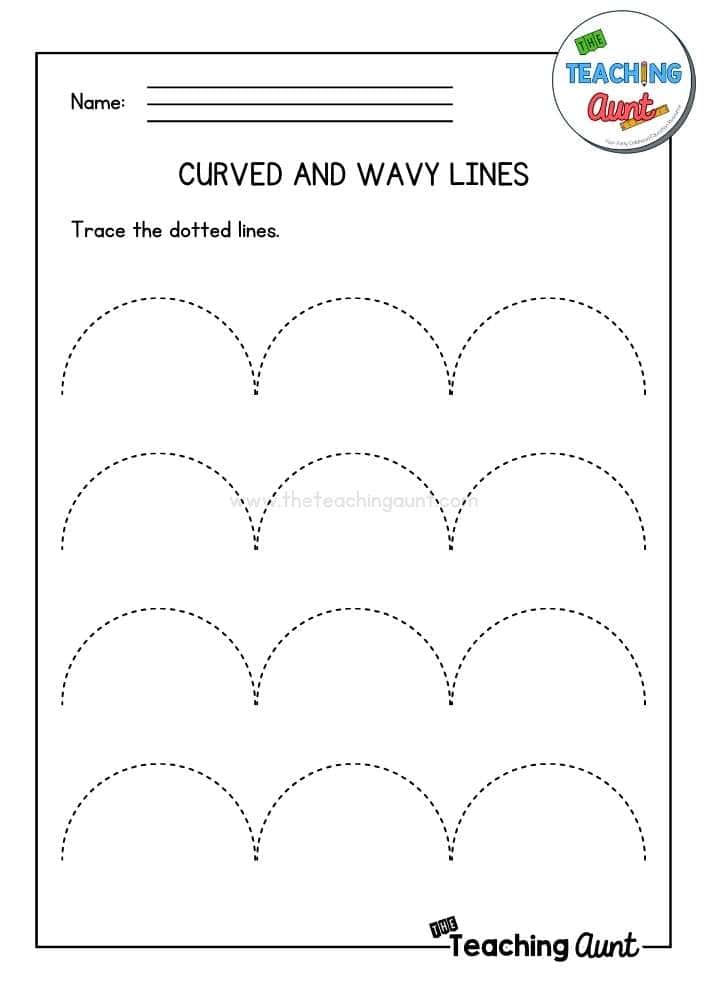
These worksheets support several early writing skills at once. Children learn to hold a pencil more steadily, move from left to right, and keep strokes inside a limited space. Many worksheets begin with straight lines, curves, zigzags, or tracing paths before introducing letters. That gradual approach matters because preschoolers need practice controlling small hand movements without too much visual clutter. The lined layout gives them repeated structure, which makes tracing feel more manageable and less overwhelming.
Helpful Worksheet Features
The best preschool writing worksheets with lines usually have large writing spaces and simple instructions. Dashed lines or bold ruled lines show where the child should trace, while arrows or starting dots can guide the direction of movement. Simple pictures may help keep attention on the task without crowding the page. Clear spacing is important too, because preschoolers need room to move their hands and see where one line ends and another begins. A clean page supports focus and reduces frustration.
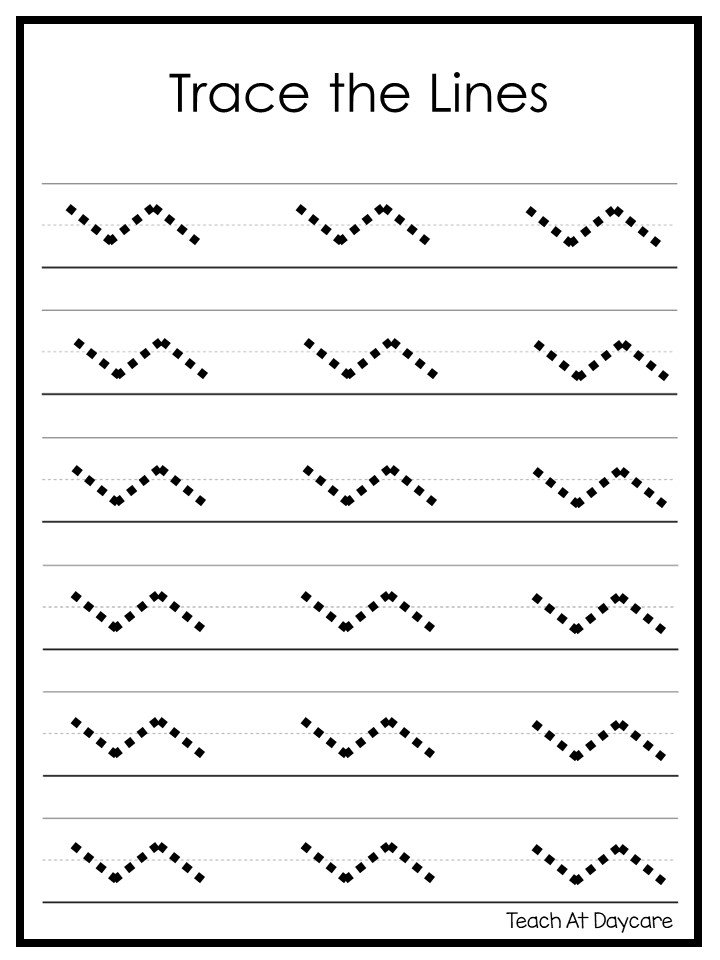
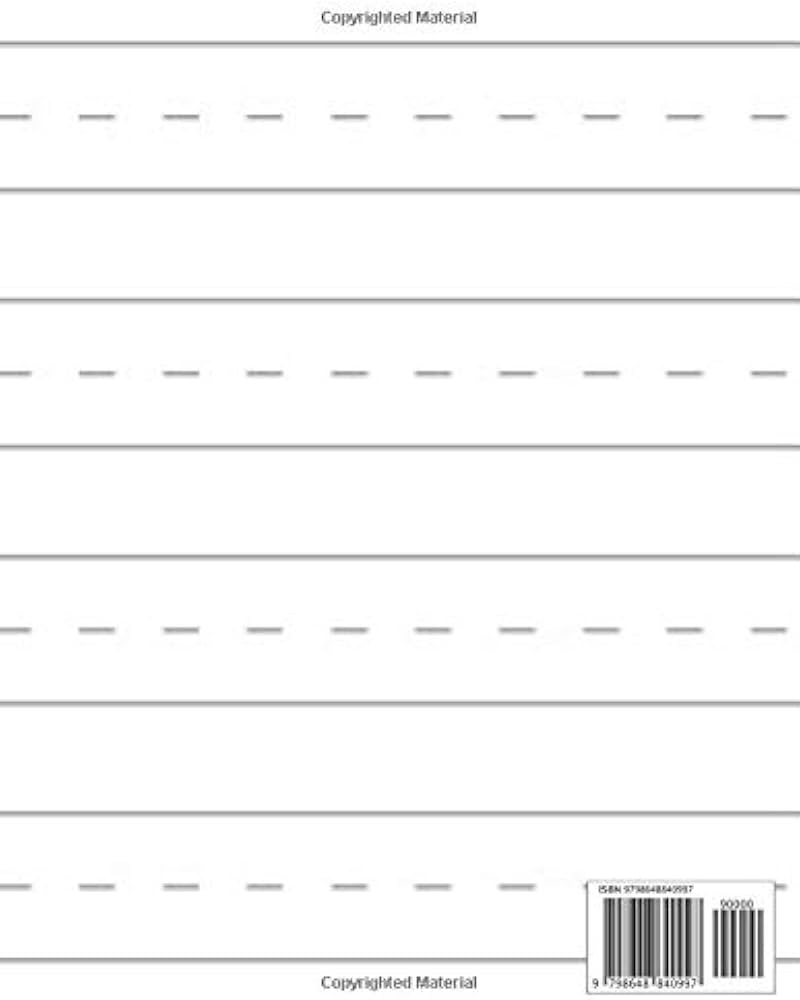
The lined layout does more than organize the page. It helps children practice staying within boundaries, which is an early step toward letter formation. When a child traces between lines, they begin to notice height, size, and placement on the page. That kind of repetition can improve pencil control because the child is working within a visible path. Over time, the lines help make movements more consistent, whether the worksheet asks for straight strokes, curved paths, or simple letter traces.
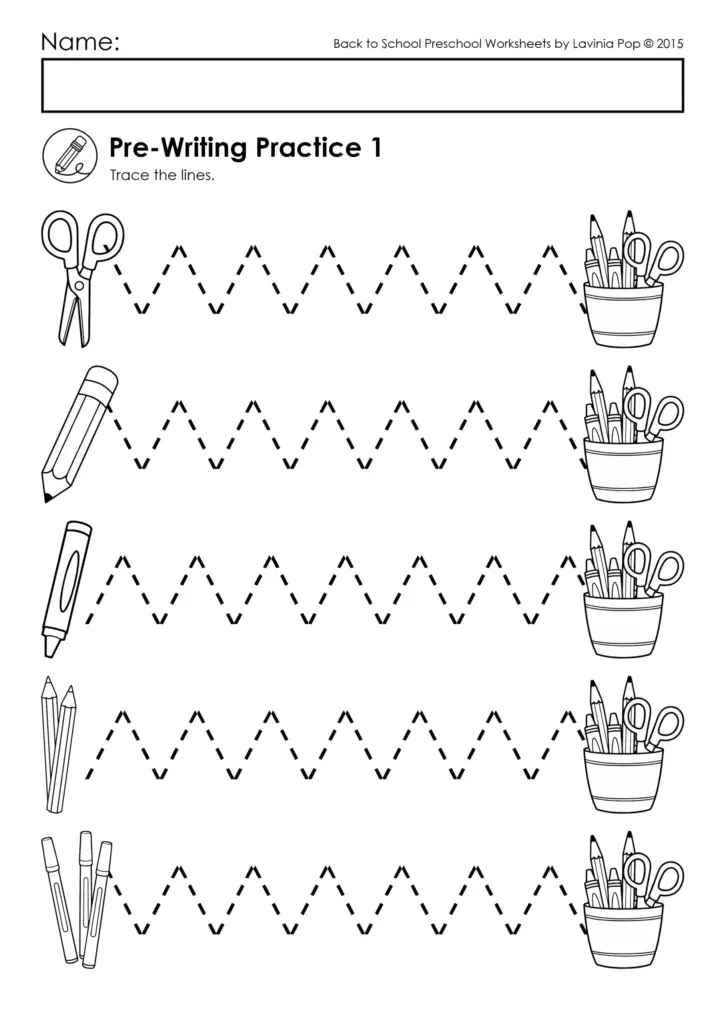
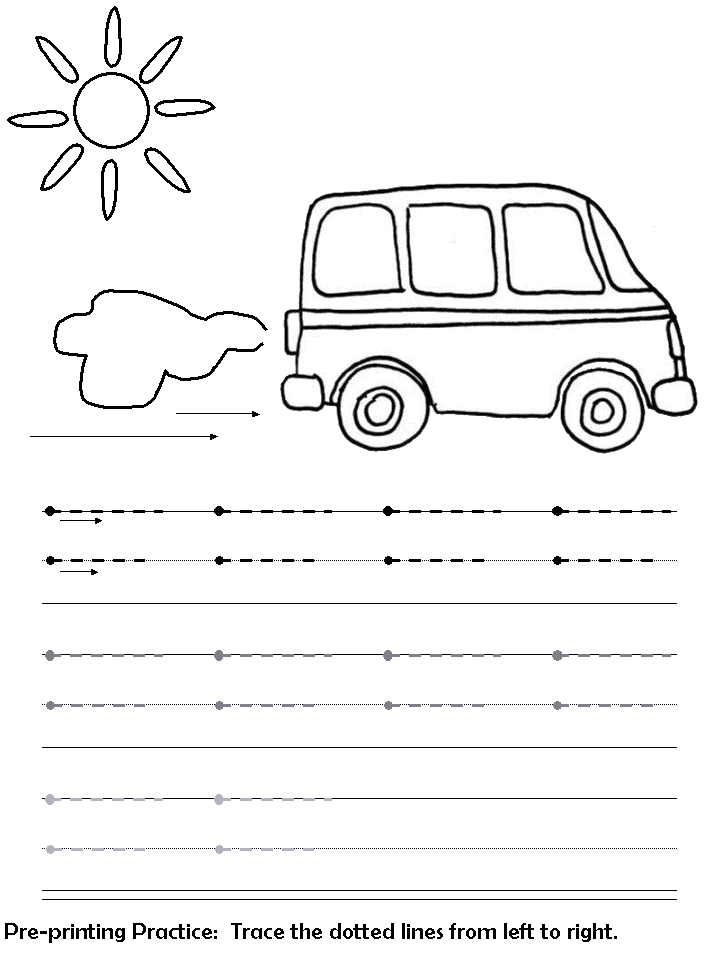
When selecting preschool writing worksheets with lines, look for pages that match a preschooler’s developmental level. Simplicity is key: large text, uncluttered layouts, and clear tracing prompts are easier for young learners to use. The activity should feel achievable, not demanding fine motor precision that comes later. A good worksheet invites short, successful practice sessions and keeps attention on basic control. If the page looks busy or the lines are too small, it may be better saved for older children.