
Math worksheets with addition and subtraction help learners practice two core skills in one place. They usually mix problems that add and subtract, giving children a chance to switch between operations and build confidence with number facts. These worksheets are common for classroom review, homework, and extra practice at home, and they often come in formats that match different ages, skill levels, and pacing needs.
Common Worksheet Types
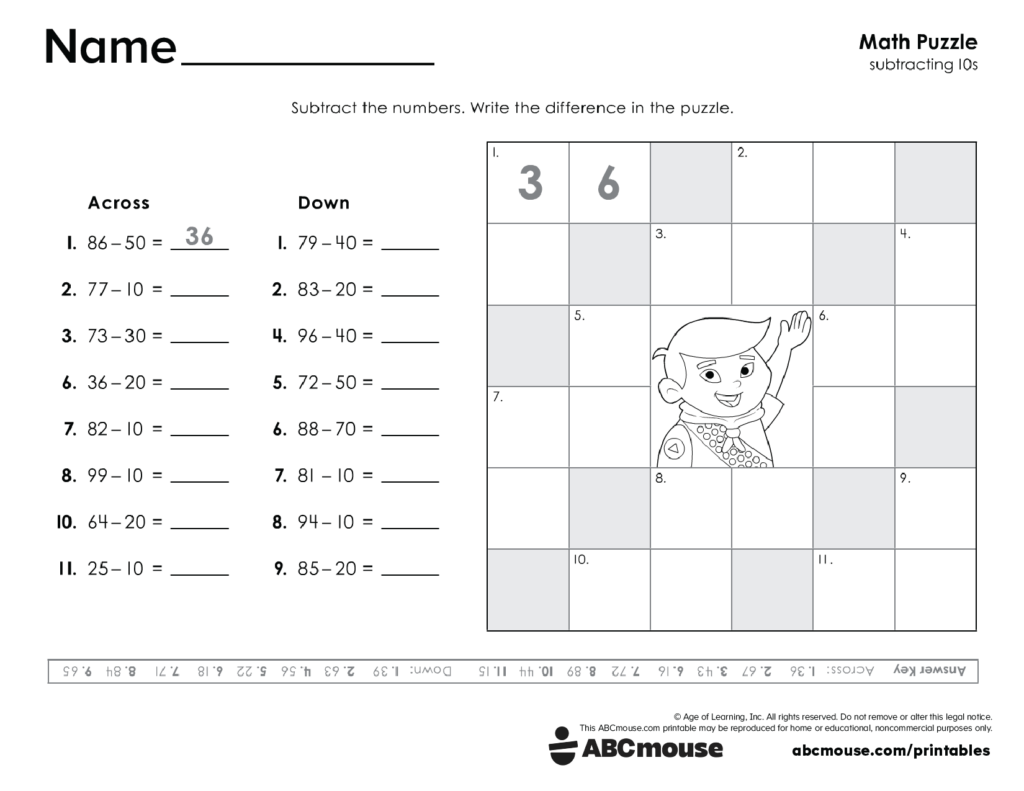
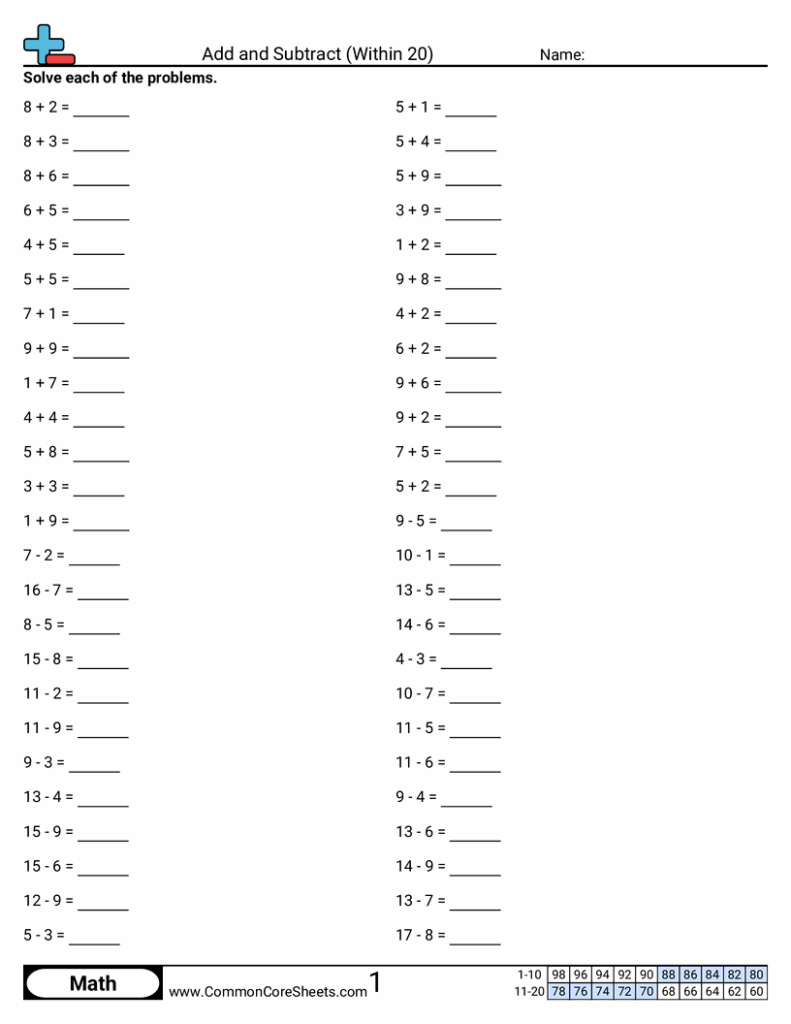
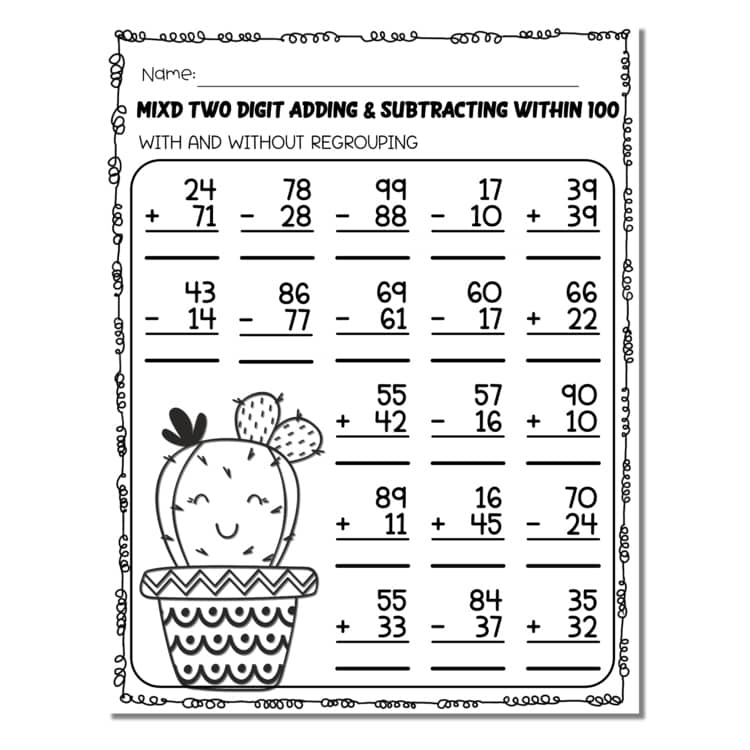
These worksheets are usually organized by number range, grade level, or problem style. Some focus on basic facts within 10 or 20, while others move into two-digit or three-digit equations. Many use vertical or horizontal problems, missing-number questions, or simple word problems. A mixed worksheet may also alternate addition and subtraction on the same page, which helps learners practice recognizing the operation before solving. This variety makes it easier to choose practice that feels appropriate rather than too easy or too crowded.
How to Choose
The best worksheet is one that matches the learner’s current comfort level. For beginners, look for larger numbers in a small range, clear spacing, and only a few problems per page. For more advanced practice, choose mixed pages with larger numbers, regrouping, or timed review. It also helps to check whether the layout is printable, one-sided, or designed for quick checking. If a child is still learning the difference between addition and subtraction, a worksheet with visual cues or simple directions can be especially useful.
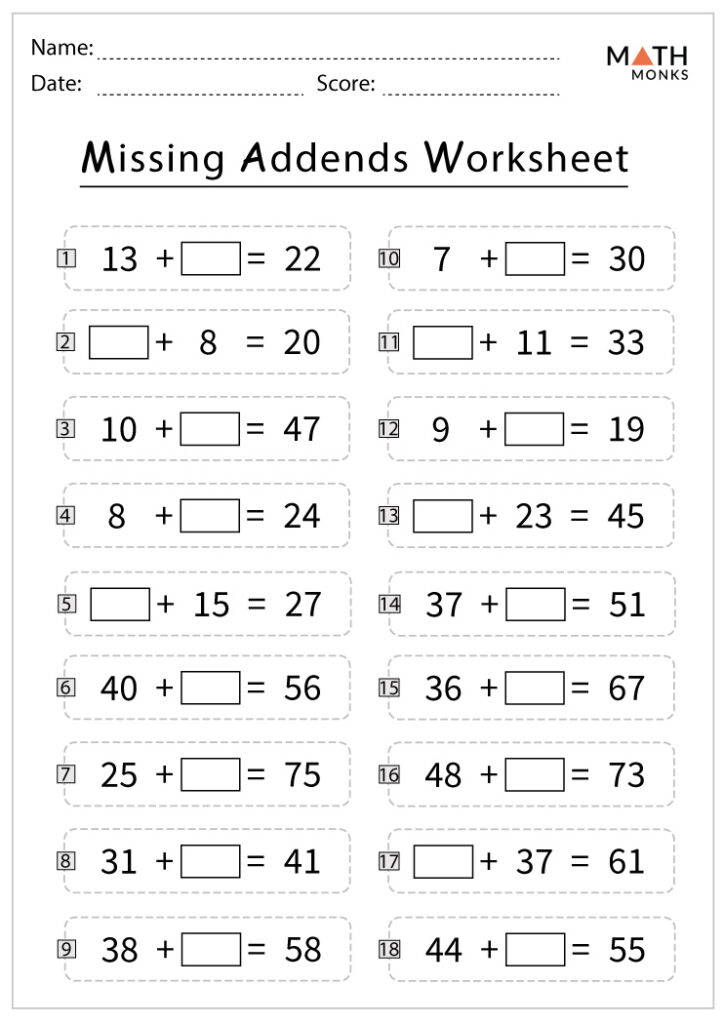
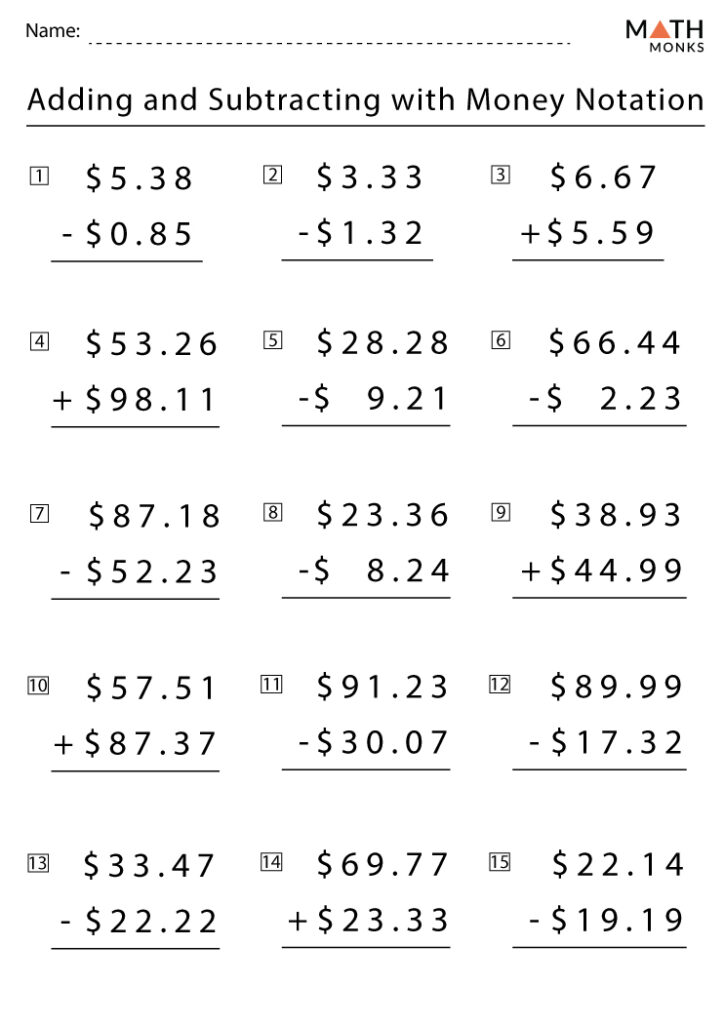
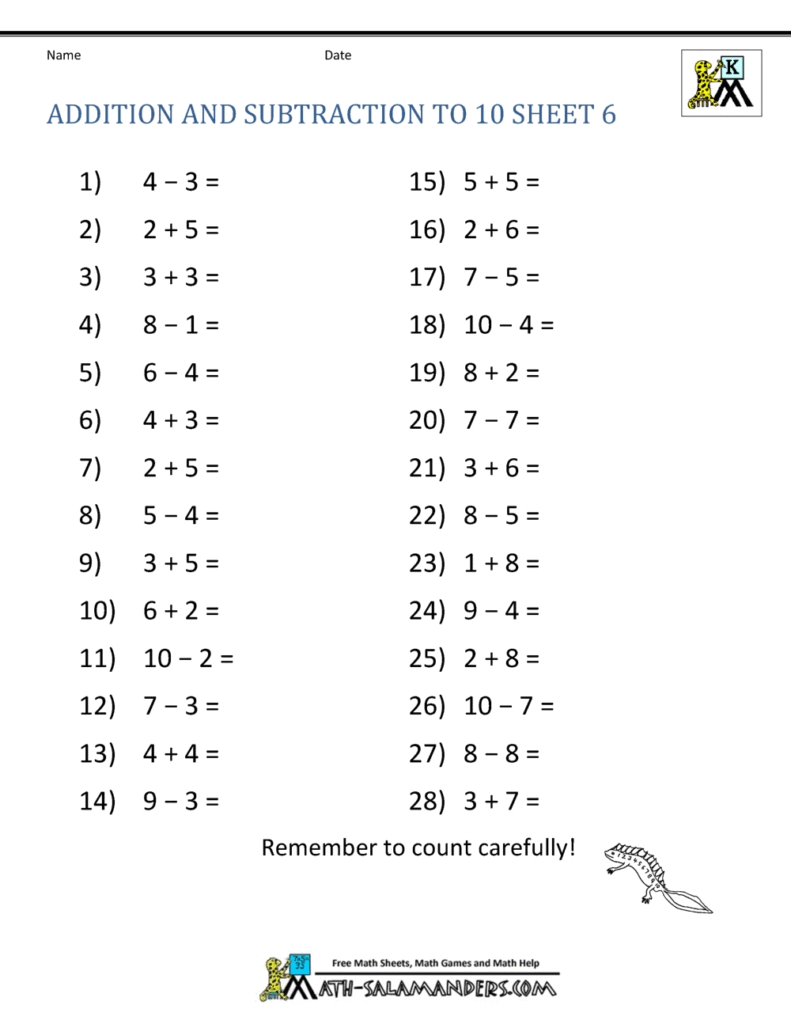
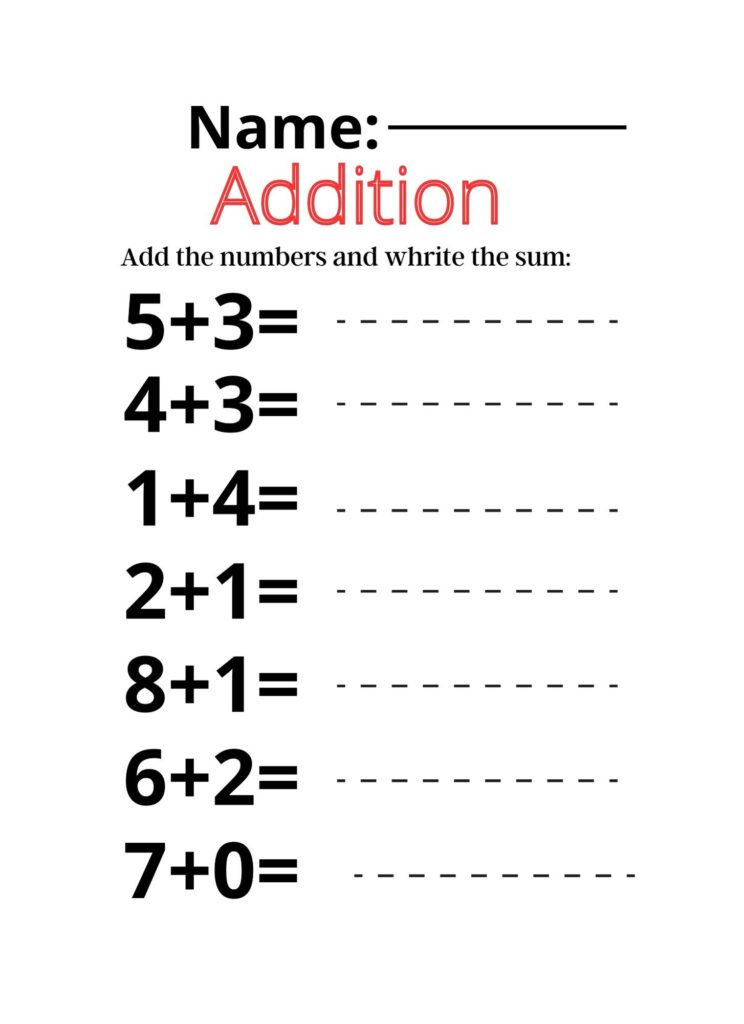
When a page offers specific downloadable or printable resources, look for worksheet sets that are clearly labeled by grade, topic, or difficulty. Helpful resources usually specify whether they include mixed addition and subtraction, single-operation review, or fact practice across a number range. Clear titles and preview pages make it easier to know what is inside before printing. For the best results, pick a worksheet that fits both the math skill and the format the child can work through independently, then use it as focused practice rather than a full lesson.



