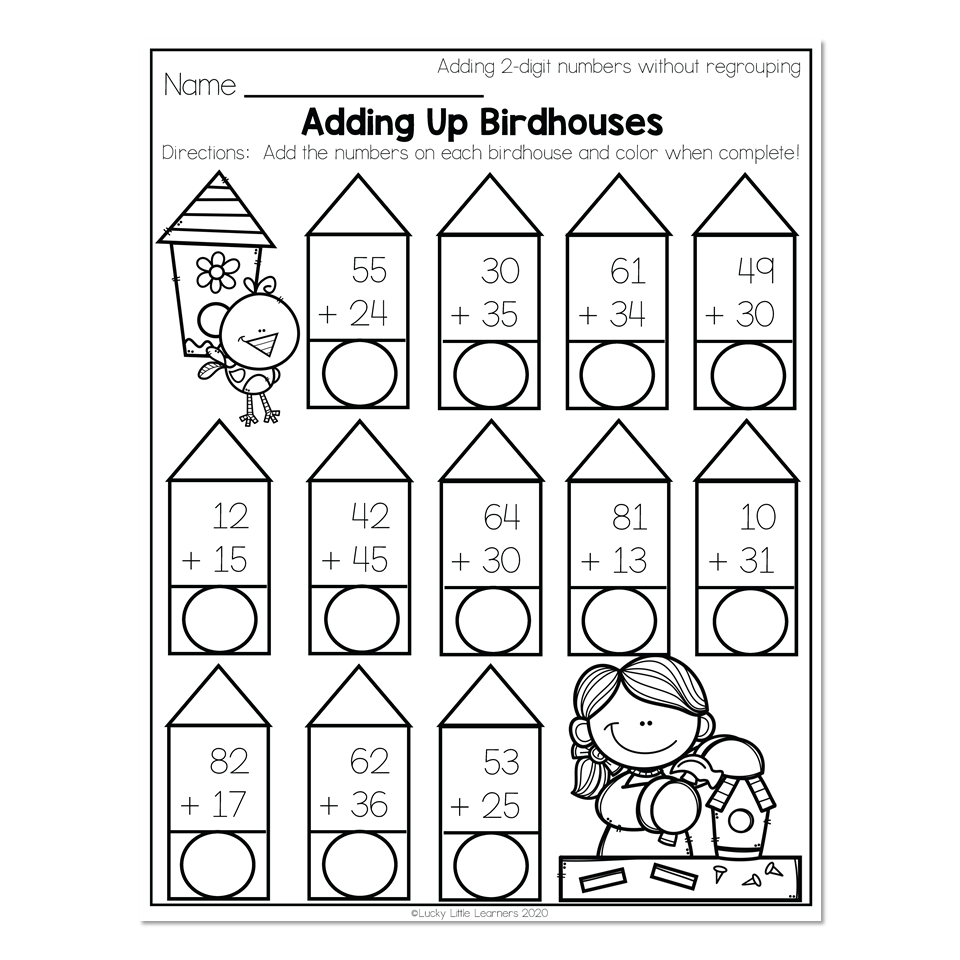
Addition worksheets no regrouping give learners a simple way to practice basic facts without needing to carry into the next place value. That makes them a good fit for beginners who are still building confidence with one- and two-digit addition. The best worksheets keep the sums manageable, the layout clear, and the focus on accuracy rather than advanced problem solving.
What No Regrouping Means
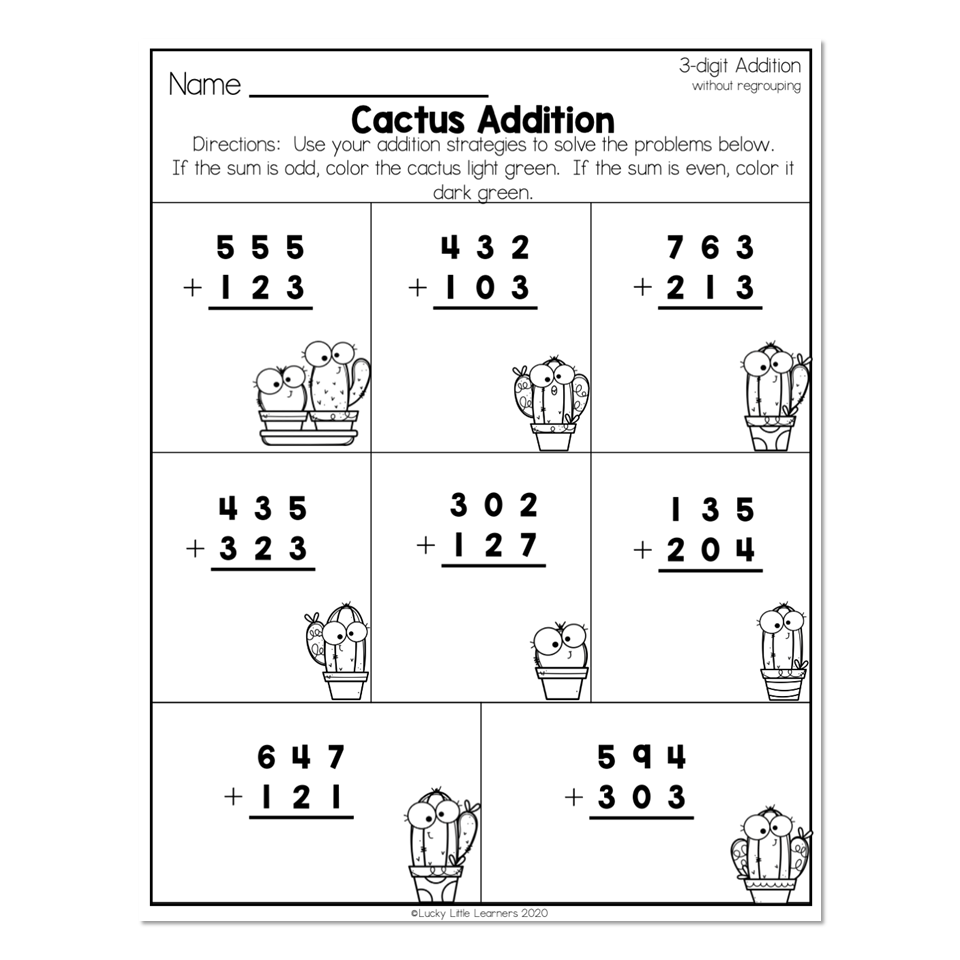
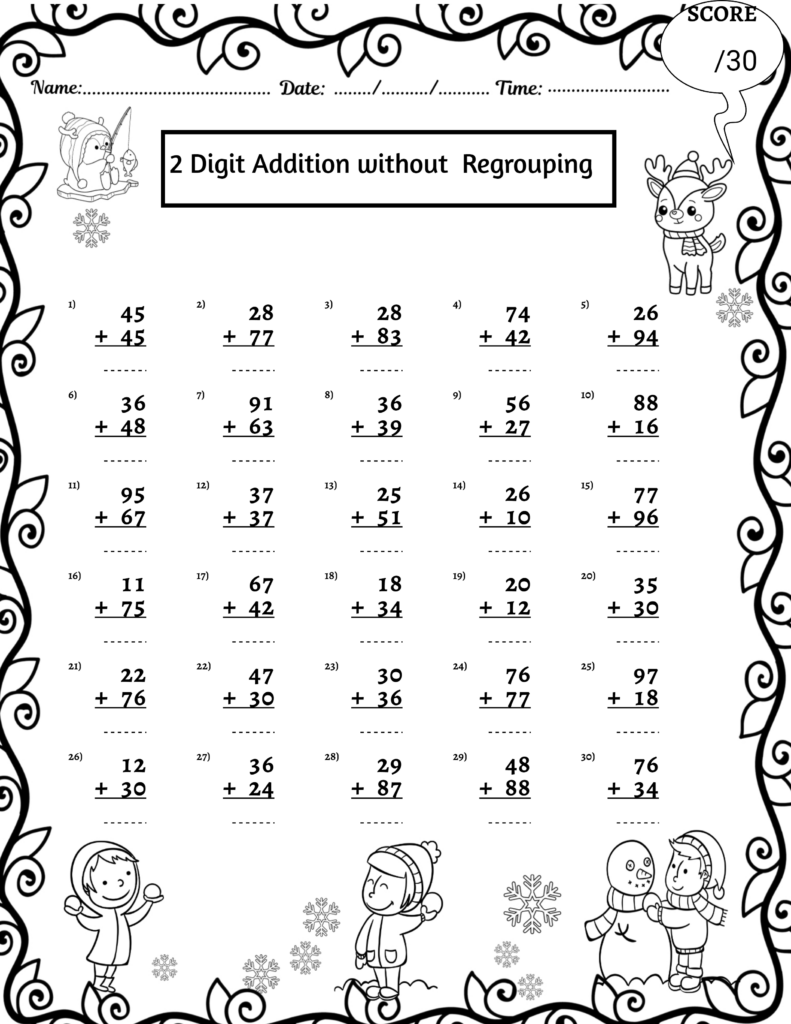
No regrouping means every problem can be solved directly, with each place value staying separate. In a two-digit problem, the ones digits add to 9 or less, so there is no need to carry a ten into the tens place. For example, 23 + 14 can be solved by adding 3 + 4 and 2 + 1. This helps students practice place value awareness while keeping the arithmetic straightforward. It is especially useful when a learner is still mastering number relationships and simple mental addition.
Who These Worksheets Fit
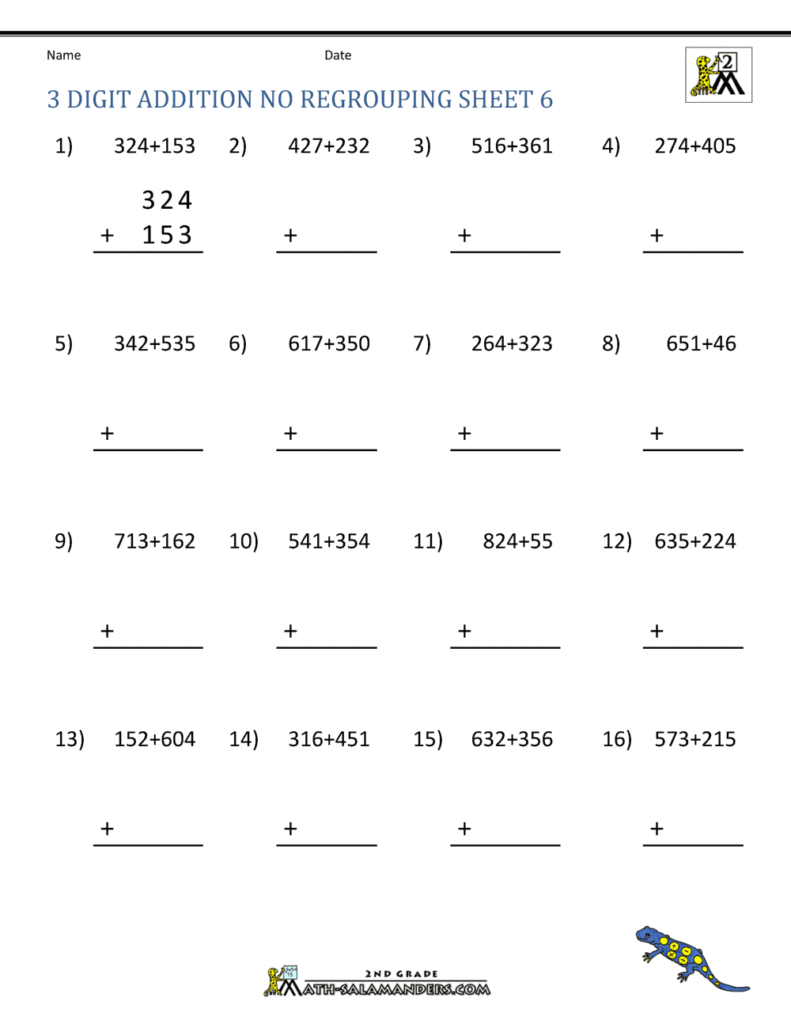
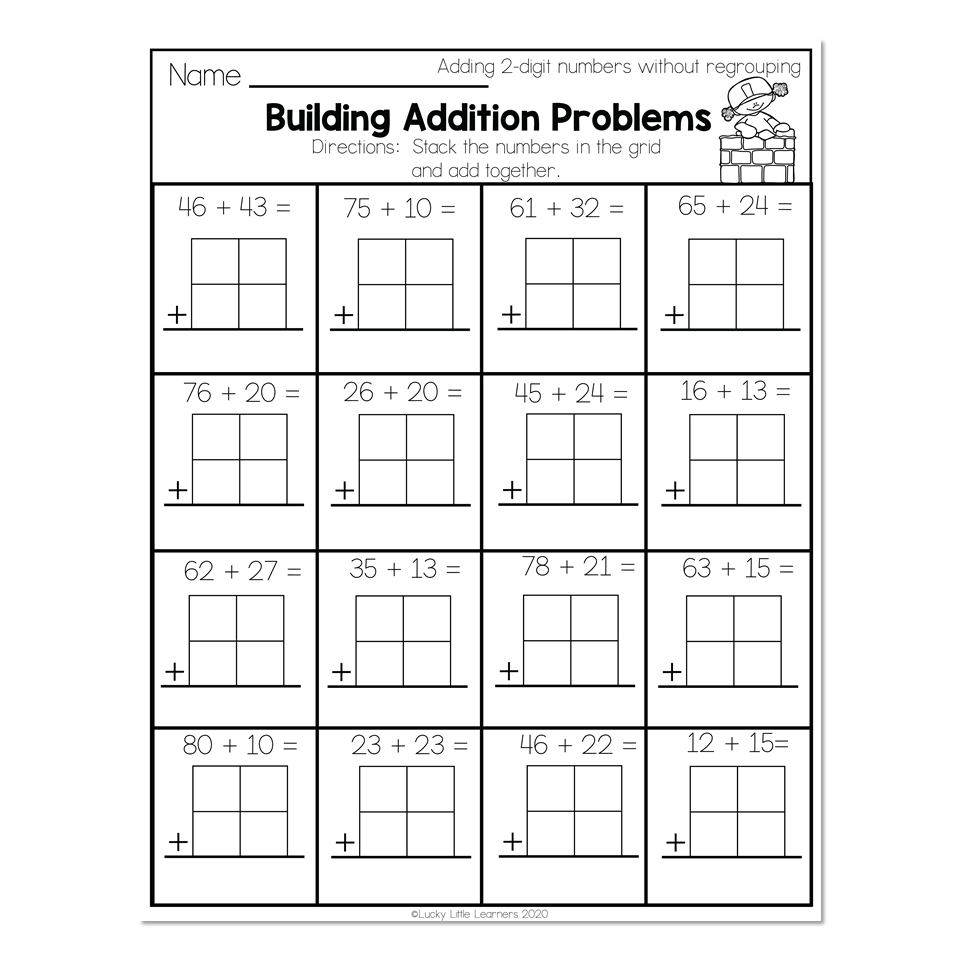
These worksheets usually suit early elementary students, especially kindergarteners, first graders, and some second graders who are practicing addition for the first time or reviewing basic skills. They also work well for learners who need extra confidence before moving on to regrouping. A good match depends on the child’s current place-value understanding. If a student still needs support recognizing tens and ones, no-regrouping problems provide practice without adding an extra skill demand.
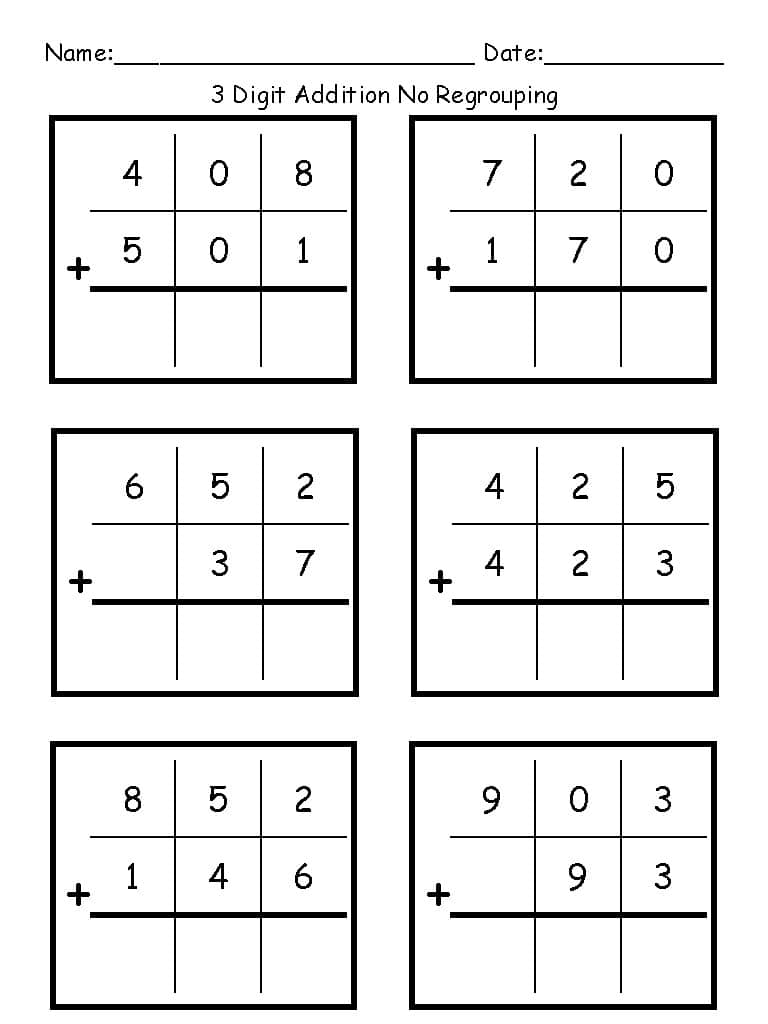
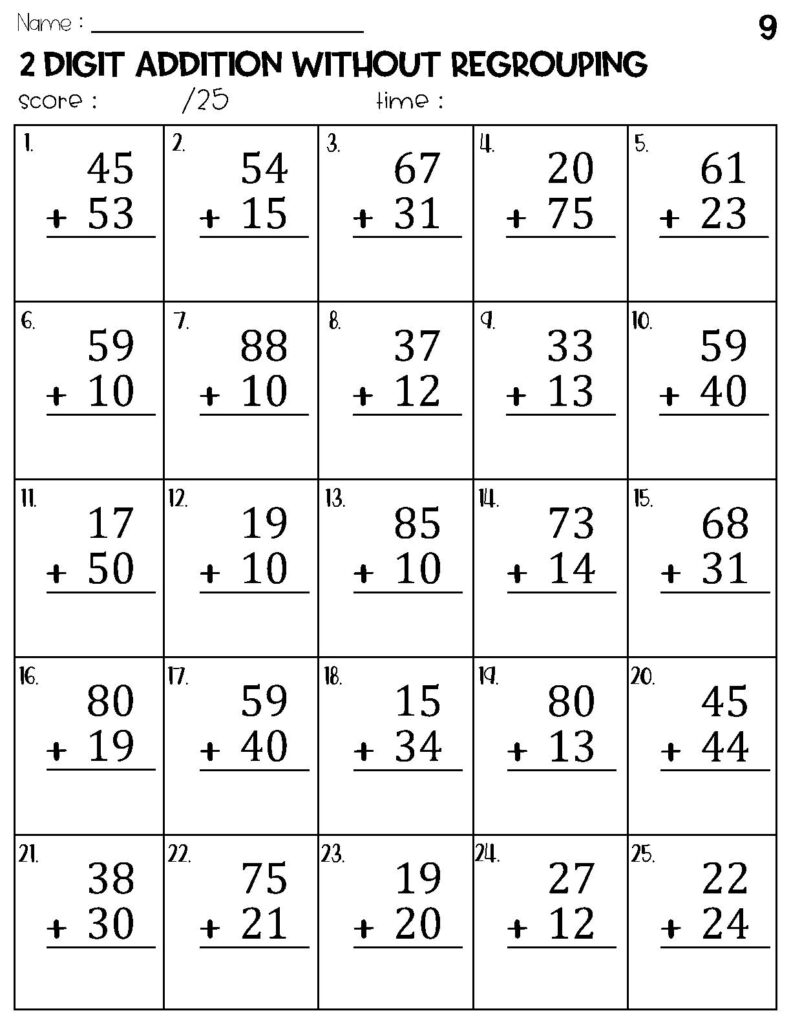
When choosing a worksheet, look for clear numbers, enough space to write answers, and a balanced set of problems that gradually builds practice. Some pages may use vertical equations, others horizontal ones, and both can be helpful if the layout stays easy to follow. Simple visuals or mixed problem sets can keep practice engaging without making the math harder. The best choice is one that matches the learner’s level today and lets them succeed with addition before regrouping is introduced.