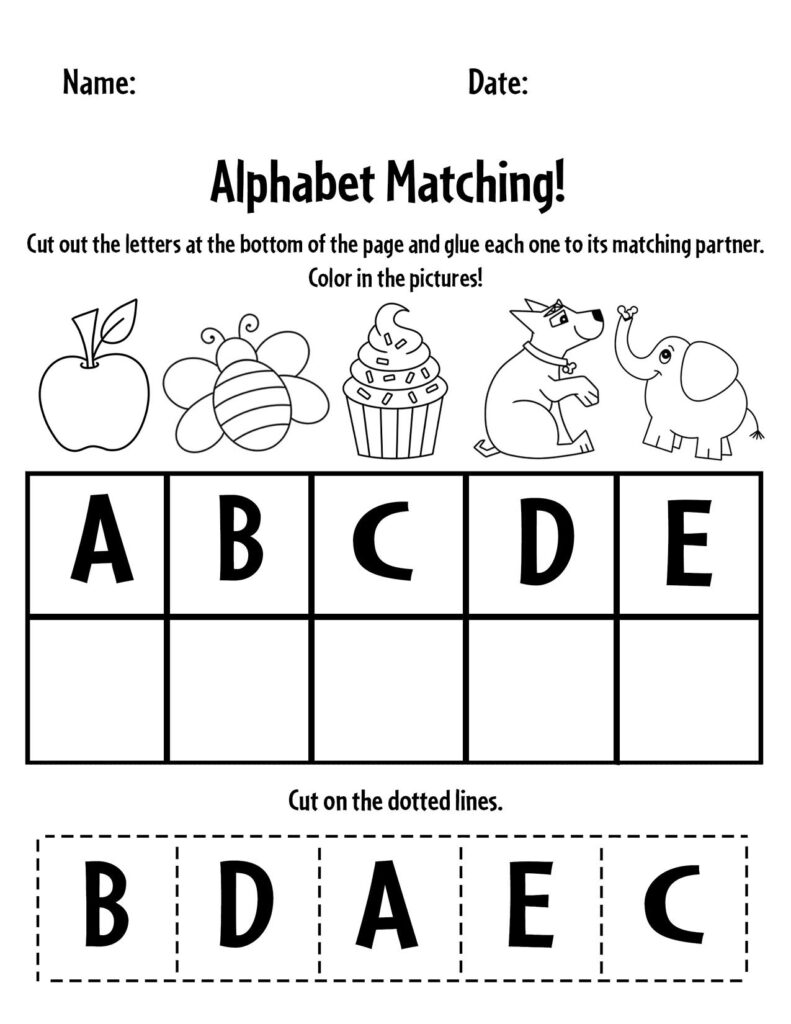
Preschool letter matching worksheets give young children a simple way to practice recognizing letters and telling them apart. The best pages keep the task clear: match identical letters or pair uppercase and lowercase forms in a preschool-friendly format. At this age, the goal is not speed. It is helping children notice shapes, build early alphabet awareness, and feel confident with basic pre-reading practice.
What They Teach
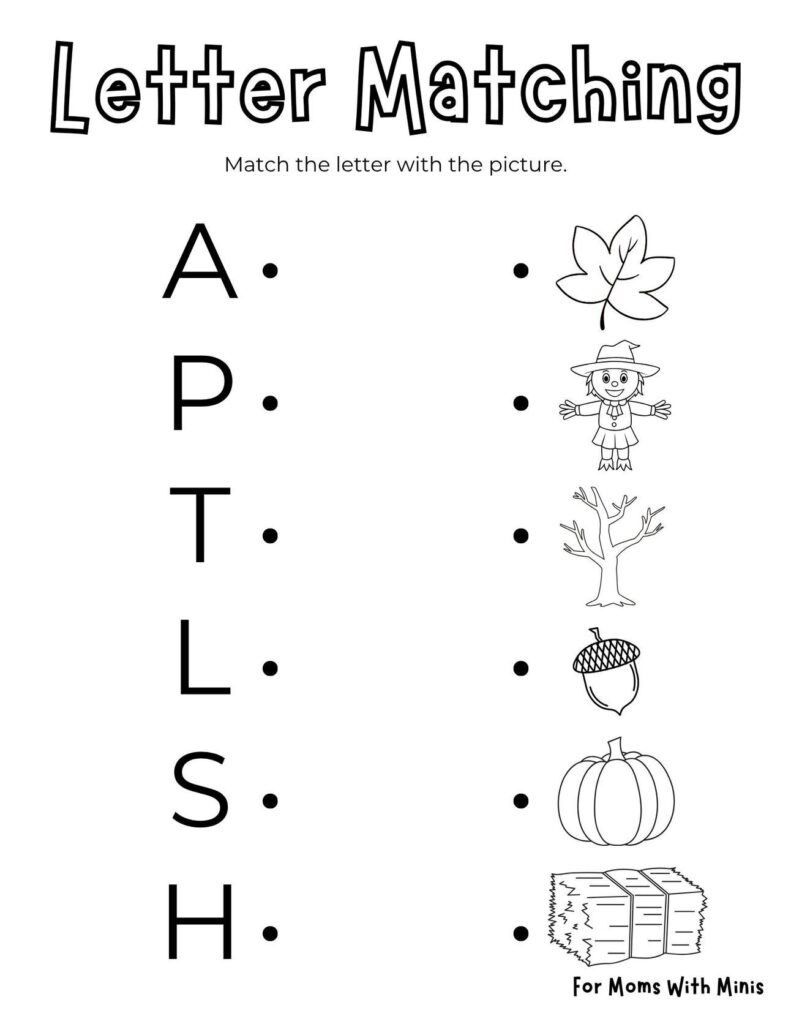
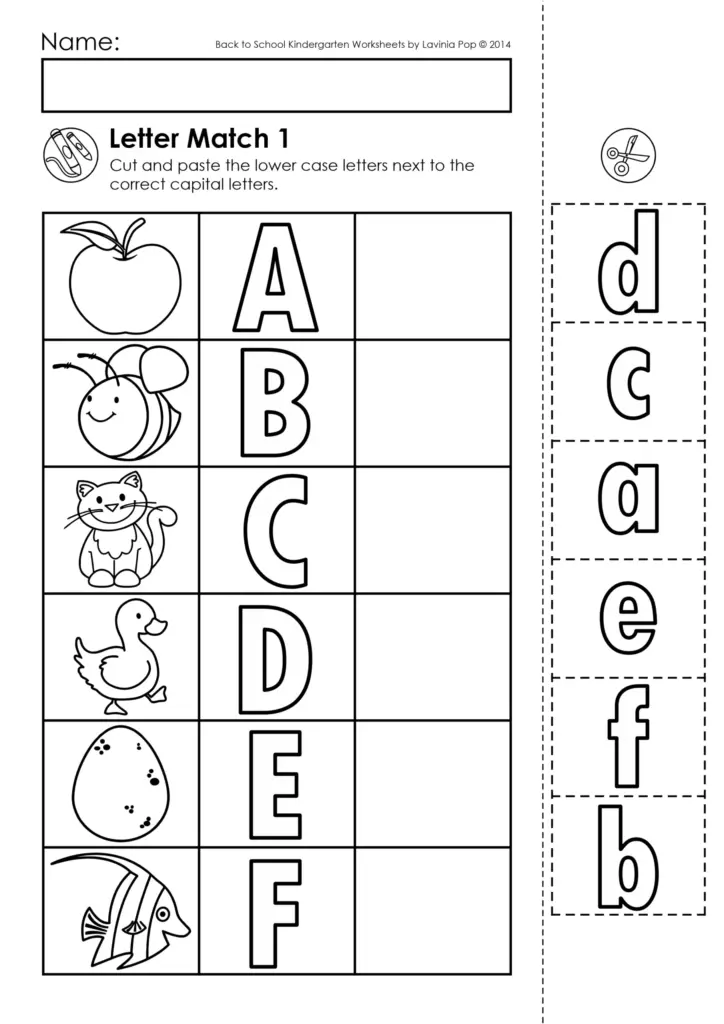
These worksheets support a few core skills at once. Children learn to recognize letters visually, compare similar shapes, and match the same letter in different forms. That kind of repetition helps strengthen alphabet recognition without adding too much complexity. A child may circle matching pairs, draw lines between letters, or connect uppercase and lowercase versions. Each format gives simple practice with letter discrimination and prepares children for later reading tasks that depend on noticing print carefully.
Best Worksheet Features
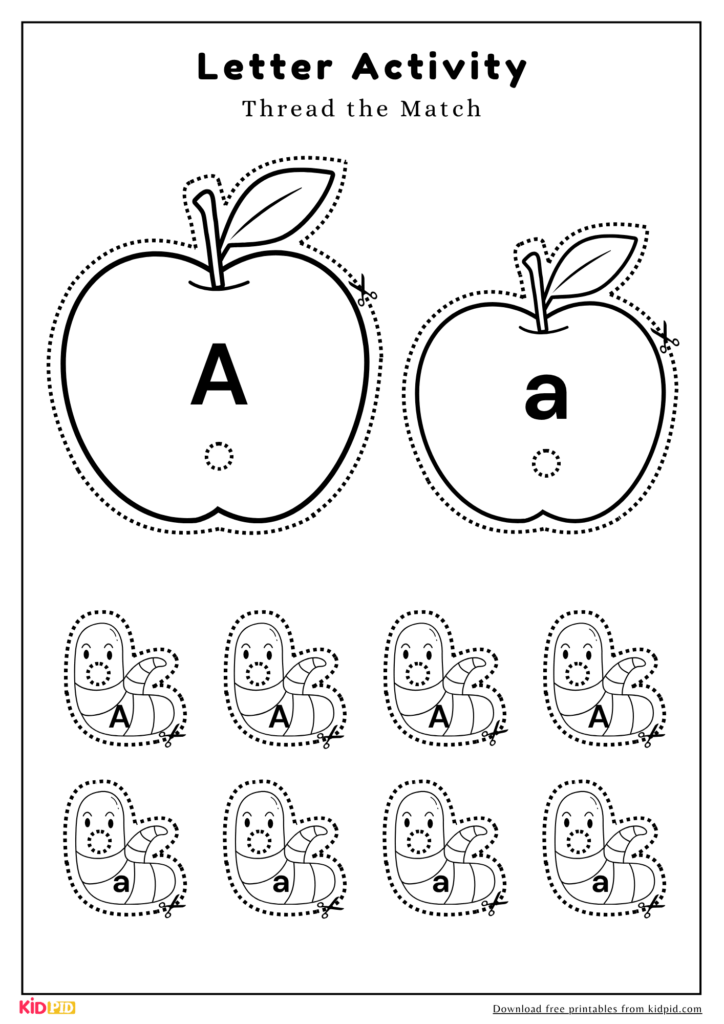
The most useful preschool letter matching worksheets are easy to understand at a glance. Clear instructions matter, especially when a child is working with little adult help. Large letters make matching easier, and minimal distractions keep attention on the alphabet task itself. Simple layouts, bold outlines, and plenty of white space are helpful. Many preschool worksheets also include easy-to-trace or cut-and-match sections, which add hands-on practice without making the page feel crowded or confusing.
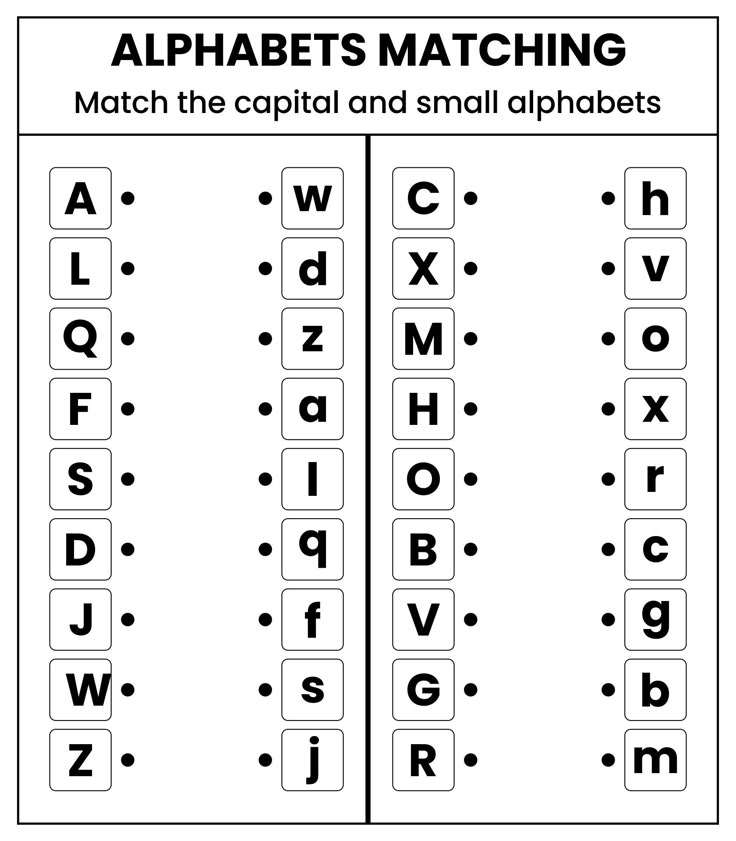
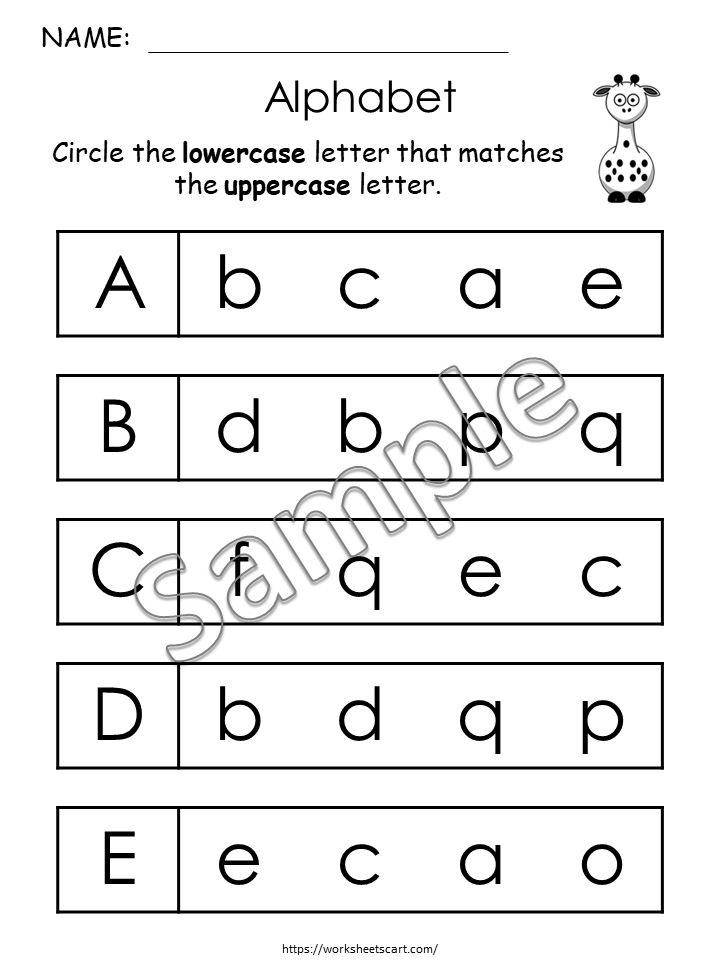
These worksheets work well in short sessions, either as a warm-up, a center activity, or a quick review. Adults can point to one letter at a time, say the name of the letter, and ask the child to find its match. For younger preschoolers, start with just a few pairs on a page. For children who are ready, use uppercase-to-lowercase matching to build familiarity with both forms. The key is keeping the task calm, clear, and repetitive enough to support learning without frustration.
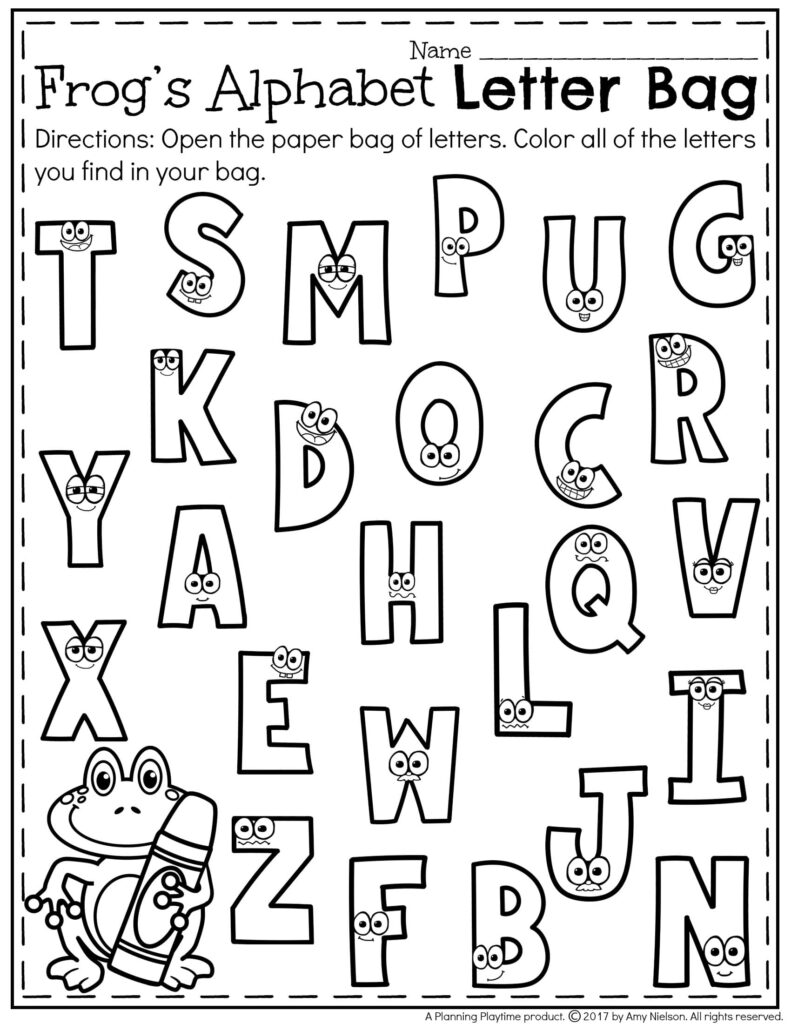
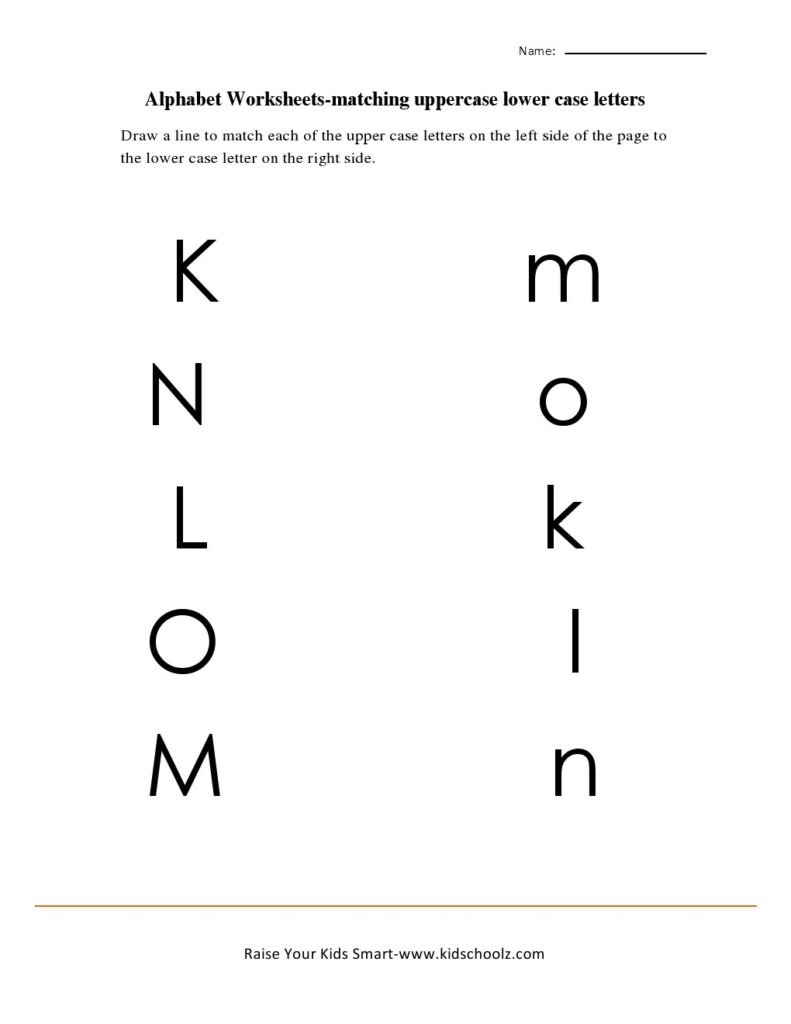
A good preschool letter matching worksheet should feel simple, readable, and age-appropriate. When the letters are large, the directions are short, and the page stays uncluttered, children can focus on matching instead of guessing what to do. That makes the worksheet useful for alphabet recognition, letter discrimination, and early pre-reading practice. If you are choosing one, look for a format that a preschooler can understand quickly and complete with growing confidence.