Mosaic coloring pages are picture pages made from many small shapes that work together to form one larger image. Kids color the tiny sections, or “tiles,” one by one until the whole design is complete. The result is simple to understand and fun to finish, making these pages a good pick for quiet time, travel, or an easy at-home activity.
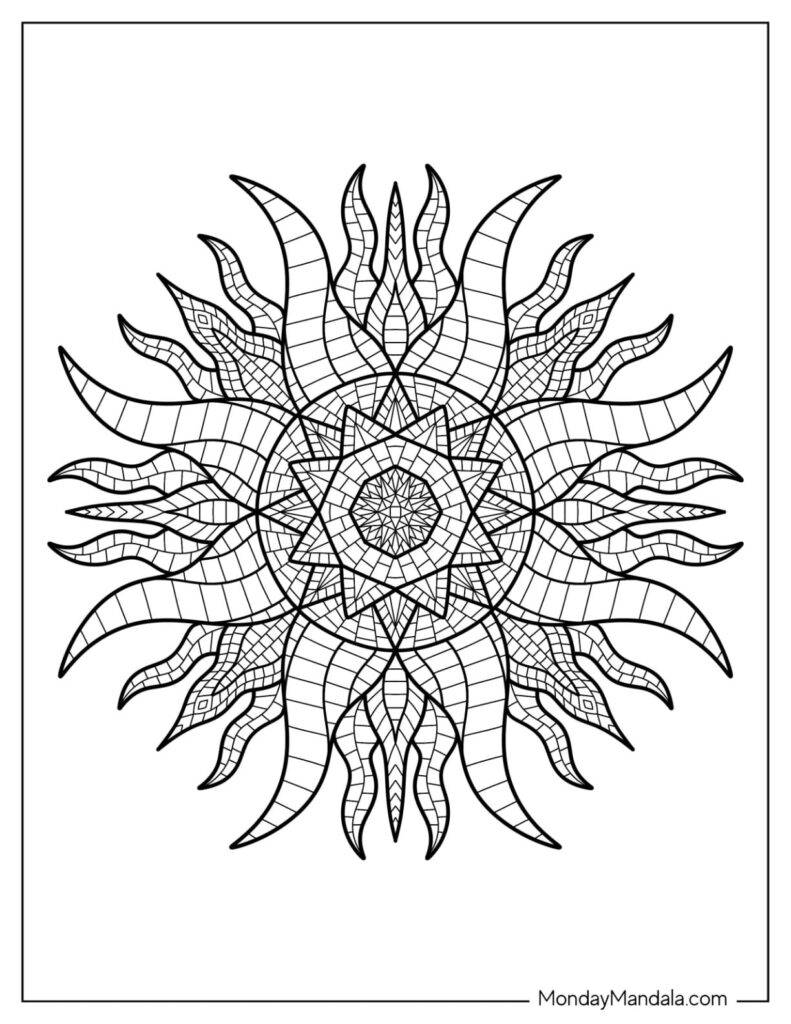
The basic activity is all about following the small pattern inside the picture. Some pages use repeated geometric shapes, while others look like animals, foods, or seasonal scenes divided into neat sections. Children can fill each tile with a single color, repeat a color pattern, or mix shades for variety. Because the image is already outlined, the page feels guided without being complicated.
Choosing by age
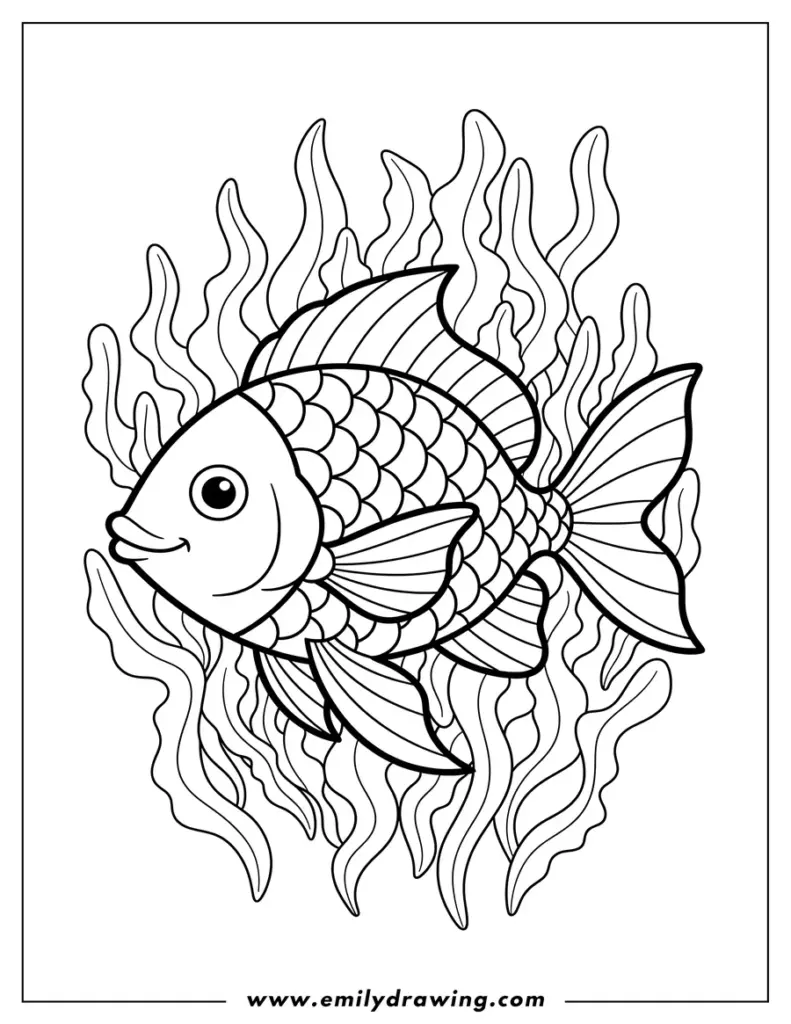
When choosing mosaic coloring pages, age and pattern size matter most. Younger children usually do better with larger sections and simpler outlines because they can color more easily without feeling frustrated. Older kids may enjoy pages with smaller pieces, tighter patterns, or more detailed pictures. If a page has many tiny spaces, it is usually better for a child who likes careful coloring and longer projects.
Simple pattern styles
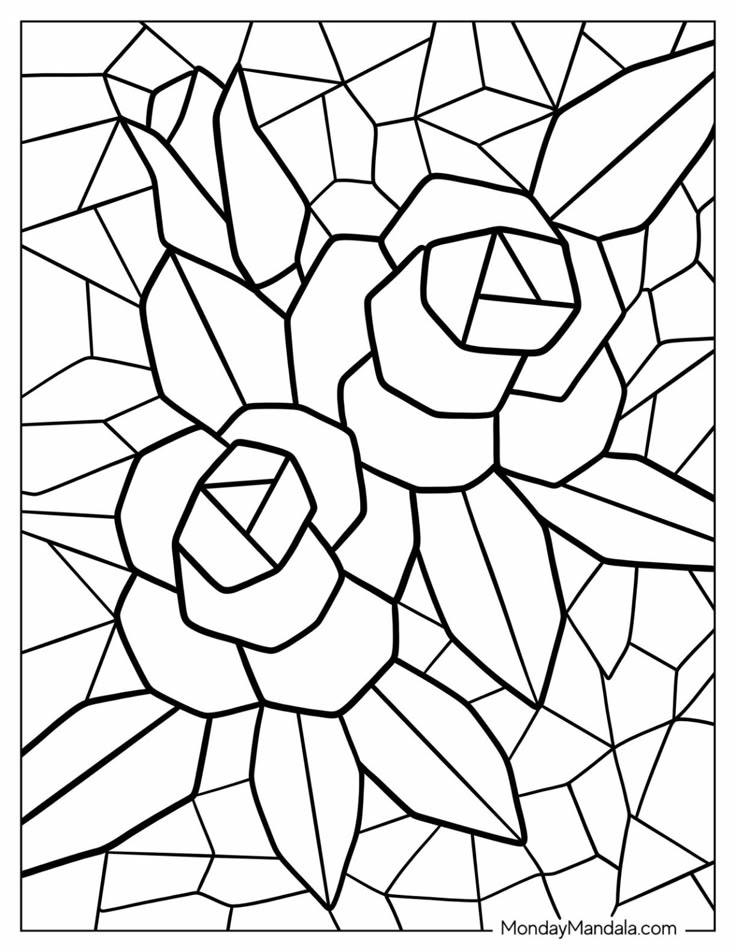
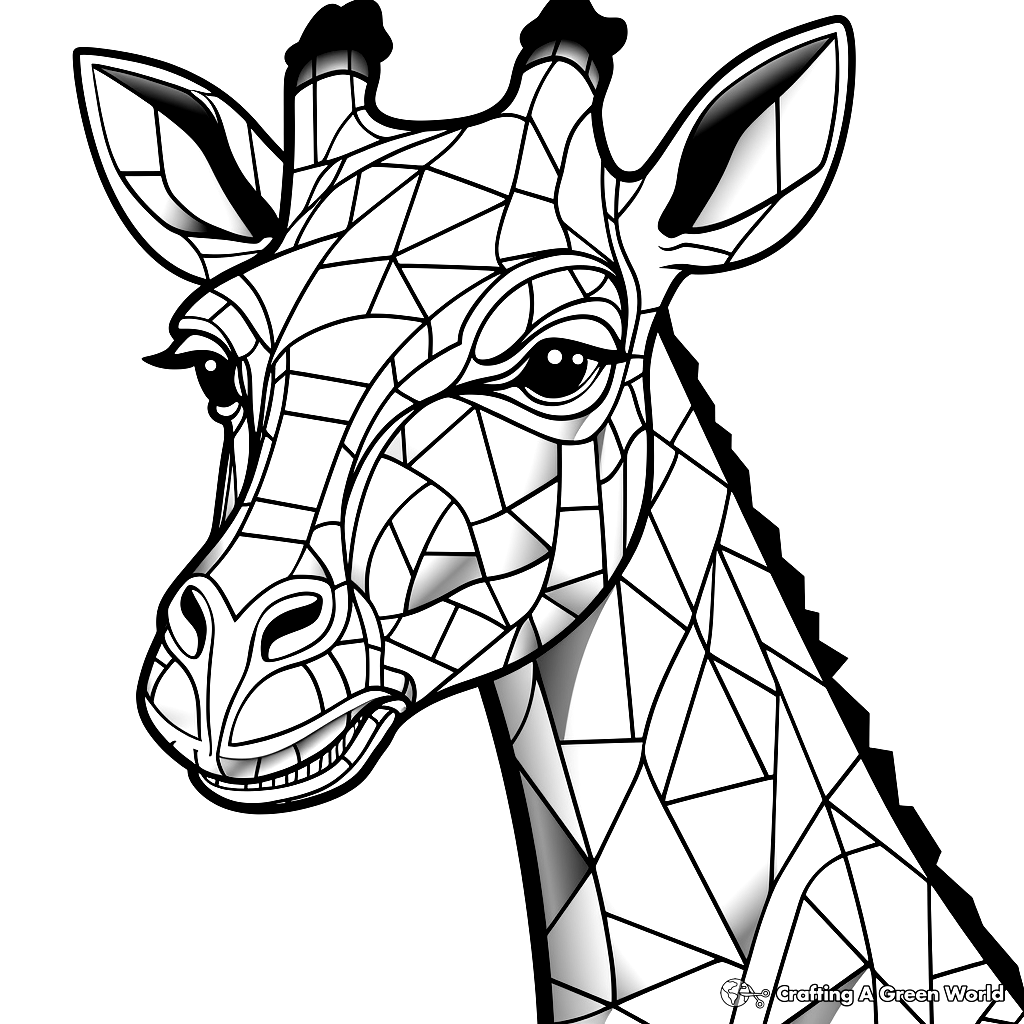
Pattern complexity is another helpful guide. A page with bold, repeating blocks is easier to finish, while one with many fine shapes takes more focus. If a child is new to this kind of coloring, a page with clear borders and fewer sections is a comfortable start. For children who enjoy a challenge, a busier design can feel more rewarding because the finished picture appears more detailed.
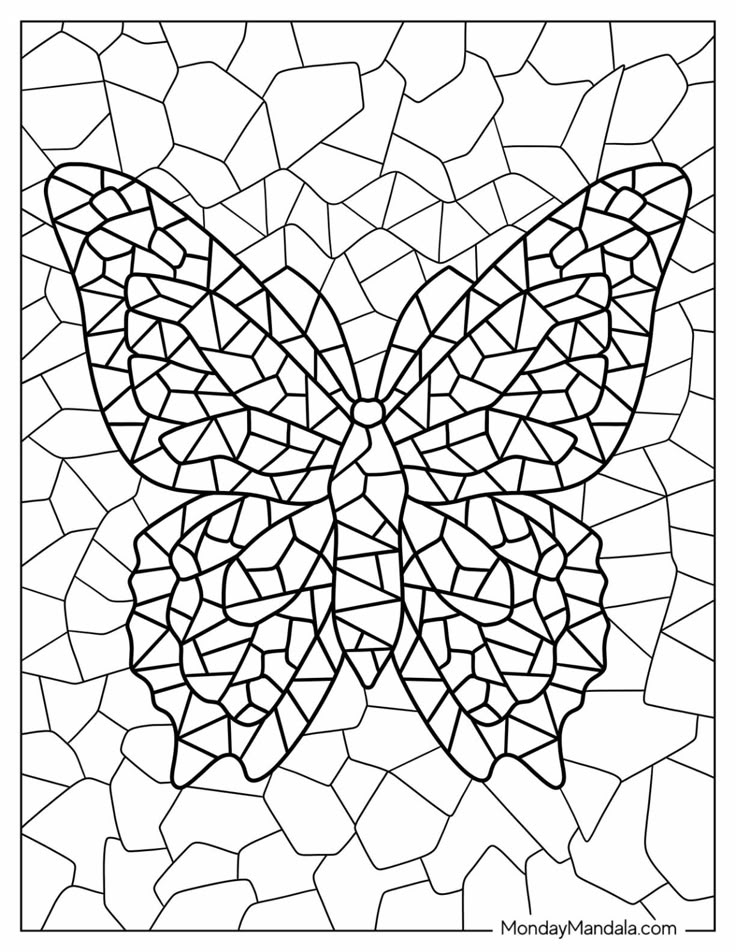
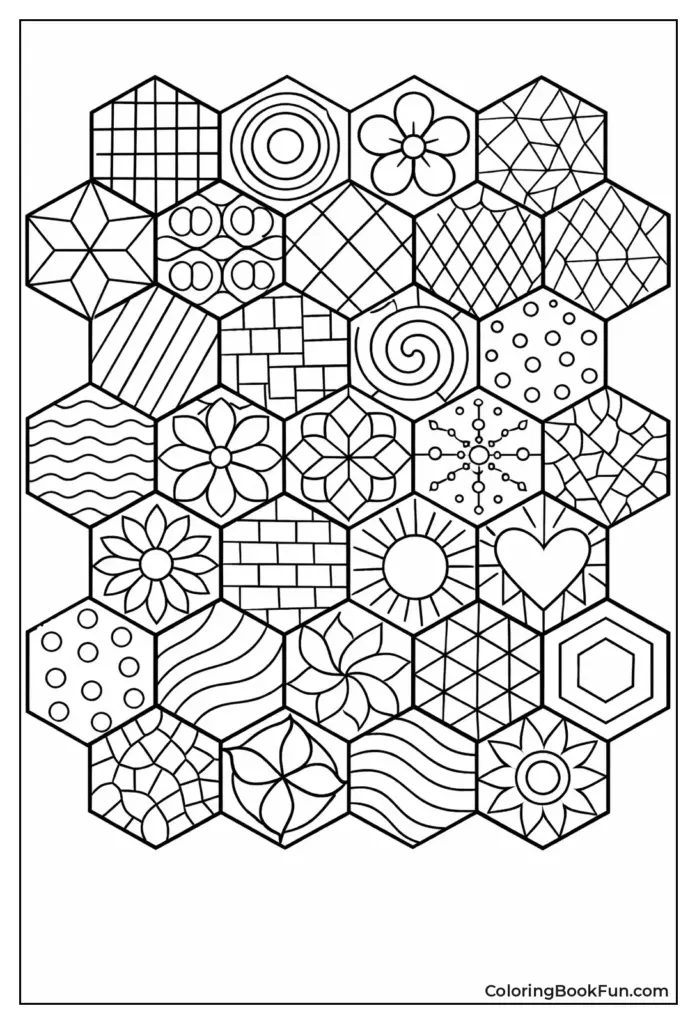
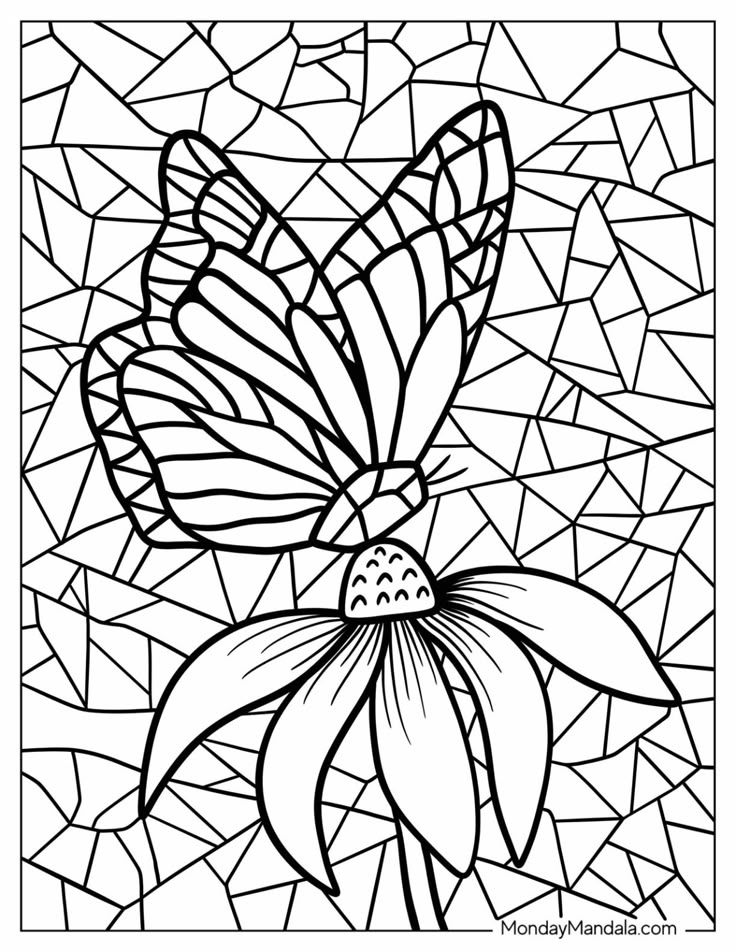
In practice, mosaic coloring pages work well as a quick printable activity that can match a child’s skill level. Look for pages that feel fun rather than overwhelming, and choose images the child will recognize and want to complete. A simple design can build confidence, while a more detailed one can keep an older child interested. The best page is one that invites coloring without making the image too hard to enjoy.