
Twisty Noodle worksheets are printable practice pages for young children, usually designed for tracing, handwriting, coloring, and early learning skills. They’re meant to be simple, repeatable activities that help kids build confidence with pencils, letters, numbers, and basic concepts. If you’re looking for age-appropriate options, the main goal is to match the worksheet to the child’s current skill level and the topic they’re learning.
Common worksheet types
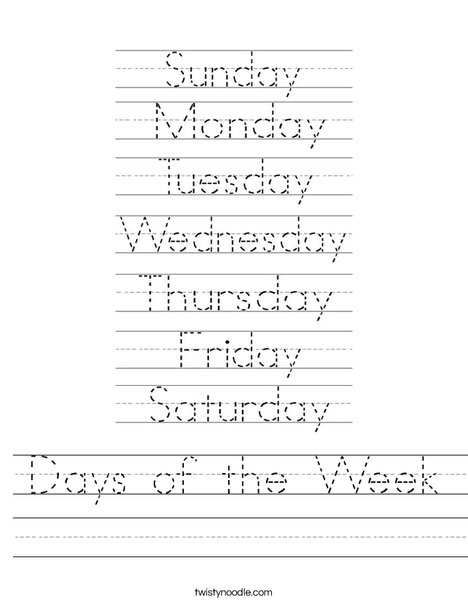
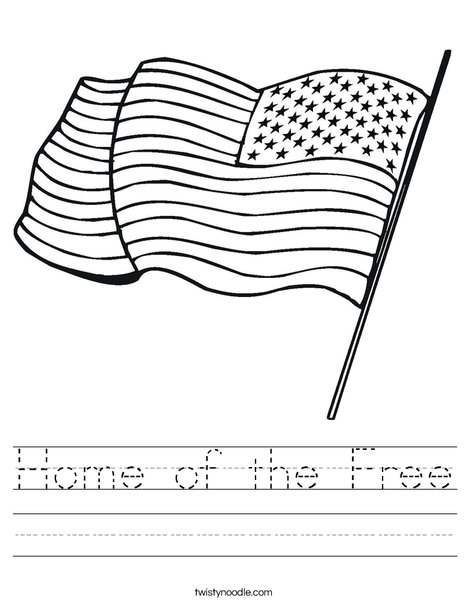
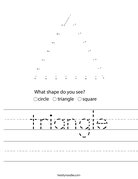
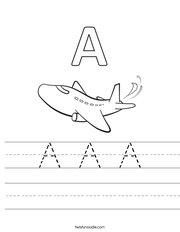
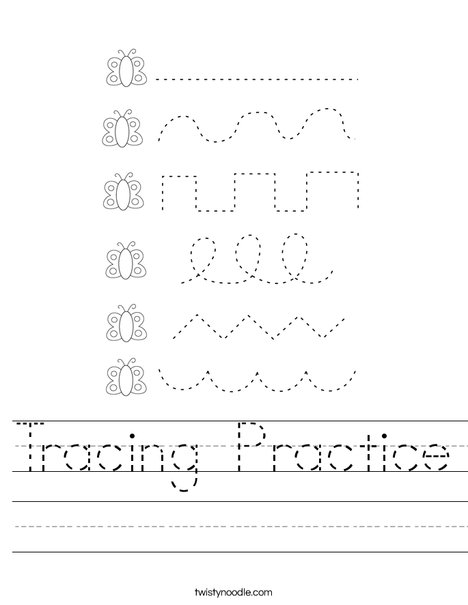
The most common Twisty Noodle worksheet types are tracing pages, handwriting practice, alphabet sheets, number practice, and simple themed printables. Tracing activities may ask children to follow dotted lines, shapes, letters, or words, while handwriting pages focus on copying or tracing words and sentences. Early learning printables often add coloring or picture recognition, making them useful for preschool and early elementary learners who need short, visual practice sessions.
Choosing by age
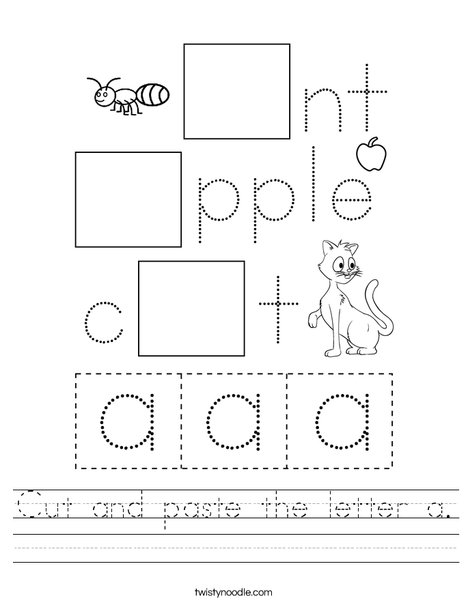
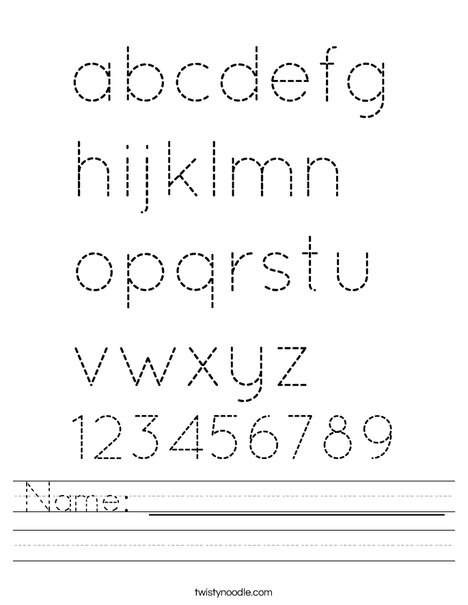
Younger children usually do best with large, simple worksheets that focus on basic pencil control, such as lines, shapes, letters, or numbers. Preschoolers may need thick tracing paths and minimal text, while kindergarten and first grade students can handle more writing and matching. Older or more advanced children benefit from worksheets with narrower lines, longer words, or subject-specific practice. The right choice depends less on age alone and more on how much writing support the child still needs.
To choose well, start with the child’s current goal. If they need motor practice, pick tracing and line-following pages. If they are learning letters, choose alphabet handwriting worksheets. For math readiness, use number and counting pages. If the child is already writing independently, look for more open-ended printables with copying, labeling, or short responses. A good worksheet should feel doable without being too easy. That balance keeps practice useful and helps children build skills one step at a time.



