
abc worksheets for preschool work best when they keep the task small and clear. For young children, the goal is usually early letter recognition, not speed or perfect writing. Look for pages that show one letter at a time, pair uppercase and lowercase forms, and use simple activities like tracing or matching. The best worksheets feel manageable, visual, and friendly to little hands.
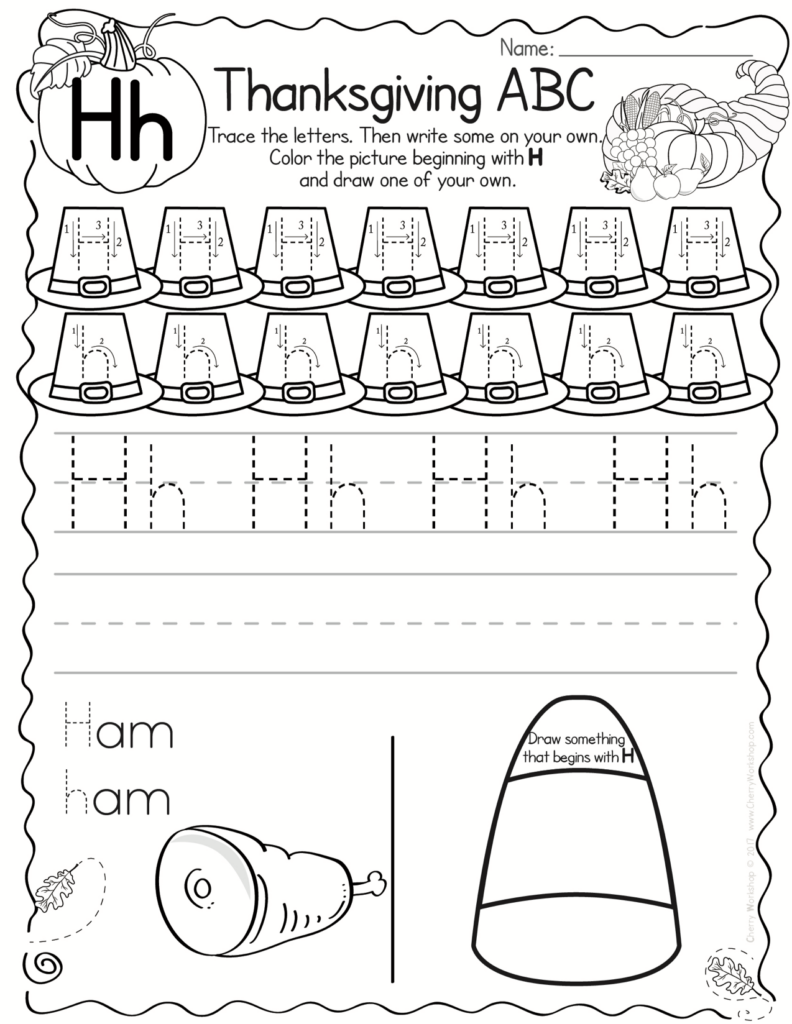
Letter Recognition Basics
For preschoolers, letter work should stay focused on one letter at a time. A good worksheet may show A and a on the same page, then ask the child to trace, circle, or match them. That kind of repetition helps children notice the shape of a letter without overload. Simple picture choices can also support recognition, especially when the task is to connect a letter to a familiar object that starts with the same sound.
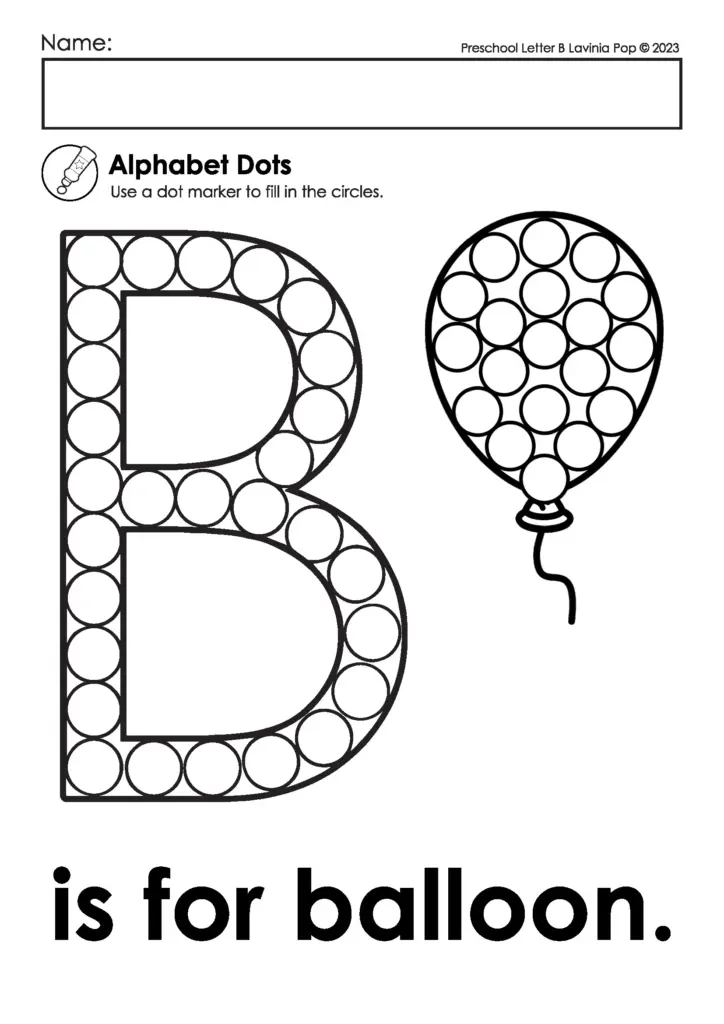
Preschool-Friendly Features
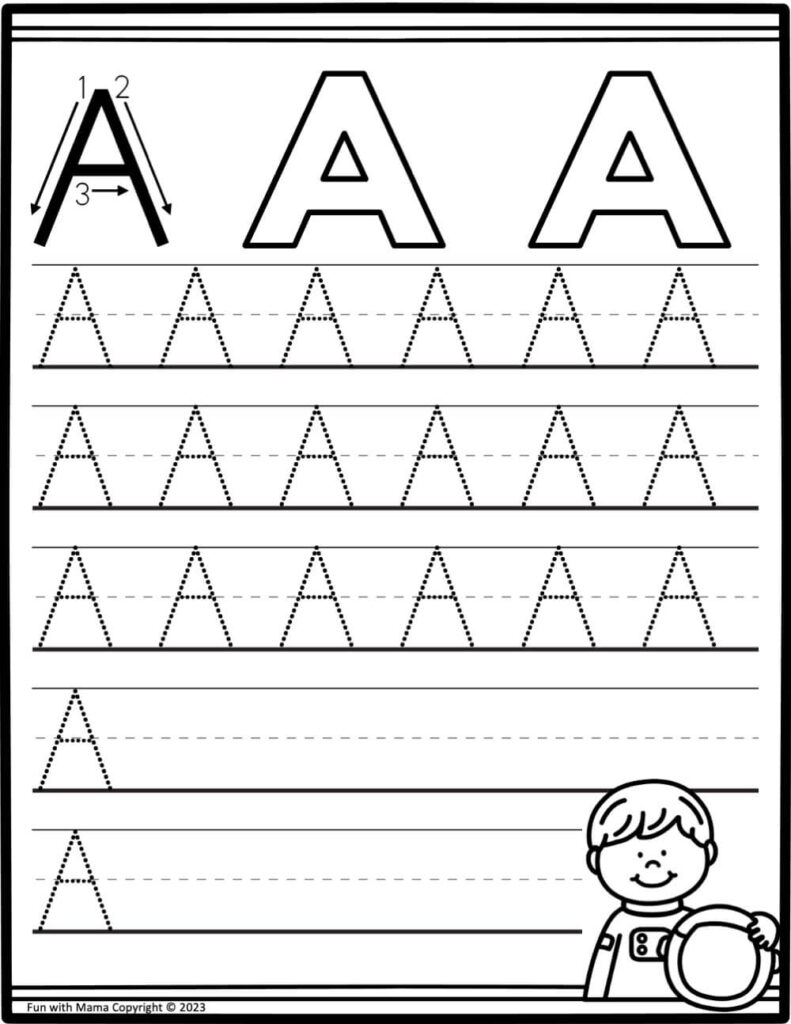
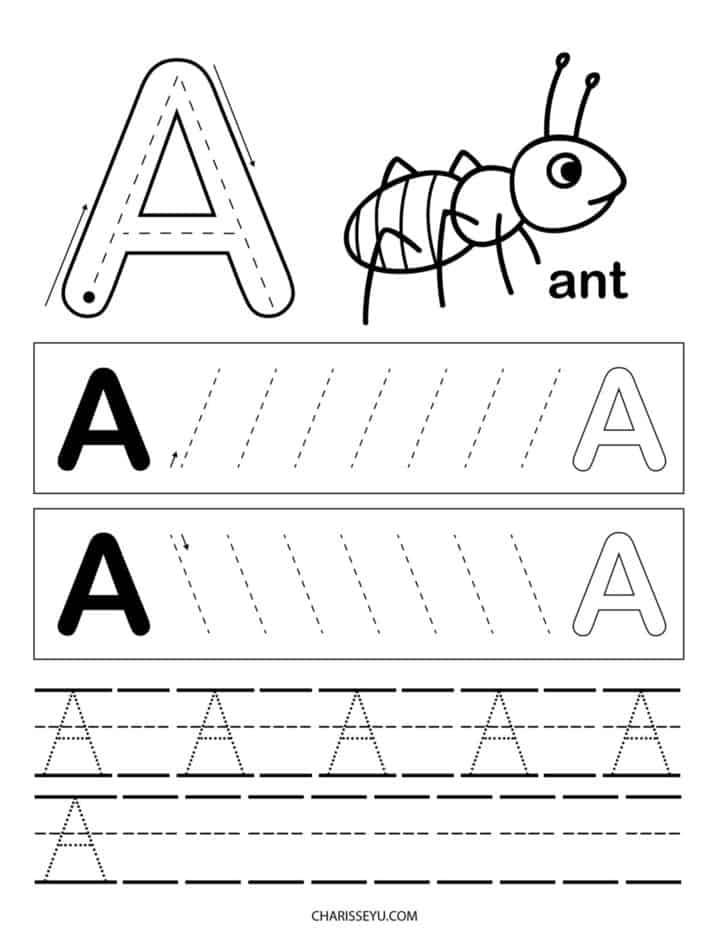
The most useful abc worksheets for preschool usually have large outlines, plenty of white space, and minimal written directions. Fine-motor skills are still developing, so thick lines and short tracing paths are easier than crowded pages. Clear visuals matter more than extra decoration. If a worksheet feels busy or uses long instructions, it may be better saved for older children. Preschool worksheets should invite quick success and keep the focus on the letter itself.
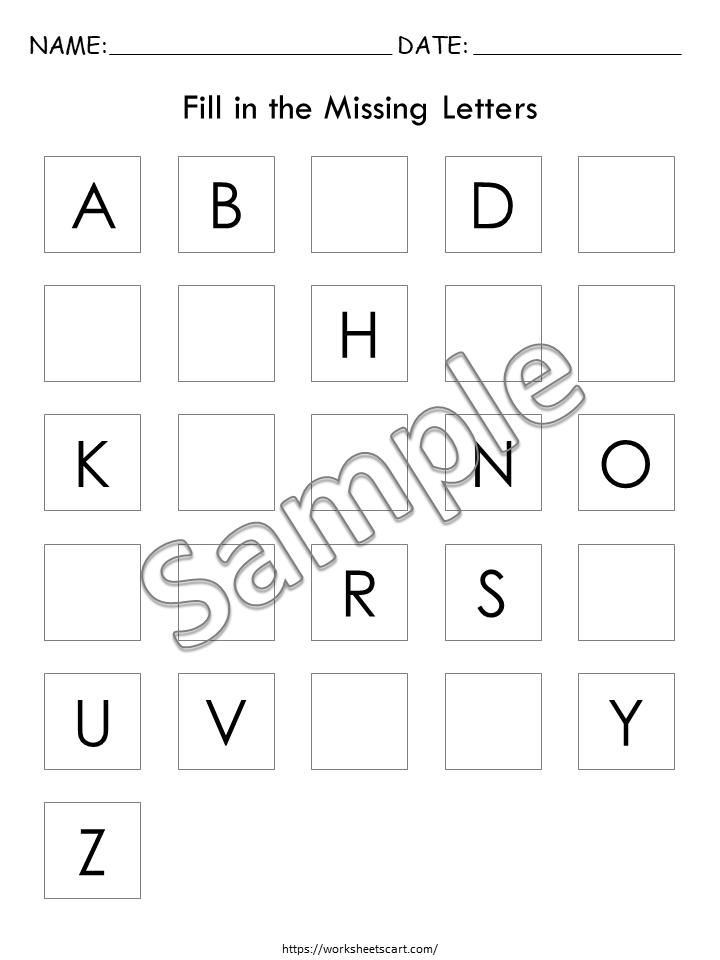
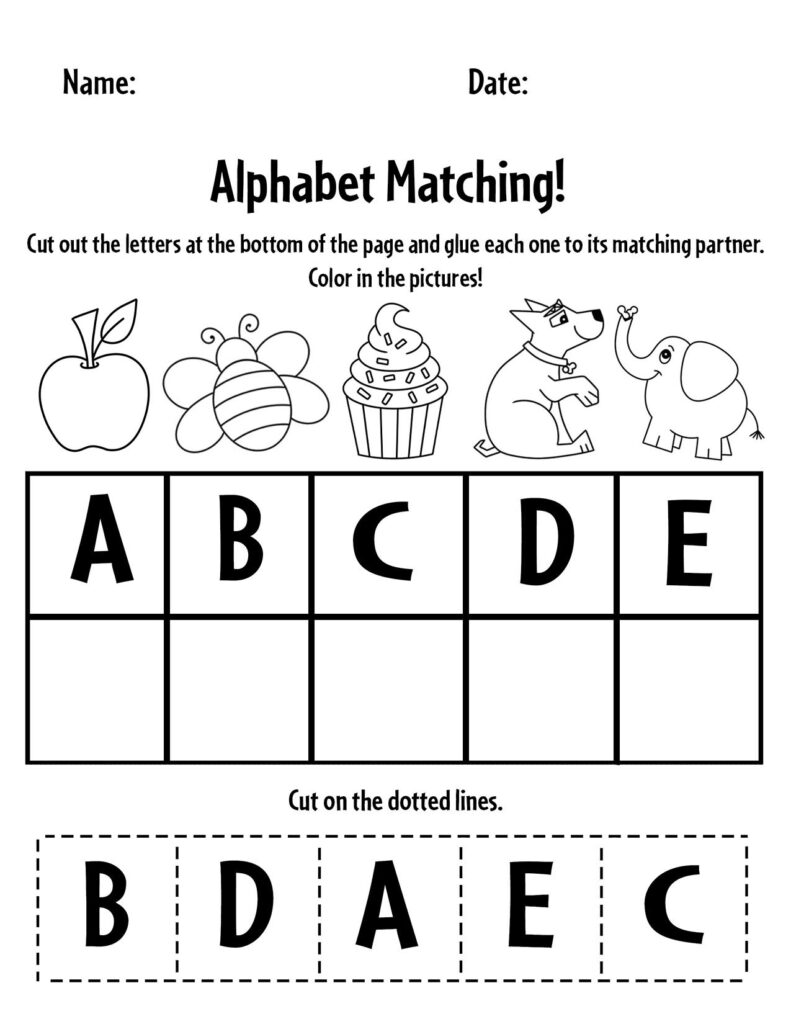
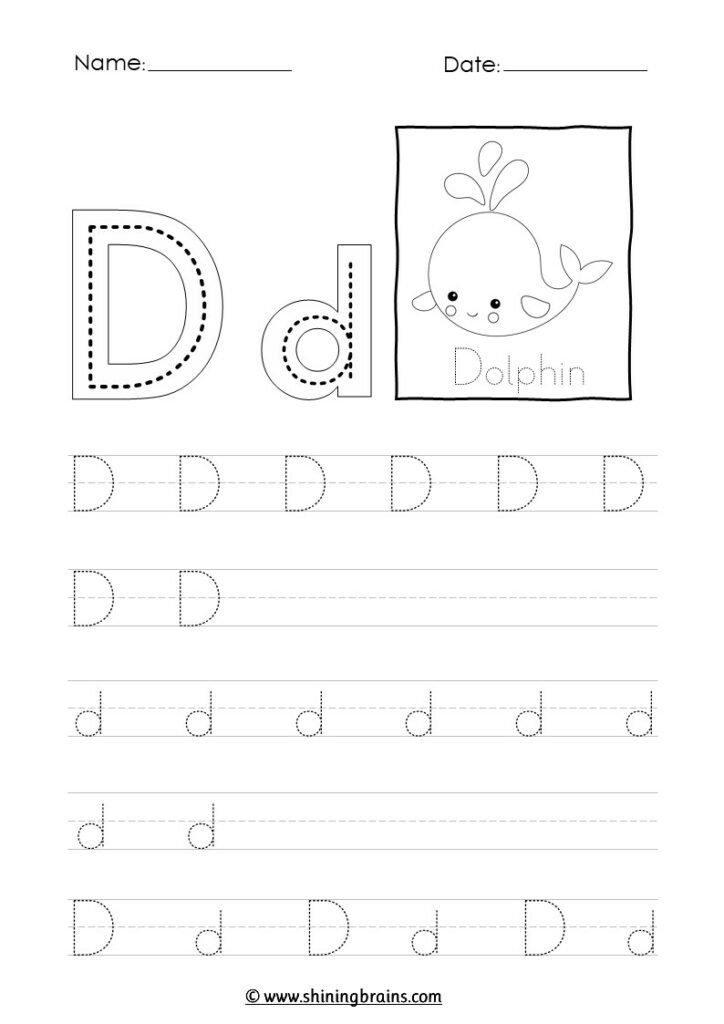
Tracing, coloring, matching letters to pictures, and simple beginning-sound practice are the most helpful worksheet types for this age. Tracing gives children a first step toward letter formation, while coloring and matching keep practice light and engaging. Beginning-sound tasks should stay simple, such as choosing the picture that starts with B or finding the uppercase letter that matches lowercase b. Keep sessions short, offer adult help when needed, and choose worksheets that match the child’s current stage so practice feels encouraging and not frustrating.



