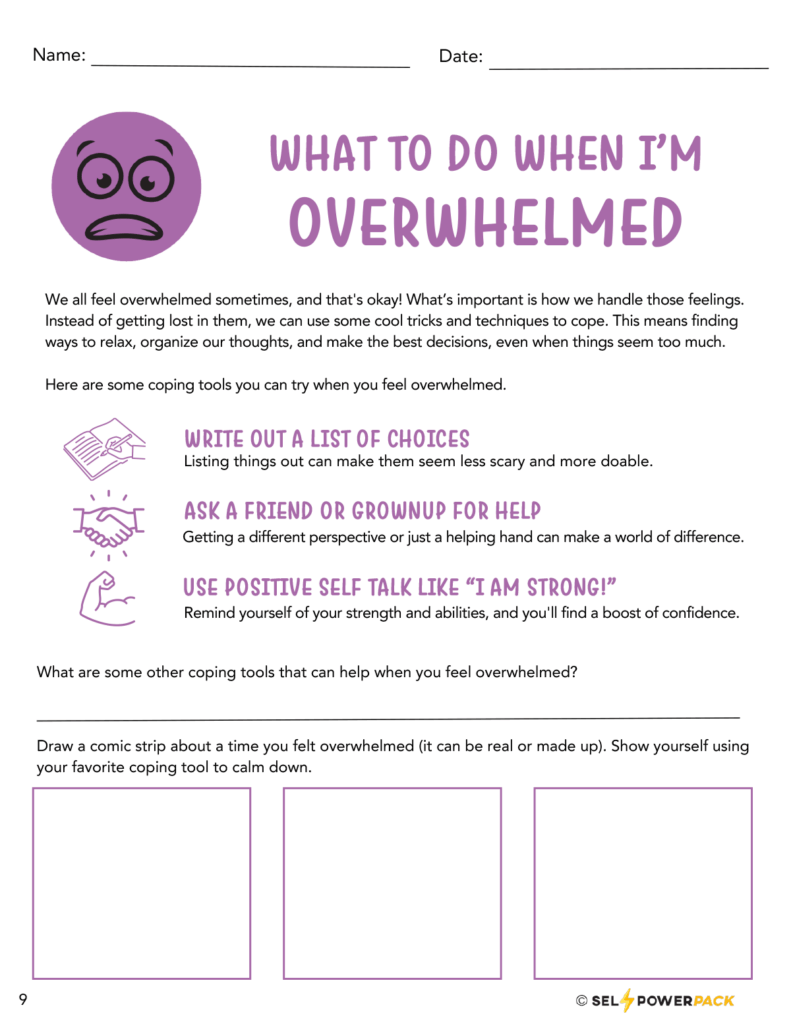
Social emotional worksheets for teachers can make SEL easier to plan, but only when they match the skill, age, and classroom purpose. The best worksheets help students name feelings, reflect on choices, practice coping strategies, or respond to real situations in a structured way. Used well, they support instruction without replacing conversation, modeling, and guided practice.
What SEL Worksheets Do
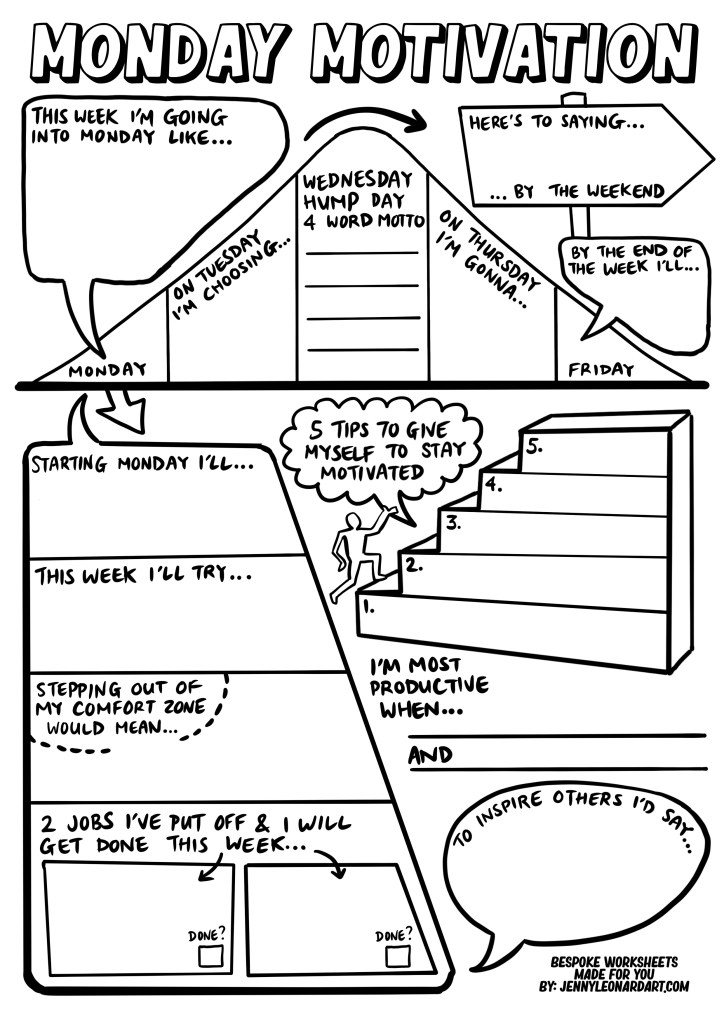
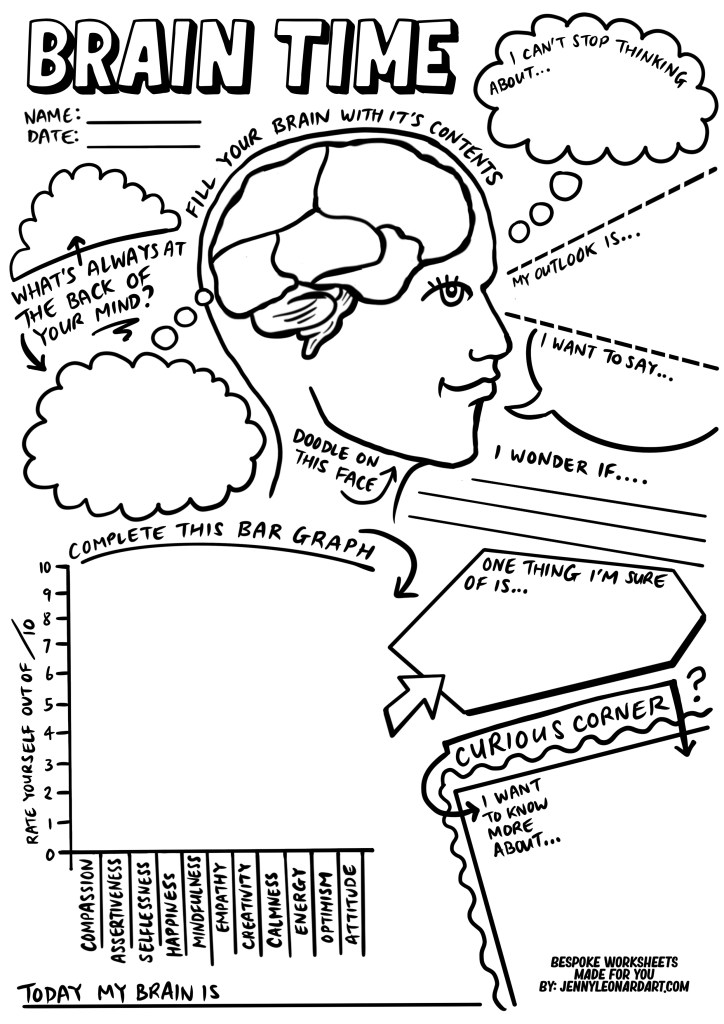
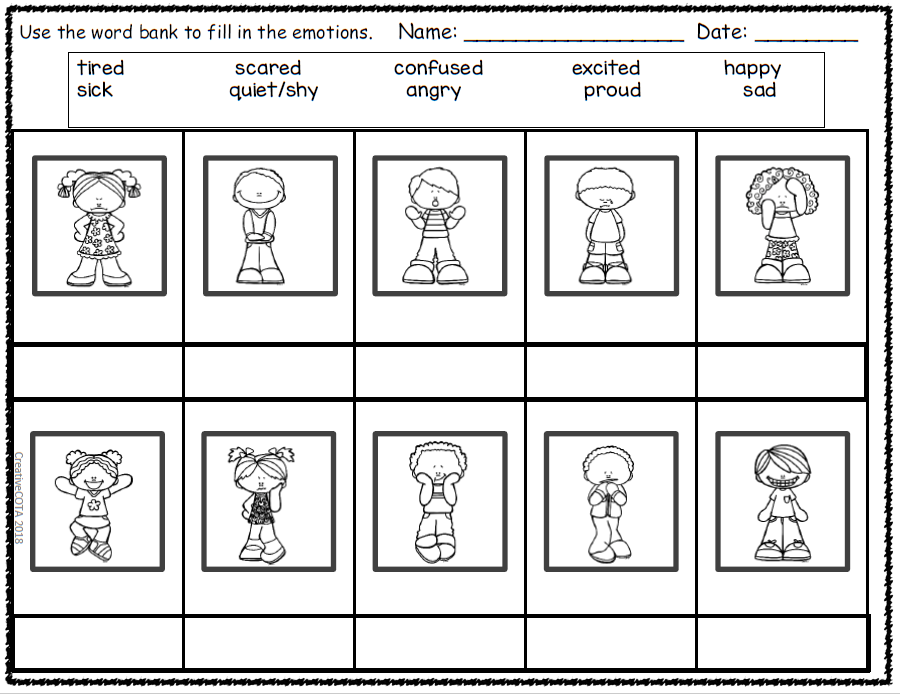
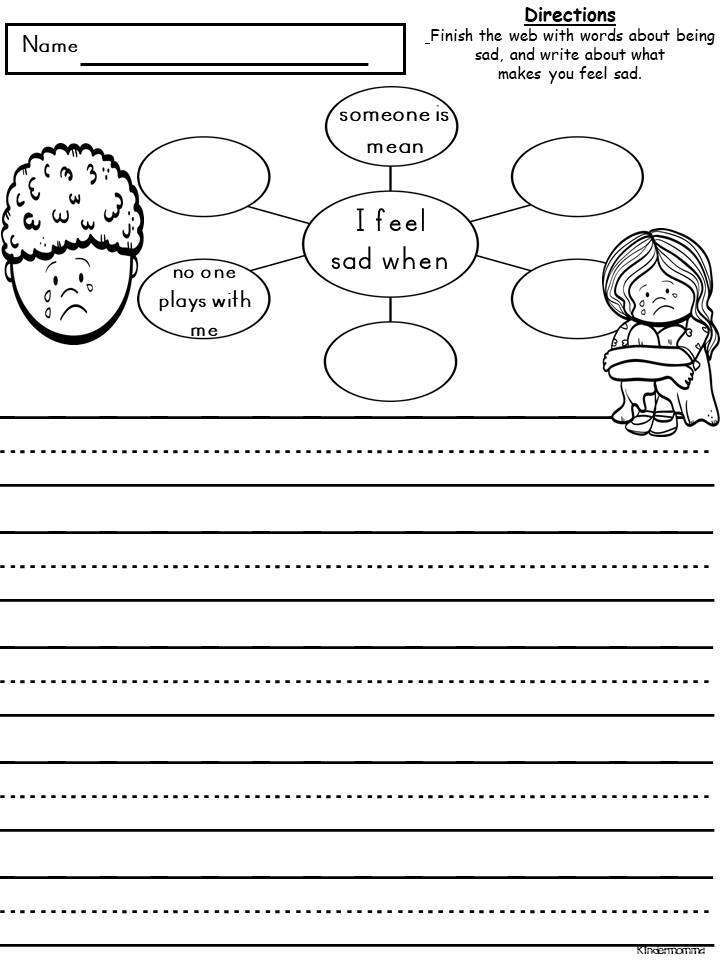
Social-emotional worksheets are simple tools that give students a chance to think, write, sort, or respond around an SEL skill. Teachers use them to introduce a concept, reinforce a class discussion, or check understanding after a lesson. A worksheet might ask students to identify emotions, describe a calm-down strategy, or explain how a character could solve a conflict. The value is in the reflection and practice, not in completing pages for their own sake.
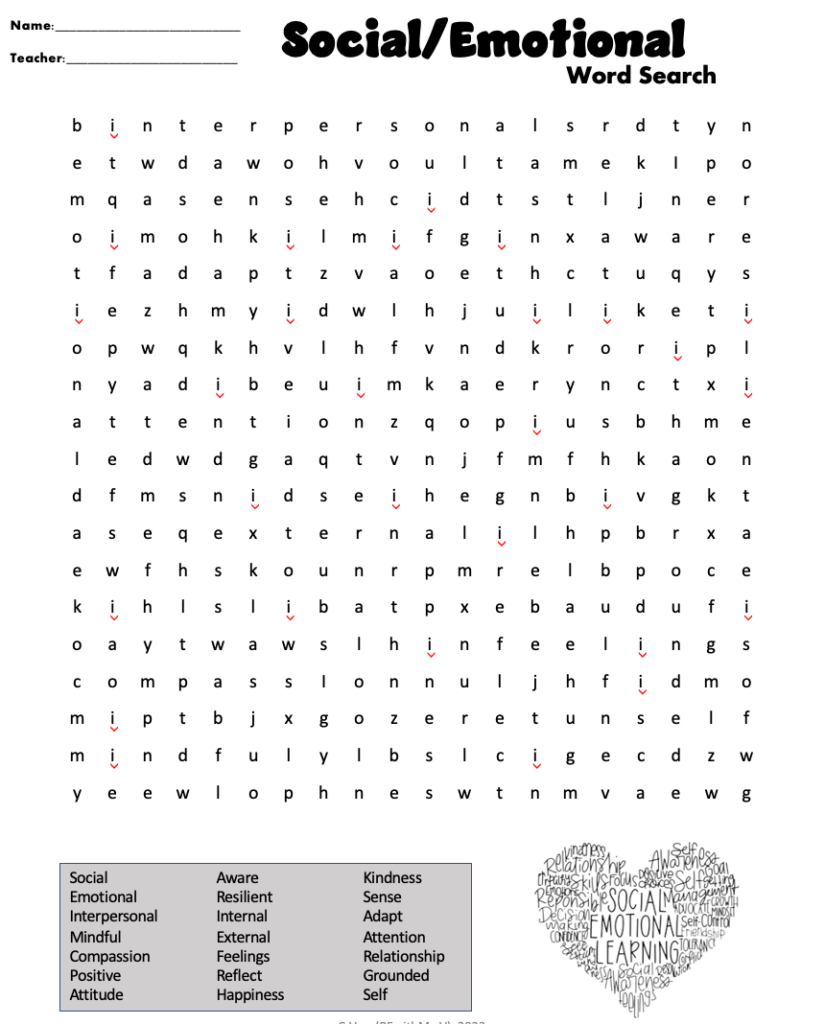
Choosing the Right Match
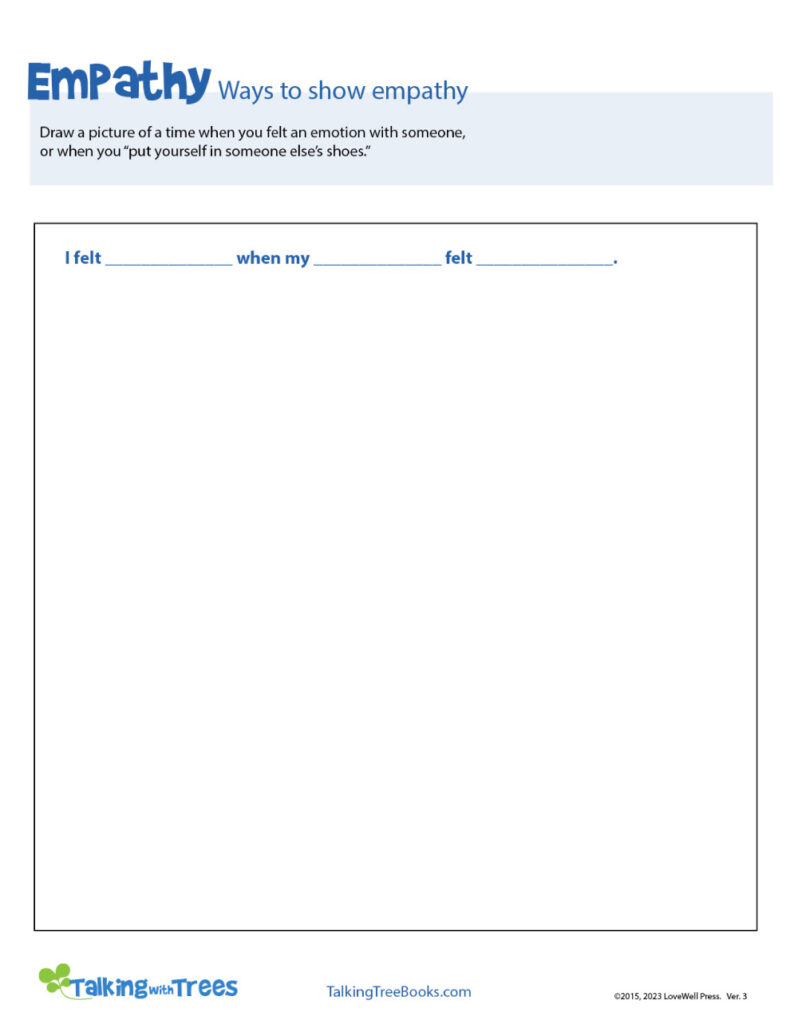
The best worksheet depends on grade level, the skill you want to reinforce, and how you plan to use it. Younger students usually need more visuals, shorter prompts, and simple emotion language. Older students can handle scenarios, reflection questions, and decision-making prompts. For self-awareness, choose feelings charts or body cues. For self-management, choose coping steps or goal-setting pages. For empathy and responsible decision-making, look for situation-based worksheets that invite students to consider perspectives and consequences.
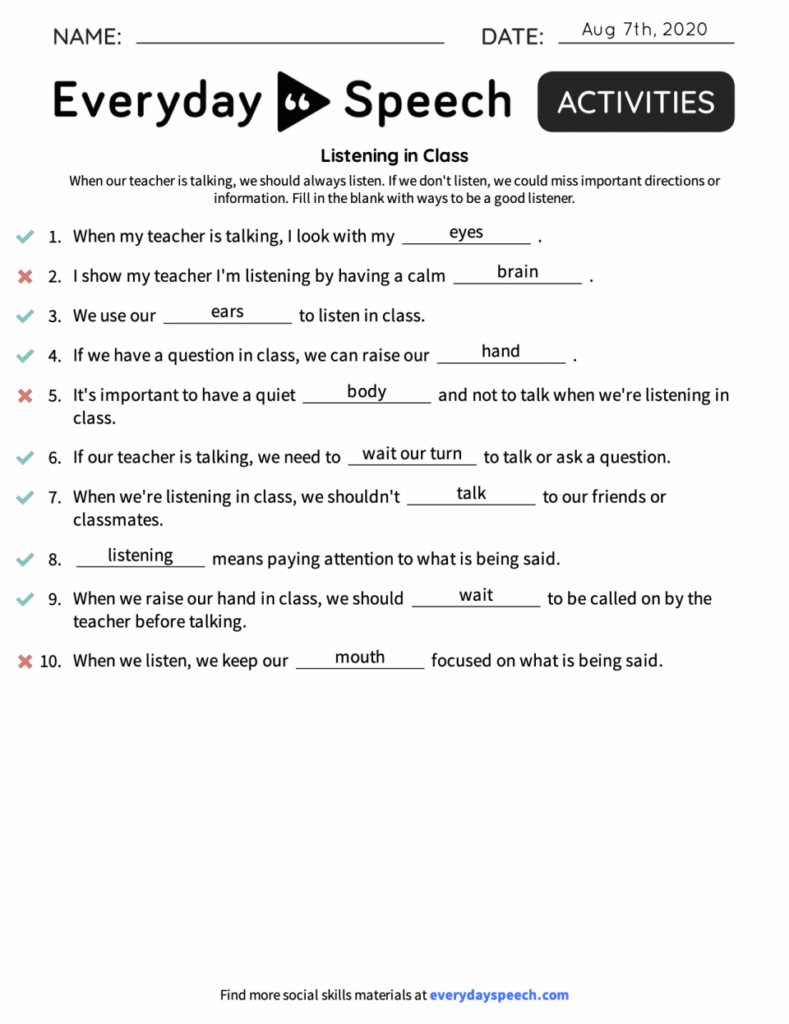
SEL worksheets work best as a supplement to teacher-led instruction. Start with a brief model, discussion, or example so students understand the skill before they work independently. Then use the worksheet to extend practice, not replace it. You might assign one page after a read-aloud, during advisory, or as a quick check-in. The strongest use cases are short, focused, and tied to a real classroom need. When teachers keep the purpose clear, worksheets become a practical SEL support instead of busywork.