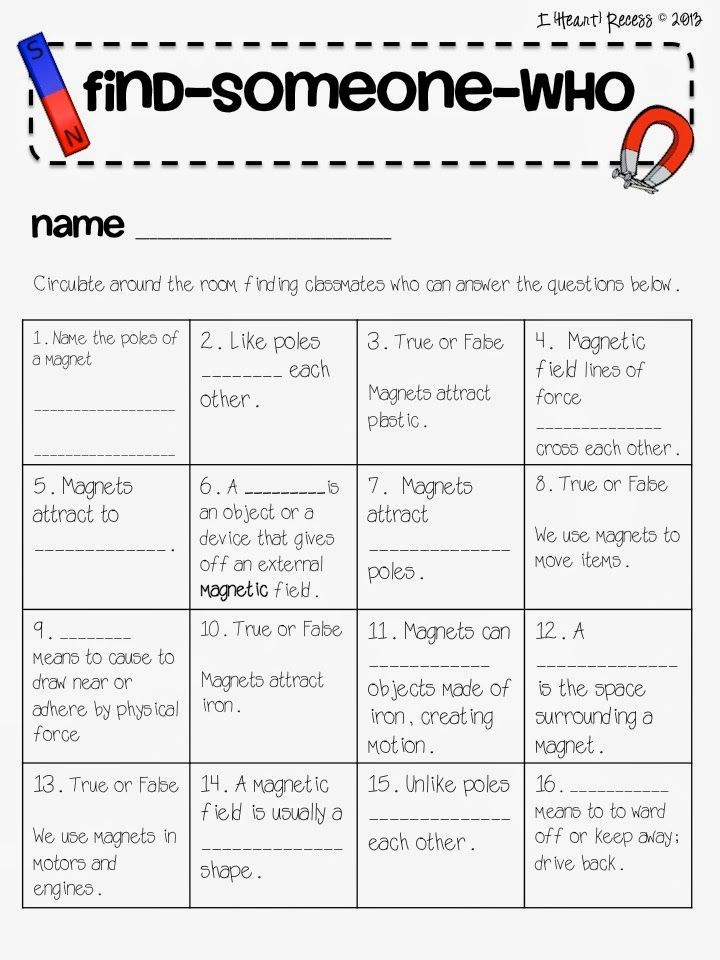
Magnetic force worksheets help learners practice the core ideas behind magnetism in a clear, structured way. The best ones focus on attraction, repulsion, north and south poles, and how magnetic fields work around a magnet. They should match the learner’s level so the questions feel approachable, whether the goal is basic identification or simple explanation.
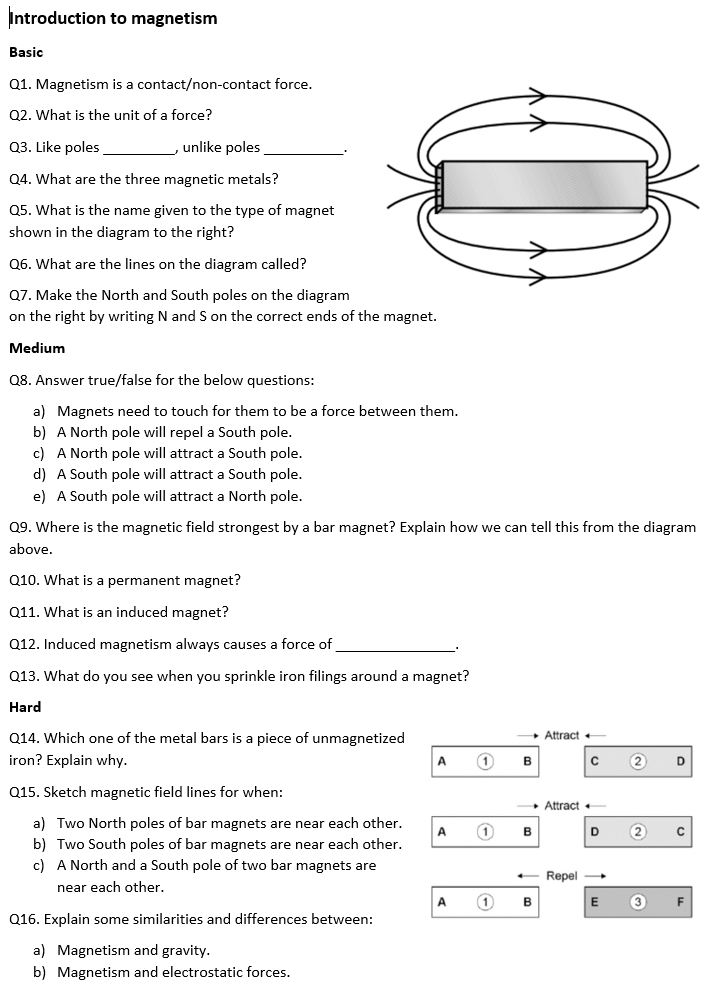
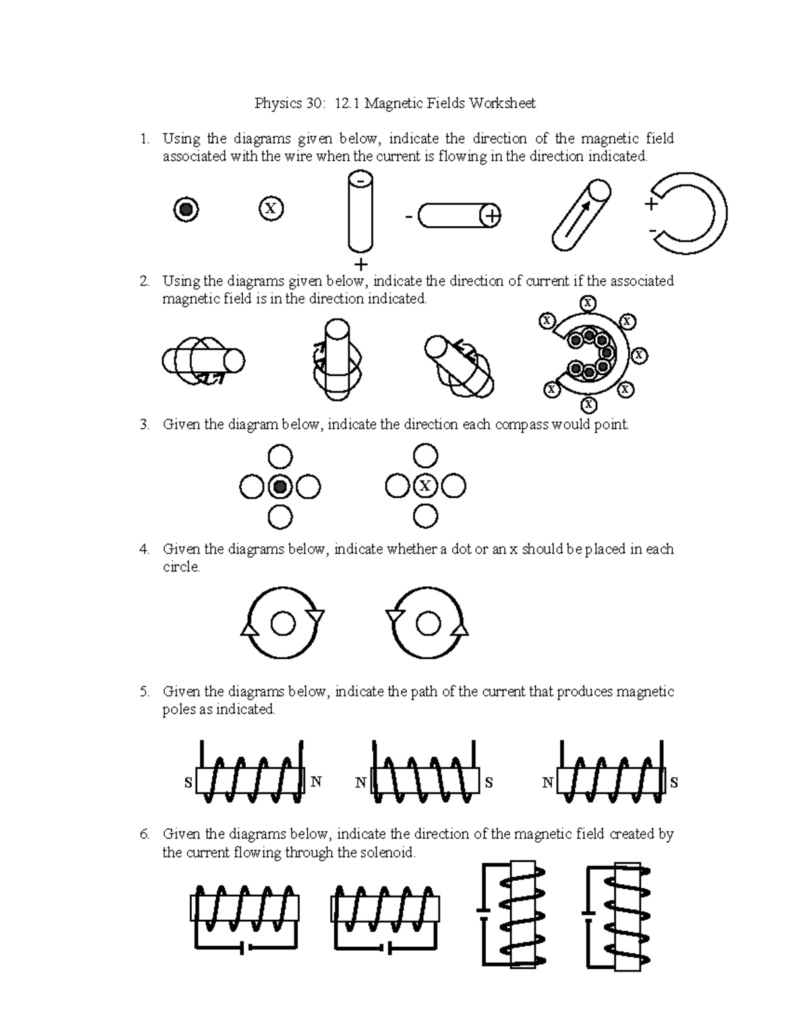
When choosing magnetic force worksheets, look for the concepts they ask students to use, not just the vocabulary they list. A strong worksheet may ask learners to label poles, decide whether two magnets attract or repel, or identify where the magnetic field is strongest. For younger students, picture-based prompts and simple matching tasks work well. For older learners, short-answer questions can check whether they understand why magnets behave differently in each situation.
Best Worksheet Skills
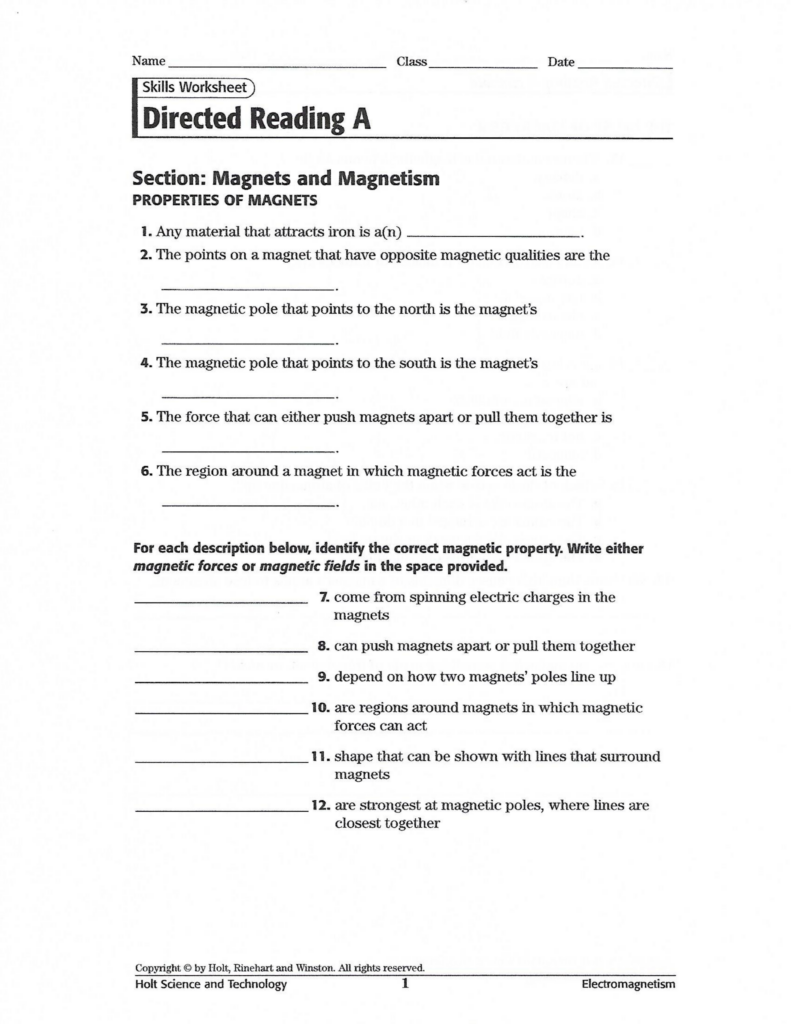
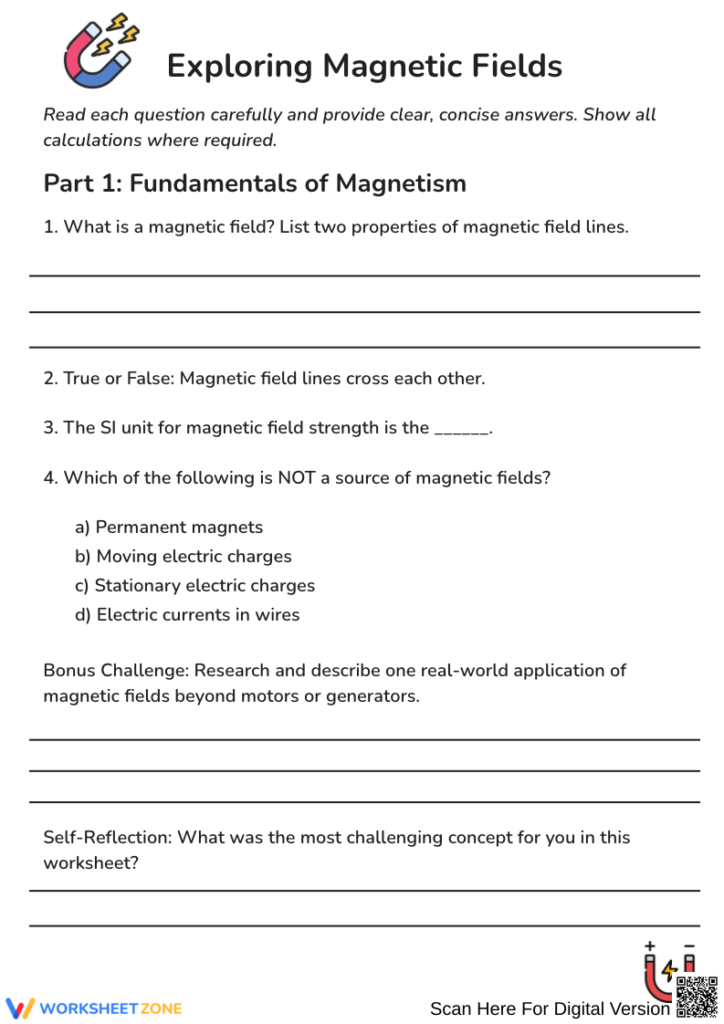
The most useful magnetic force worksheets usually mix a few task types so students show understanding in more than one way. Labeling diagrams helps learners connect words to parts of a magnet. Matching activities can pair terms such as attract, repel, pole, and field with their meanings. Short answers encourage students to explain what they observe in a picture or sentence prompt. Simple experiment pages can also be effective when they ask learners to predict, test, and record what happens with magnets.
Grade Level Match
Difficulty matters because magnetic force worksheets should feel clear rather than confusing. Early elementary versions often rely on pictures, one-step choices, and basic vocabulary. Upper elementary or middle school worksheets can include diagrams of magnetic fields, comparison questions, and explanations of force between like and unlike poles. A well-matched worksheet gives just enough challenge to build understanding without overwhelming the learner, which makes it easier for teachers and parents to use for practice or quick assessment.
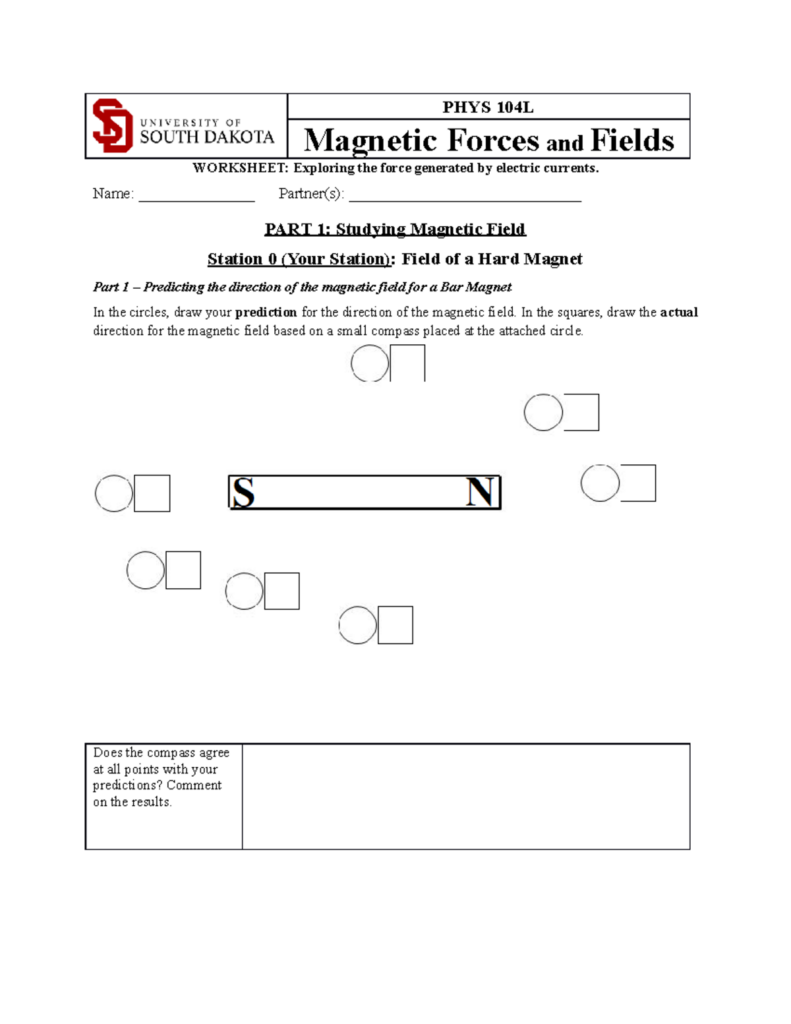
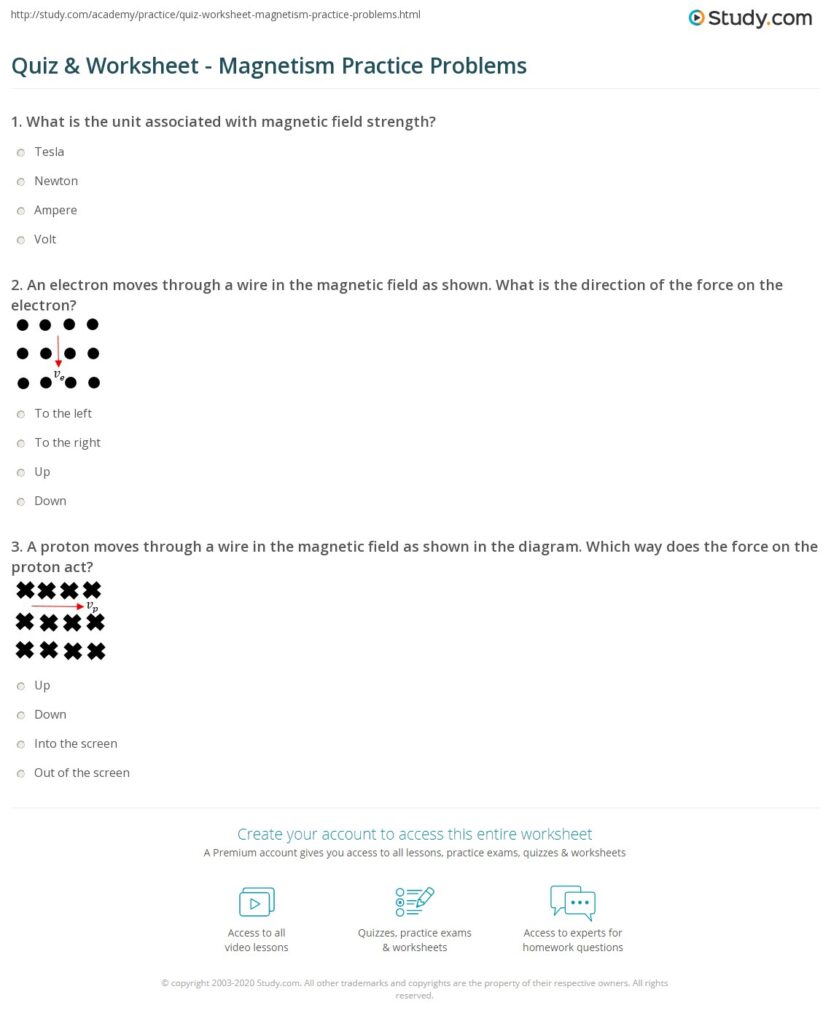
For teachers and parents, the most helpful magnetic force worksheets are easy to use and easy to check. Answer keys save time and make self-checking possible, while a printable layout supports classroom, homework, or review use. If a worksheet includes a hands-on prompt, it should still stay simple enough to complete safely with common classroom magnets. The best choice is one that reinforces the core ideas clearly and gives learners a practical way to show what they know.