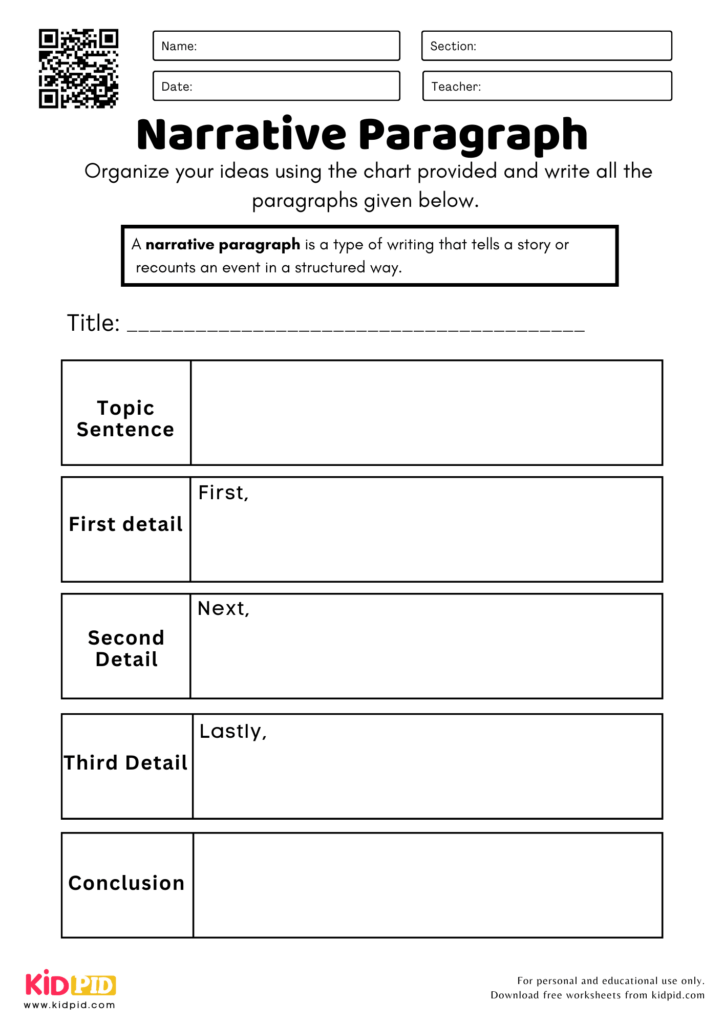
Personal narrative writing worksheets help students turn a real experience into a clear story with a beginning, middle, and end. The best versions guide writers to choose one small meaningful moment, not an entire event from start to finish. They also give space to plan details, think about what changed, and shape the story so it feels focused, specific, and worth reading.
Choosing the Moment
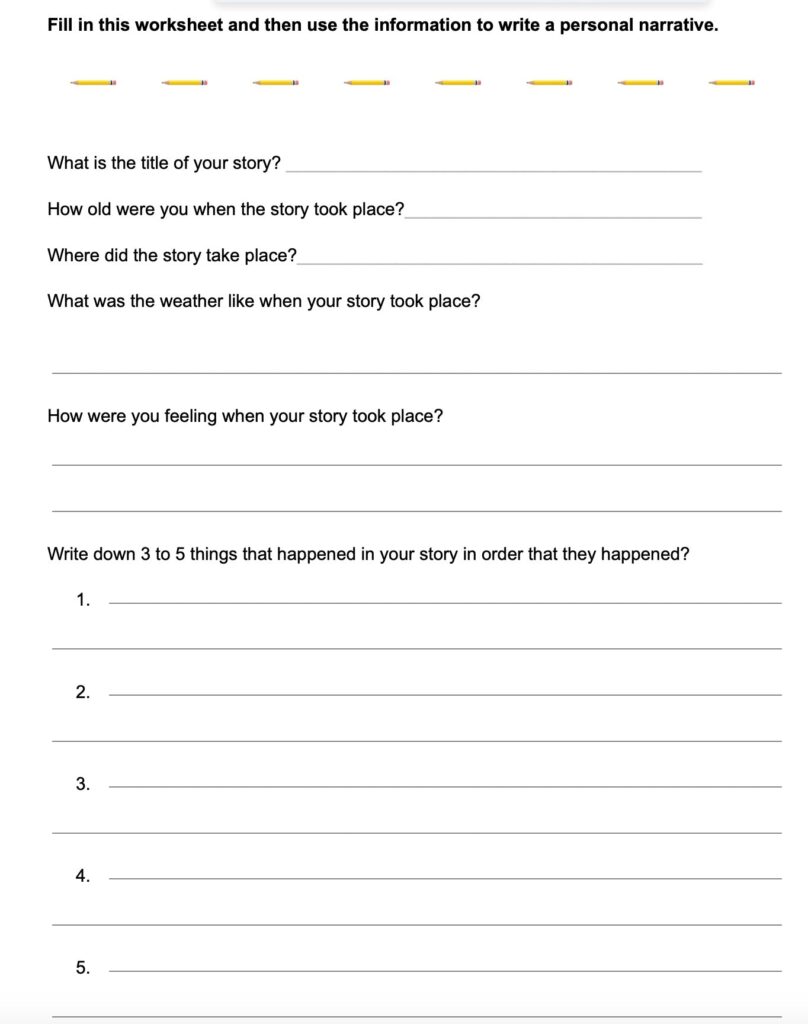
The most useful worksheets start with idea generation that narrows the topic fast. Instead of asking students to write about a whole vacation or school year, they prompt them to pick one moment with feeling or change, such as a first game, a mistake, or a surprise. That focus helps writers avoid wandering and makes drafting easier. A strong worksheet may include quick prompts, topic boxes, or memory webs that help students list possible experiences before they choose one.
This step matters because personal narratives work best when students can zoom in on a single scene and tell it with detail and purpose.
Planning the Story Arc
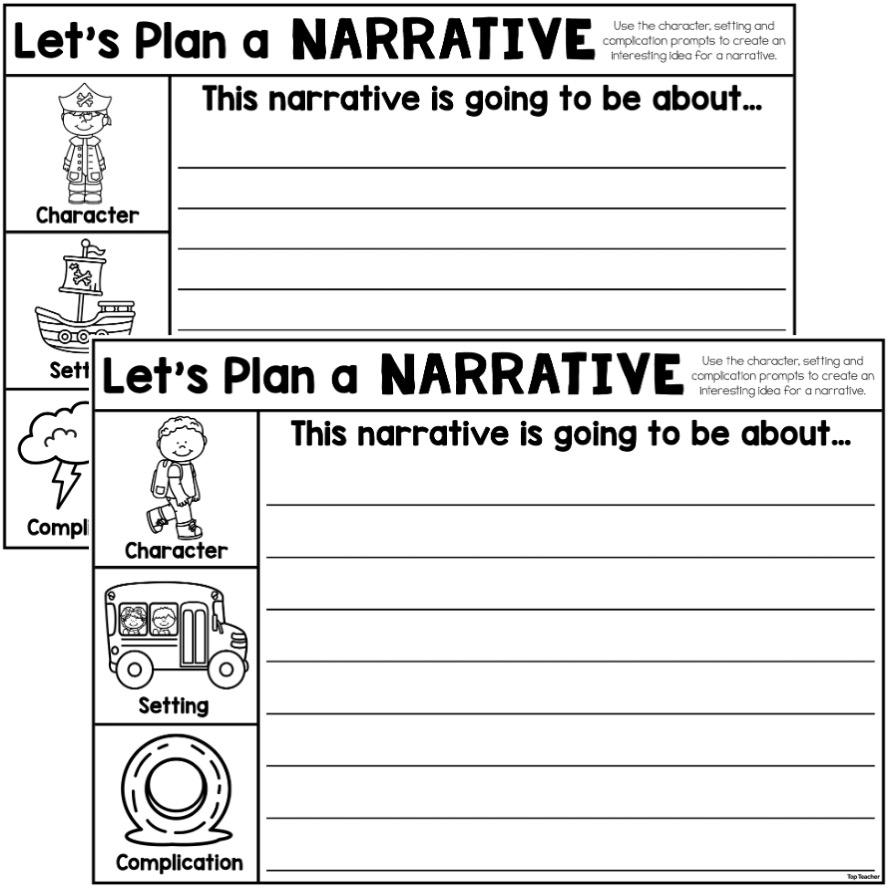
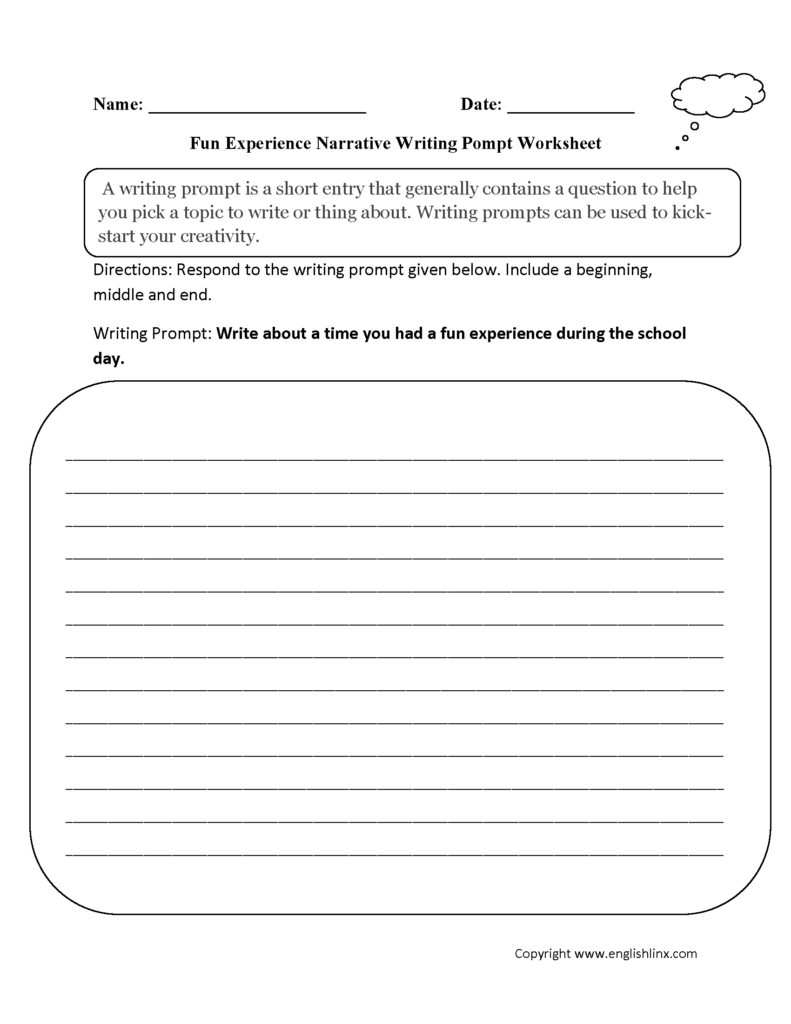
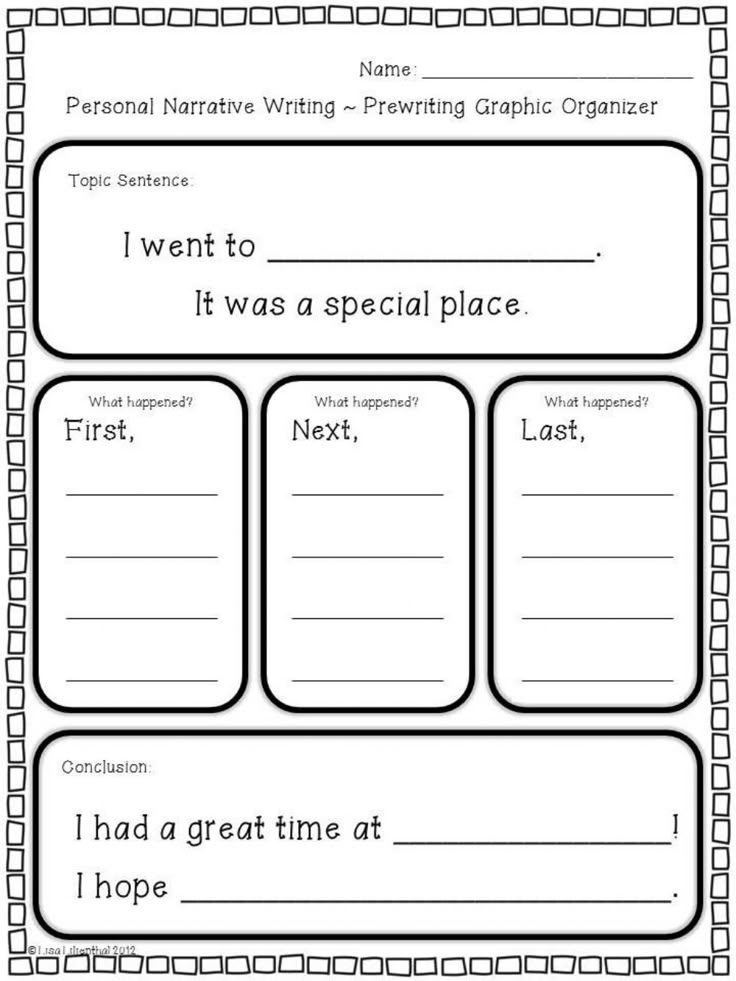
After the idea is chosen, the next useful part is beginning-middle-end planning. Good worksheets help students map what happens first, next, and last so the story stays in order. They often include sentence starters or boxes for the opening, key events, and the ending reflection. Sensory detail prompts and strong-verb reminders also belong here because they push students past bland writing like “went” or “saw.” Instead, students can describe what they heard, felt, or noticed.
This kind of planning supports independent writing because students have a clear path before they draft.
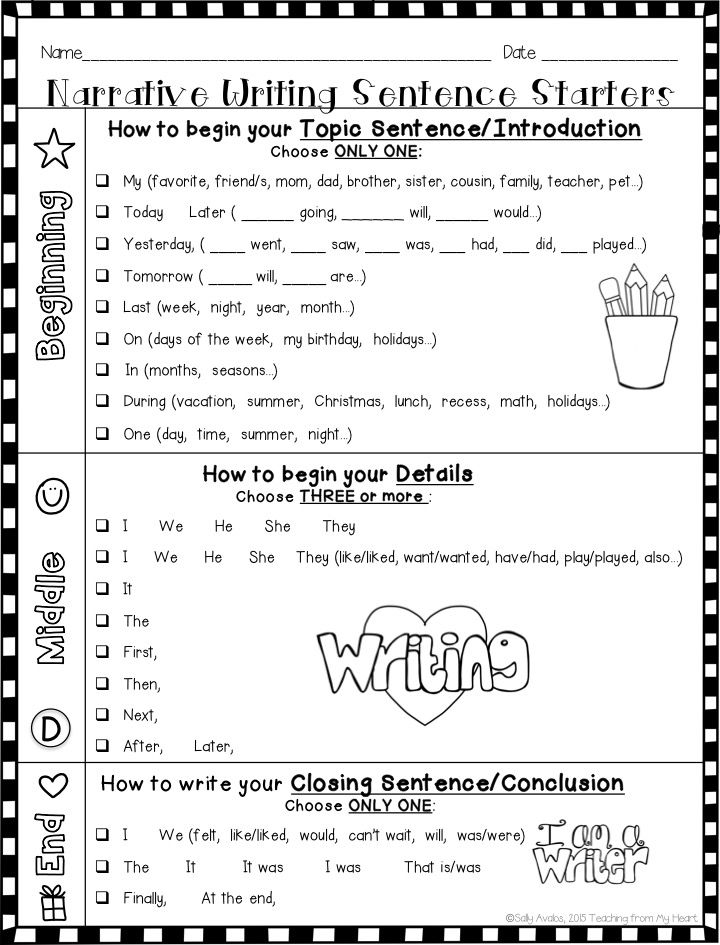
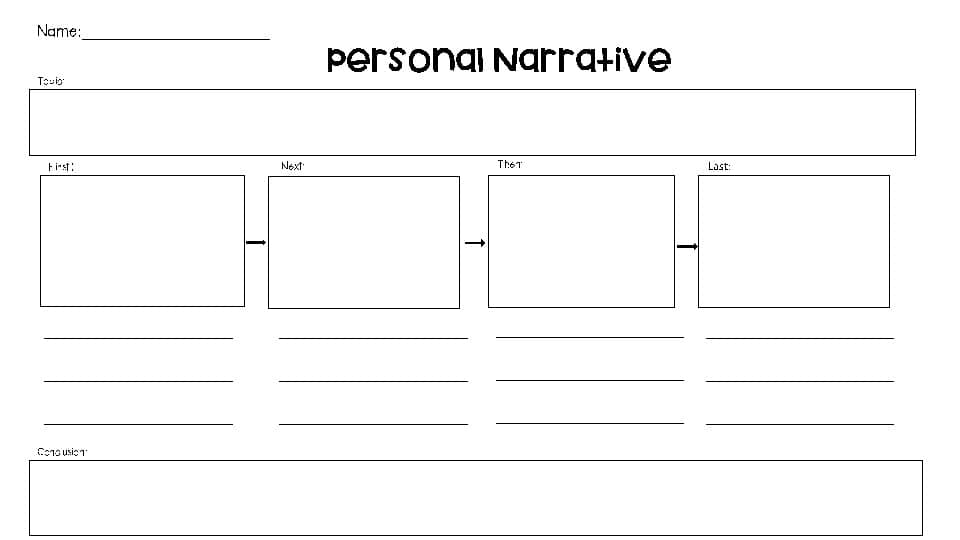
Revision prompts make the worksheet more than a planning page. The best ones ask students to check whether the story includes a lesson learned, a feeling, or a change in thinking at the end. They also remind students to add details that show rather than simply tell what happened. For grade-appropriate instruction, this supports young writers who may need structured questions, while older students can use the same prompts more independently.
A helpful worksheet does not write the story for them; it gives just enough support to help them revise with purpose and make the narrative sound personal, clear, and complete.