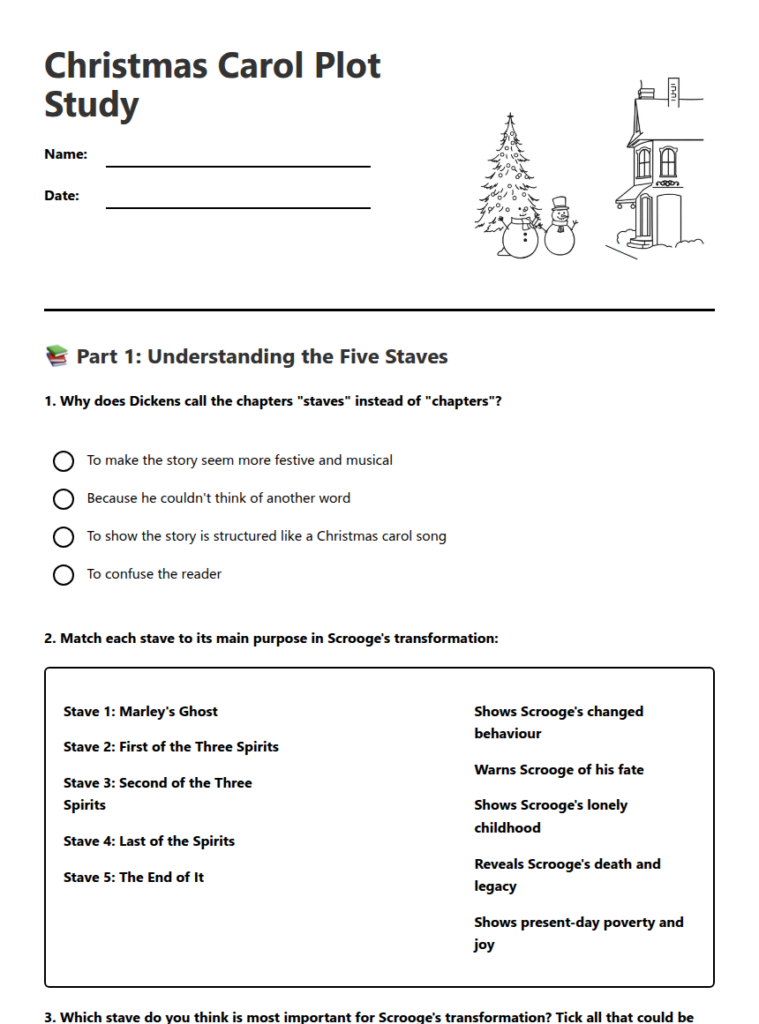
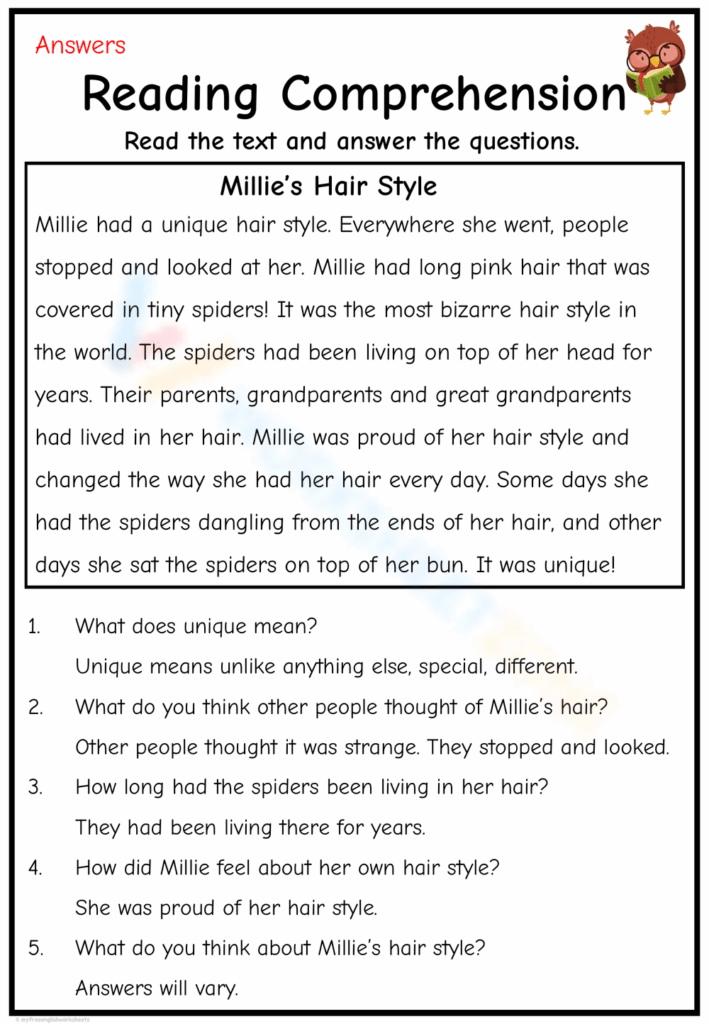
Plot comprehension worksheets help students practice how a story works from start to finish. In practical terms, they guide readers to notice the setting, characters, problem, key events, climax, and resolution. A good worksheet does more than ask for a summary; it breaks the plot into manageable parts so learners can track what happens and why it matters.
What They Teach
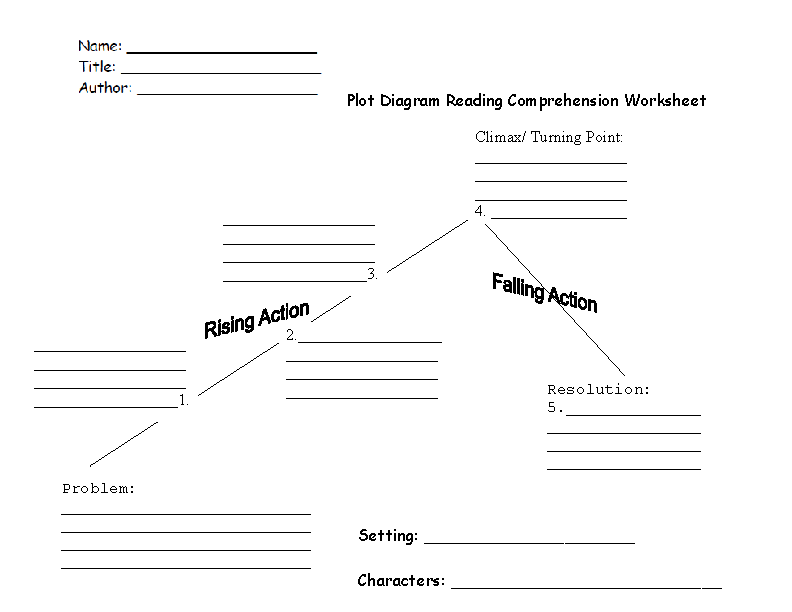
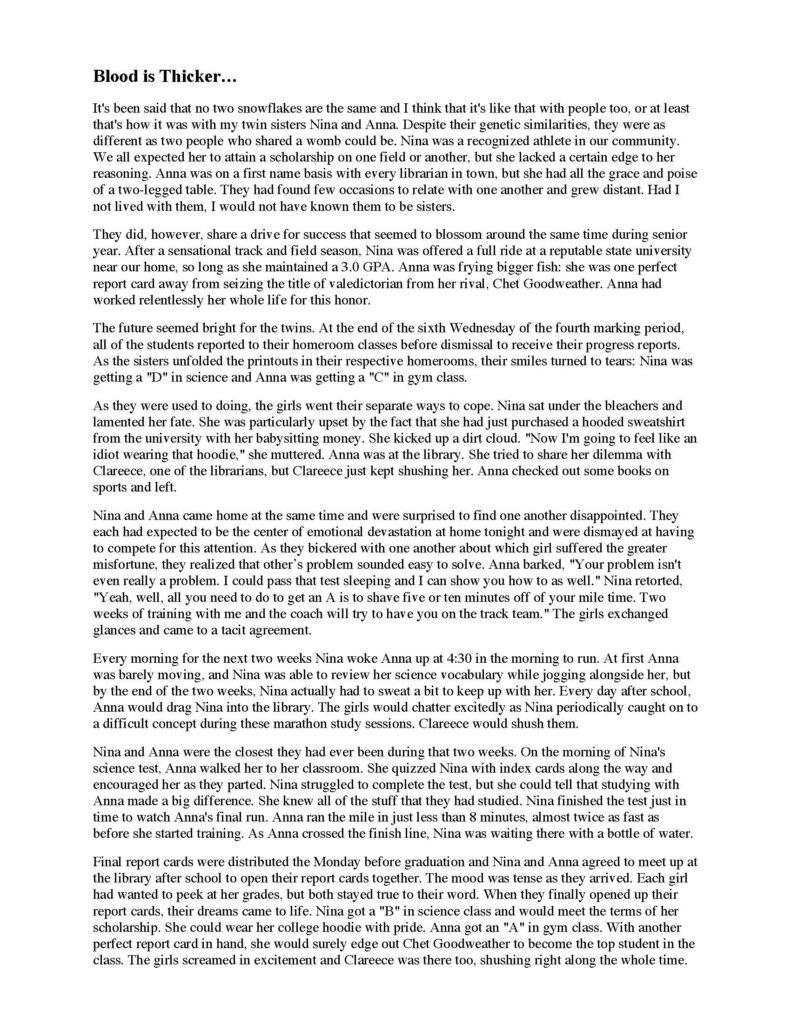
These worksheets target the main building blocks of plot comprehension. Students may identify who the characters are, where and when the story takes place, what problem starts the action, and which events move the story forward. Strong worksheets also ask about the climax, or the turning point, and the resolution, where the problem is solved. This helps readers see plot as a sequence rather than a list of random details.
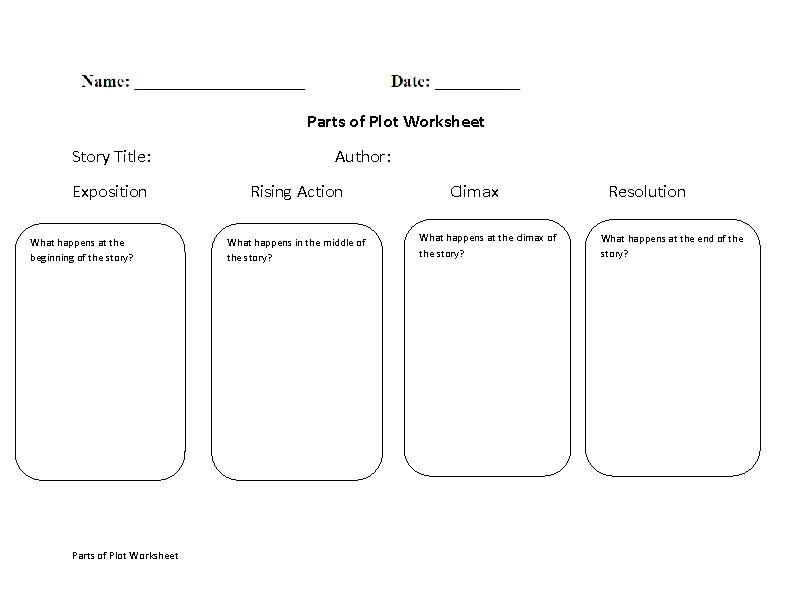
A useful worksheet should include age-appropriate text that is not too long, too dense, or too far above the reader’s level. Clear questions matter as much as the passage itself. Look for prompts that use simple wording, direct directions, and visual supports such as story maps, beginning-middle-end boxes, or sequencing lines. These features help students show understanding without getting stuck on the format.
Choosing the Right Level
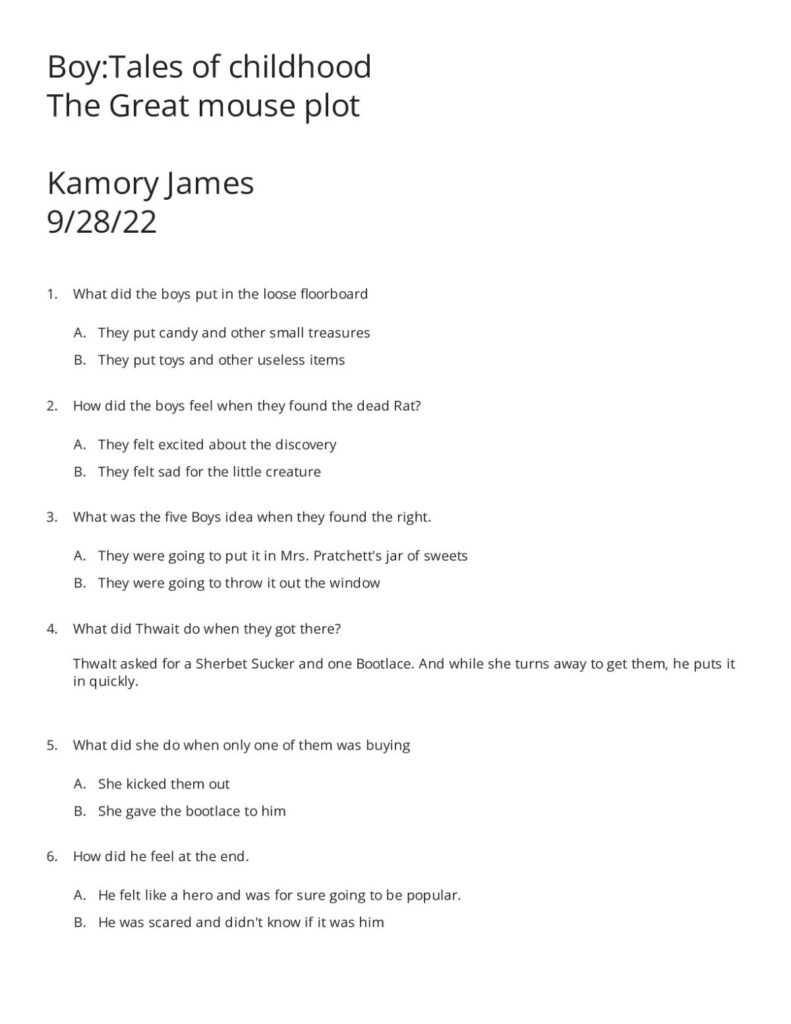
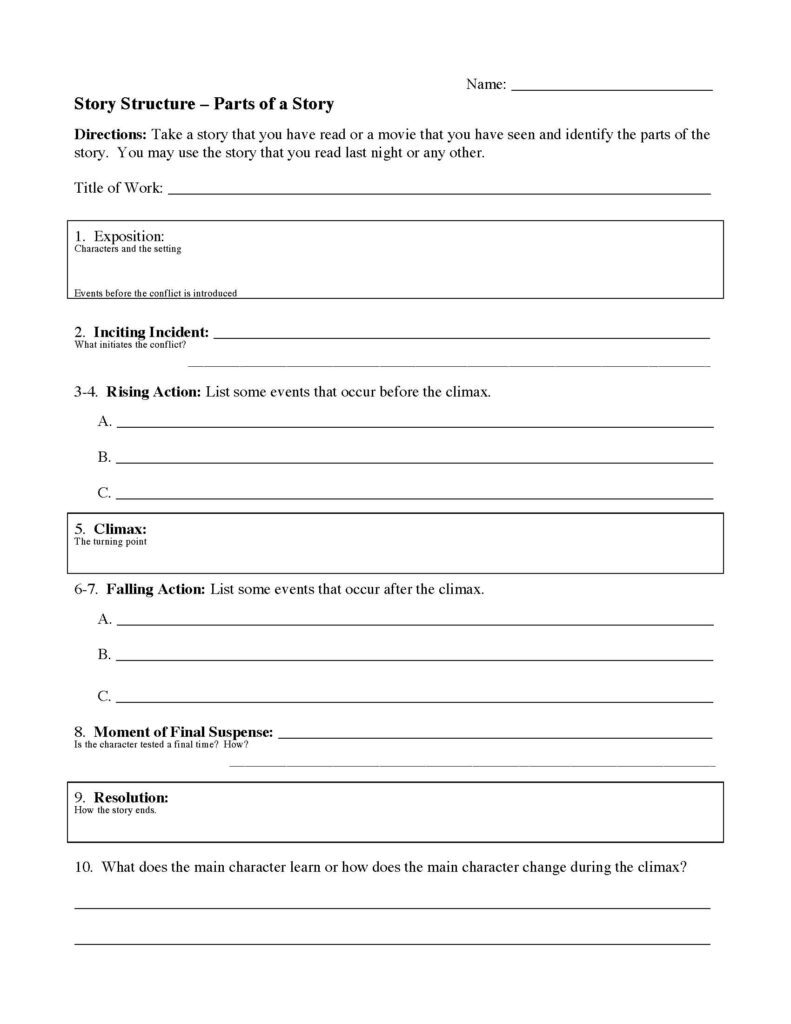
Match the worksheet to the student’s grade and reading ability. Early readers usually need short passages, familiar vocabulary, and mostly direct questions about basic story elements. Older students can handle longer text and more detailed prompts that ask them to connect events or explain how the climax changes the outcome. If the worksheet feels too easy, it may not build much skill; if it is too hard, students may miss the plot because decoding takes over.
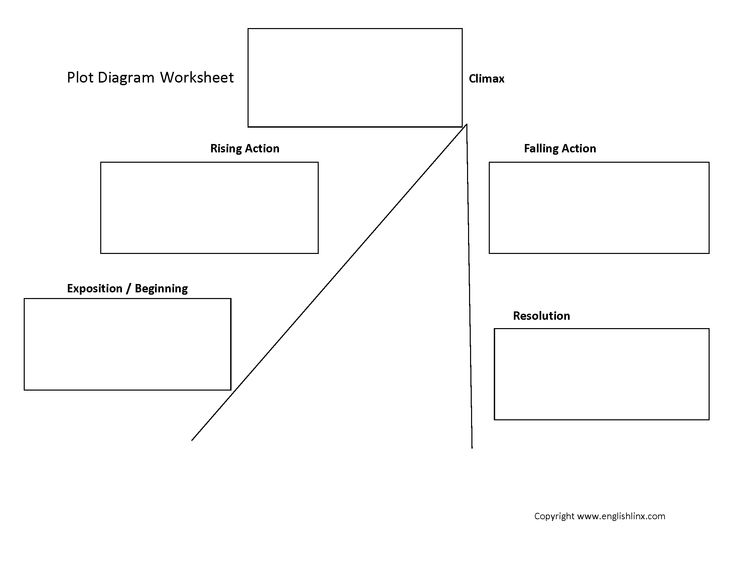
When choosing plot comprehension worksheets, the best option is usually the one that makes story structure visible and easy to follow. A strong worksheet should support practice, not confusion. If students can identify the setting, characters, problem, main events, climax, and resolution on their own or with light guidance, the worksheet is doing its job. Used regularly, these pages can build a clearer understanding of how stories develop from beginning to end.