Fun educational writing worksheets make practice feel manageable and playful at the same time. They can help kids build handwriting control, learn how sentences fit together, and try simple creative writing without the pressure of a blank page. The best worksheets give a clear task, a little structure, and just enough challenge to keep children writing with confidence.
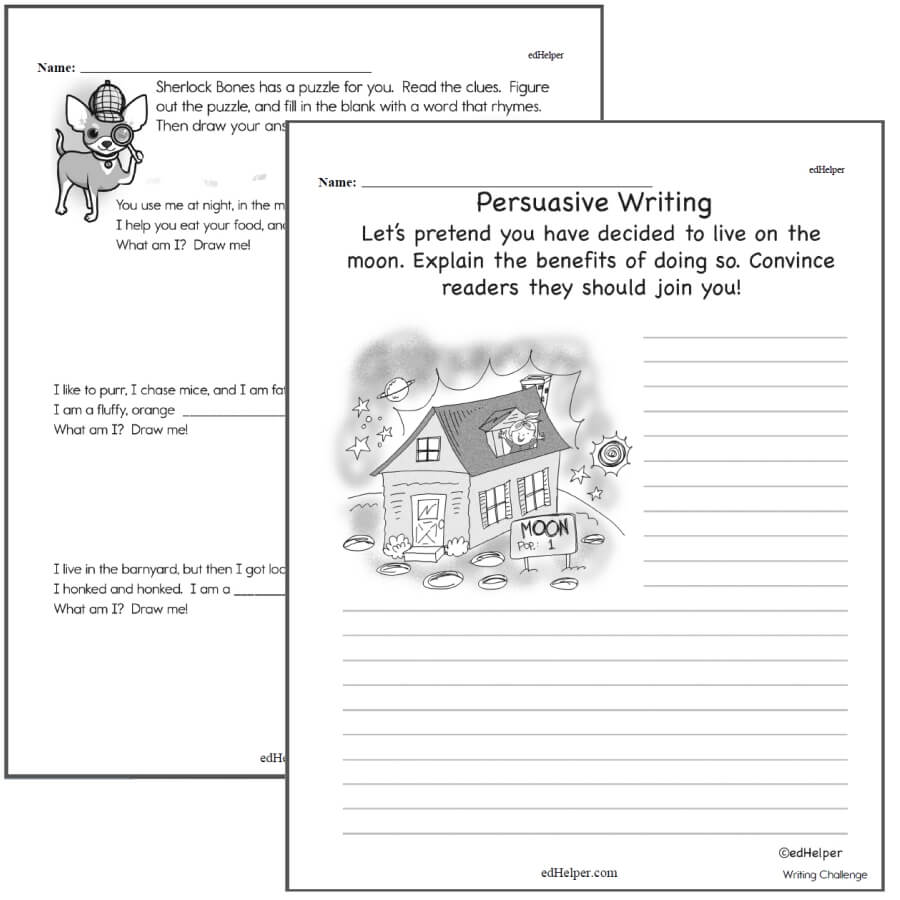
Writing Skills Covered
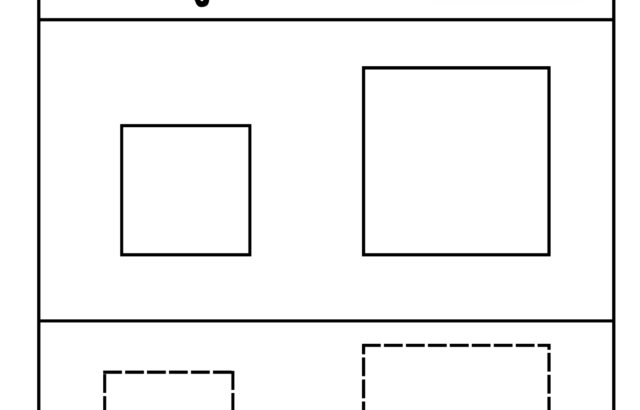
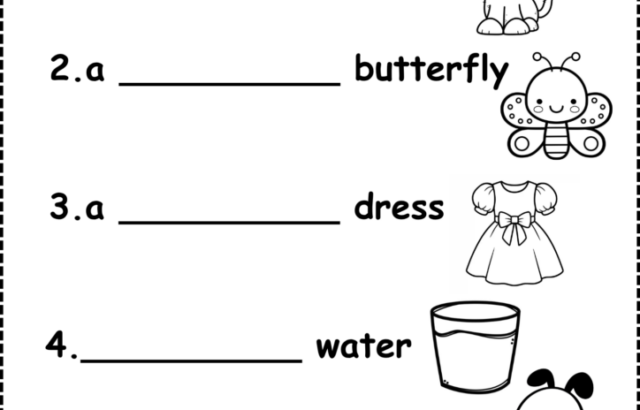
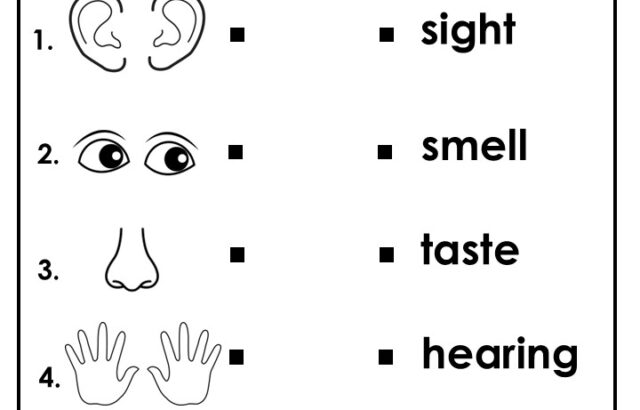
These worksheets usually support several writing skills in one place. Handwriting pages may focus on tracing letters, spacing, and staying on the line. Sentence-building sheets can guide kids to arrange words, add punctuation, or complete a thought. Creative writing prompts encourage short stories, descriptions, or opinion sentences. Many worksheet sets also include word banks, picture cues, and guided lines so children can practice writing more independently while still having support.
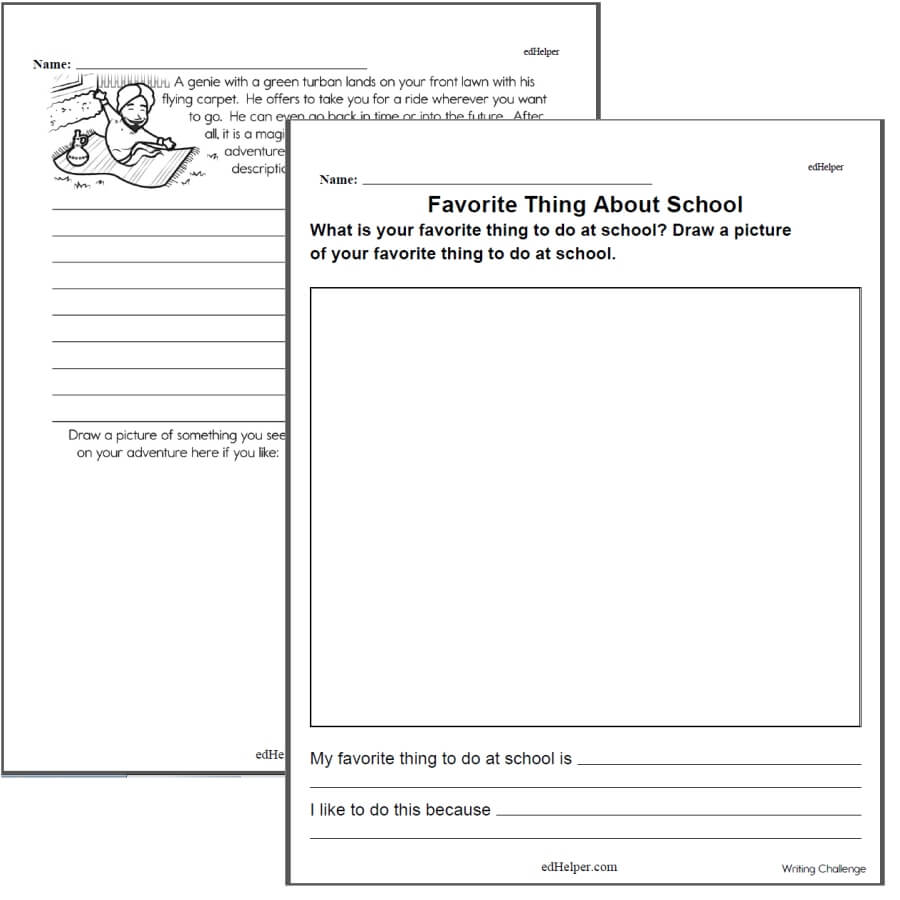
Best Ages and Levels
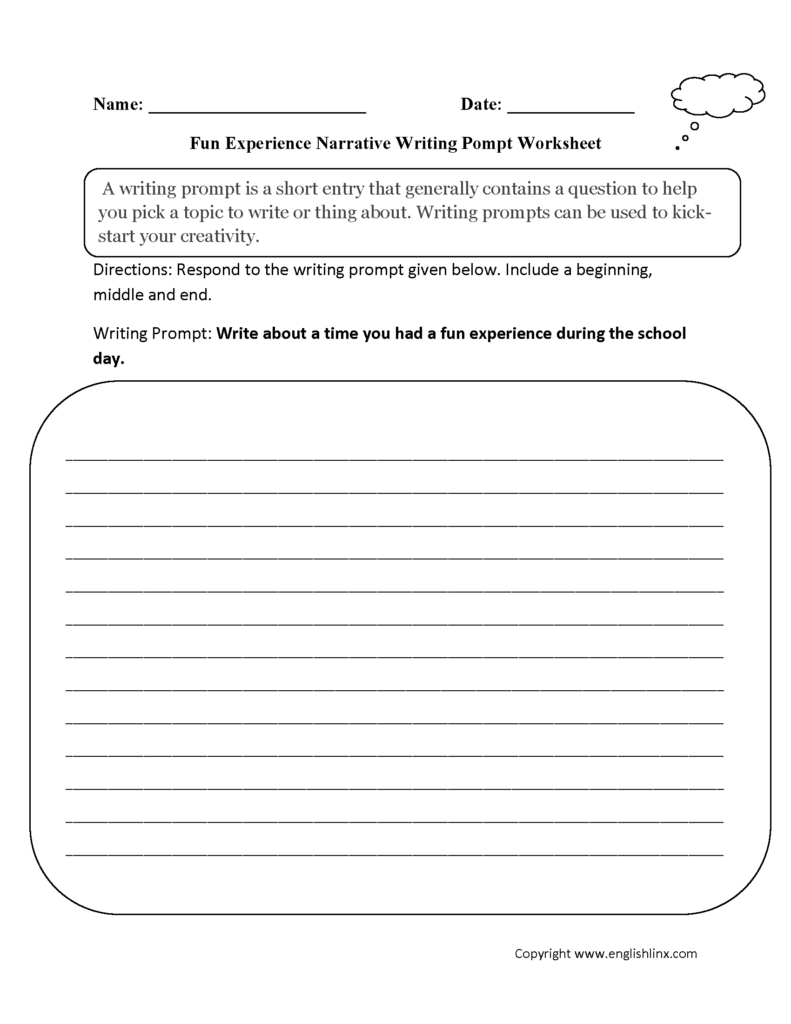
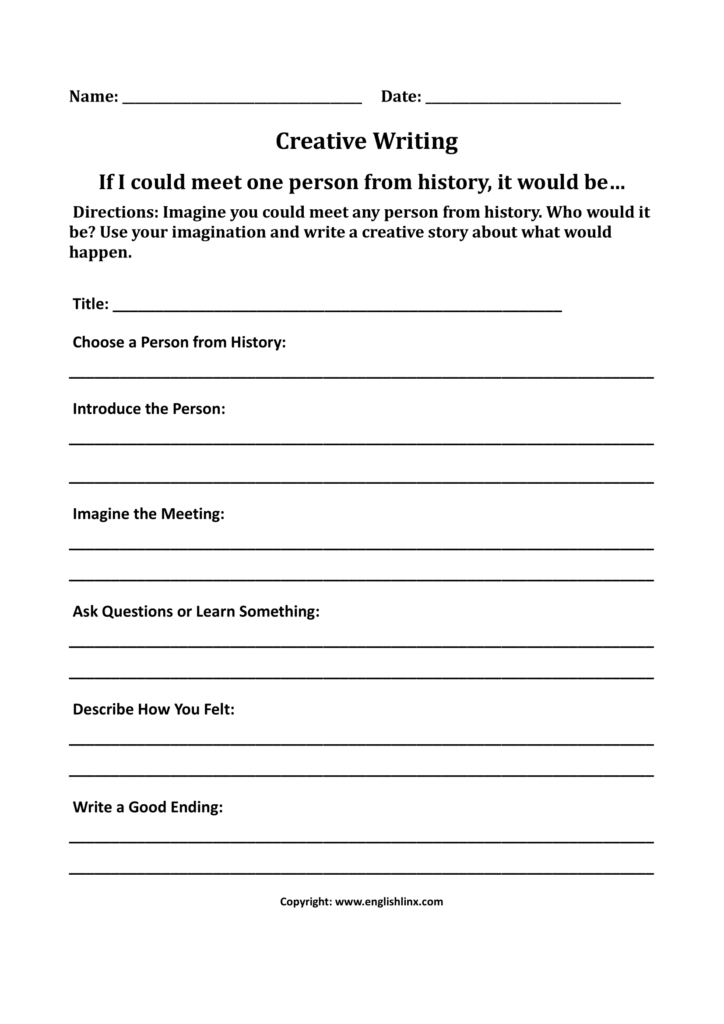
The right level depends on how much support a child needs, not just age. Preschool and kindergarten worksheets often use tracing, dotted letters, and very short prompts. Early elementary students may be ready for fill-in-the-blank sentences, simple journal prompts, or paragraph starters. Older kids can handle longer creative prompts, revising sentences, and writing with more detail. A good worksheet matches the child’s current ability so the task feels possible, but not too easy.
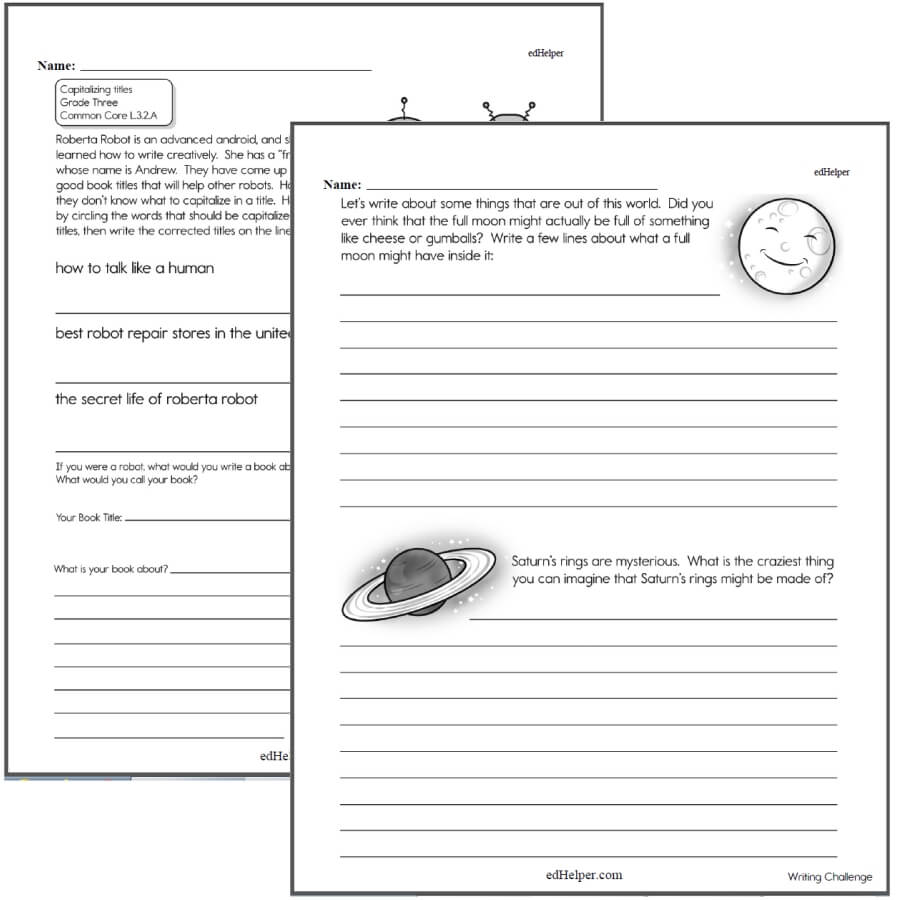
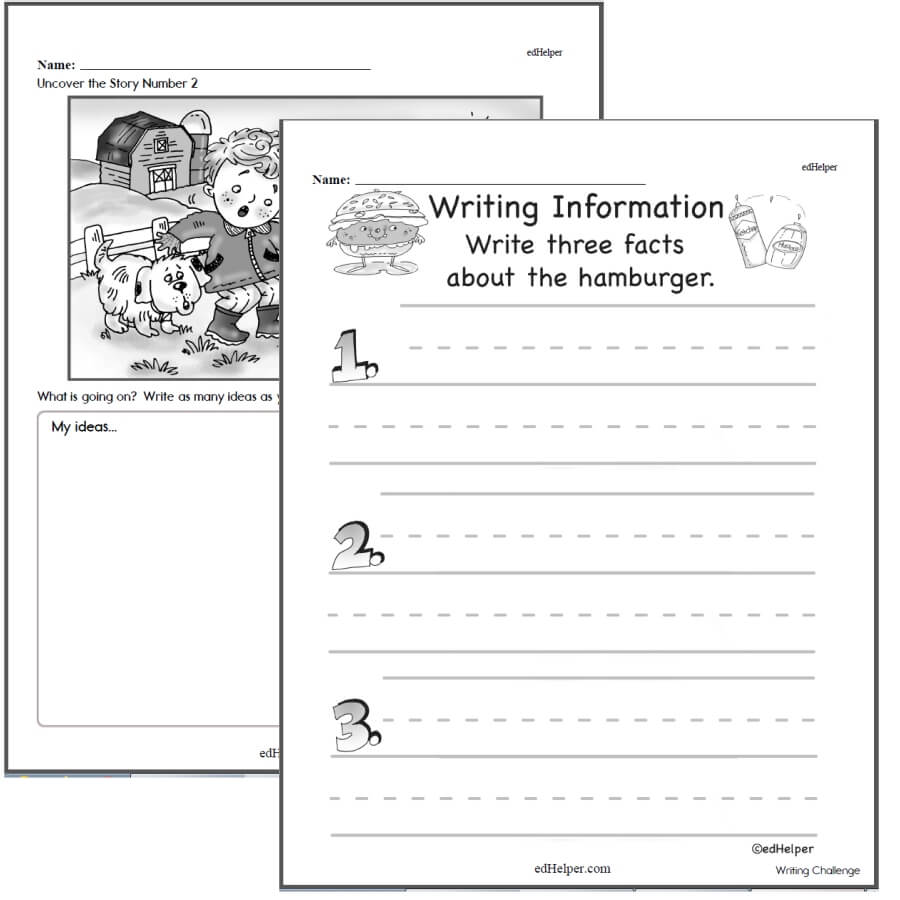
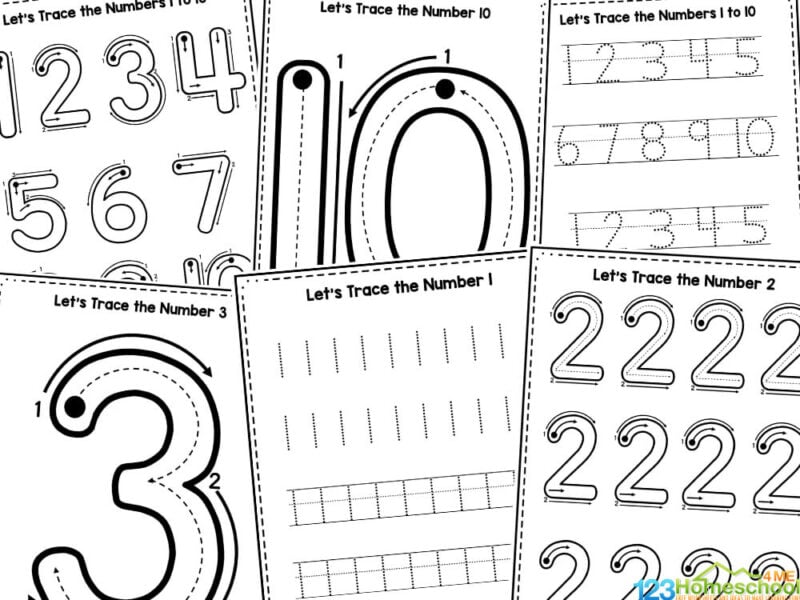
Fun educational writing worksheets work best when they give kids a clear purpose to write. A themed prompt, picture clue, word bank, or choice of response can make the task feel less like drilling and more like a challenge. To use them well, read the directions aloud, model one example if needed, and encourage complete answers before moving on. The most useful worksheets balance enjoyment with practice, so children stay interested while still building real writing skills.