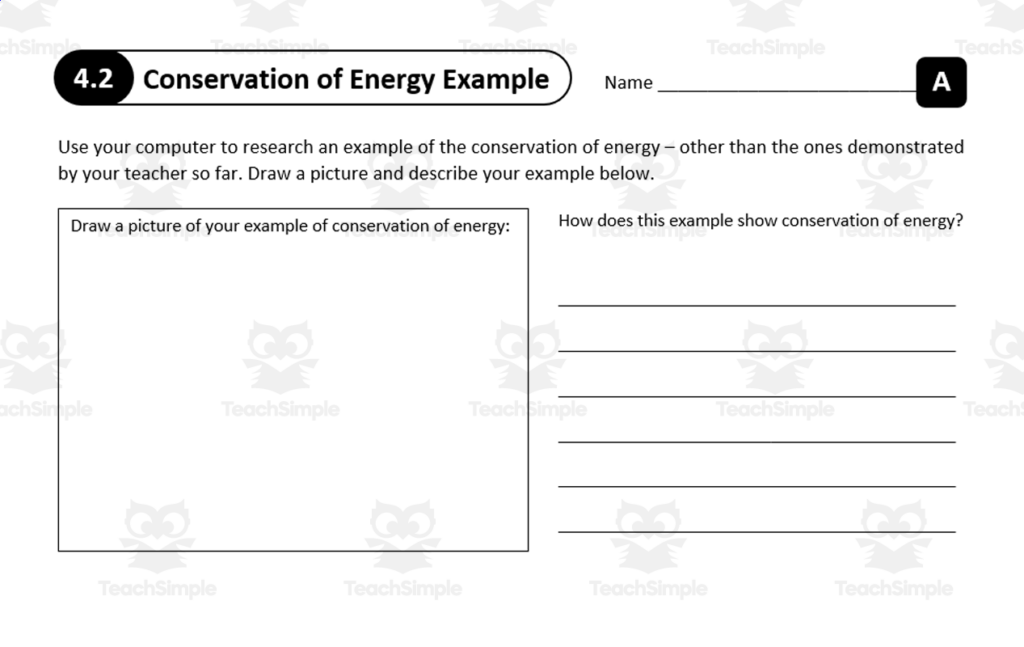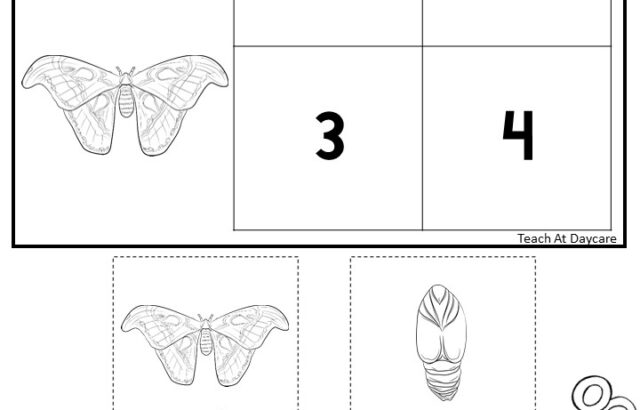
Energy conservation worksheets help learners practice the idea that energy should be used wisely and not wasted. The best ones make the concept concrete through short, age-appropriate tasks such as sorting examples, identifying waste, or choosing efficient actions. For instruction or review, look for worksheets that match the student’s reading level, include clear directions, and ask learners to show understanding in a simple, answerable way.
Worksheet Types That Work
The most useful energy conservation worksheets usually focus on one skill at a time. Picture-based sorting pages work well for younger learners who can match actions like turning off lights or closing the refrigerator door. Fill-in-the-blank and matching worksheets help older students connect vocabulary with meaning. Scenario questions are useful when students need to decide which choice conserves energy in a home, classroom, or transportation setting. Simple cut-and-paste or coloring activities can also keep practice active without making the concept too abstract.
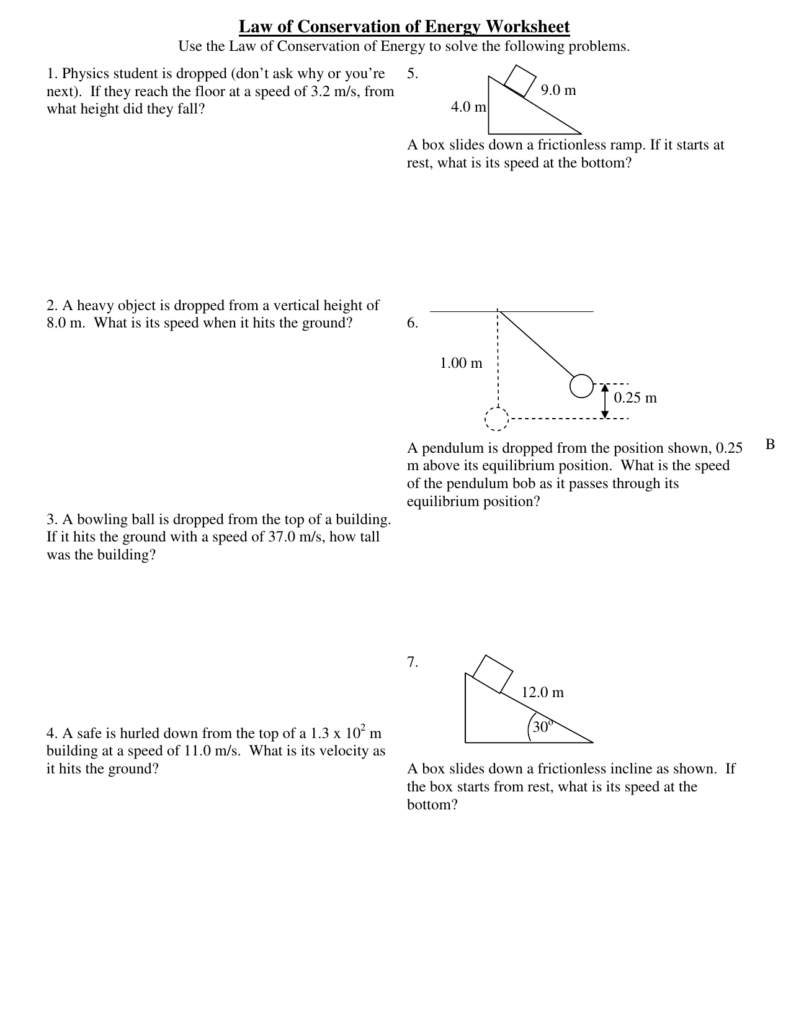
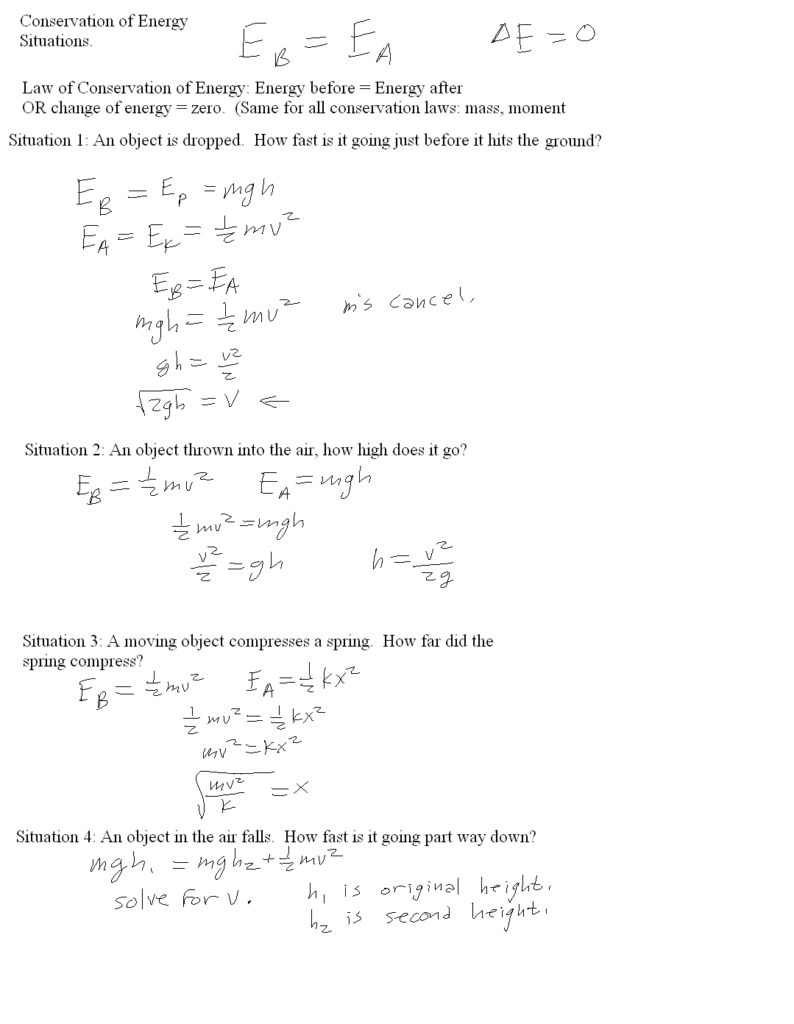
Age and grade fit matter as much as content. Pre-readers need large images, minimal text, and one-step directions, while elementary students can handle short reading passages and basic explanations. Middle grades are better suited to compare-and-contrast tasks, quick written responses, or real-life problem solving. The worksheet should match both reading demand and cognitive load: if students are still learning the idea, choose a page with one clear conservation goal instead of several mixed topics. That keeps practice focused and reduces confusion.
What to Check Before Using
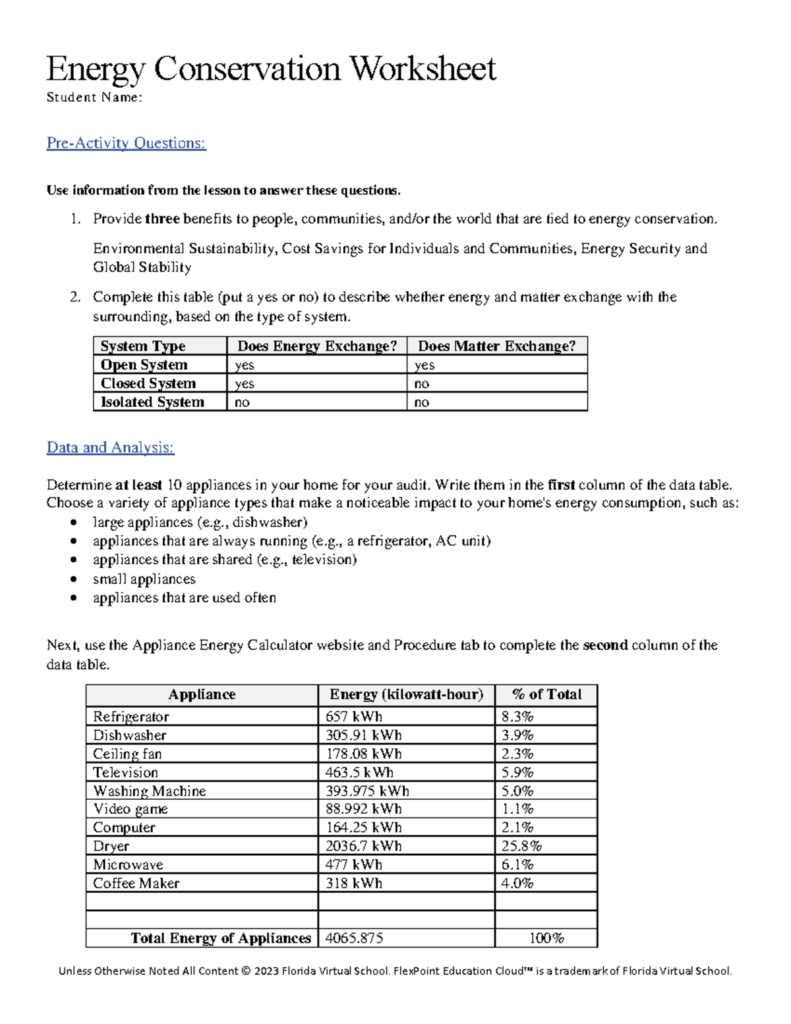
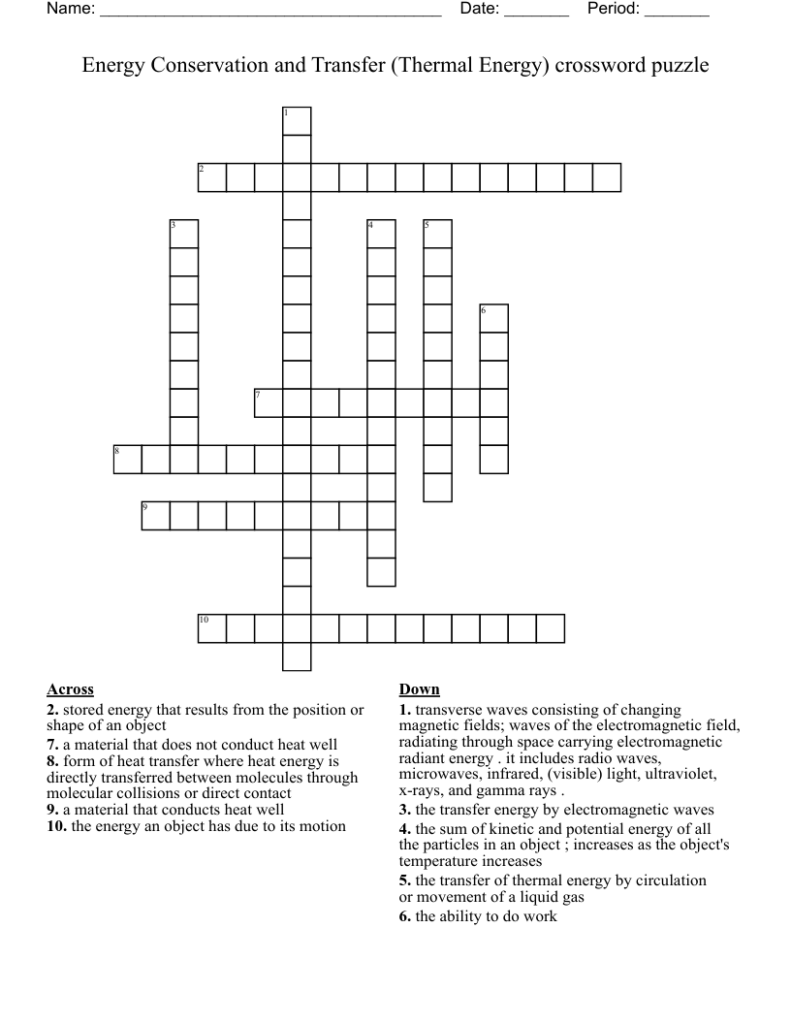
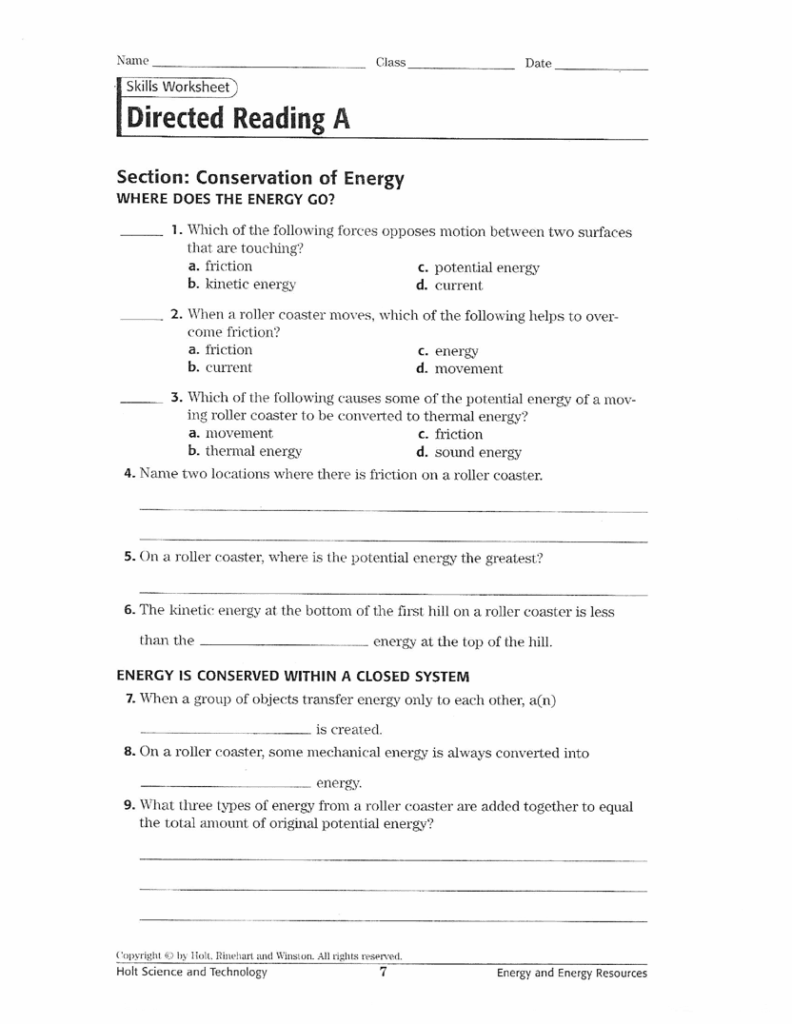
Quality worksheets are easy to follow and easy to check. Directions should be specific enough that students know exactly what to do, and answers should be clear enough that teachers can confirm understanding quickly. Avoid pages with vague prompts, too much text, or tasks that depend on outside knowledge not shown on the worksheet. Strong worksheets also align with the lesson goal, whether that goal is recognizing waste, naming conservation actions, or applying the concept to everyday choices.
If the activity cannot be answered from the page and prior instruction, it is less useful for practice.
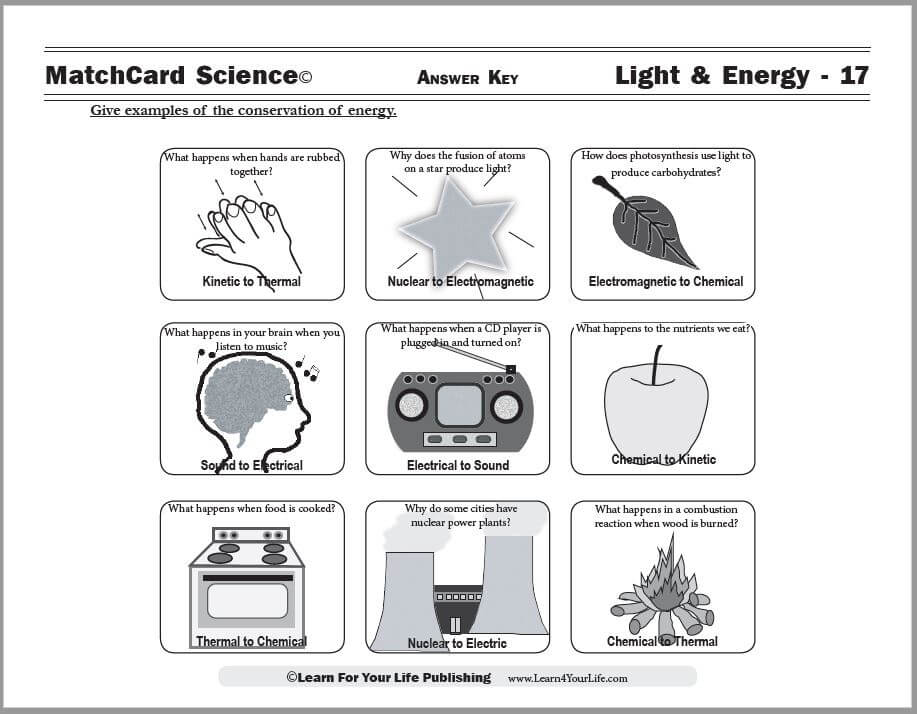
A good way to choose energy conservation worksheets is to start with the outcome you want: recognition, vocabulary, or application. Then pick the simplest format that supports that goal. For quick practice, use matching or sorting. For deeper understanding, use scenarios that ask students to explain the better choice. The best worksheet is not the longest one; it is the one that is clear, age-appropriate, and directly tied to the skill students need to show next.