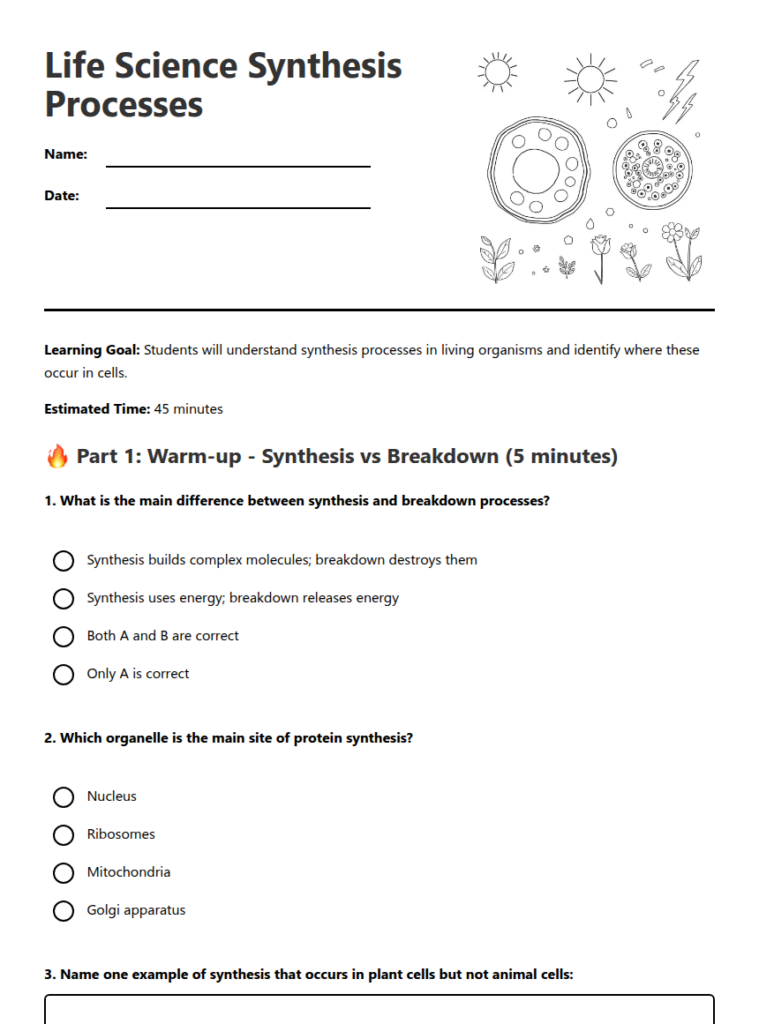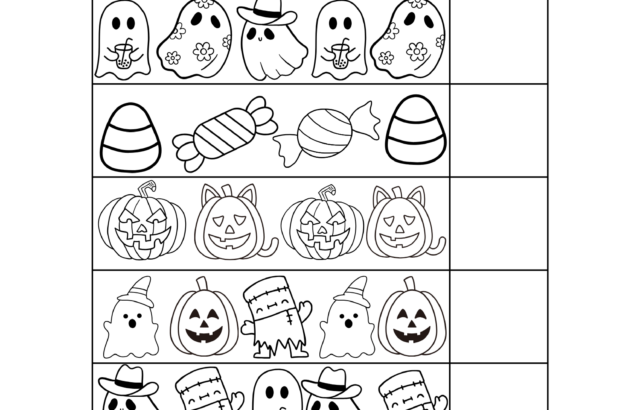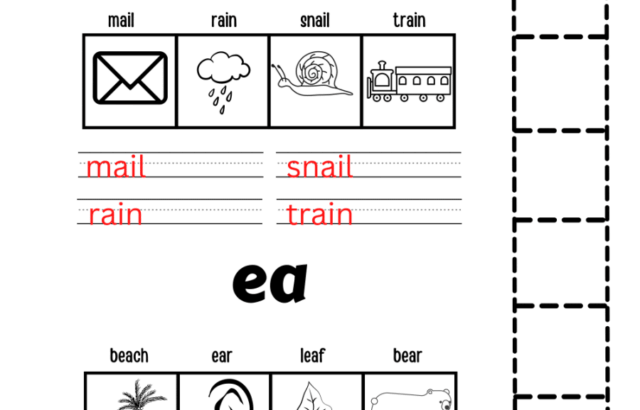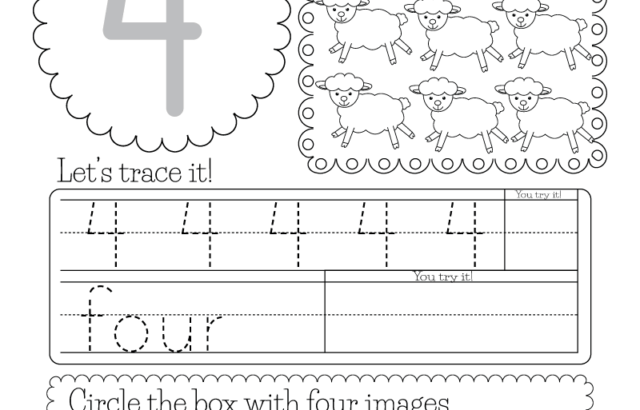
Life science worksheets for kids work best when they match a child’s age, skill level, and curiosity. The strongest worksheets keep biology simple and visual, while still teaching real concepts about plants, animals, habitats, the human body, and life cycles. Whether used at home or in class, they should feel approachable, quick to use, and easy to understand without heavy reading support.
Key Topics to Include
The most useful life science worksheets cover the topics children meet most often in early science learning. Plants worksheets might ask kids to label parts, match needs, or sort living and nonliving things. Animals worksheets can focus on body parts, classifications, or what different animals eat. Habitat pages help children connect living things to where they live, while human body worksheets and life cycle activities build basic awareness of growth and change in clear, age-friendly ways.
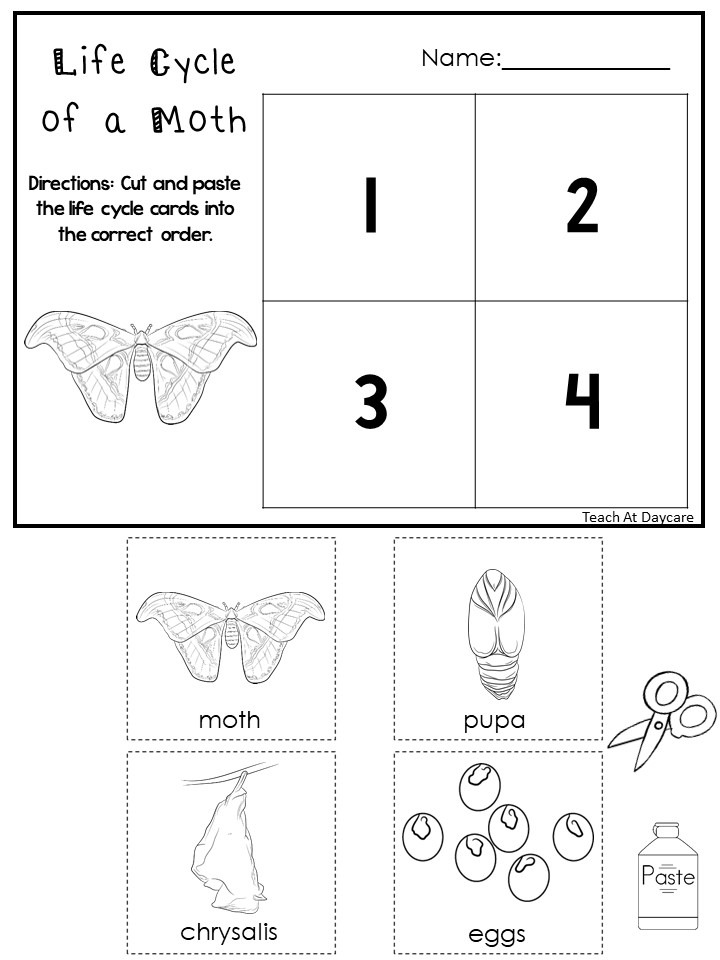
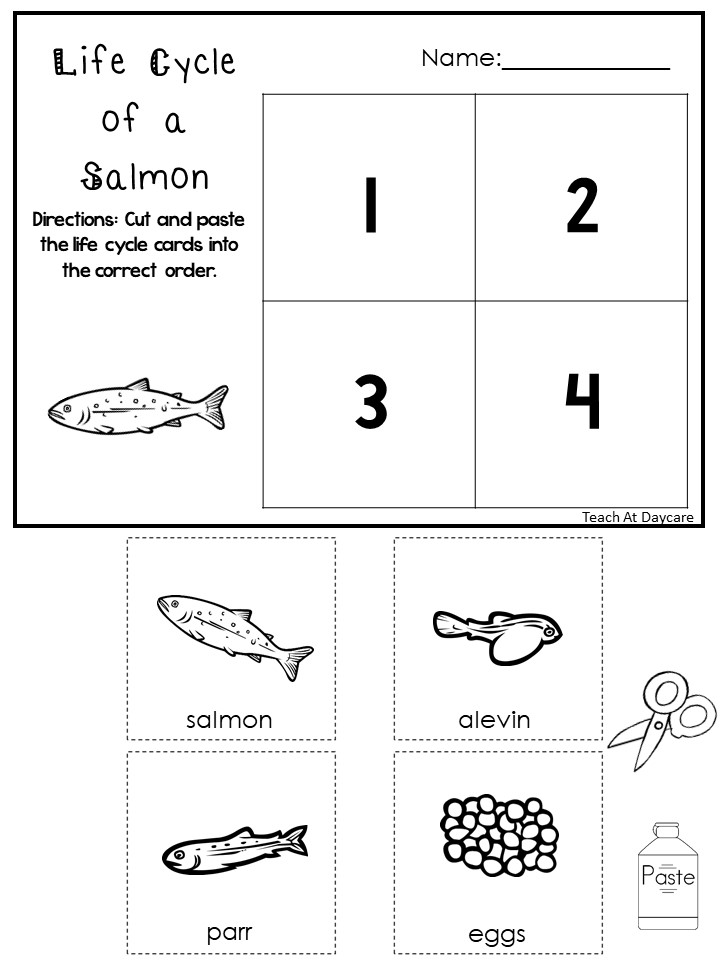
Good worksheets do more than present facts. For younger children, simple directions matter because they keep the task focused and reduce frustration. Clear pictures, labeling tasks, matching games, coloring prompts, and cut-and-paste choices make the topic easier to grasp. These formats also support children who are still developing reading skills. The best pages feel active, not crowded, so kids can notice patterns, make observations, and complete the work independently or with light help.
Choosing by Grade Level
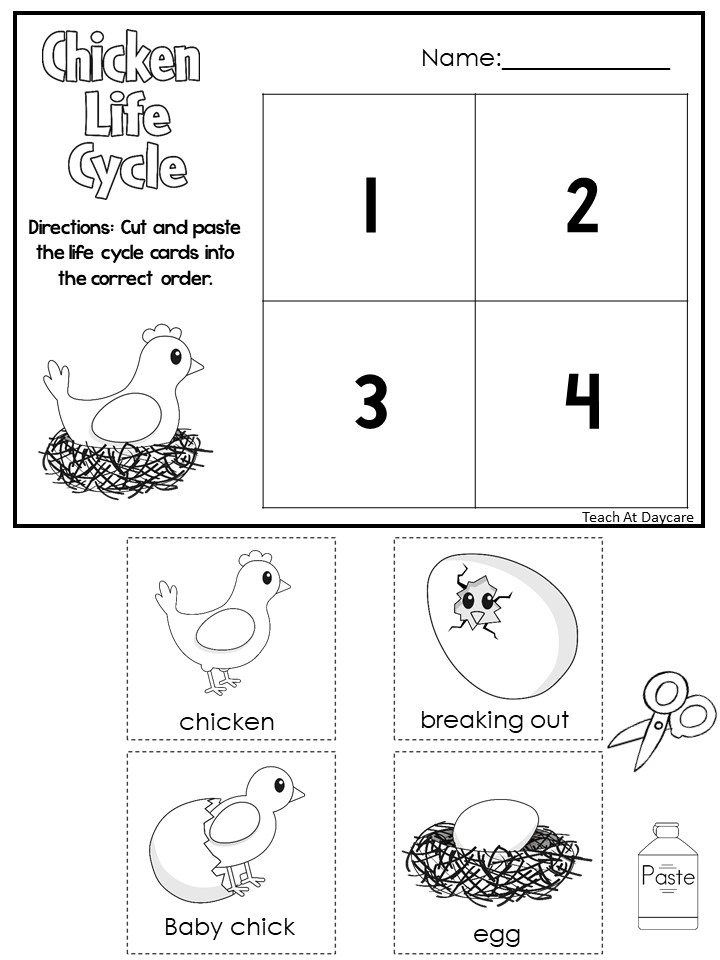
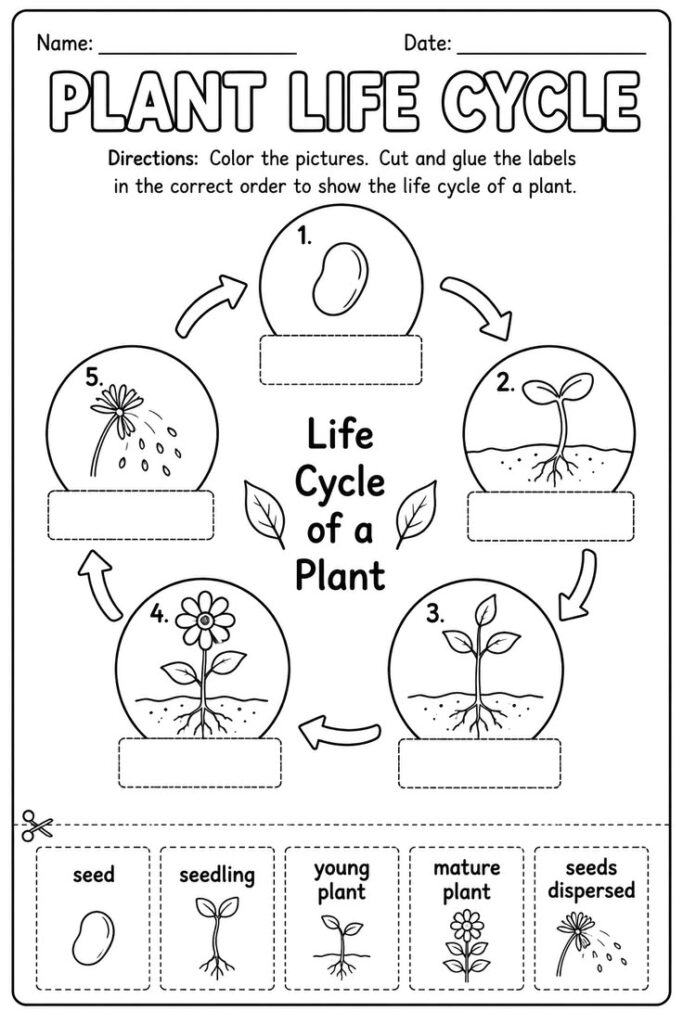
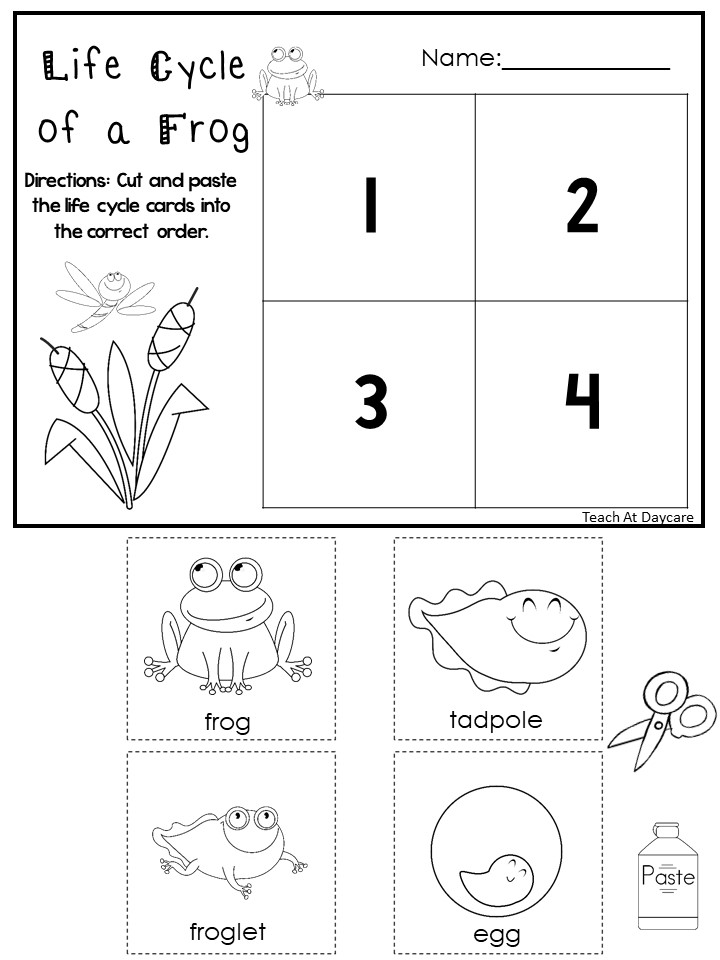
When choosing worksheets, start with the child’s grade and current science goals. Preschool and early elementary learners usually need picture-based, one-step tasks, such as identifying animals or sorting plants and animals. Older kids can handle short reading passages, vocabulary practice, and more detailed diagrams. If the goal is review, pick worksheets with quick checks and repetition. If the goal is introduction, choose pages that build one idea at a time and avoid too many new terms at once.
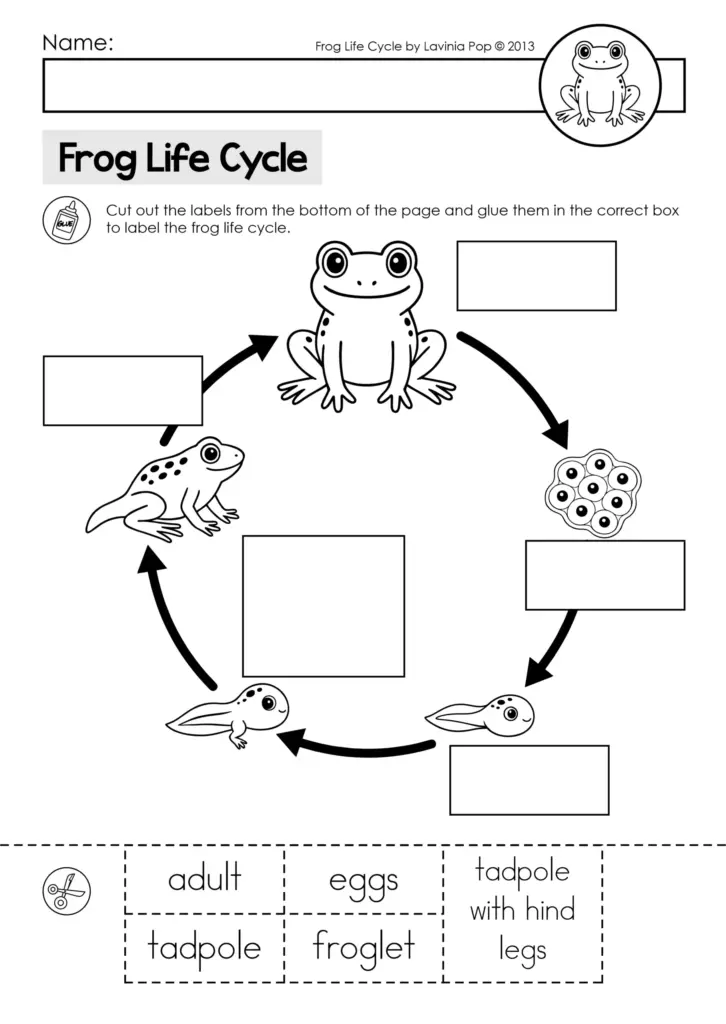
For parents and teachers, printable life science worksheets are especially practical because they are easy to use anywhere and often require little setup. They work well for homework, quiet seat work, early finishers, and simple at-home practice. A good choice should be print-friendly, clear enough to follow without extra explanation, and useful as a quick learning check. If a worksheet helps a child see, name, and compare living things with confidence, it is doing its job well.