Beginning fractions worksheets help young learners build first fraction ideas in a simple, visual way. At this level, children are not working on complicated procedures; they are learning what halves, thirds, and fourths look like and how parts relate to a whole. The best worksheets keep the task clear, use familiar shapes, and let students practice with minimal reading so they can focus on the math idea itself.
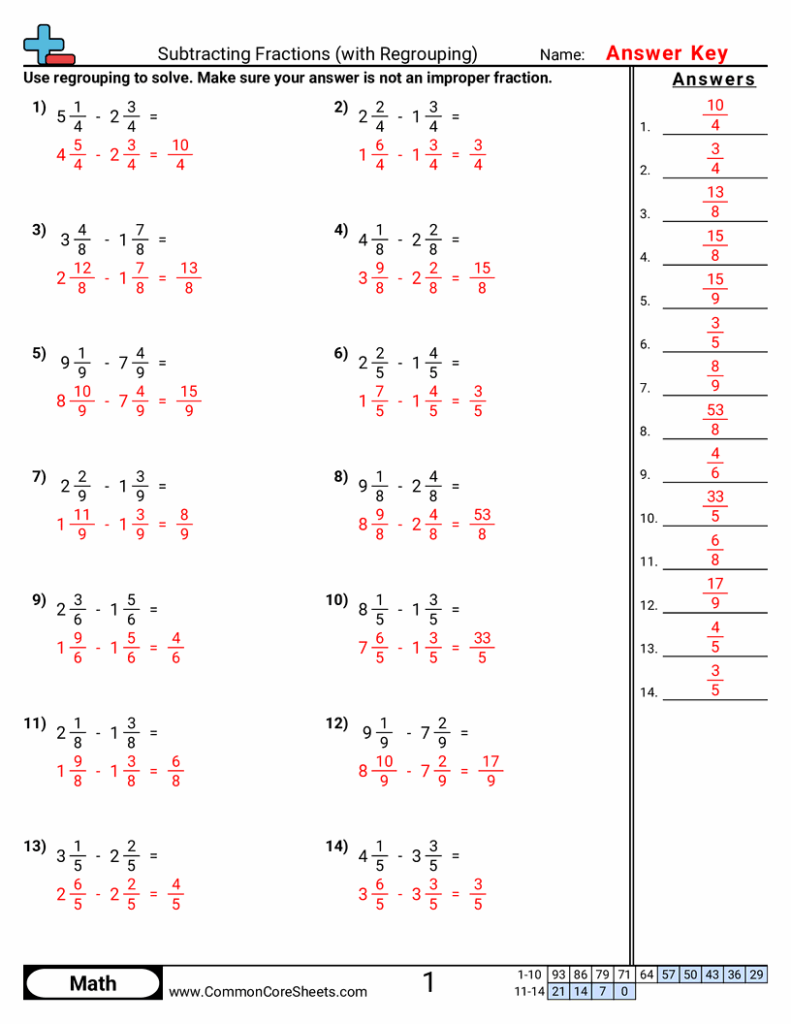
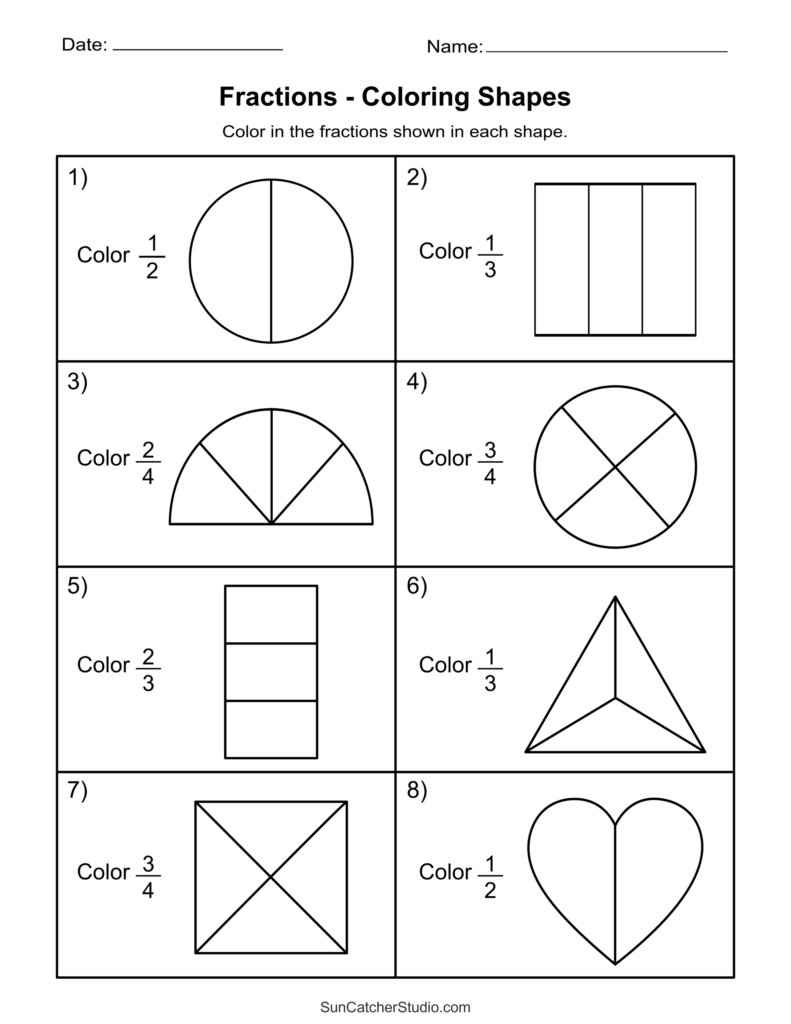
Basic Fraction Parts
The most useful beginning fractions worksheets start with the clearest fraction concepts: halves, thirds, and fourths. Early learners should see whole shapes split into equal parts, then connect each fraction name to what it looks like. Good practice may ask students to identify which picture shows one-half, or choose the shape divided into three equal sections. This builds fraction sense before children are expected to work with symbols alone.
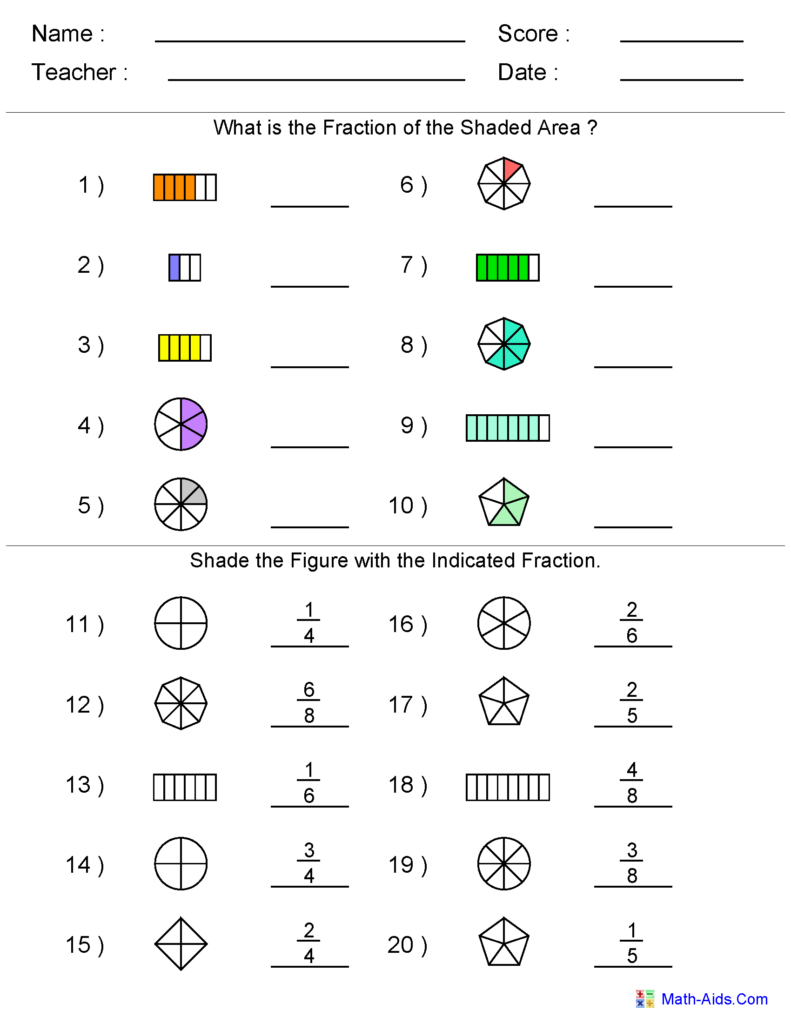
Practice Styles
Beginning fractions worksheets are strongest when they mix a few simple task types. Children might shade a part of a shape, match a fraction word to a picture, circle the correctly partitioned model, or compare two very simple fraction images. These activities give repeated exposure without feeling repetitive. Since the goal is understanding, the worksheet should focus on one idea at a time and keep directions short and easy to follow.
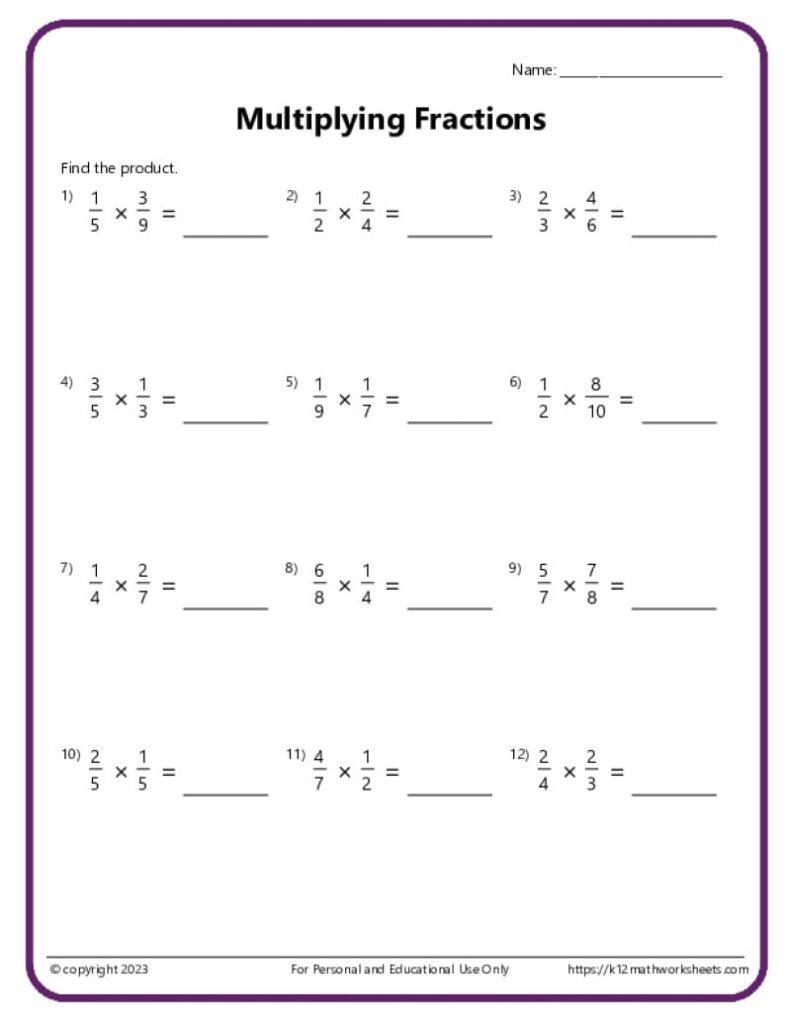
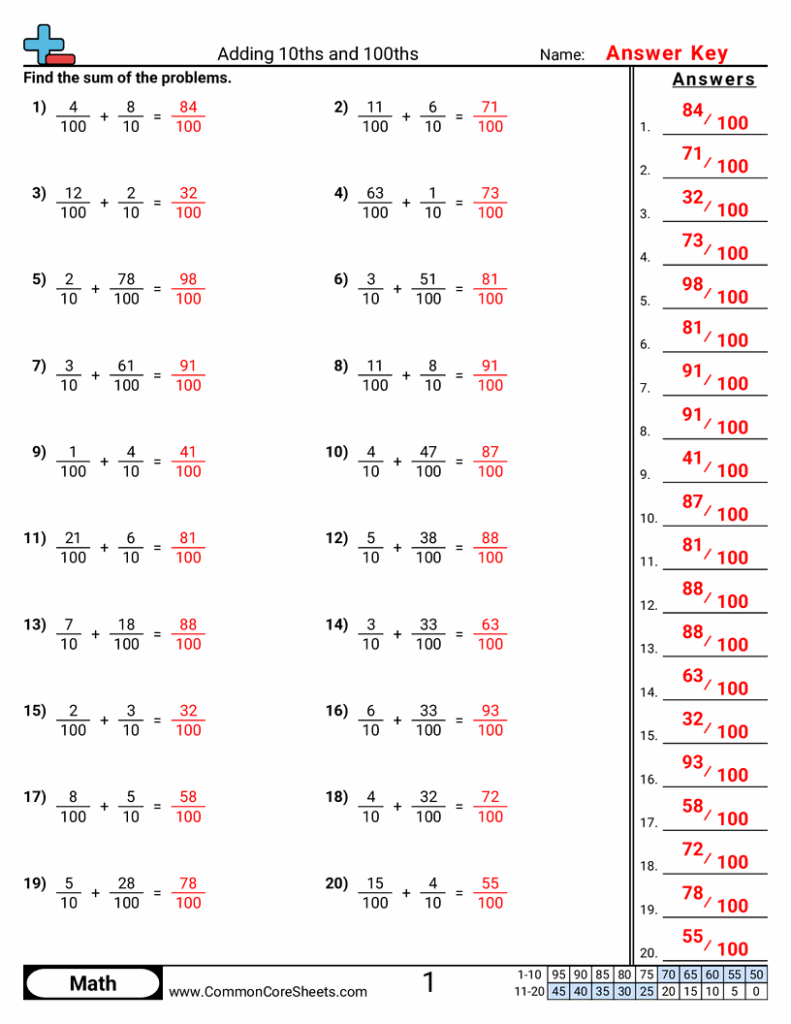
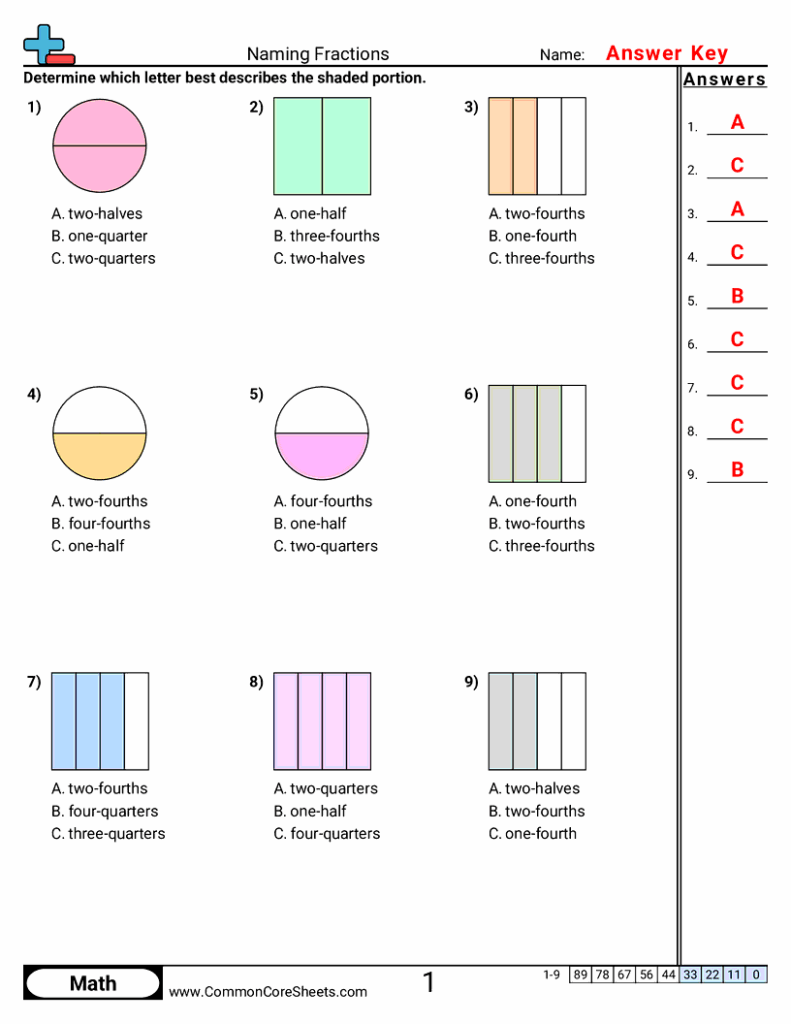
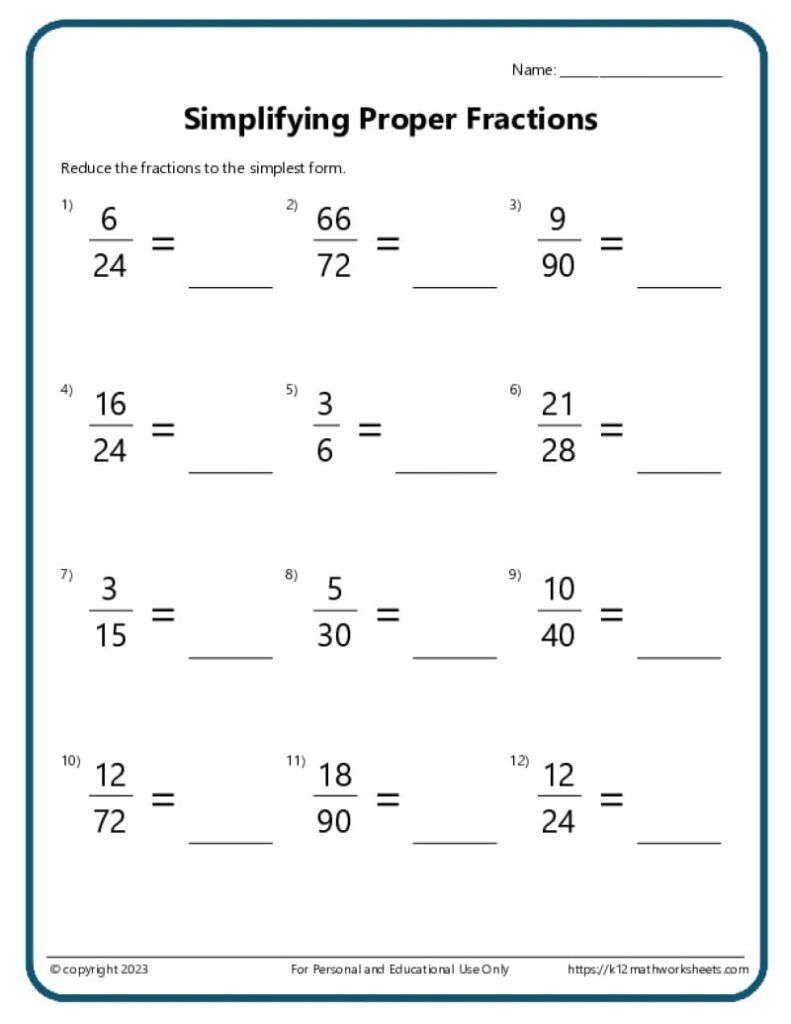
Developmentally appropriate beginning fractions worksheets rely on clear visuals, large shapes, and minimal text. Young learners do best when they can count parts, see equal sections, and respond with coloring or matching instead of heavy writing. Worksheets that reduce reading demands also support students who are still learning math vocabulary. A strong set of beginning fractions worksheets gives children a gentle entry point, helping them recognize fractions visually before moving on to more formal work.