
Count and trace worksheets kindergarten give young learners a simple way to connect numbers with meaning. Children count small sets of objects, recognize the matching numeral, and practice tracing that number with a pencil or crayon. Because the format is repetitive and familiar, these worksheets can support early number confidence without adding too much visual or language demand.
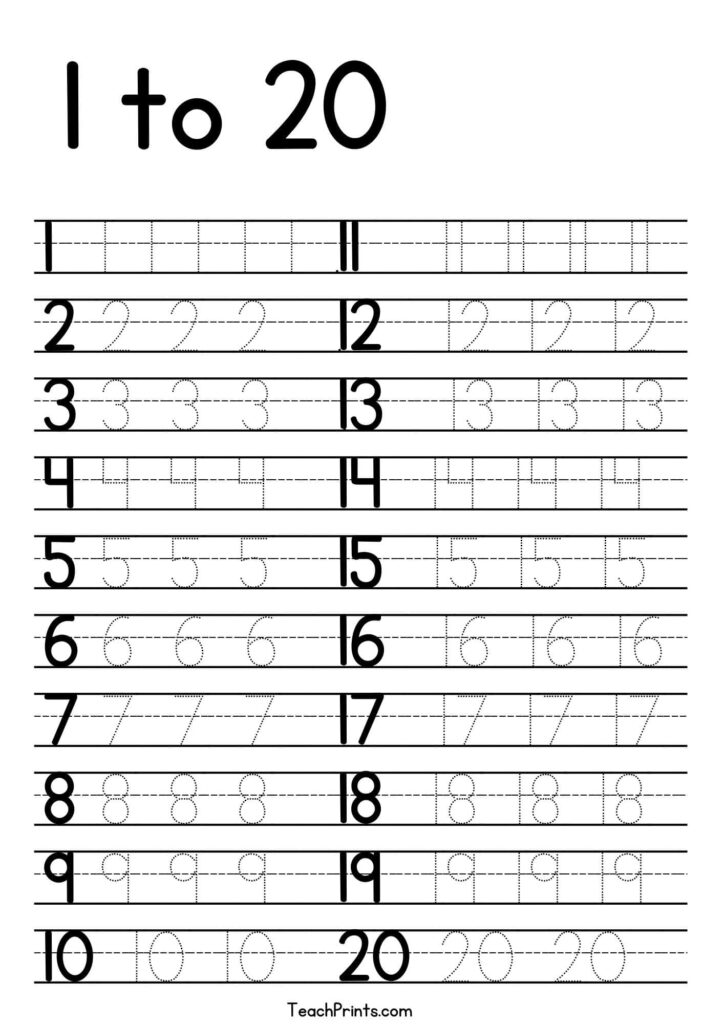
These worksheets work best when the counting task stays concrete. A child might count apples, stars, dots, or blocks, then trace the numeral beside that group. That sequence reinforces one-to-one counting and helps children see that a written number represents a quantity. For kindergarten learners, the best pages keep the counts small and predictable, often within the early numbers 0 to 10, so children can focus on accuracy instead of speed.
What Good Pages Include
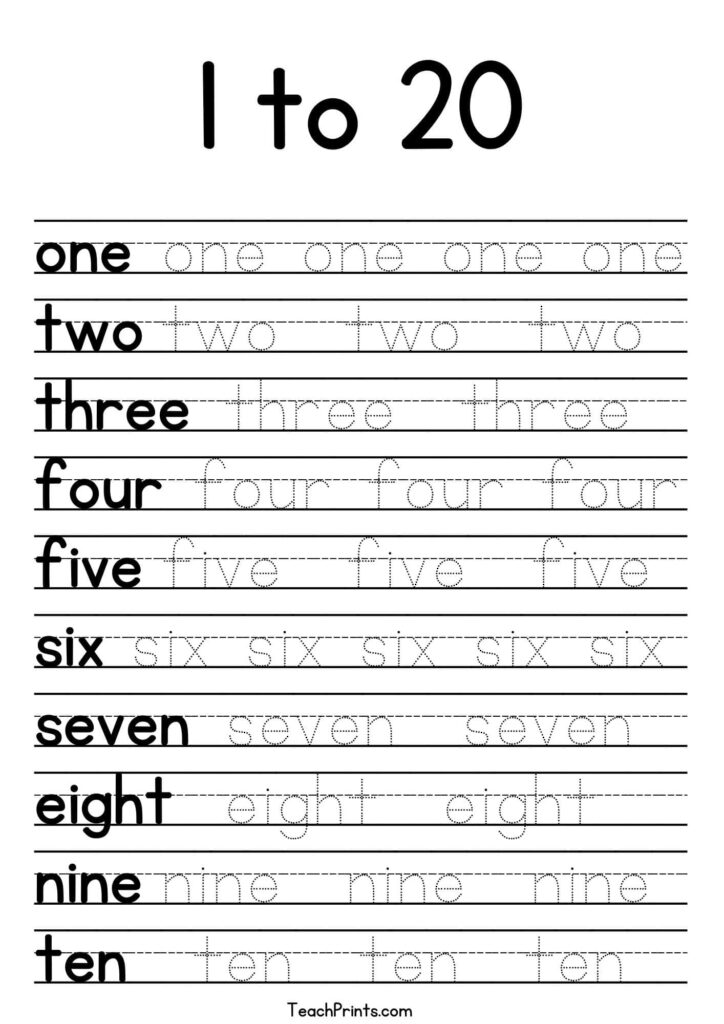
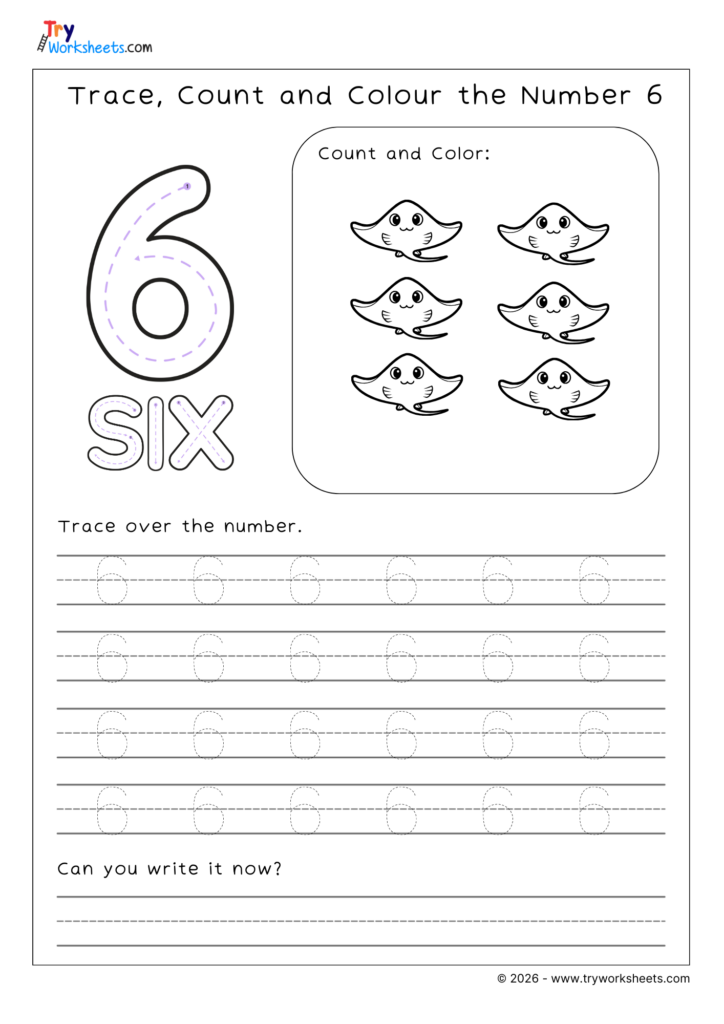
Kindergarten-appropriate design matters as much as the math task itself. Look for large numerals, thick tracing lines, and clear spacing between items so children can follow the page without getting overwhelmed. Simple directions are helpful, especially if a child is still building listening or pre-reading skills. Limited colors and uncluttered pictures keep the attention on the number task. If a worksheet has too many decorations, it can distract from counting and tracing practice.
Choosing for Small Hands
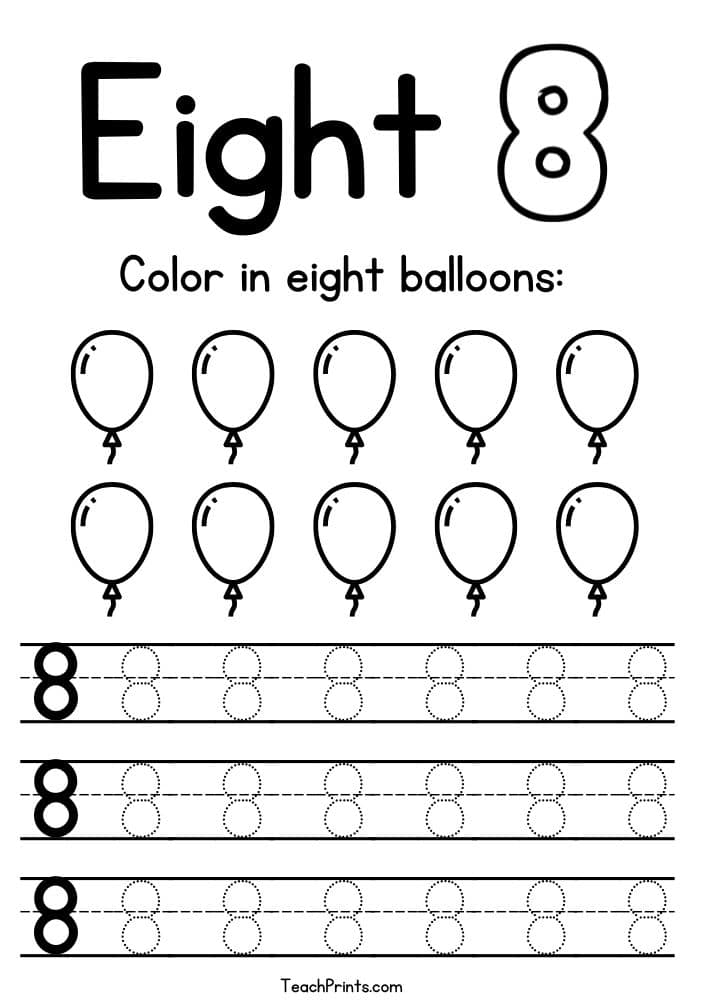
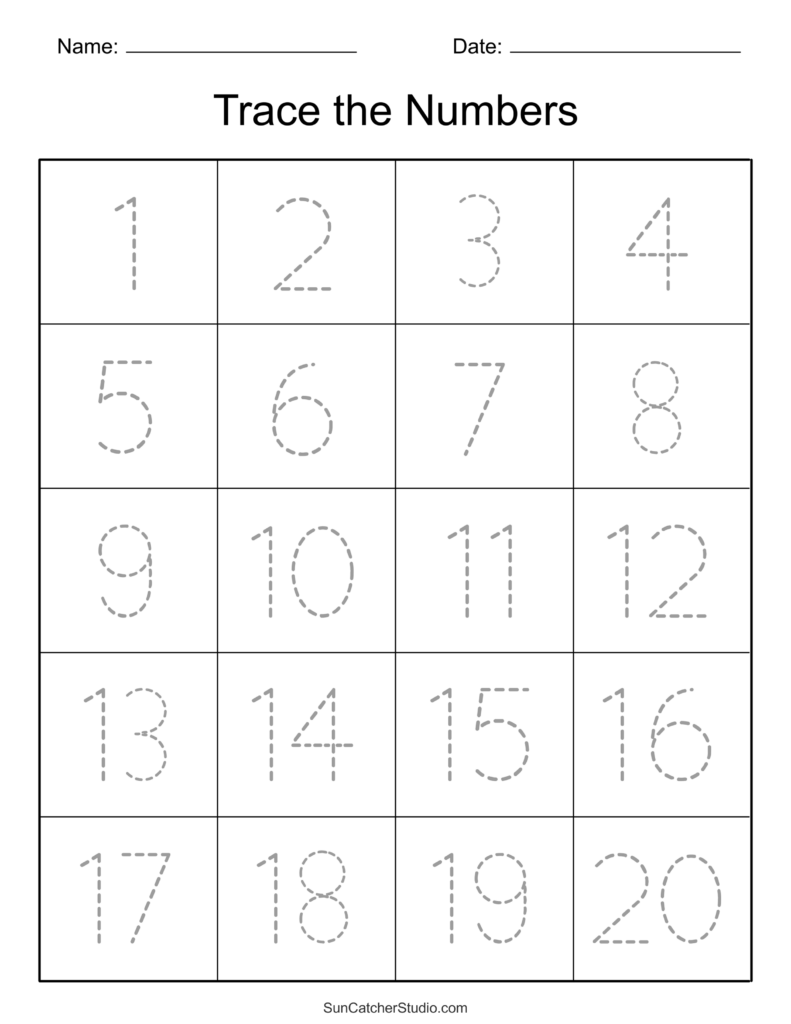
When choosing worksheets, match the page to a child’s fine-motor level and attention span. If tracing is still difficult, thicker numbers and shorter pages are easier to manage. If a child tires quickly, a worksheet with just a few problems may be better than a long sheet. It also helps to choose familiar objects to count, since everyday pictures make the task easier to understand. The goal is steady practice that feels manageable, not rushed or crowded.
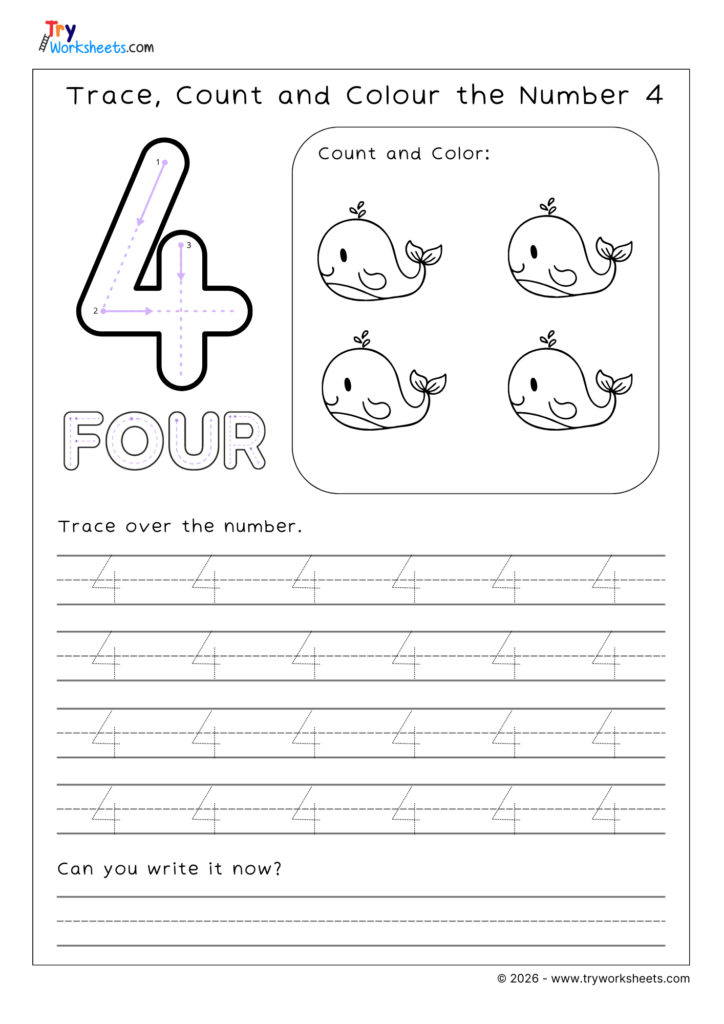
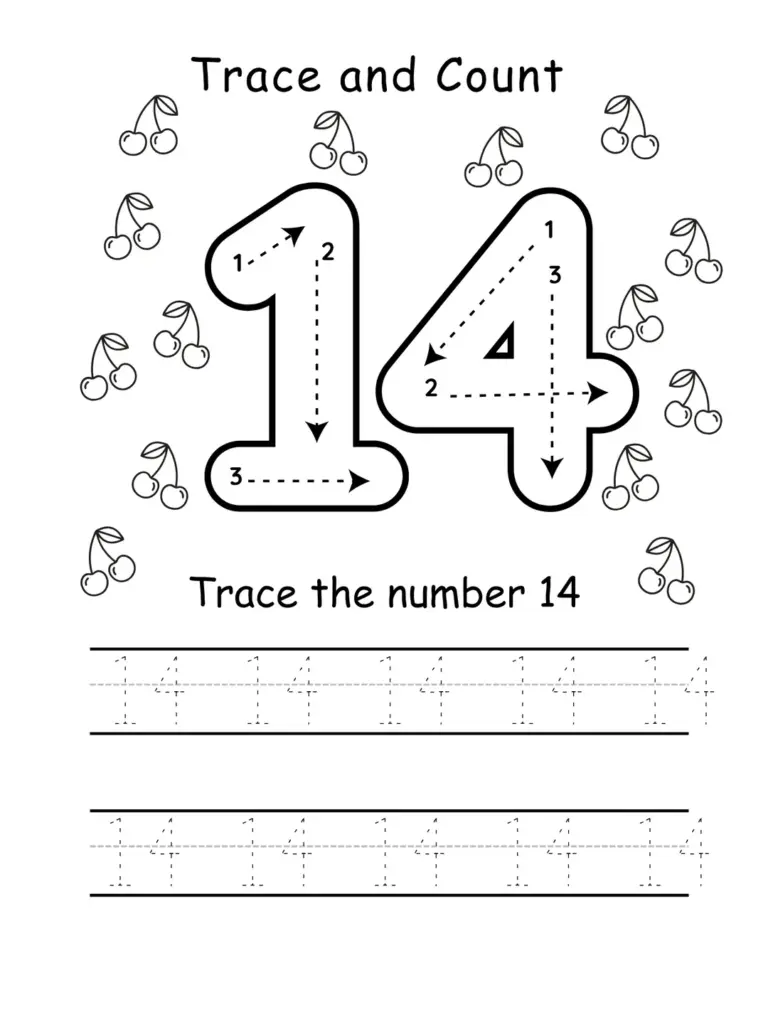
The best count and trace worksheets kindergarten learners use are simple, clear, and purposeful. They should give children a chance to count objects, identify the matching numeral, and trace it with growing control. When the page layout is calm and the numbers are age-appropriate, children can focus on early number learning instead of decoding a busy worksheet. A good next step is to choose pages with small sets, bold print, and easy-to-follow directions.



