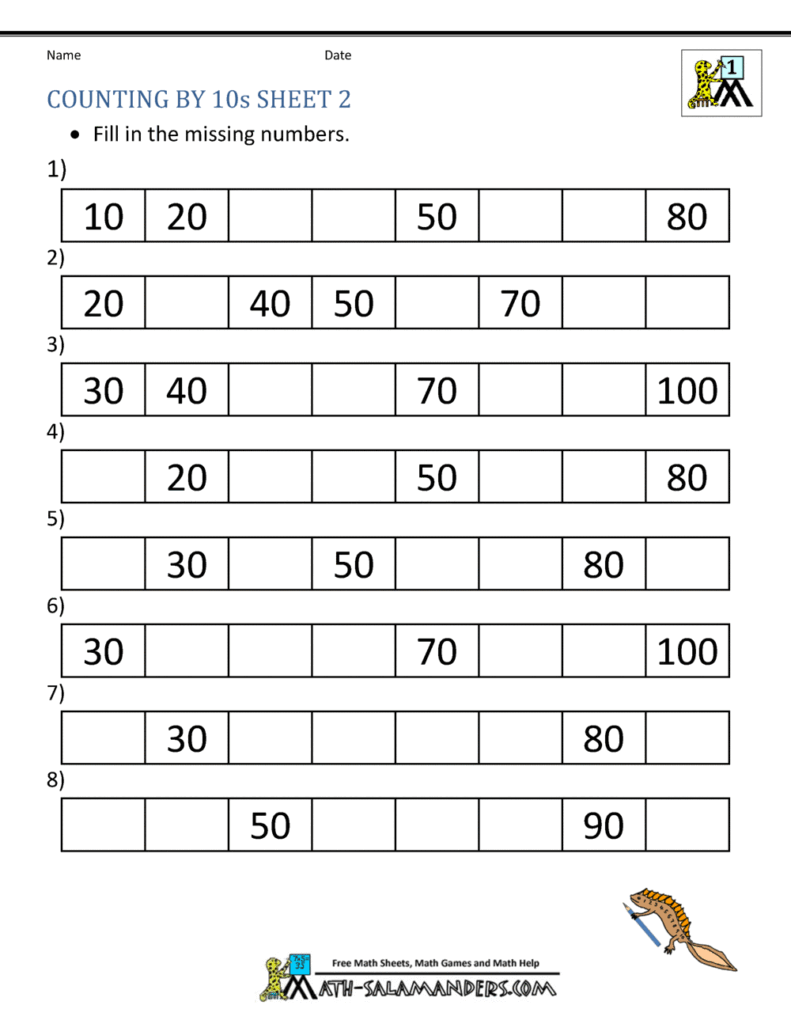
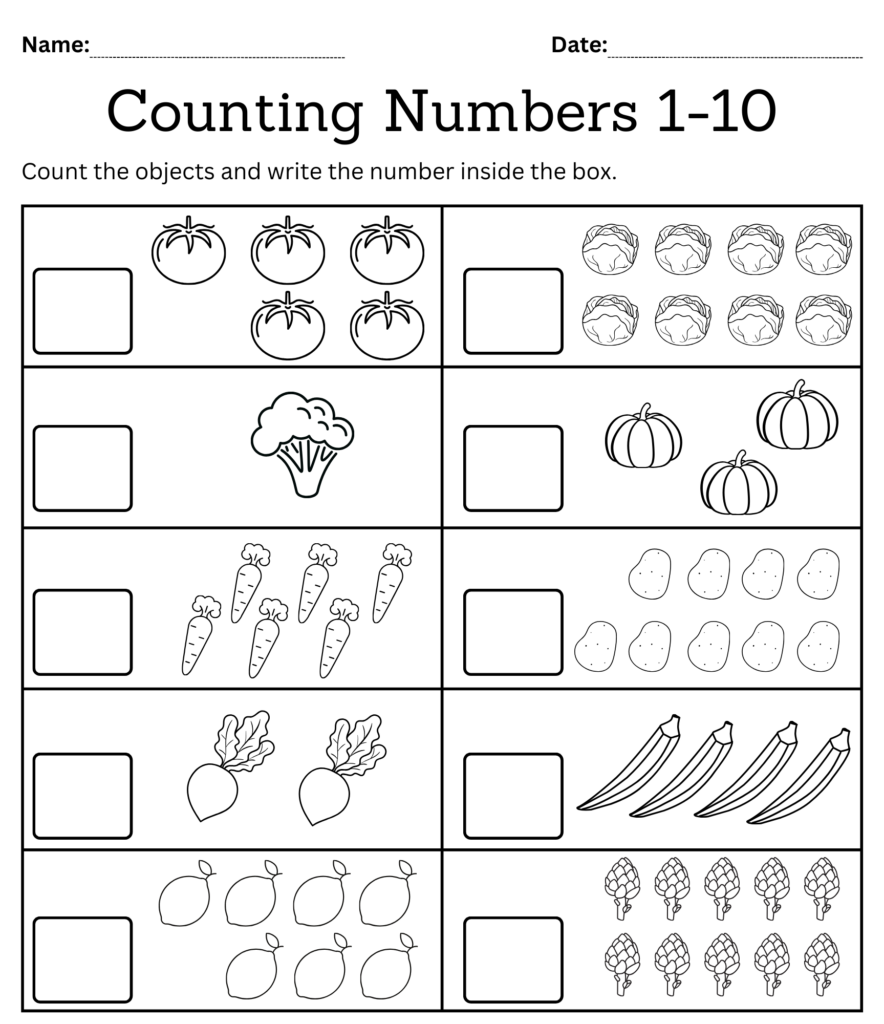
Counting by 10 worksheets help children practice skip counting in a simple, visual way. These pages usually guide learners from 10 to 100 or beyond, building comfort with number order and repeated tens. They are a good fit for early math practice at home or in the classroom because the tasks are short, clear, and easy to check.
What They Practice
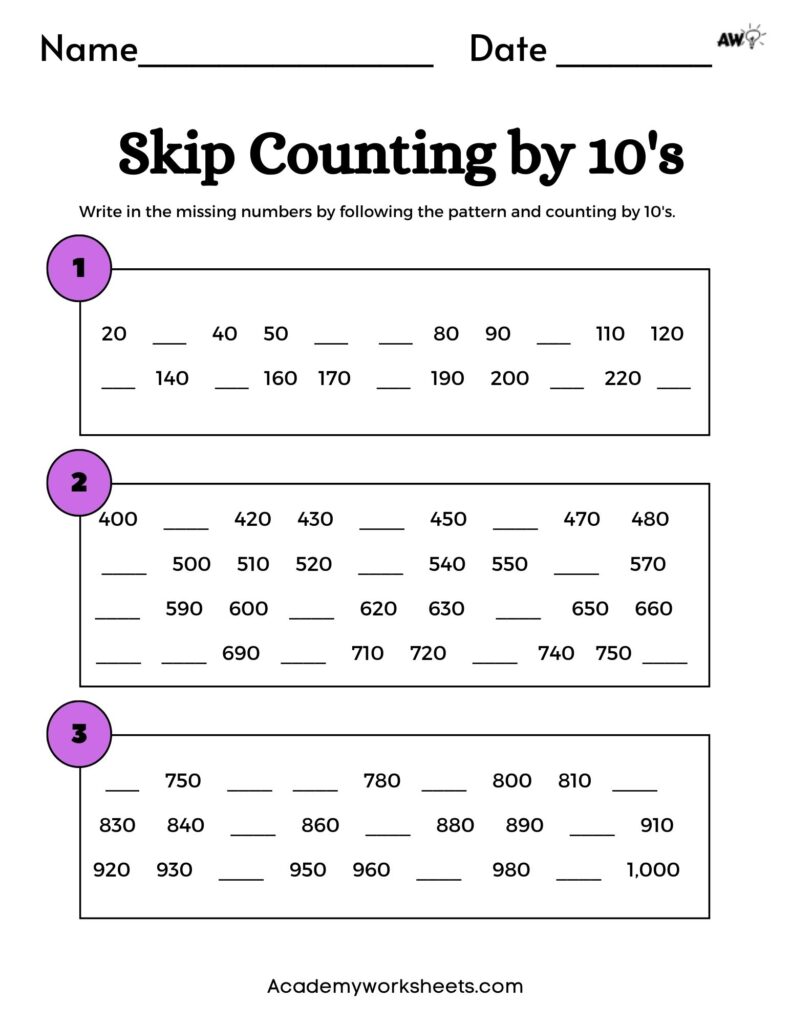
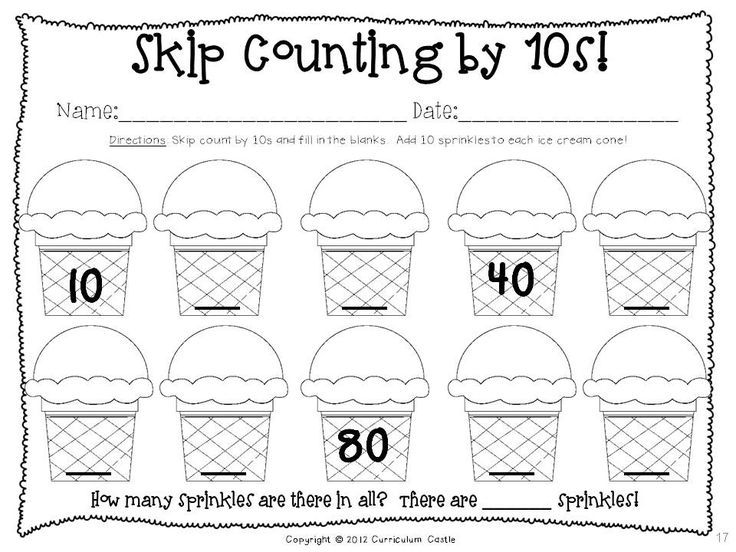
The main skill in counting by 10 worksheets is recognizing and continuing patterns of ten: 10, 20, 30, and so on. This supports early number sense by helping children see that each step adds one group of ten, not one single unit. Worksheets often show the pattern in a number sentence, a chart, or a set of boxes. That repeated structure makes it easier for young learners to notice the rhythm of skip counting and remember the sequence.
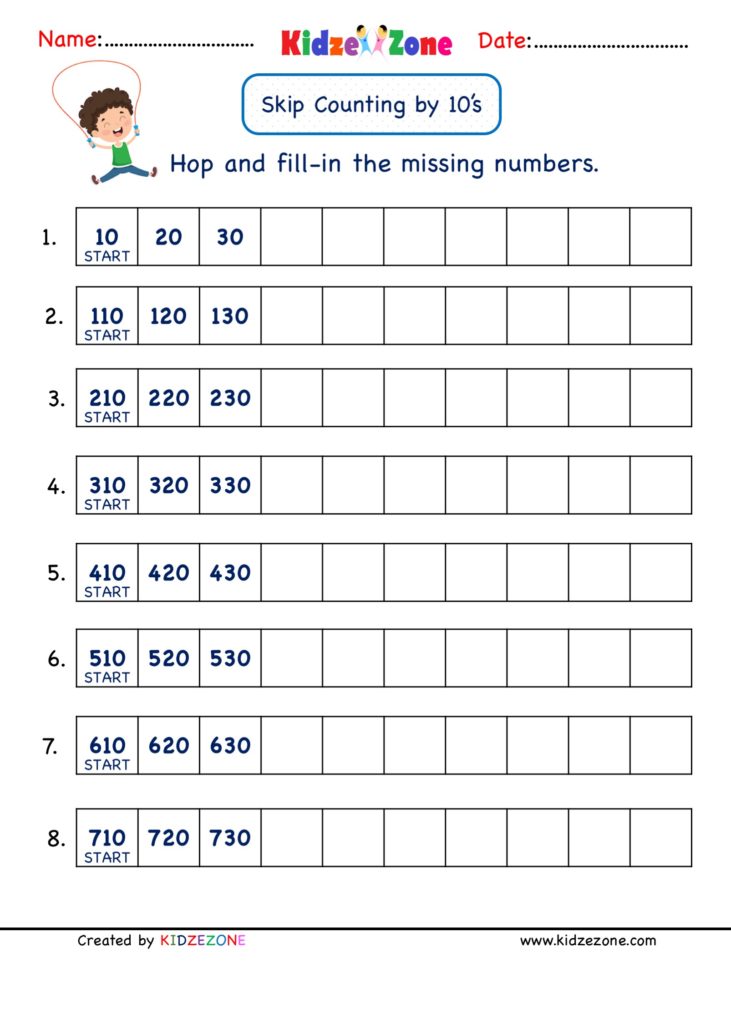
Common worksheet tasks include filling in missing numbers in a tens sequence, tracing or writing numbers on a number line, and counting pictures grouped in tens. Some pages ask children to connect groups of ten to the matching number. Others use simple tables or ladders that move by tens. These formats keep practice concrete and manageable, especially for students who are still learning to read and write larger numbers with confidence.
Choosing the Right Page
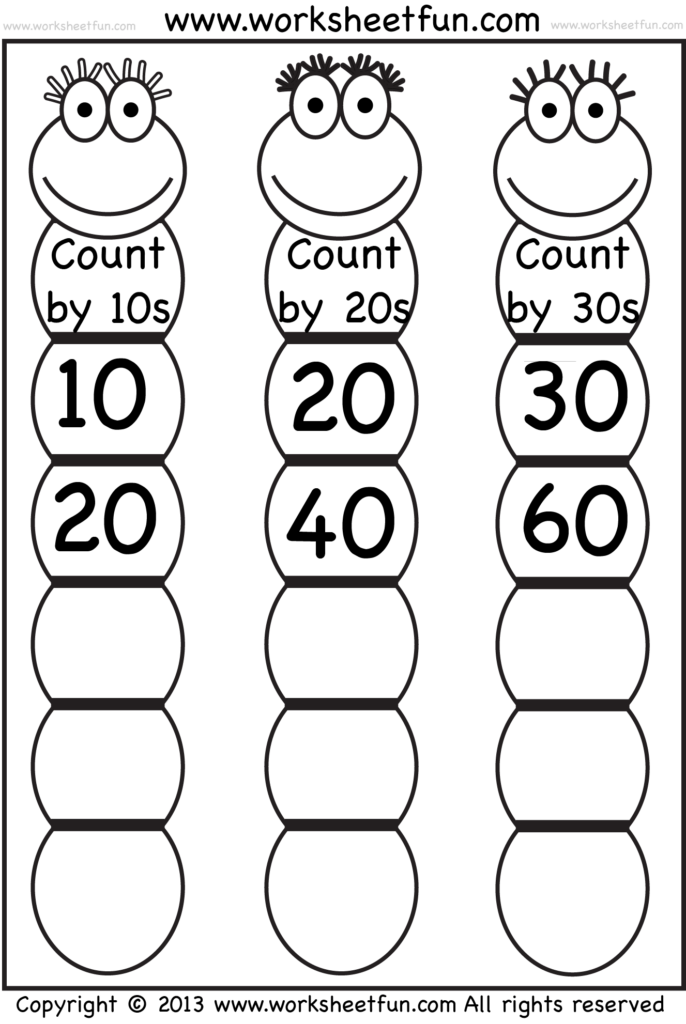
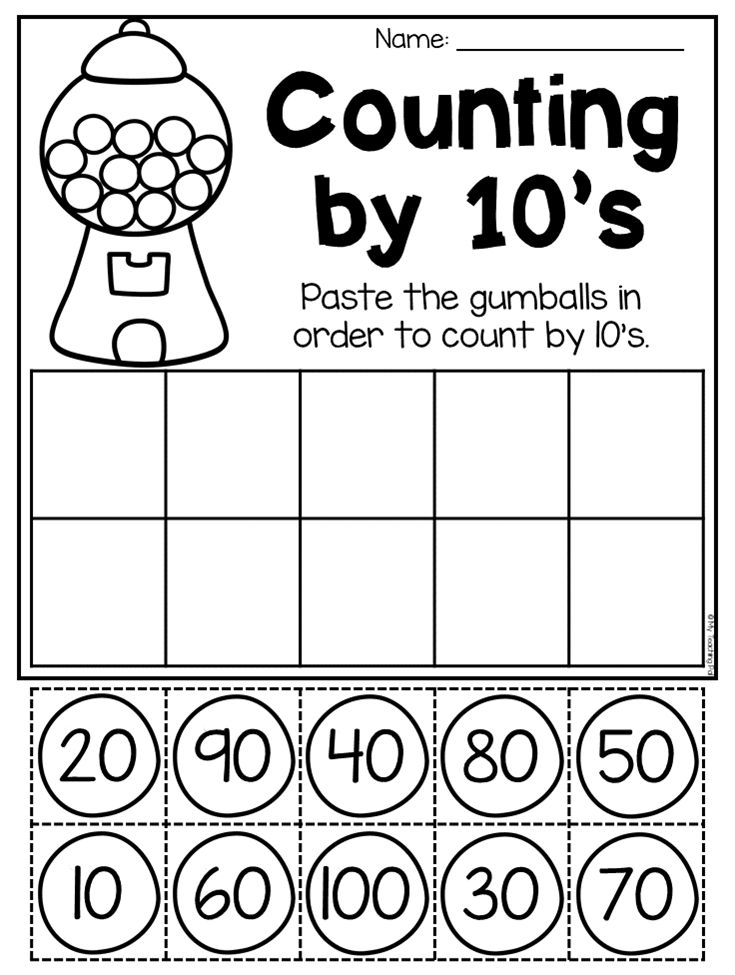
A good counting by 10 worksheet should match the child’s current level. Beginners may do best with large-print sequences and visual supports, such as ten frames or grouped objects. Children who already know the pattern can move to missing-number practice or number-line work with less visual help. Look for pages that stay focused on tens only, without mixing in harder skip-counting patterns. The best worksheet is the one that feels clear enough to complete independently, but still offers a small amount of challenge.
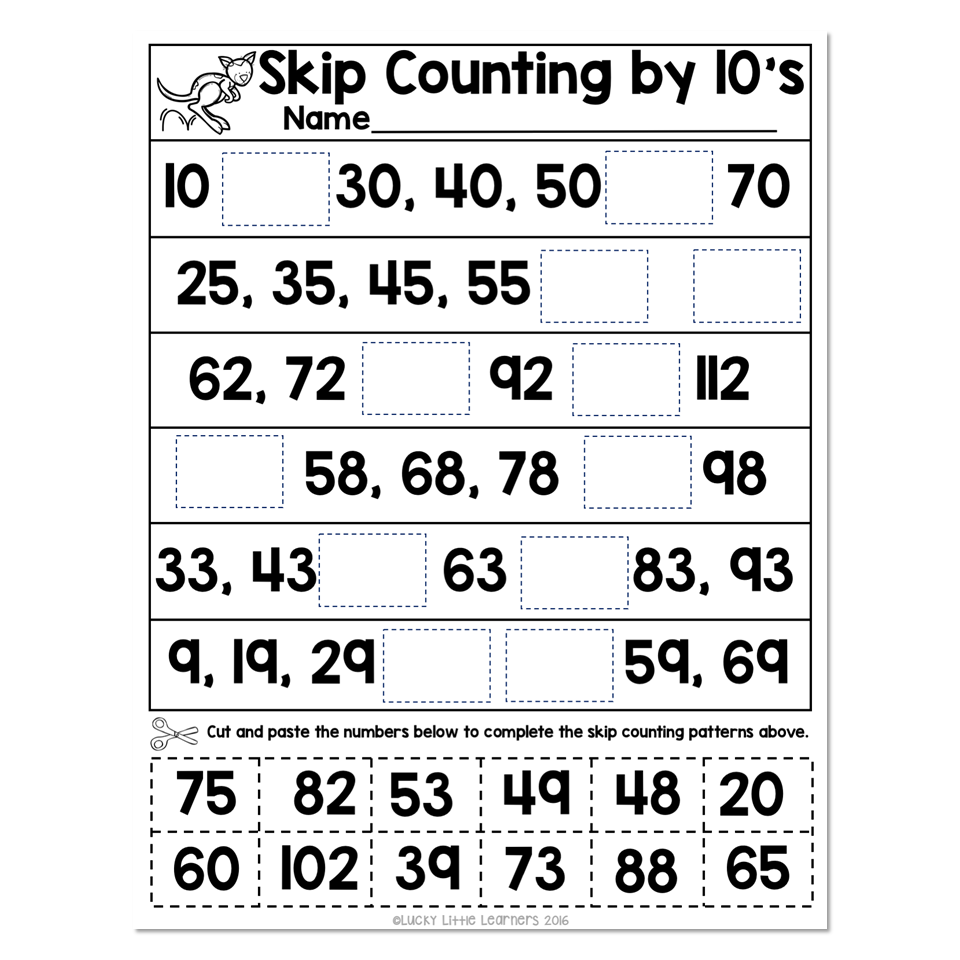
If a child is just starting, choose worksheets that begin at 10 and move in small steps. If the sequence is already familiar, use pages with blanks in the middle or at the end to check recall. Counting by 10 worksheets work best when they are simple, repetitive, and tied closely to the tens pattern. That balance helps early learners build speed, accuracy, and confidence without overwhelming them.