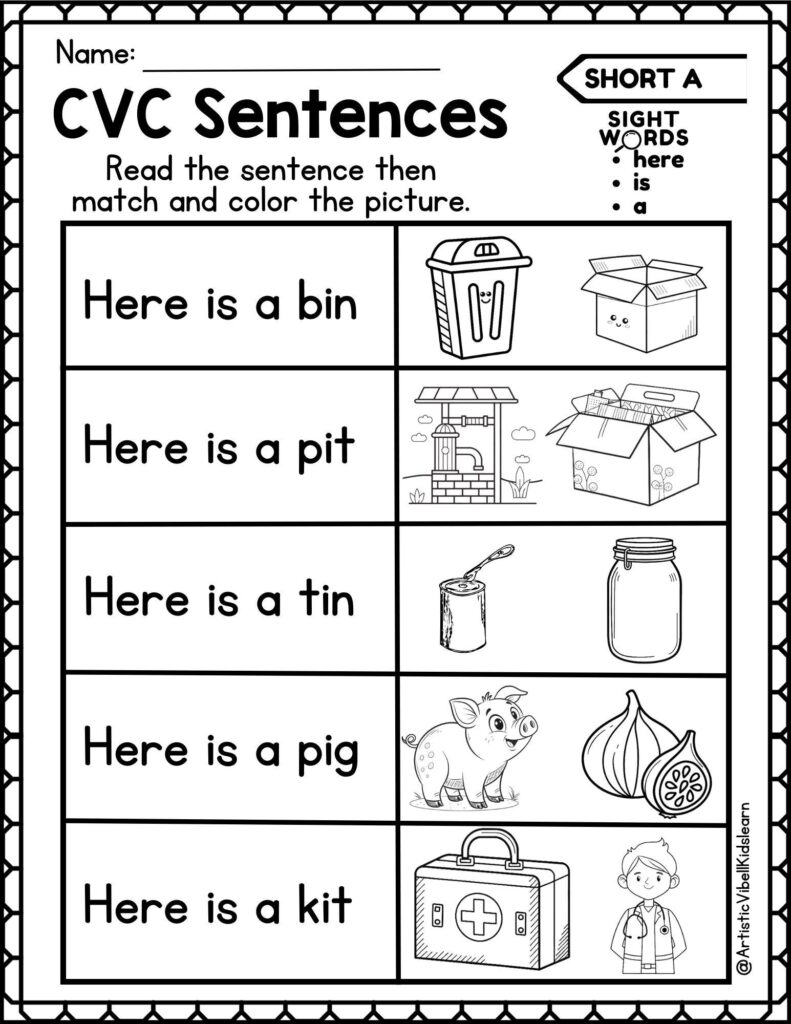
CVC sentences worksheets help early readers move from sounding out single words to reading them in simple sentences. These worksheets usually combine short, familiar CVC words with easy sentence frames, giving children a chance to blend sounds, read smoothly, and build confidence. They are a practical step for beginners who are ready to connect basic decoding with meaning.
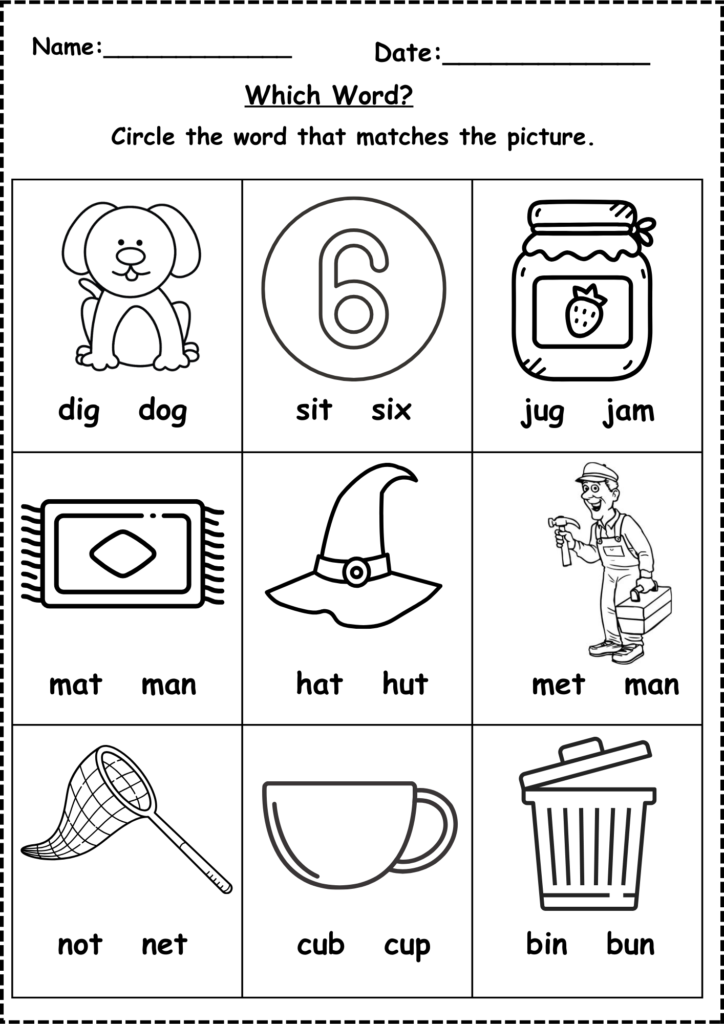
The main benefit of CVC sentences worksheets is that they place simple consonant-vowel-consonant words into real reading context. Instead of reading isolated words like cat, sun, or pen, children practice them inside short sentences such as The cat ran or The sun is hot. That helps readers blend sounds more quickly, recognize words more automatically, and begin reading with better pace and accuracy. It is a useful bridge between phonics practice and early fluency.
What to look for
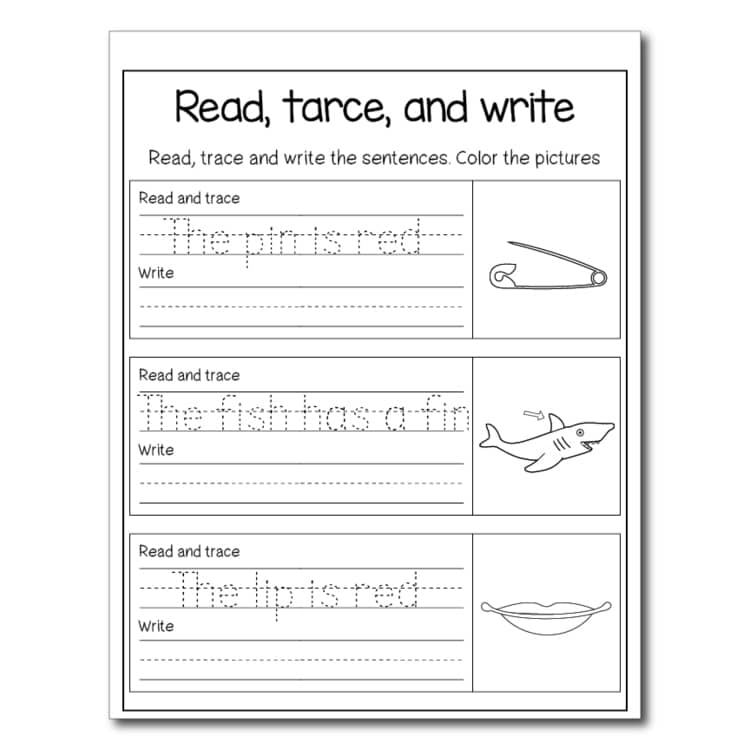
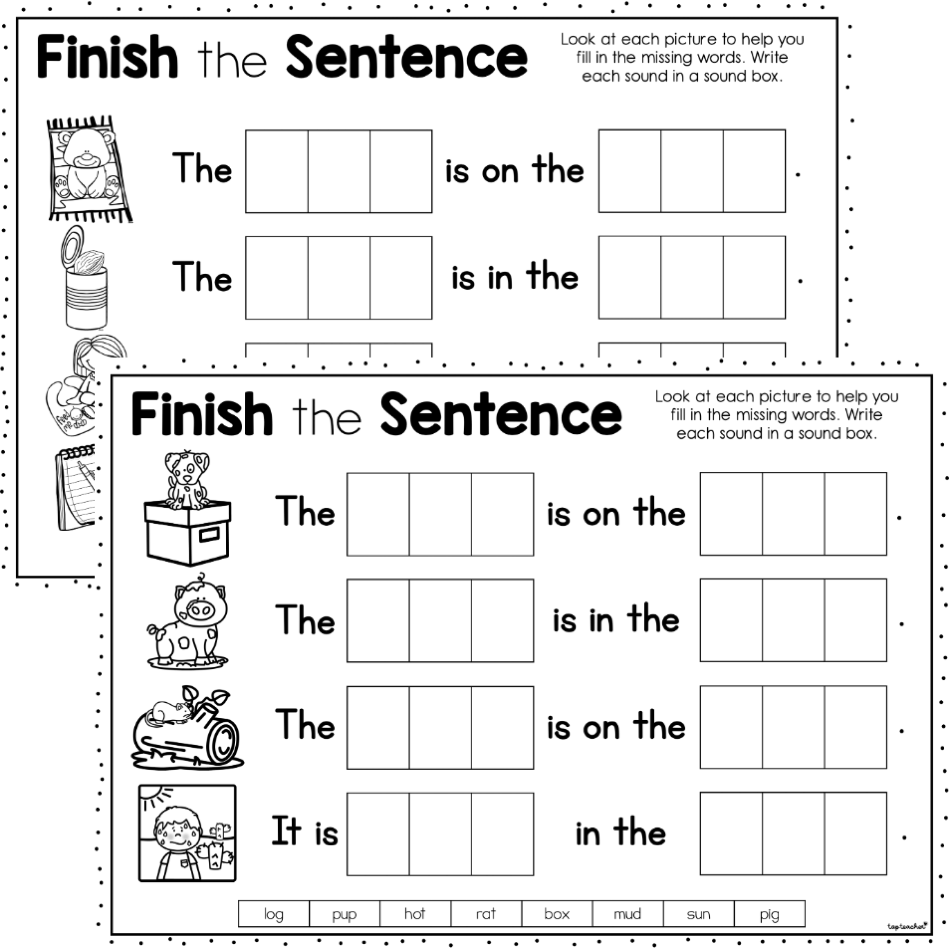
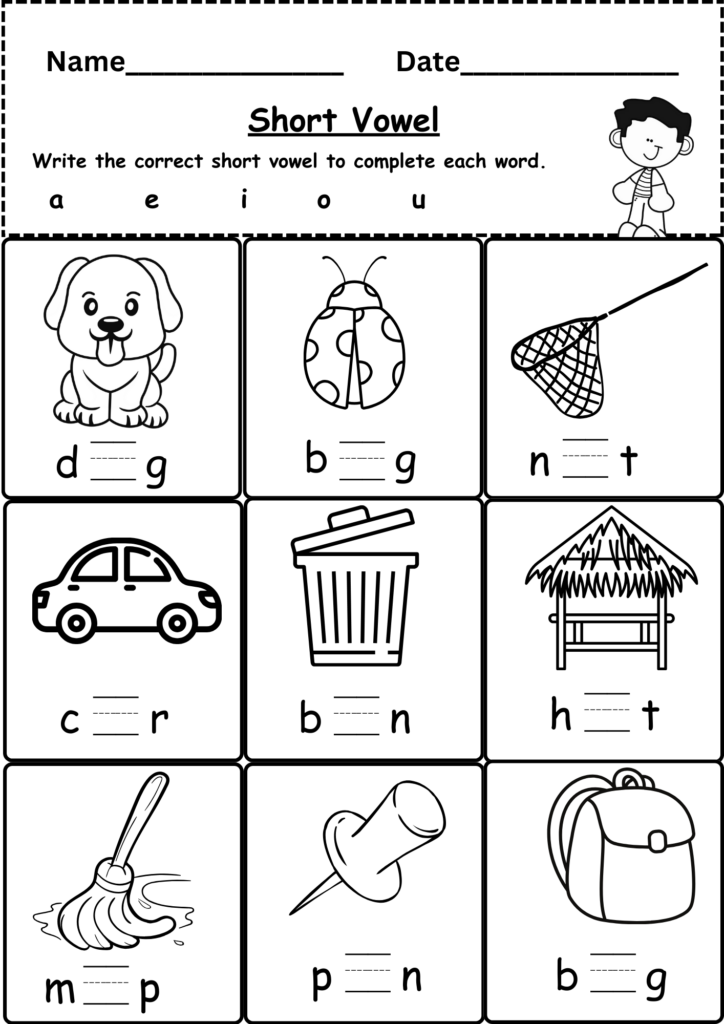
The best worksheets are easy to read at a glance. Look for large print, short sentences, and plenty of spacing so the text does not feel crowded. Picture support can also help children match meaning to the sentence, especially when they are still building confidence. Many useful worksheets add tracing, cut-and-paste, or fill-in-the-blank activities, which give extra decoding practice without making the task feel too hard. Keep the focus on one CVC skill at a time.
Best age and skill fit
CVC sentence practice works best for beginning readers who already know basic letter sounds and can read simple CVC words. This usually includes children in kindergarten or the early first-grade stage, though readiness matters more than age. If a child can blend short words but needs support reading them in context, these worksheets are a strong match. They are less useful for children who are still learning letter names and sounds from the ground up.
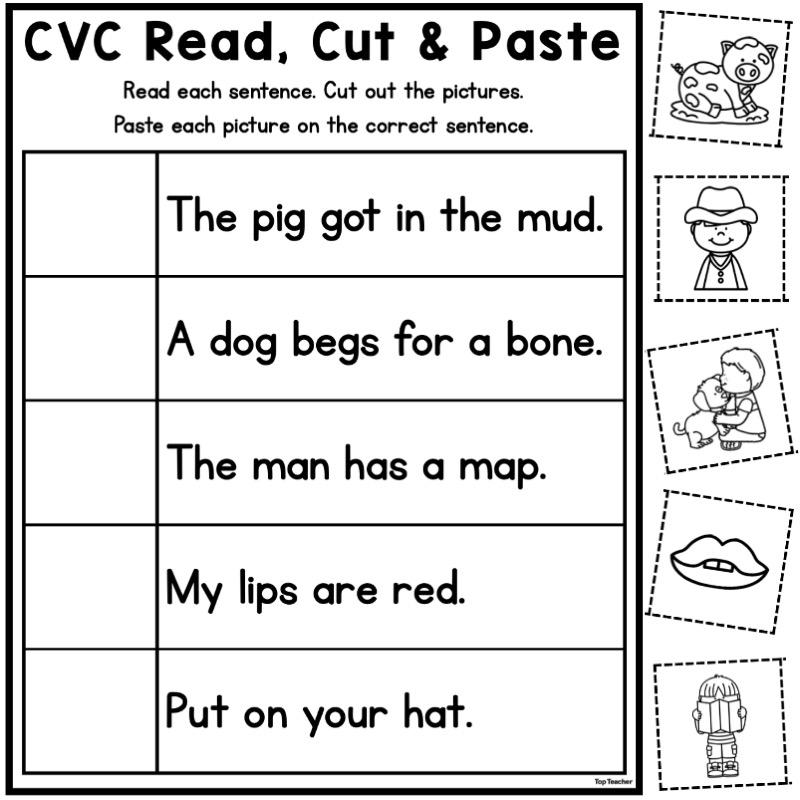
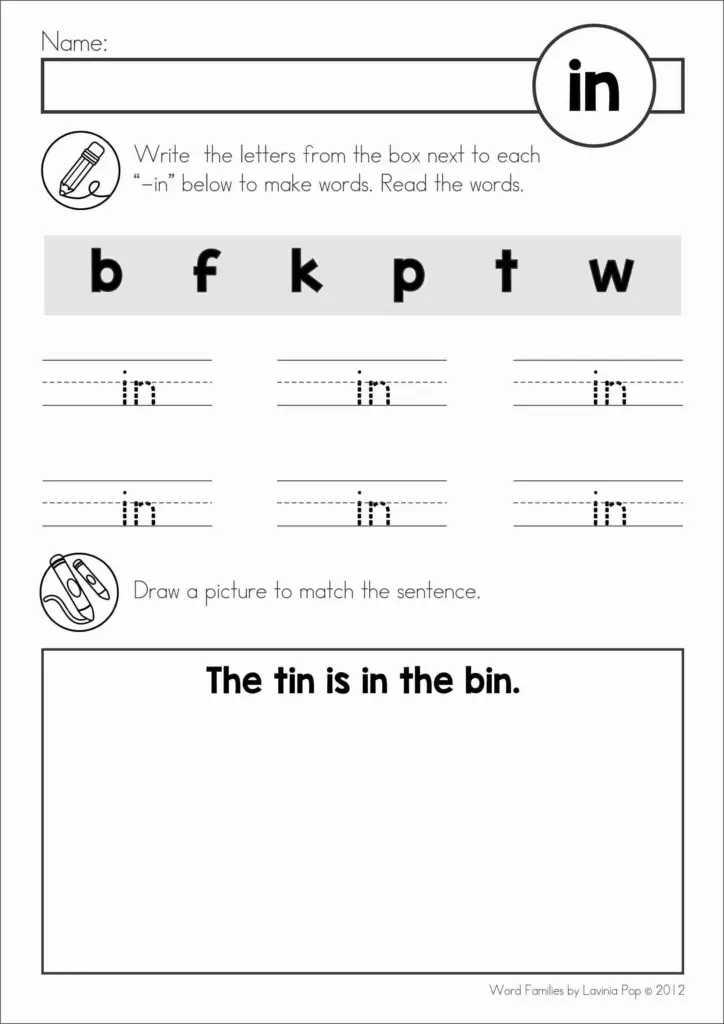
When using cvc sentences worksheets, start with very short sentences and read them aloud together if needed. Pointing under each word can help children track from left to right and notice how the words connect. Repeated practice matters more than long pages, so a few well-chosen sentences are often better than many dense ones. Choose worksheets that stay simple, visual, and focused on one reading step at a time for the clearest early progress.