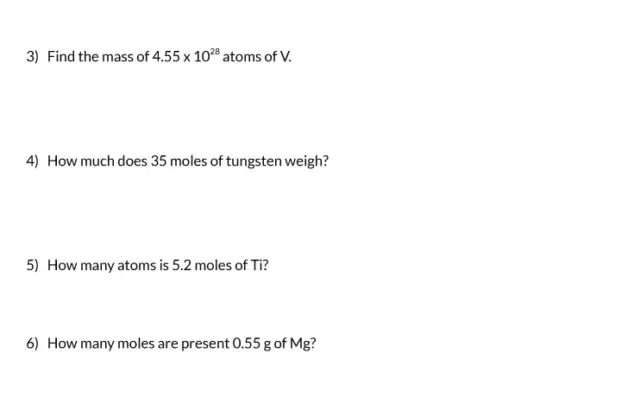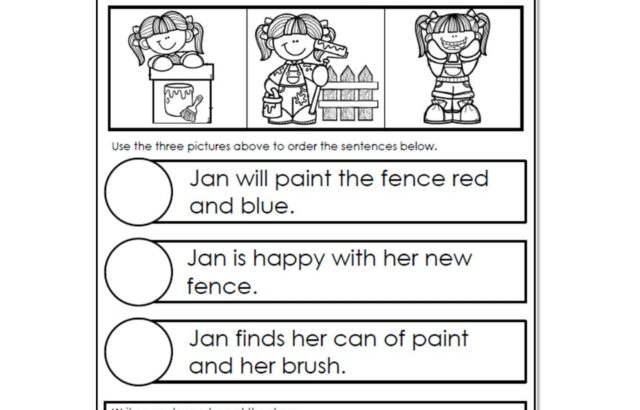
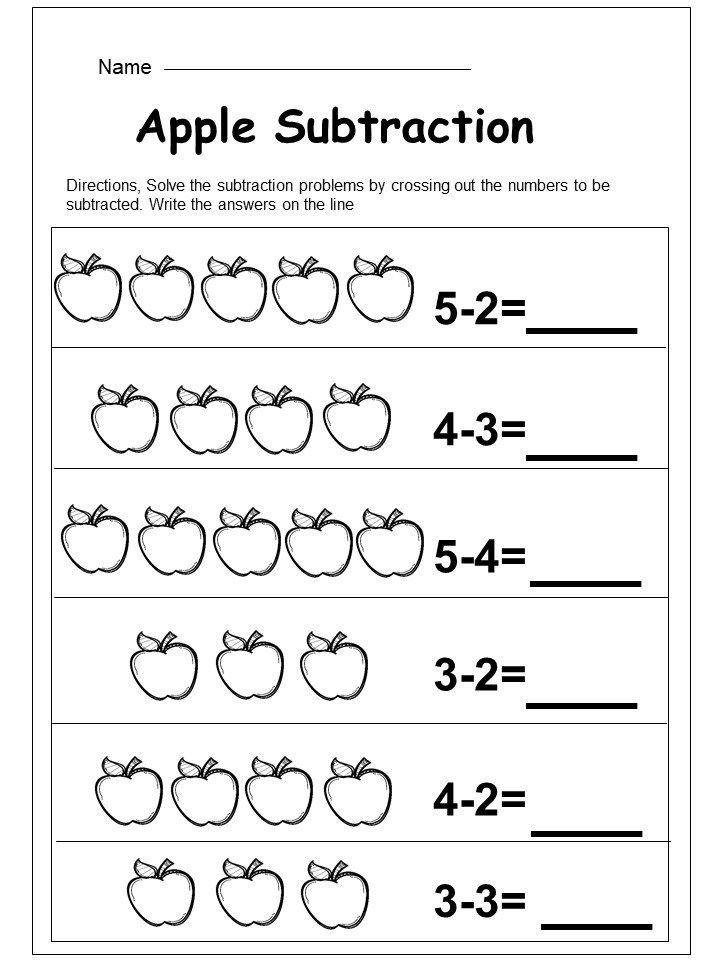
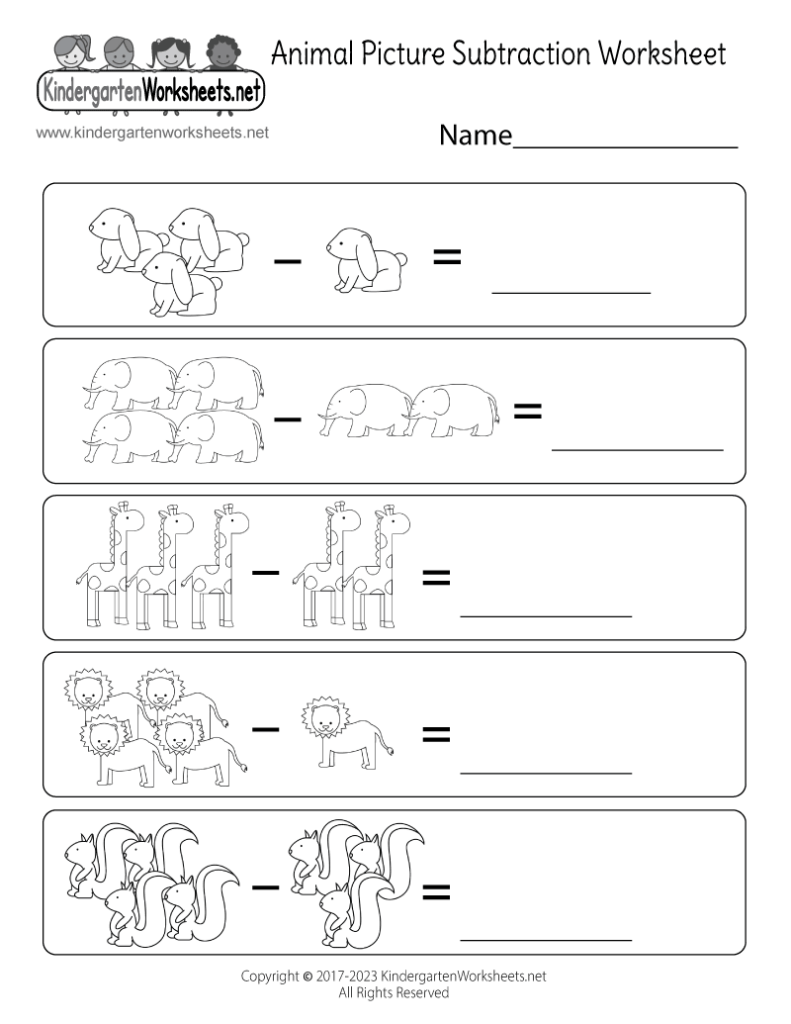
Easy subtraction worksheets for kindergarten should feel simple, visual, and low-pressure. The best pages usually use subtraction within 5 or 10, so children can focus on the meaning of “take away” without getting lost in big numbers. Look for practice that uses pictures, counters, or objects children can count, plus plenty of white space and large print.
What to Look For
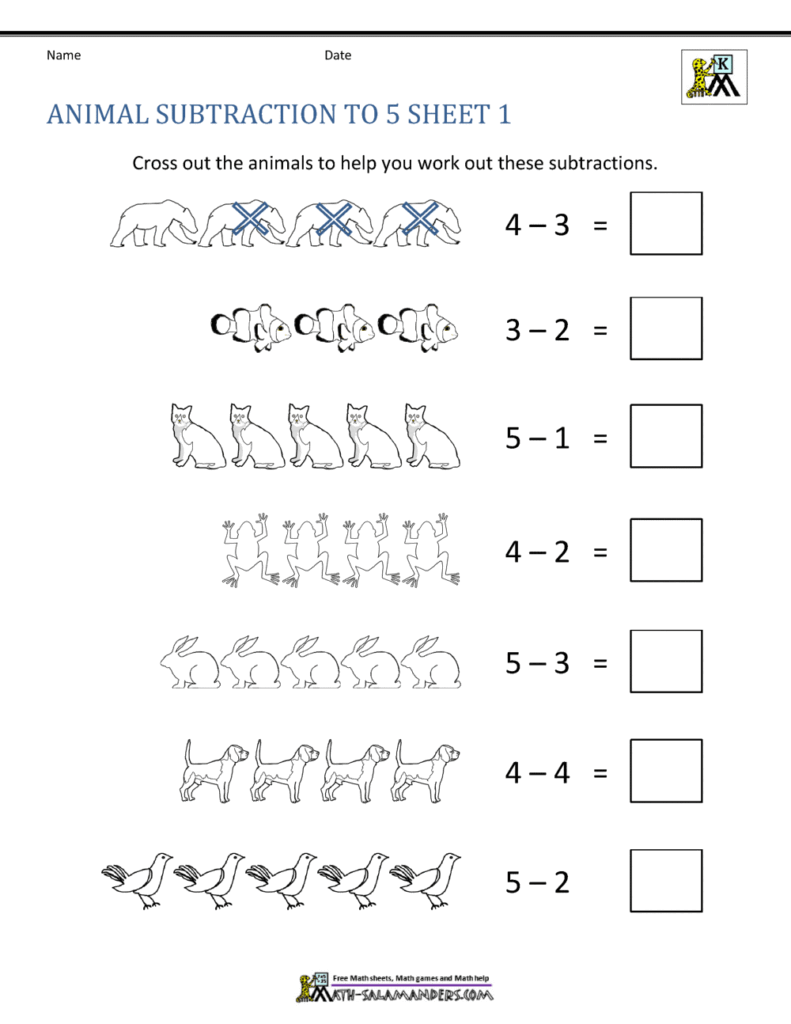
The most useful worksheets for this age group show one short problem at a time, with uncluttered layouts that are easy to scan. Visual aids matter because many kindergarten learners still count by touching or pointing. A page with apples, stars, or cubes can help a child see what disappears and what remains. Simple directions like “cross out 2” or “circle 1 less” also support early readers who are still learning to follow print.
Choose sheets that match fine-motor readiness as well as math readiness. If a child is still developing pencil control, worksheets with circling, matching, or drawing lines may be easier than heavy writing. Large answer spaces and bold numbers reduce frustration. It also helps when the task stays consistent across the page, so children do not need to switch between several directions. The goal is not speed; it is helping young learners connect the picture to the subtraction idea.
Using Support Well
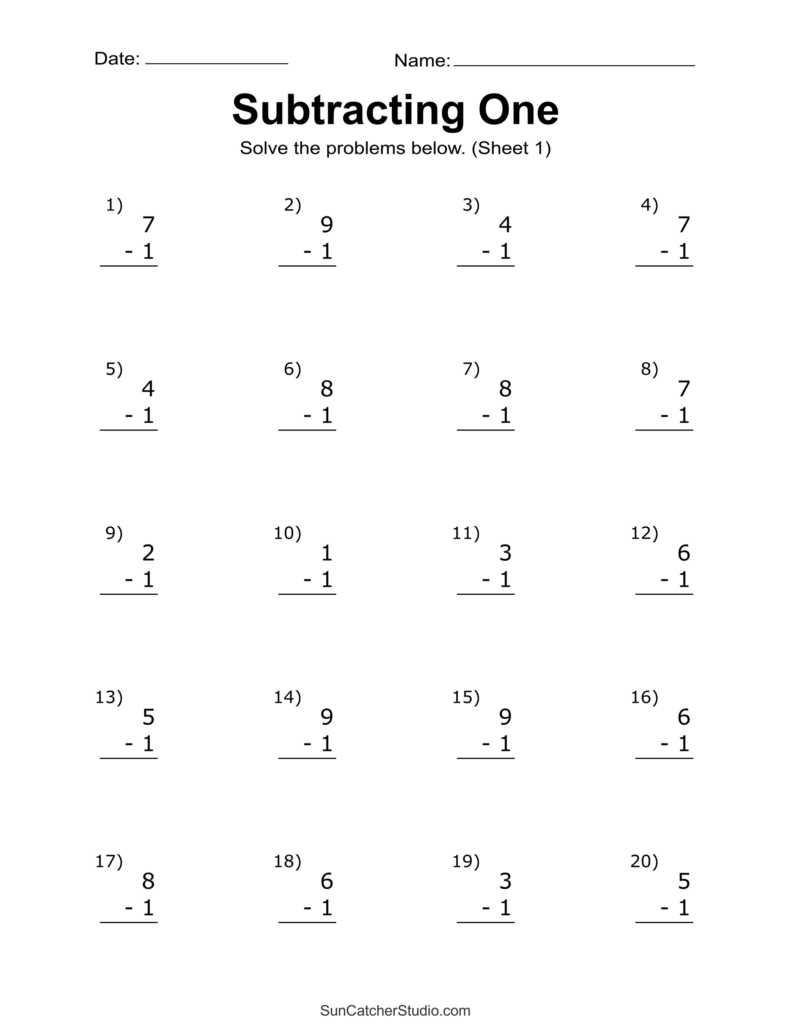
Adult support is often helpful when subtraction is brand new. A parent or teacher can model one example by counting the pictures aloud, removing some, and then counting what is left. That short demonstration makes the worksheet feel clearer without turning it into a lesson on advanced strategies. For some children, simply pointing to each object while saying the numbers is enough to build confidence. Support should stay brief and concrete, especially for learners who are not yet strong readers.
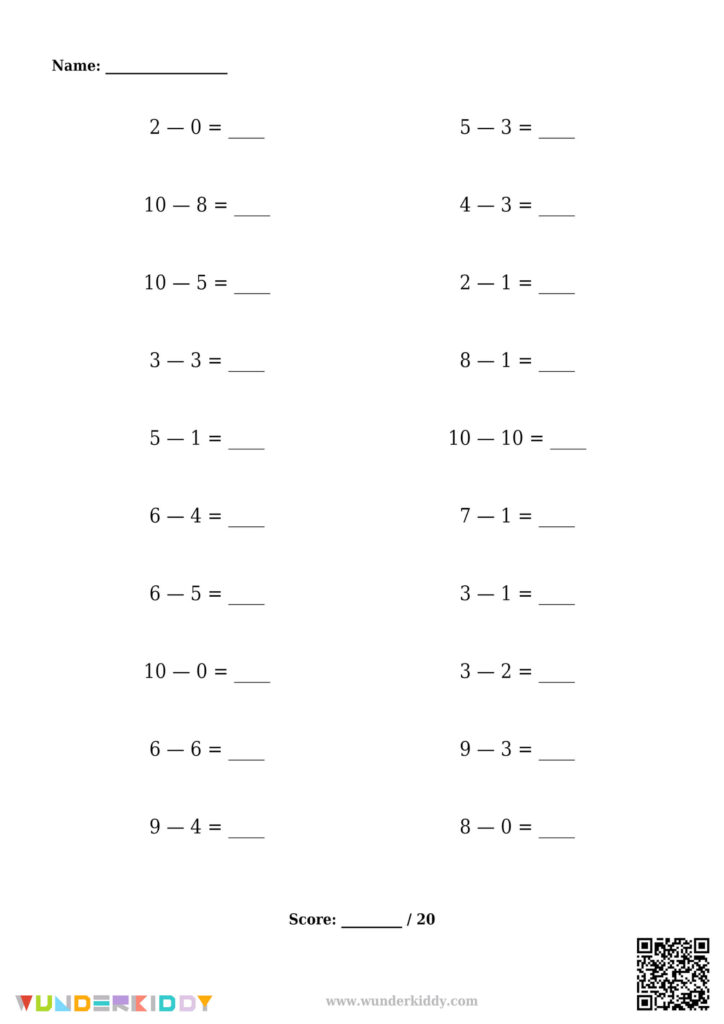
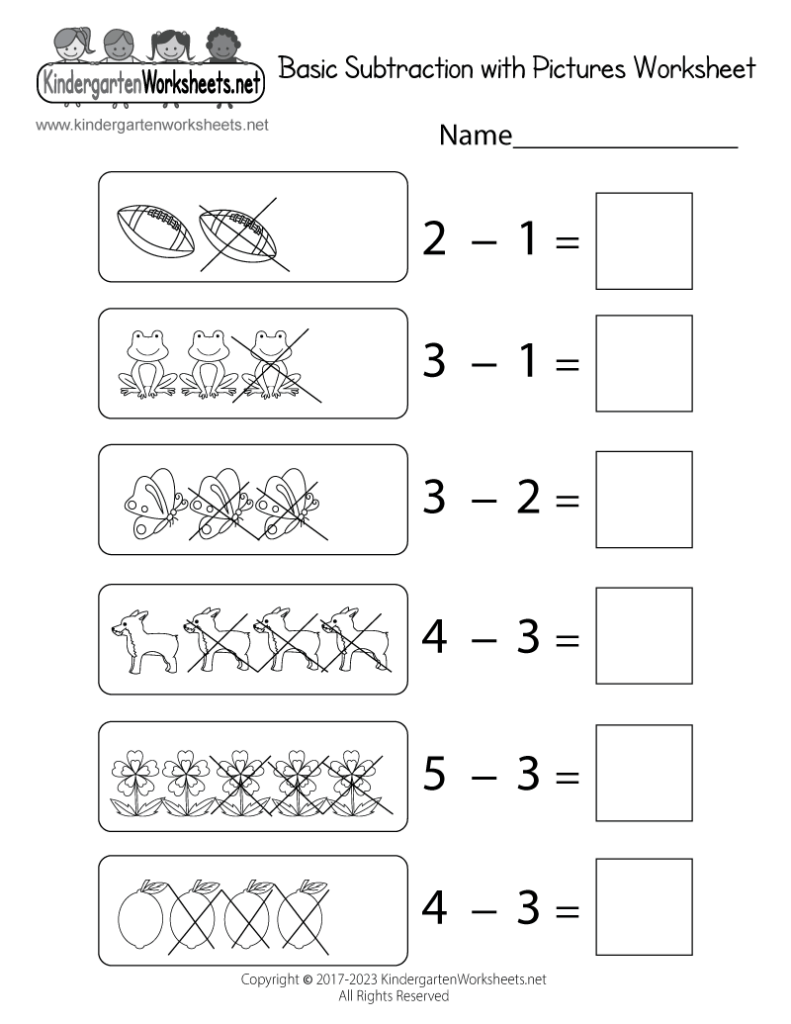
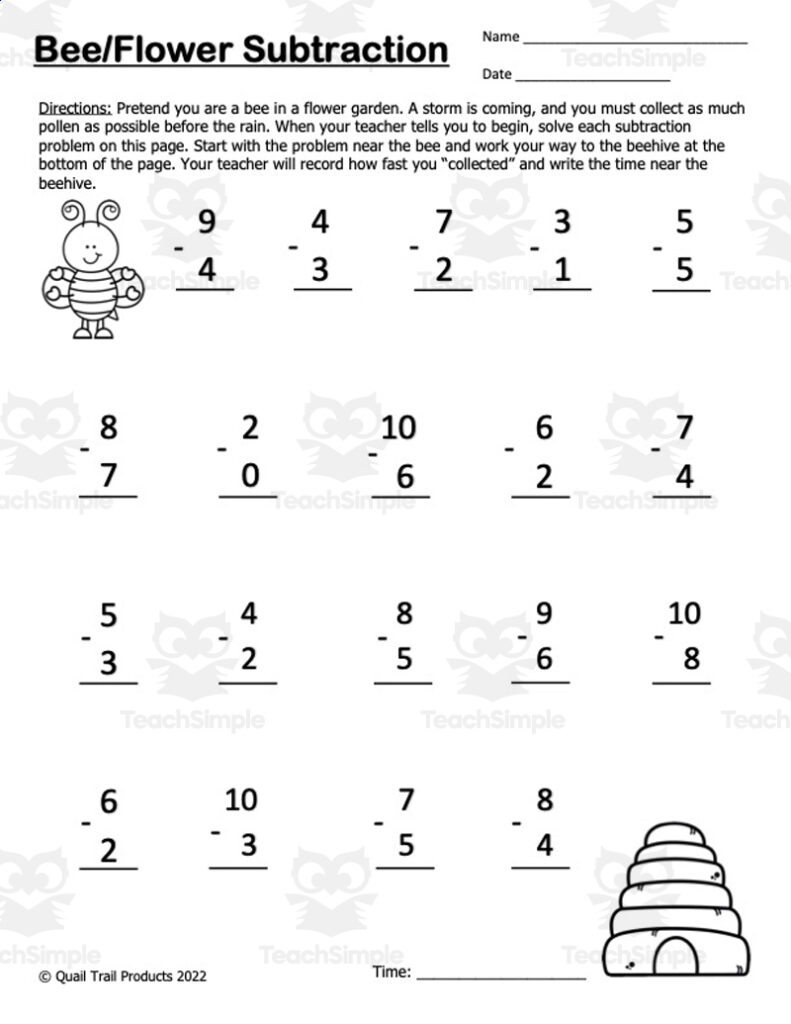
When choosing easy subtraction worksheets for kindergarten, pick pages that keep the math within 5 or 10, use clear visuals, and avoid crowded designs. If a worksheet looks tidy, readable, and easy to mark with little hands, it is more likely to help a young child succeed. Start with the simplest pages first, and add adult modeling when needed so subtraction feels understandable and manageable.