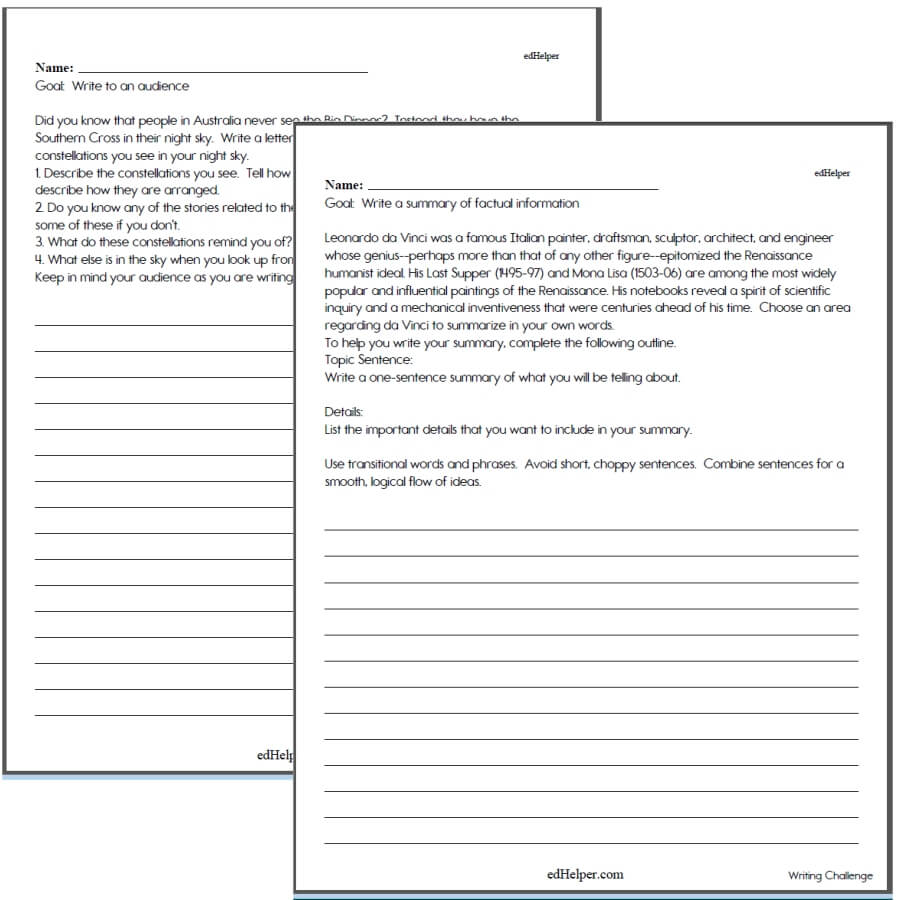
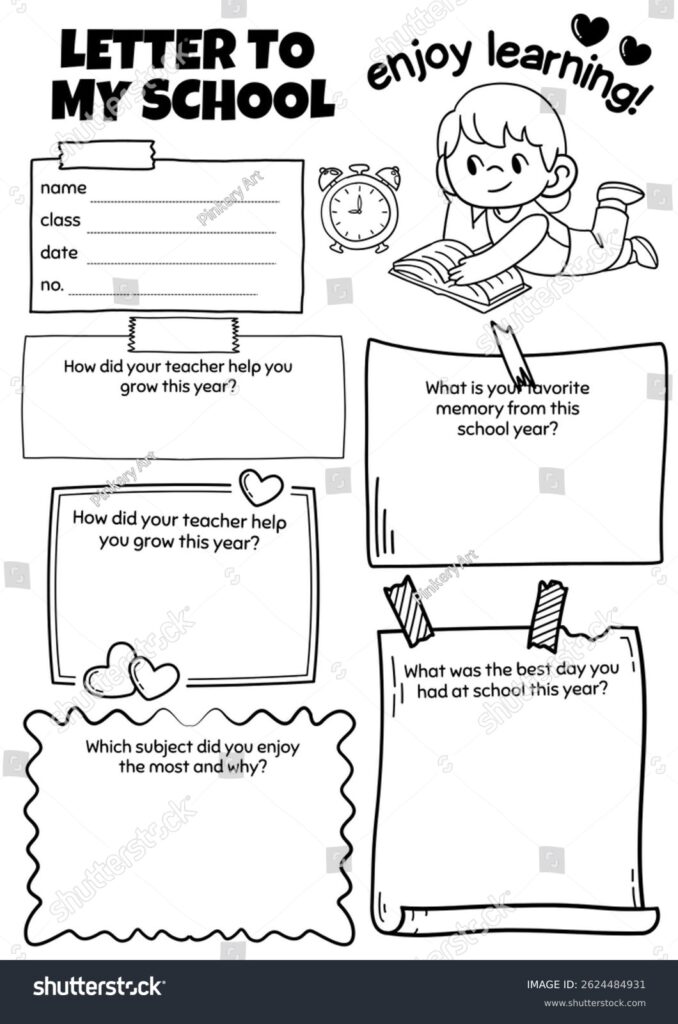
Educational creative writing worksheets give learners a structured way to practice imagination and writing skills at the same time. Instead of asking for freeform drafting only, they use prompts and guided tasks that help students start, expand, and organize ideas. That makes them useful for classrooms, tutoring, and home learning, especially when a writer needs a clear starting point or a focused skill to work on.
What They Help Build
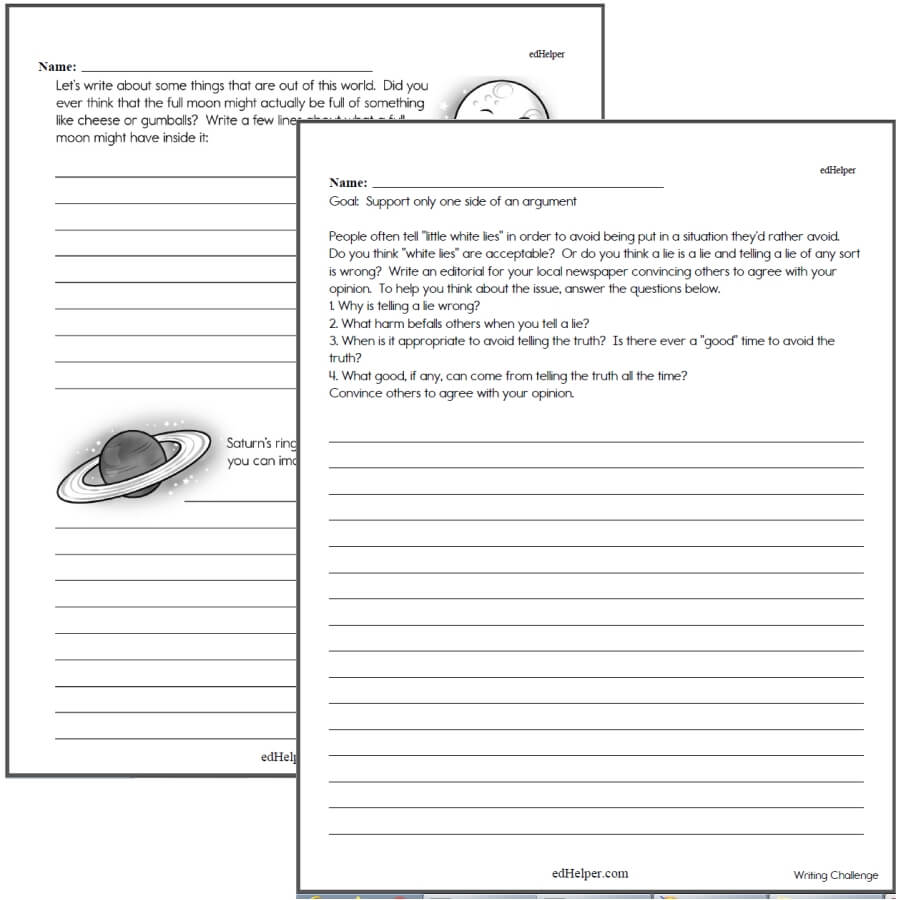
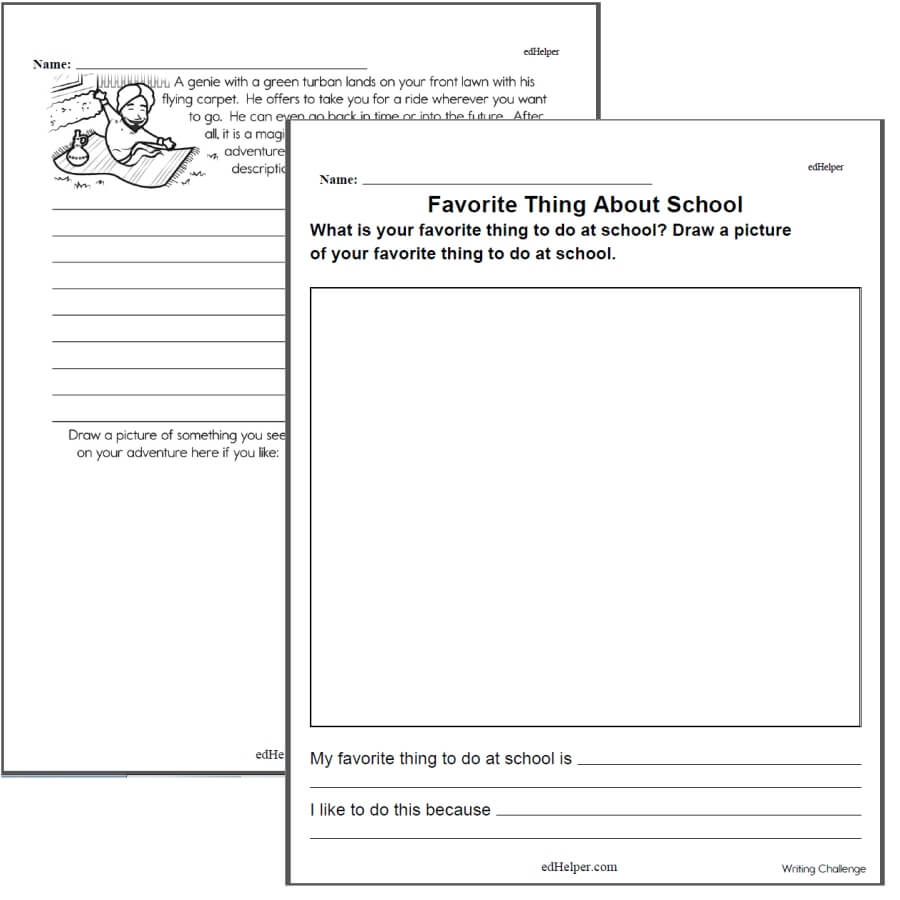
These worksheets are most useful when the goal is to build a specific writing habit. They can spark idea generation with pictures, questions, or story starters; encourage sentence expansion by adding details, adjectives, or stronger verbs; and support story structure through beginning, middle, and end prompts. Many also reinforce vocabulary by asking students to use new words in context. Because the task is contained, learners can practice independently without needing constant direction.
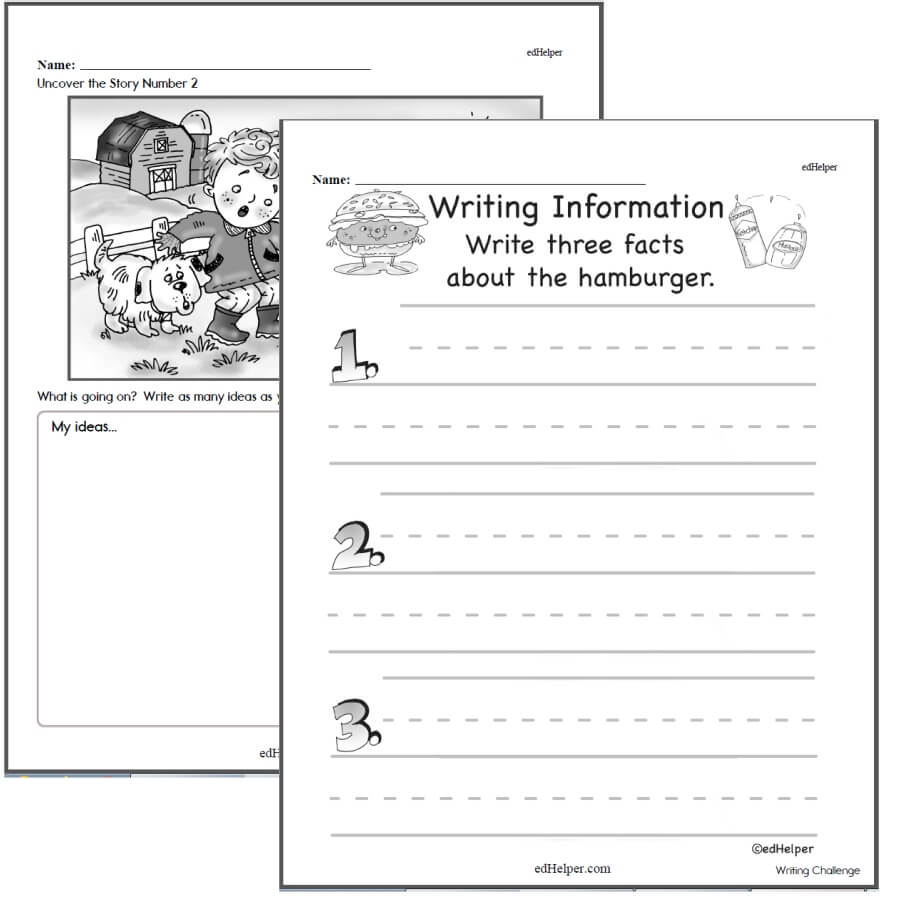
A good worksheet is practical, age-appropriate, and easy to follow. Readers should look for a clear grade or skill fit, simple instructions, and a prompt that matches the student’s writing level. The best options also make the skill focus obvious, whether that is descriptive language, sequencing, dialogue, or paragraph writing. When the worksheet is too hard, students may stall; when it is too easy, the practice loses value. The right match keeps writing productive and manageable.
How They Are Used
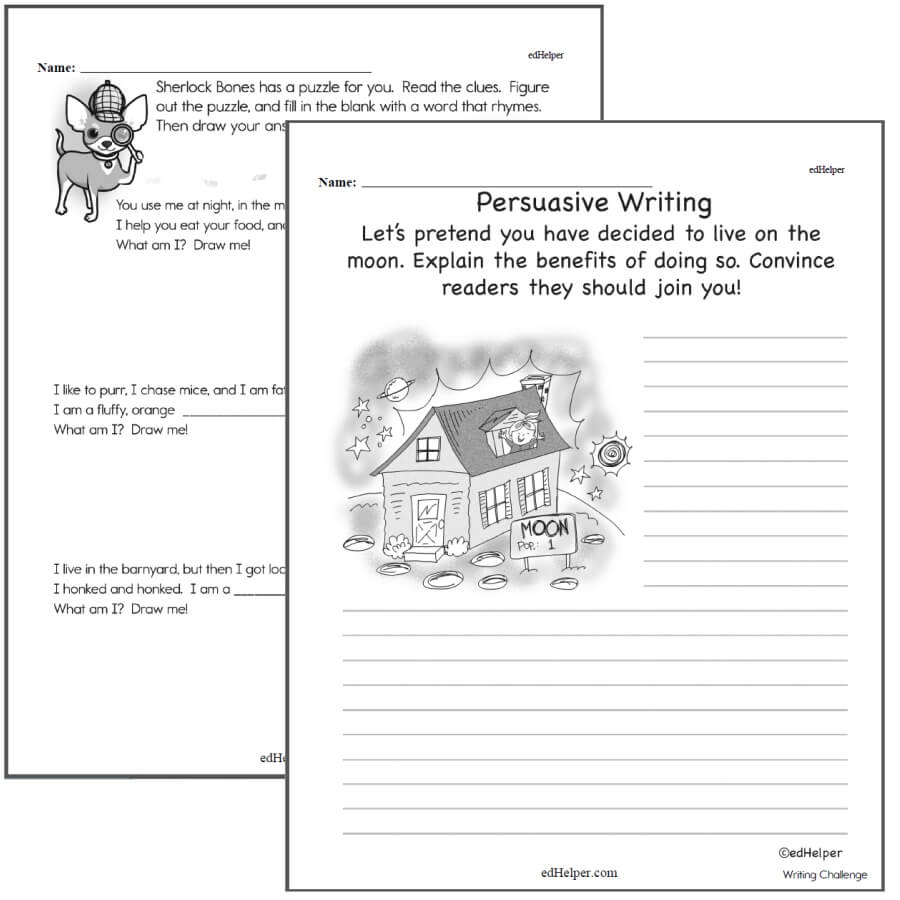
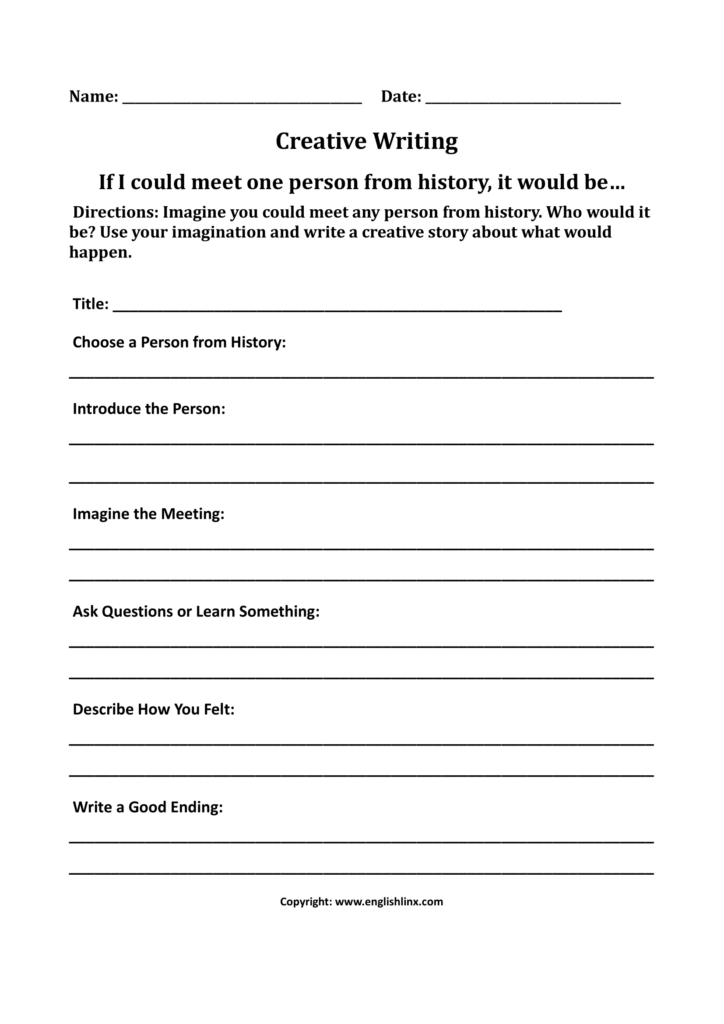
In classrooms, educational creative writing worksheets often work as warm-ups, seatwork, centers, or early-finisher tasks. Teachers can use them to give every student the same skill focus while still allowing different answers and styles. At home, they are useful for short daily practice because they do not require a full lesson setup. A parent or tutor can review the prompt, let the learner write independently, and then talk through the response afterward. The worksheet becomes both practice and a quick check of understanding.
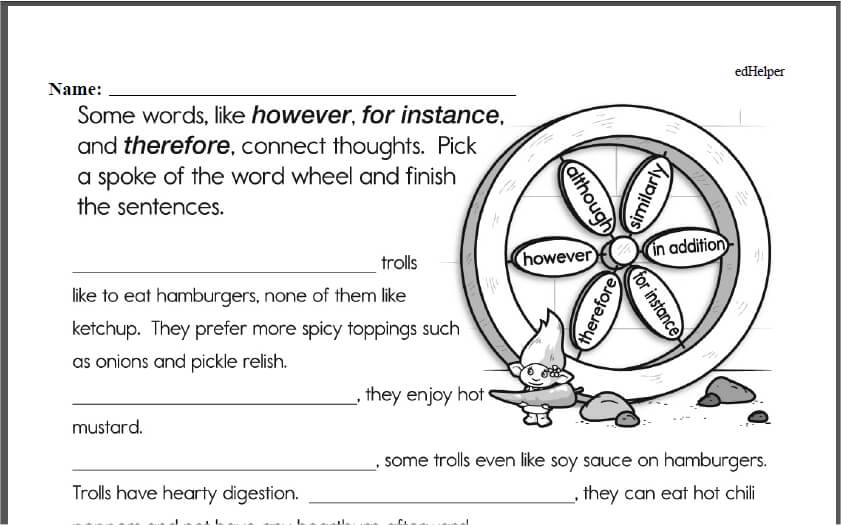
The main value of educational creative writing worksheets is that they combine creativity with structure. They help learners move from blank-page uncertainty to focused writing practice, while still leaving room for original ideas. For best results, choose worksheets that fit the child’s level, explain the task clearly, and target one skill at a time. Used regularly, they can support steady progress in confidence, vocabulary, and writing fluency.