
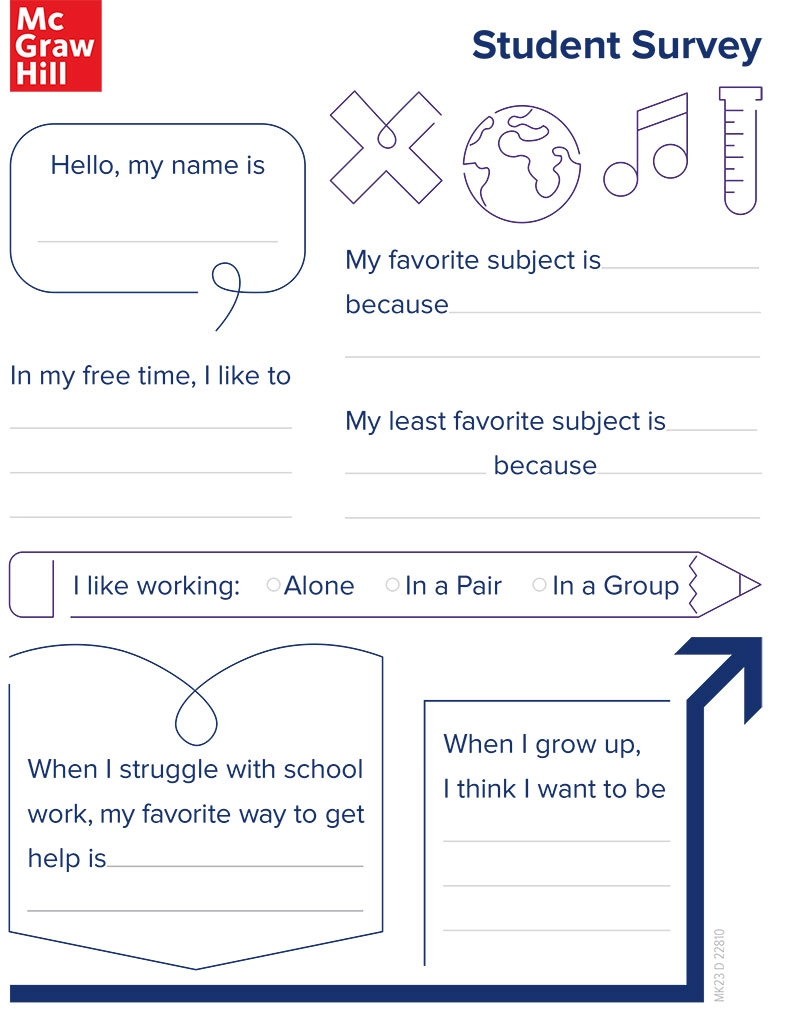
Educational learning games worksheets combine practice with play, making them a useful resource for children who learn best through interaction. They often turn reading, math, spelling, or logic tasks into simple challenges, matching activities, or game-like pages. The goal is not just to keep kids busy, but to reinforce a specific skill in a format that feels more engaging than a standard worksheet.
What They Cover
These worksheets commonly support core school skills such as literacy, early numeracy, handwriting, vocabulary, and problem-solving. In younger grades, that may mean letter matching, counting games, or picture-based phonics pages. For older children, the same idea can extend to word puzzles, multiplication challenges, reading comprehension mazes, or logic grids. Because they are worksheet-based, they still provide structured practice; because they are game-based, they add a clear task, goal, or reward element that keeps the activity interactive.
This makes them especially useful for short practice sessions, centers, homework review, or extra reinforcement at home or in class.
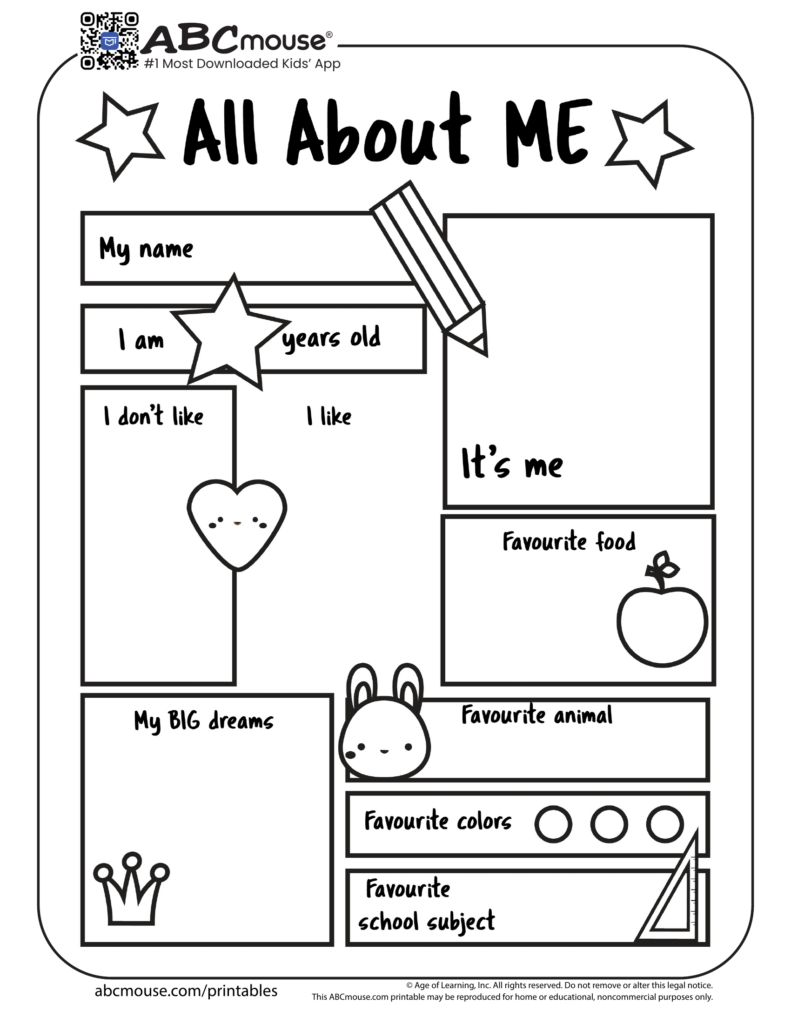
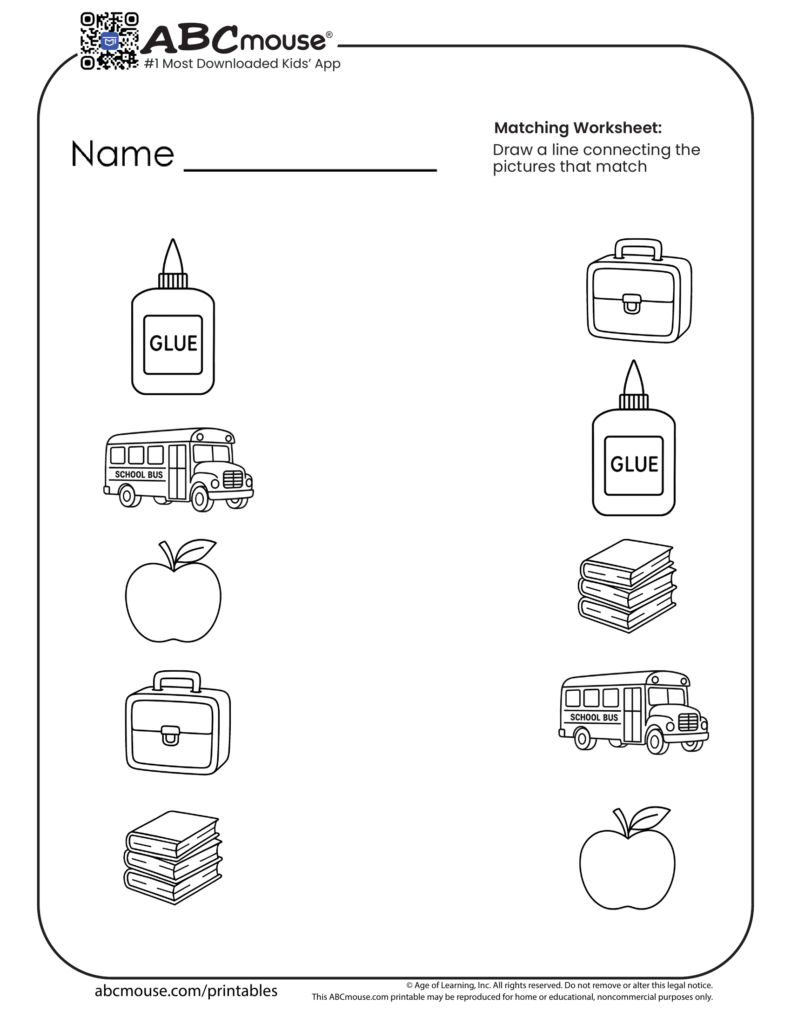
When choosing educational learning games worksheets, start with age or grade level, then check the exact skill target. A worksheet can look fun but still be too easy, too advanced, or focused on the wrong objective. Look for clear instructions, limited distractions, and a challenge level that matches the child’s ability. Engagement matters too, but it should support learning rather than replace it.
A good worksheet game gives enough variety to hold attention while still requiring the learner to think, answer, sort, solve, or read. If the activity is all decoration and no skill practice, it is more entertainment than education.
Game-Based Vs. Standard
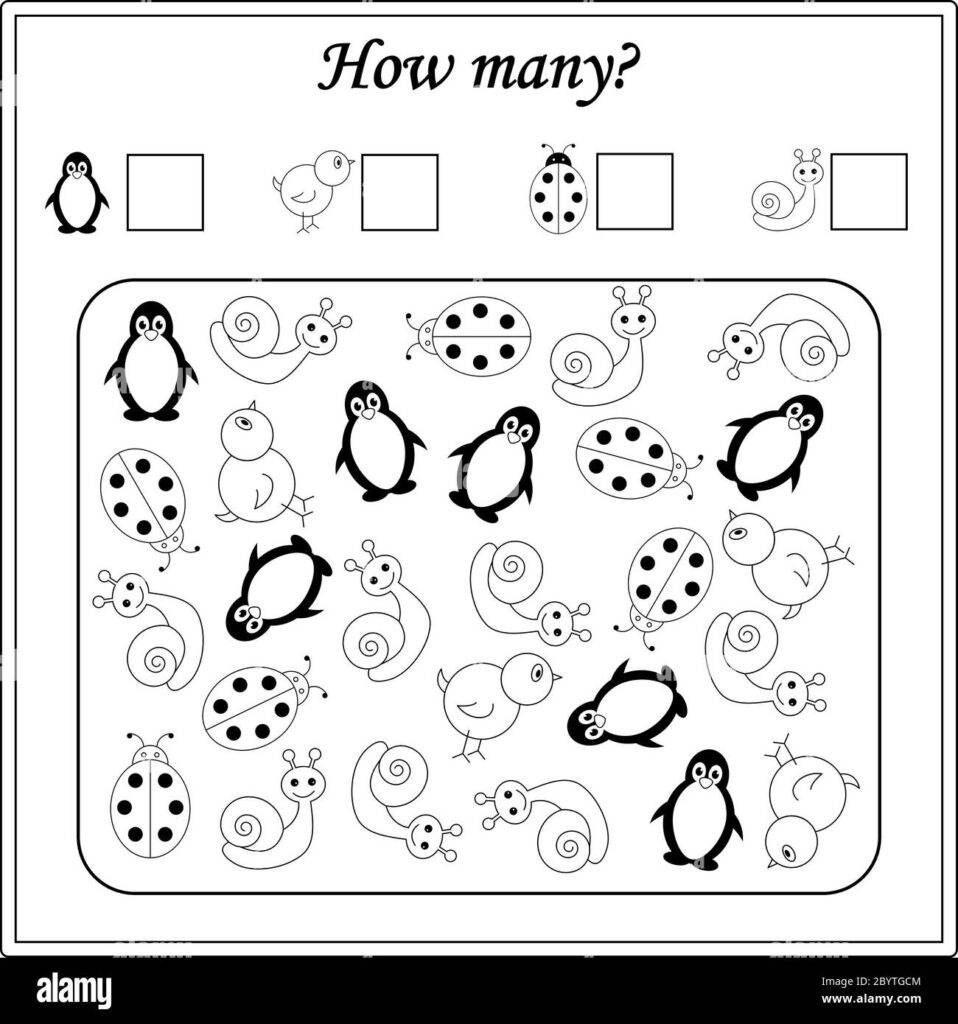
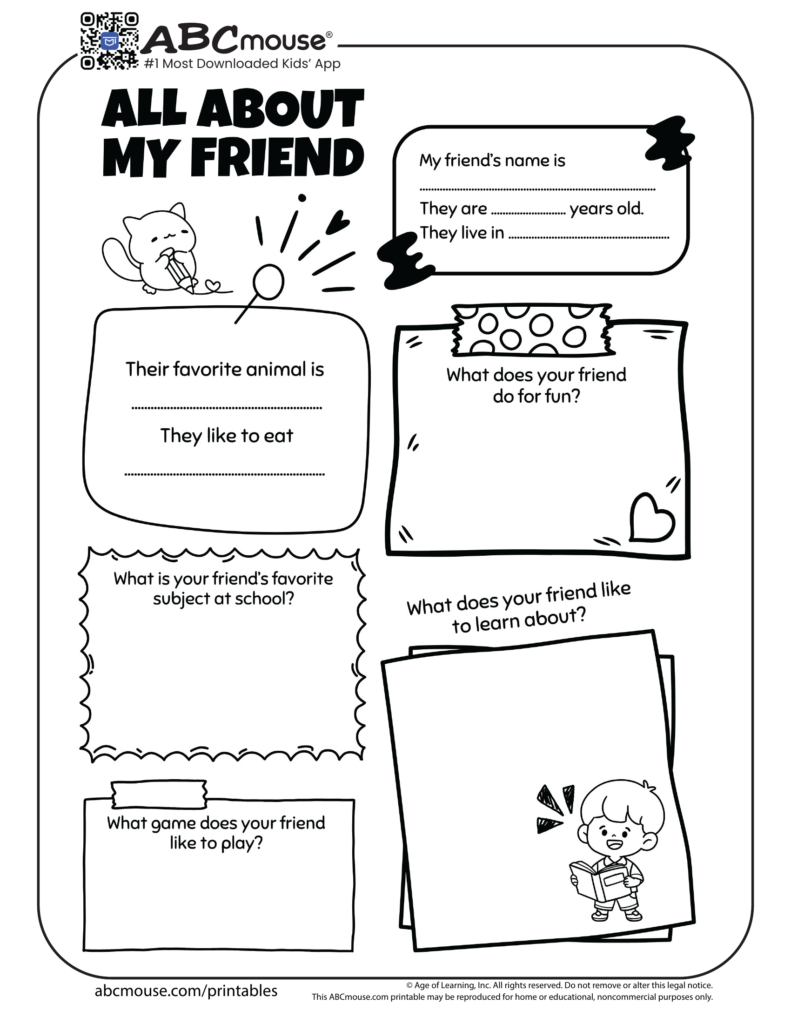
A worksheet becomes game-based when the learning task is wrapped in a play structure such as a path, match-up, puzzle, board-style layout, code breaker, scavenger hunt, or race to a goal. A standard worksheet usually asks children to complete repeated items in a direct format, like fill-ins or drill exercises. Both can be educational, but game-based versions often feel less repetitive and may be easier to use for review or motivation.
The best choice depends on the child and the goal: use a game-based worksheet when you want extra engagement, but keep the skill focus clear so the fun format still delivers real practice.



