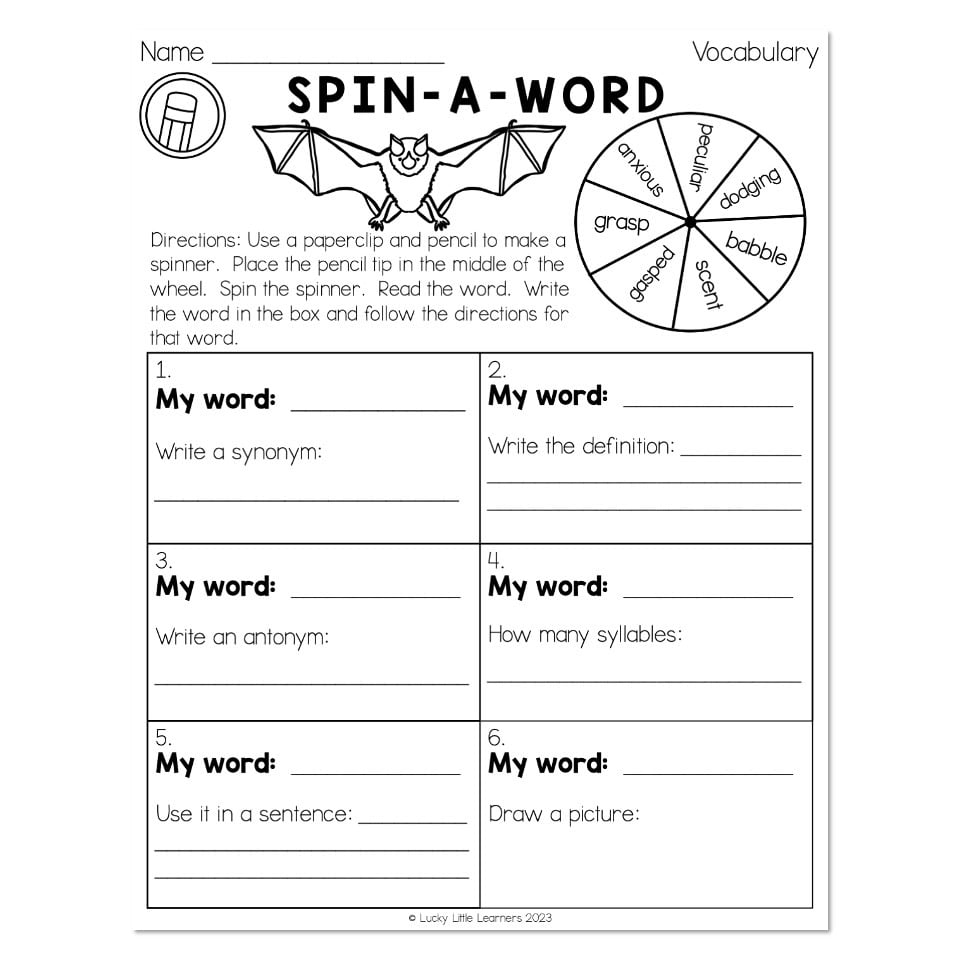
Educational vocabulary worksheets for beginners work best when they introduce a few high-frequency words at a time with clear pictures and simple tasks. The strongest options keep the layout uncluttered, use readable fonts, and give learners an easy way to connect a new word to an image, object, or sentence. For early learners and ESL/ELL beginners, that simplicity supports confidence as well as retention.
What Beginners Need
Beginner-friendly vocabulary worksheets usually focus on one small word set, such as colors, classroom objects, animals, or common actions. Look for worksheets that use word-picture matching, circling, labeling, or tracing instead of long written directions. These task types help learners recognize meaning before they are asked to produce words on their own. A good worksheet also limits distractions: large visuals, extra spacing, and a clear pattern across the page make it easier for young students to understand what to do.
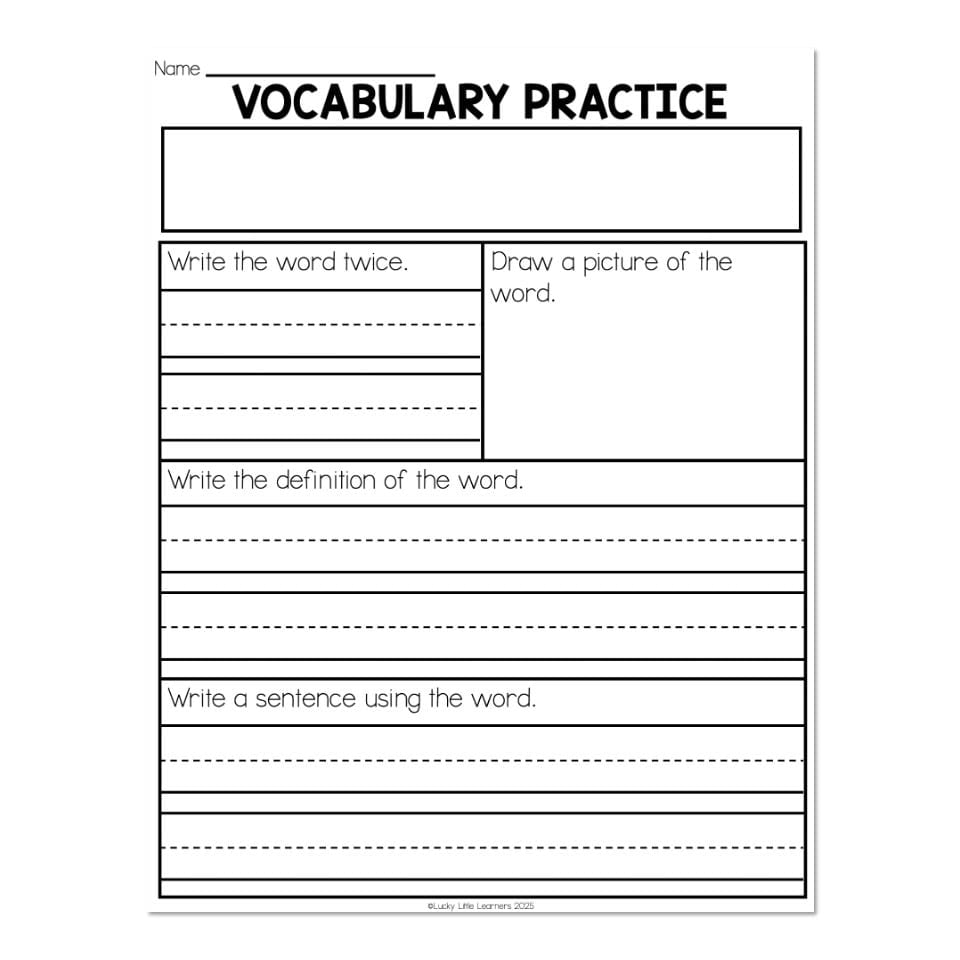
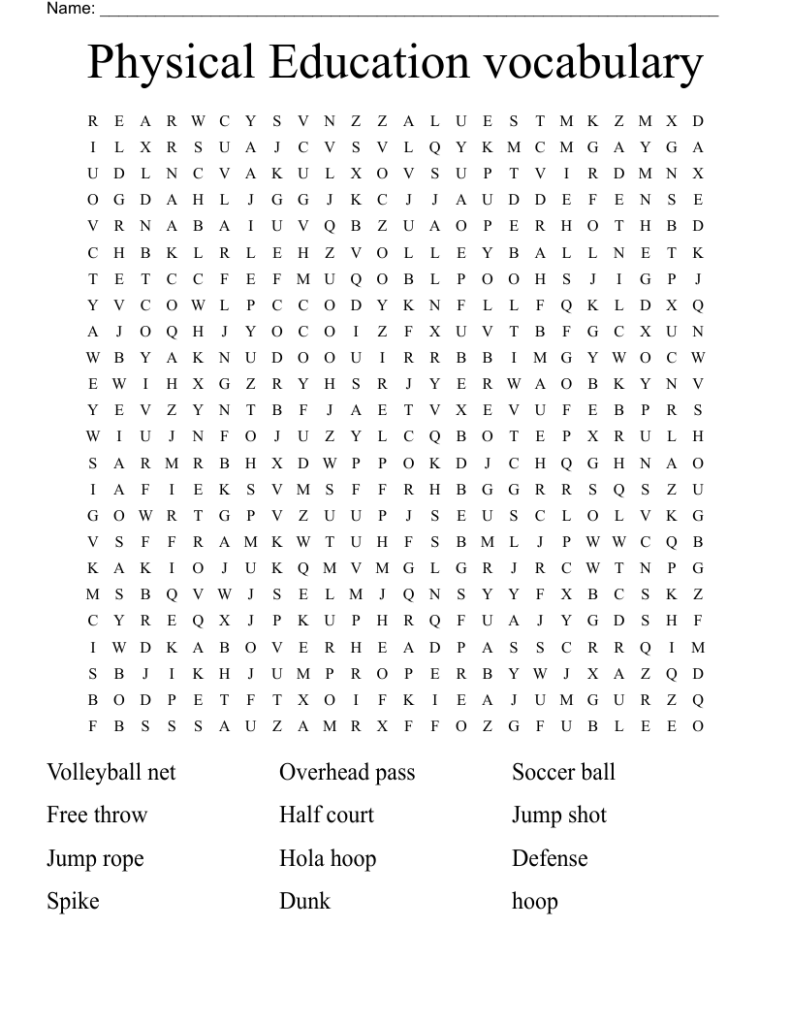
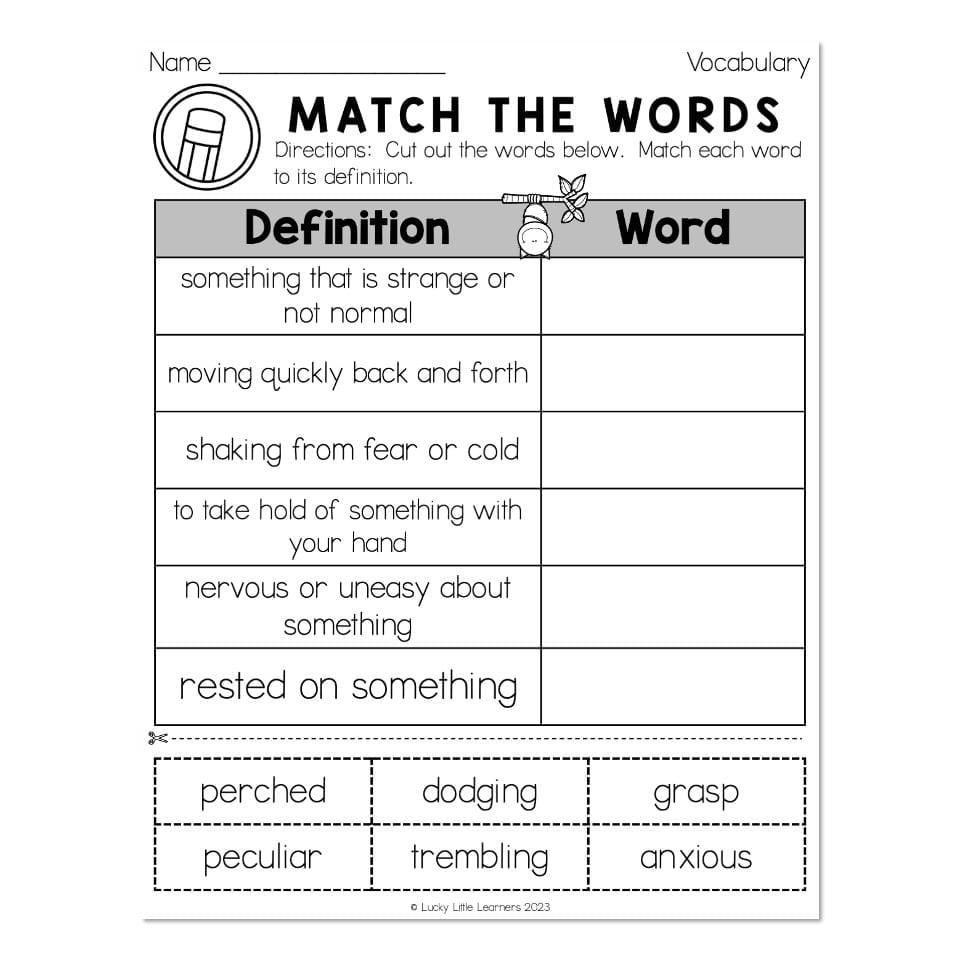
Educational value comes from repeated practice in a simple format. The best worksheets ask learners to match a word to a picture, write or trace the word, and then use it in a short sentence when appropriate. That sequence supports recognition, spelling, and basic word use without becoming grammar-heavy. For beginner students, even one sentence frame like “I see a ___” can be enough to reinforce vocabulary while keeping the task manageable and age-appropriate.
How to Choose
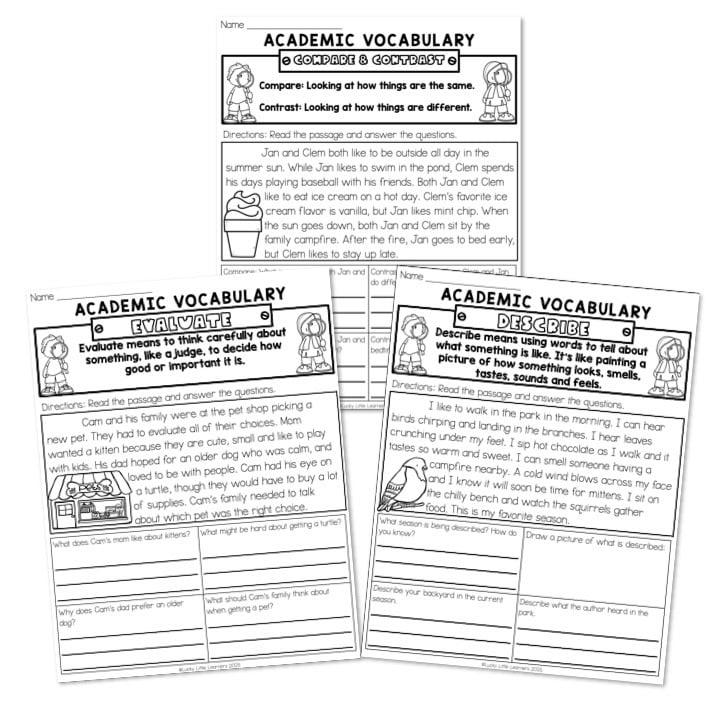
When choosing educational vocabulary worksheets for beginners, check whether the reading level matches the learner’s stage. The page should feel accessible on first glance, with short instructions and familiar examples. Independent use works well when the format is highly repetitive and visually obvious. Guided use is better when a teacher, parent, or tutor can model the first item, explain the words, and confirm understanding. Both options can be effective if the worksheet stays focused on one small vocabulary goal.
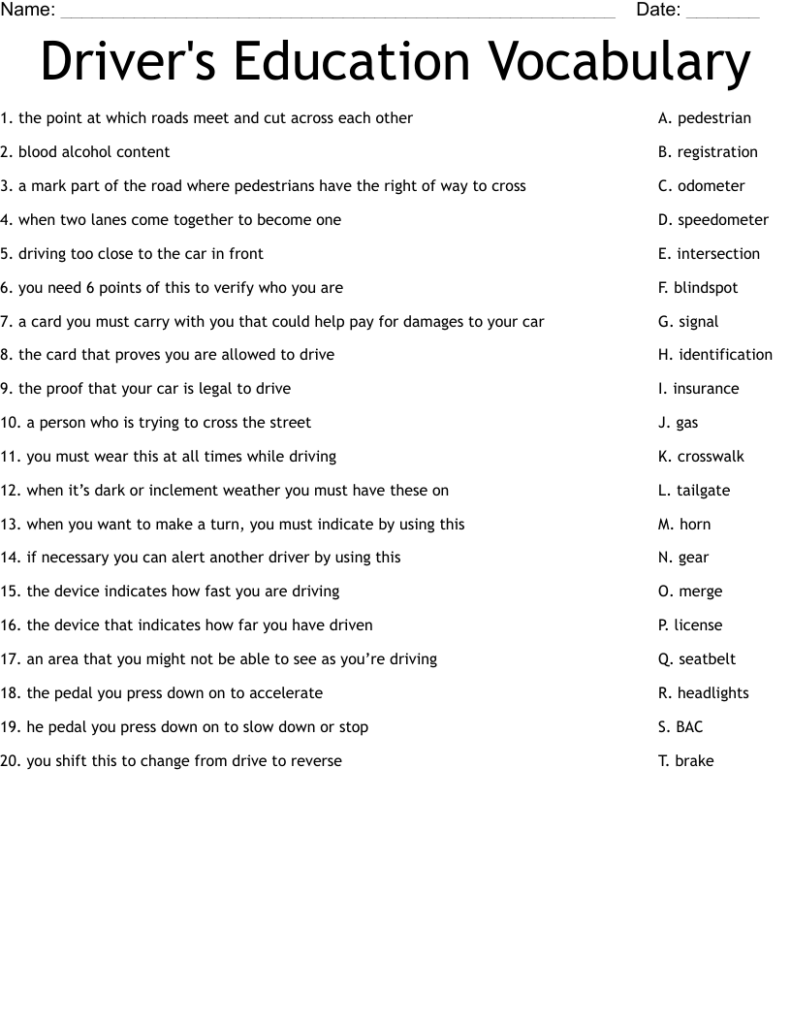
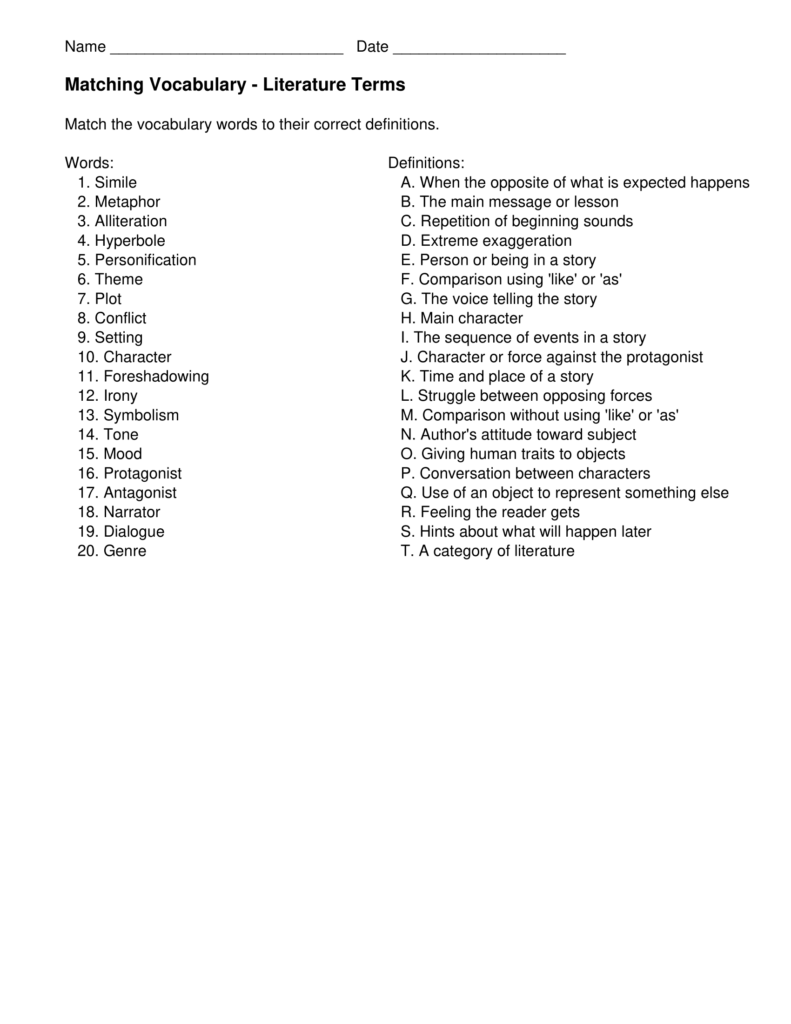
A practical choice is a worksheet set that grows in small steps: first picture recognition, then labeling, then simple sentence practice. That progression keeps the learning task clear and avoids overwhelming beginners. If you are selecting resources for early learners or ESL/ELL students, favor worksheets that are easy to read, visually supported, and built around everyday words. Those features make vocabulary practice more useful, more independent, and easier to reuse in short learning sessions.