Educational worksheets for learning support can help learners practice skills in a simpler, more manageable way. The best worksheets are not just easier versions of class work; they are structured tools that reduce confusion, reinforce key steps, and give learners a chance to try skills with guidance. Choosing the right worksheet depends on the learner’s needs, the subject, and how much support is appropriate.
What They Help With
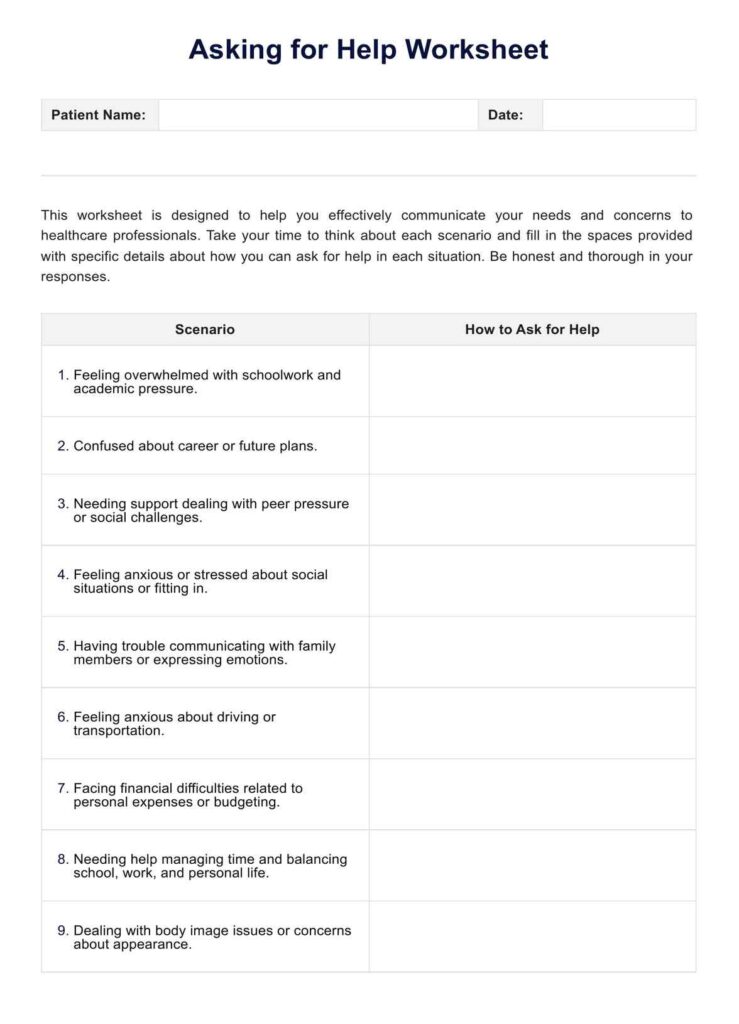
These worksheets can support many learning needs, including reading fluency, phonics, spelling, number sense, handwriting, comprehension, and basic written responses. They are especially useful when a learner needs more repetition, smaller task steps, or a quieter format for practice. For example, a worksheet with one problem per line and clear spacing may work better than a dense page of mixed questions. The goal is to make the skill easier to approach without removing the learning challenge.
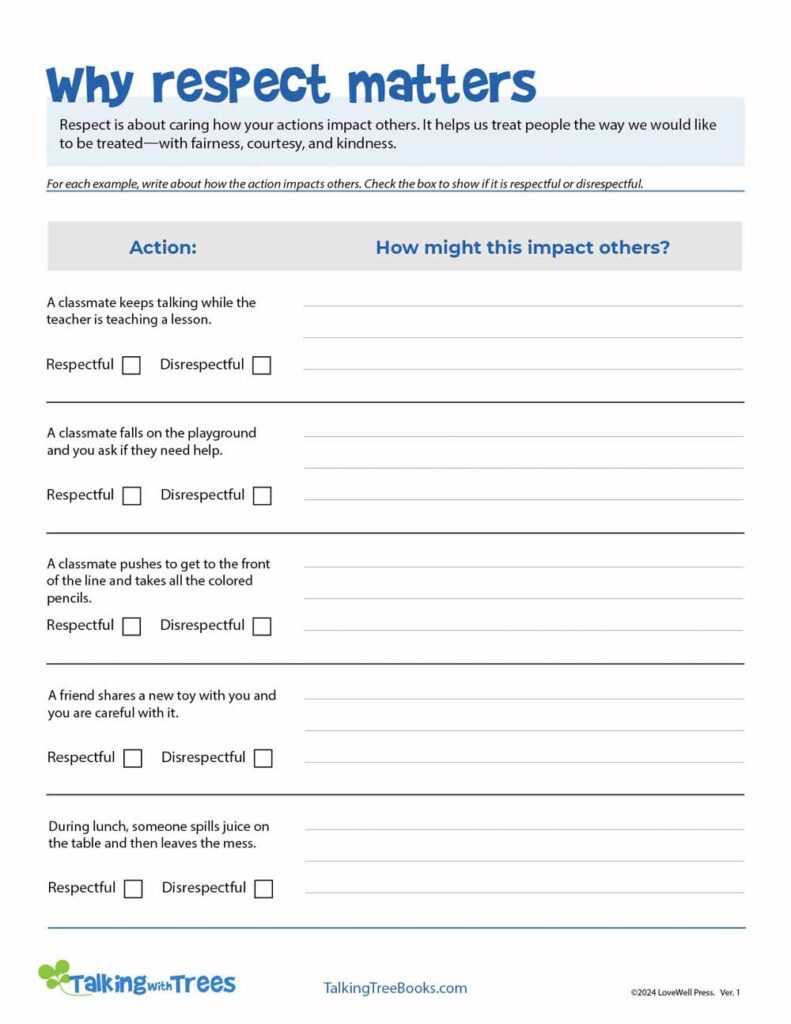
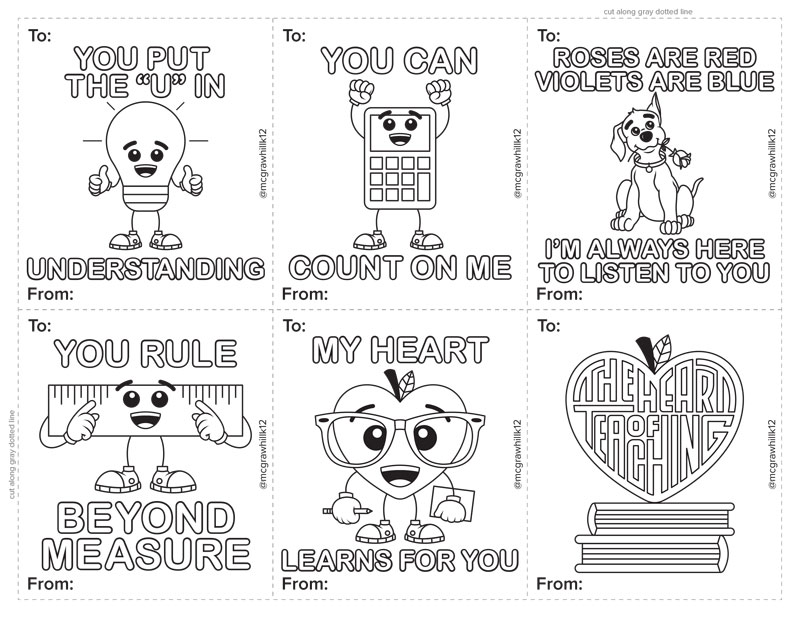
Effective learning support worksheets share a few features: clear instructions, familiar layouts, limited distractions, and steps that build gradually. Helpful worksheets often use large print, visual cues, examples, and enough white space to keep the page readable. Repeated practice should feel purposeful, not endless, so the same skill may appear in a few different formats. For learners who struggle with attention or processing, simple directions and one task at a time are often more effective than busy pages.
Choosing the Right Fit
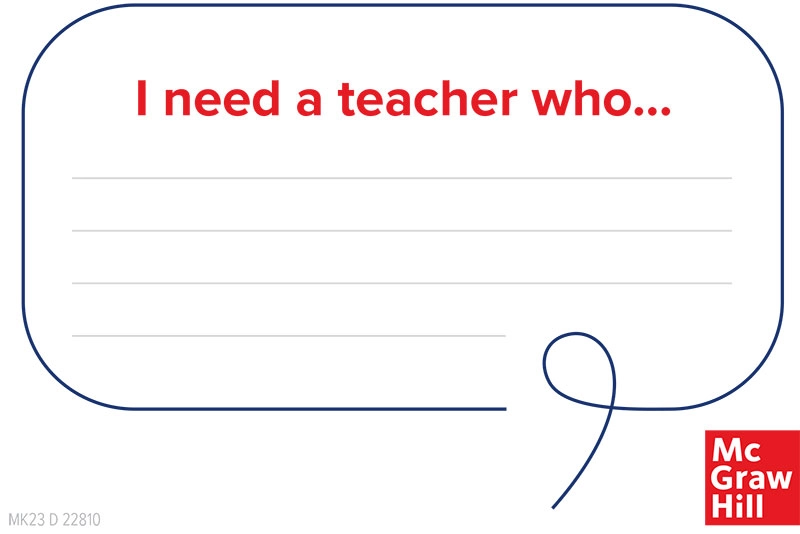
Start with the learner’s level and the exact support goal. A worksheet for early readers should look very different from one for a student who needs writing support or extra math practice. Match the worksheet to one clear purpose: introducing a skill, reinforcing it, checking understanding, or reviewing it after instruction. Subject also matters. In math, step-by-step problems may be best; in language arts, sentence frames or guided responses may be more helpful than open-ended writing prompts.
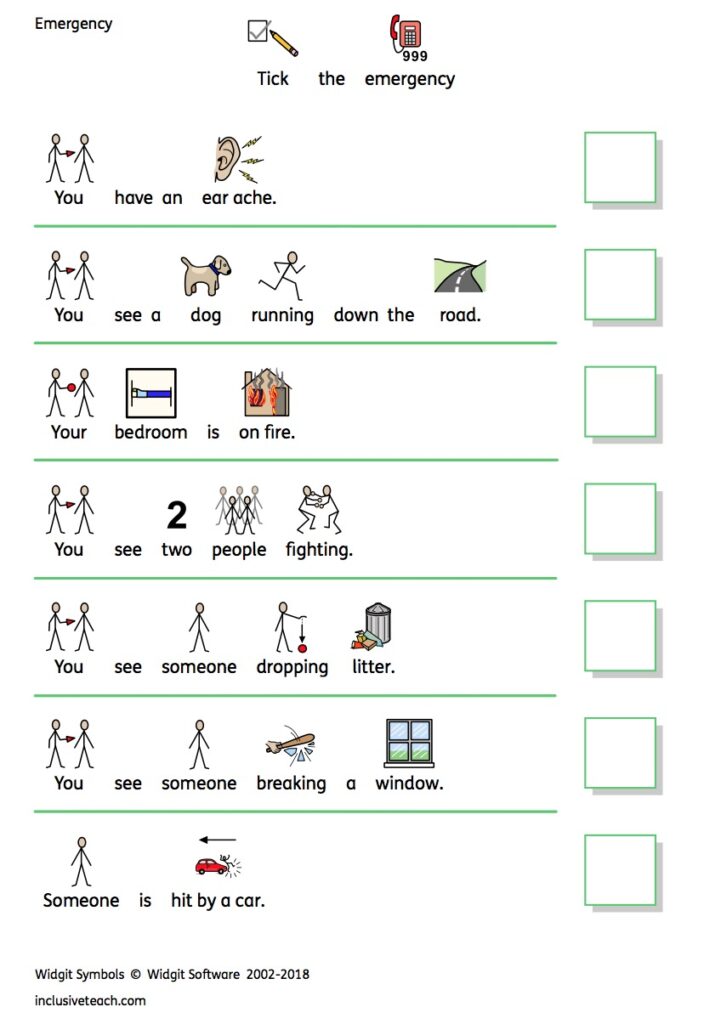
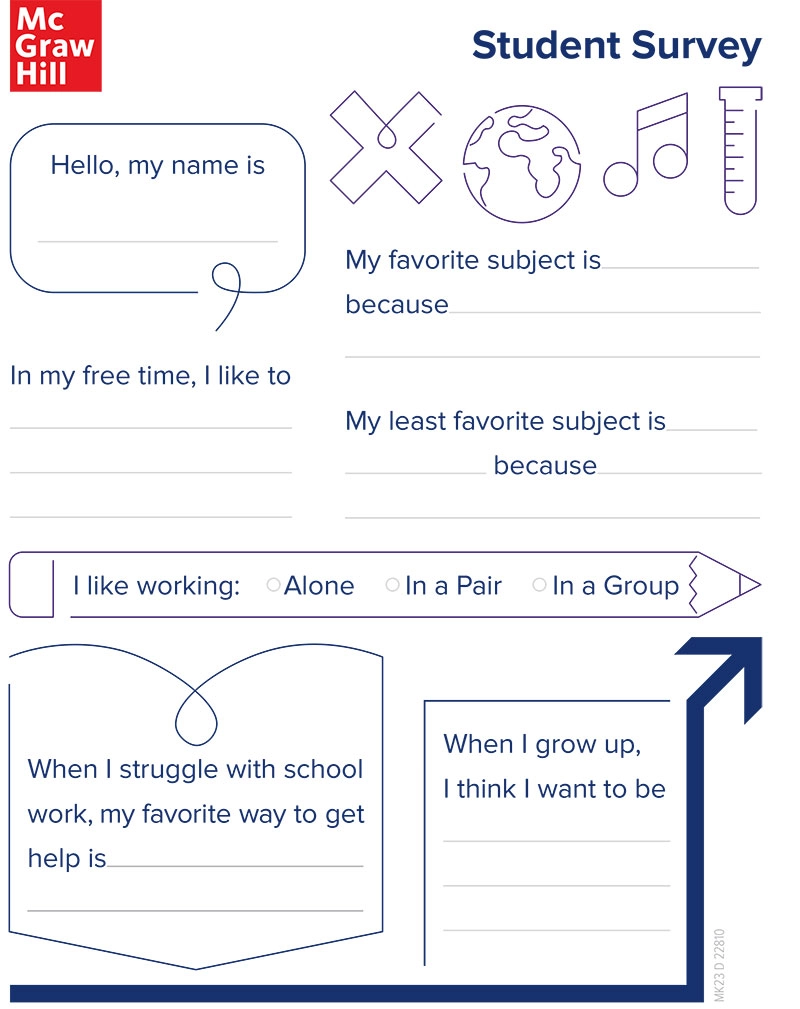
Worksheets work best when they support instruction instead of replacing it. Introduce the skill first, model one or two examples, and then use the worksheet for guided or independent practice. If the learner becomes overwhelmed, shorten the assignment, cover extra items, or break it into smaller parts. A strong worksheet should help build confidence and accuracy, not create frustration. Used thoughtfully, educational worksheets for learning support can make practice clearer, calmer, and more effective.