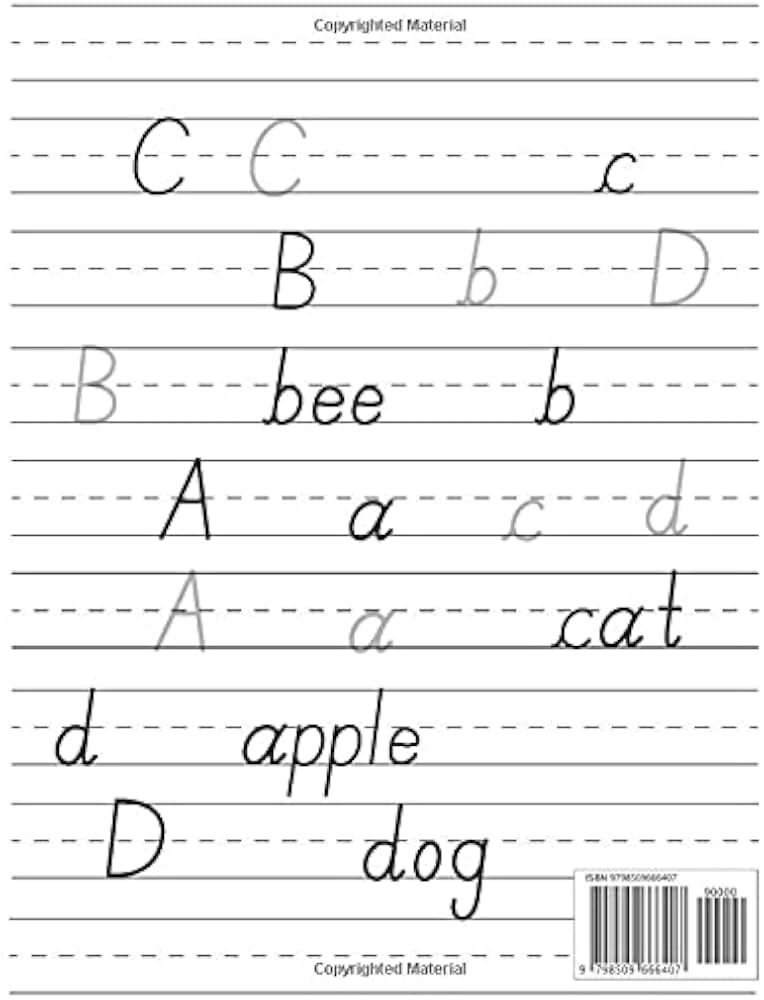
Handwriting worksheets for first grade work best when they match the child’s current letter skills and give just enough structure to practice well. Look for pages that focus on uppercase and lowercase letter formation, simple tracing, and clear models. The most useful worksheets are easy to read, uncluttered, and ready for short practice sessions that fit classroom work or quick review at home.
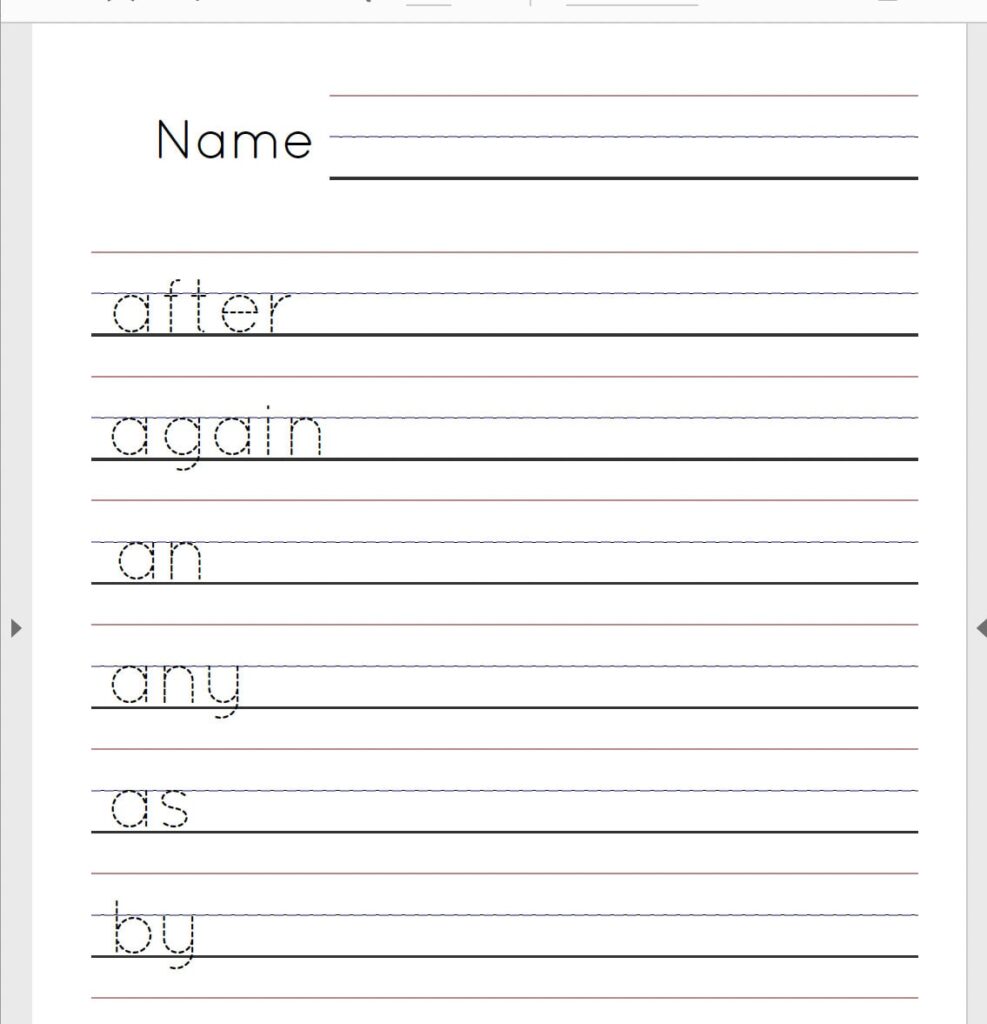
In first grade, worksheets should support the basics of print handwriting: forming capital letters correctly, learning lowercase letters with consistent starting points, and connecting letters to early word writing. Good pages usually group letters by similar strokes or common trouble spots, such as rounded letters, tall letters, and letters with diagonals. This helps children practice one skill at a time instead of facing a full alphabet page that feels crowded.
A helpful worksheet may also include a few words or short phrases after letter practice so children can apply the same formation in context.
Worksheet Features That Help
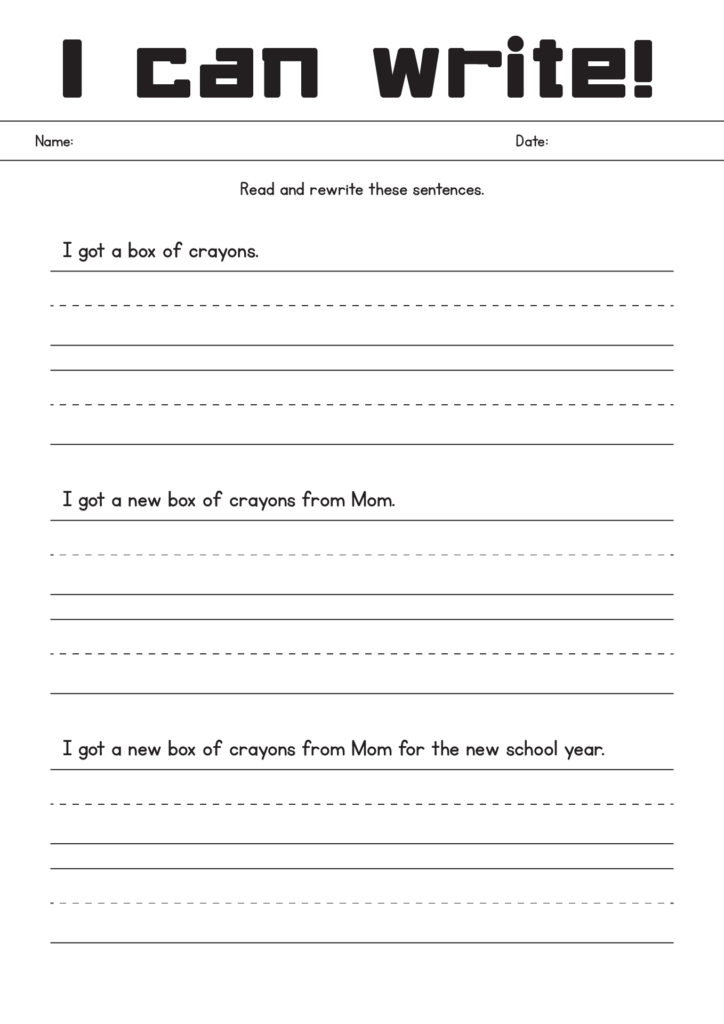
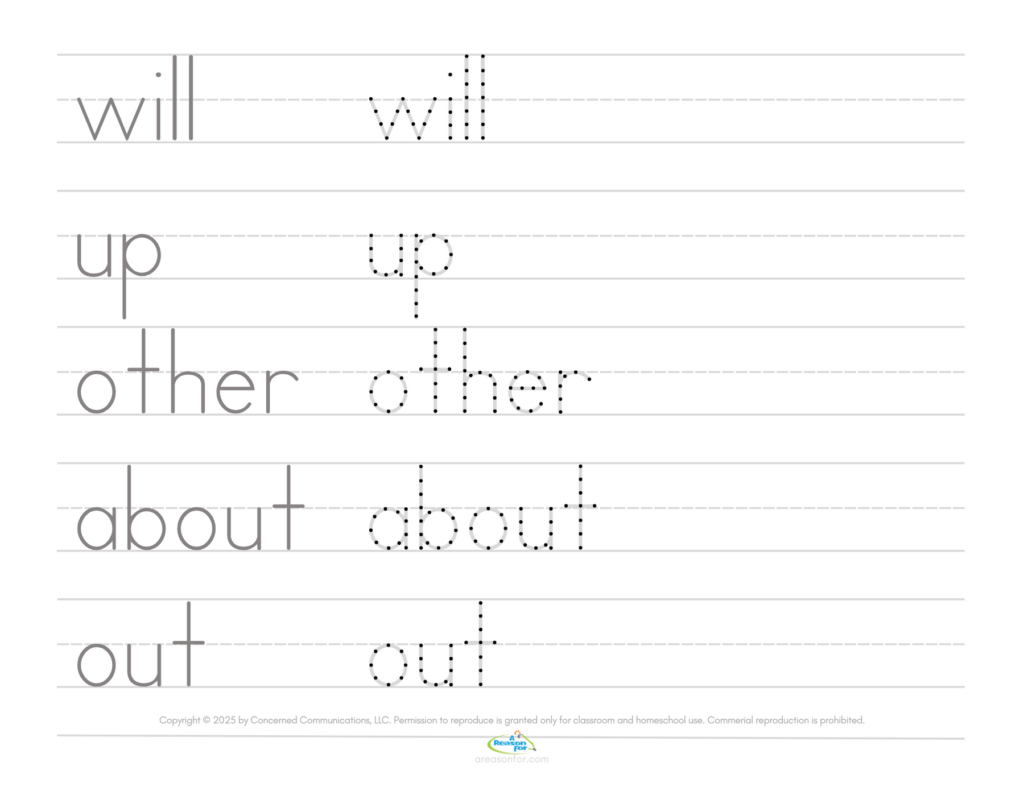
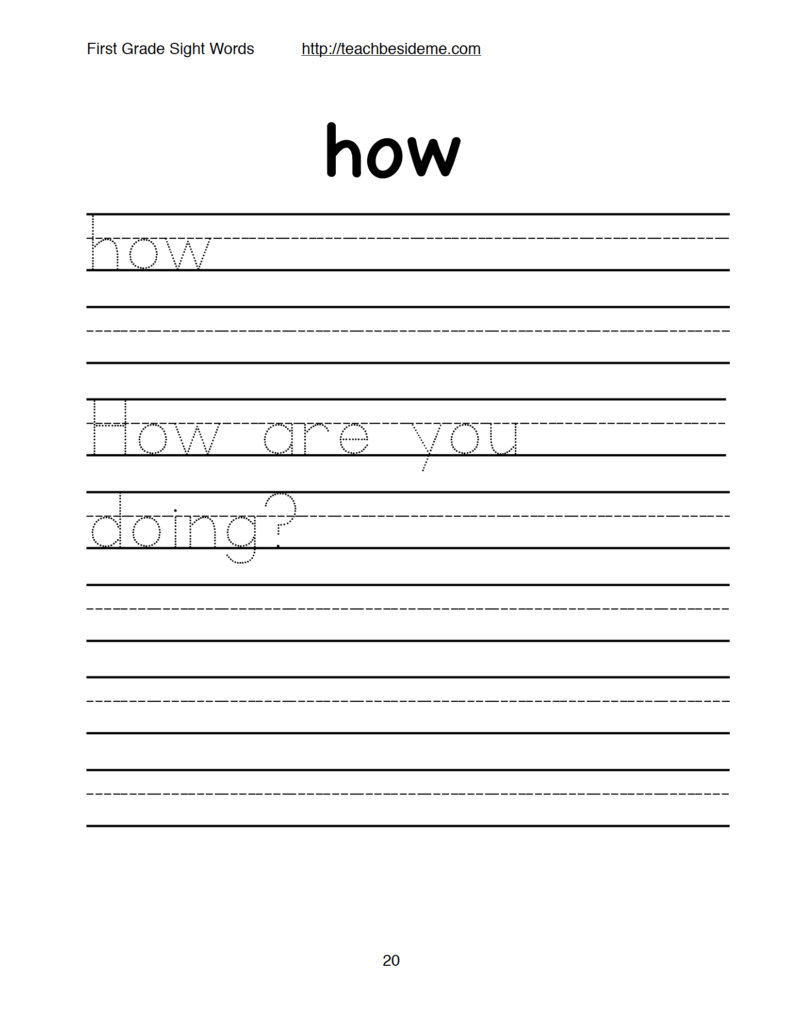
The most effective handwriting worksheets for first grade include tracing lines, guided practice, and space for independent writing. Tracing can help a child feel the stroke order, while dotted or faint models give a clear example to copy. Spacing cues, such as boxes or writing lines, make it easier to keep letters the same size and position. Some worksheets also use directional arrows, which can be useful when a child is still learning where each letter begins and ends.
The key is to choose enough support for success without making the page so busy that the letter stands out less than the decorations.
Choosing the Right Level
Match the worksheet to what the child can already do. If letter shapes are still inconsistent, start with heavy tracing and large models. If the child can form letters but needs more control, use guided practice with fewer examples and more writing space. For classroom use, pick worksheets that align with the letters or patterns being taught that week, so practice reinforces instruction rather than introducing too much at once.
Short pages also work well for first graders, because quick success is more useful than long repetition that leads to sloppy writing.
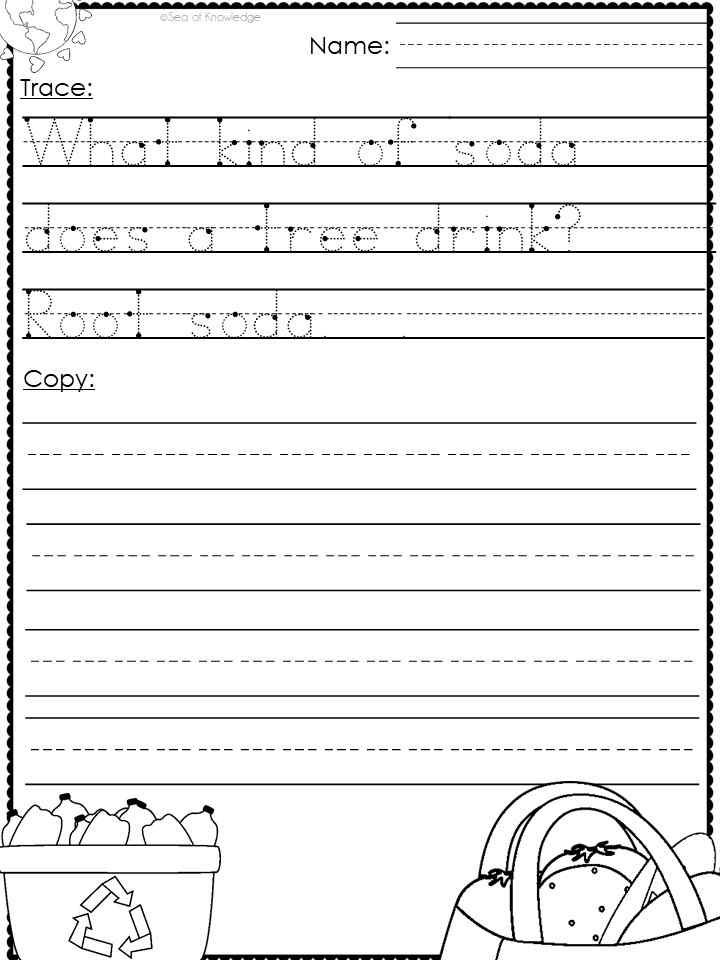
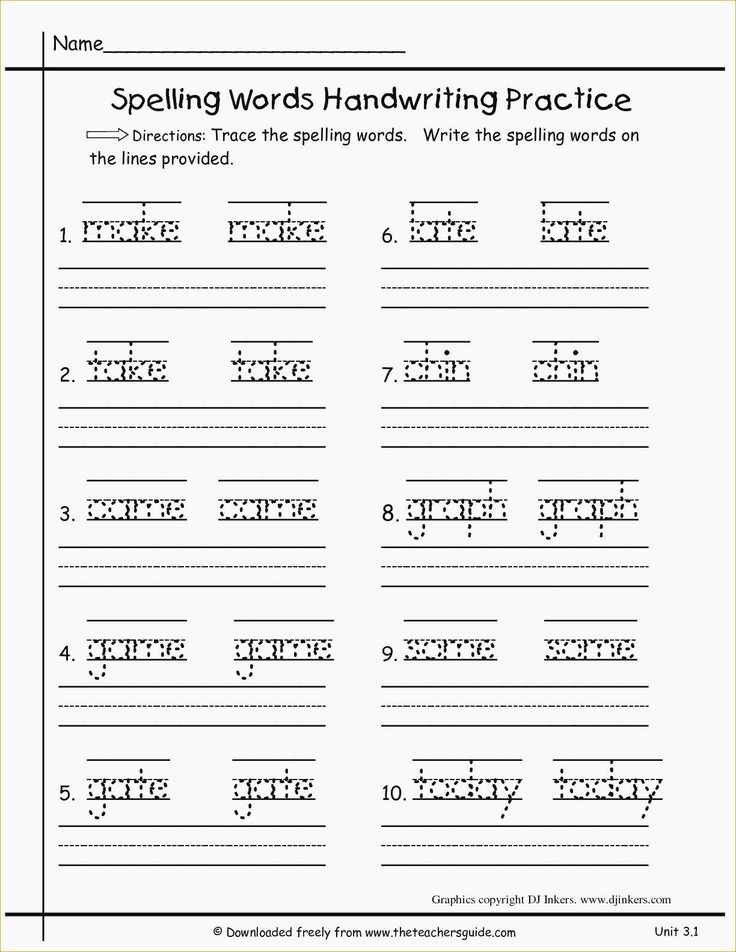
Usability matters just as much as the skill target. Clear letter models should be easy to see, with enough contrast between the example and the writing space. The layout should stay uncluttered so children can focus on the letter forms, not extra pictures or crowded directions. If a worksheet is printed at home or in class, it should fit cleanly on a page and leave enough room for a pencil or crayon to move comfortably.
The best choice is the one a child can use independently, with the right amount of support for today’s handwriting level.