Hard coloring pages for adults are usually defined by dense linework, tiny shapes, and repeated patterns that demand patience and control. Instead of broad open areas, these pages often pack in layered textures and narrow gaps that make every mark noticeable. That is what makes them feel challenging: the design rewards careful color placement, clean edges, and a steady hand more than quick filling.
What Makes a Page Hard
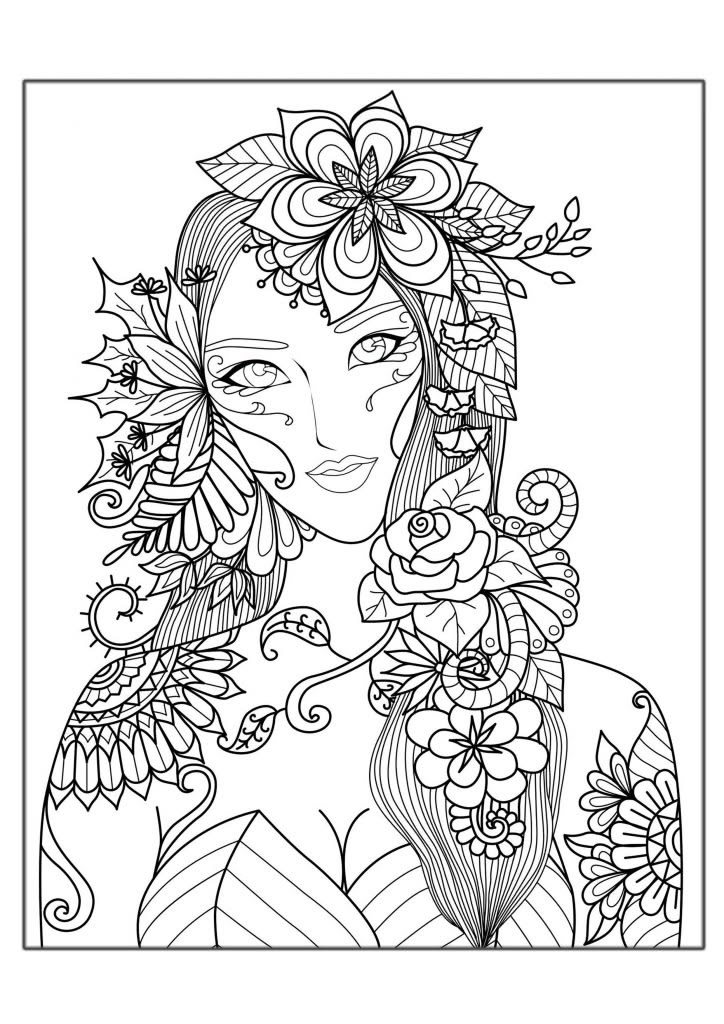
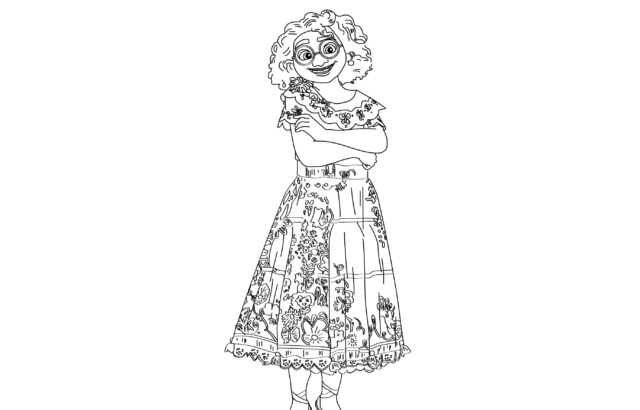
A page feels hard when it combines high detail with little room for error. Small spaces can sit inside larger motifs, so one section may contain several nested lines, scales, petals, or tiles. Repetitive patterns also raise the difficulty because they ask for consistency across the whole image. When a design uses thin outlines and closely packed elements, it is better suited to colored pencils or fine-tip tools than broad markers.
Common Challenging Styles
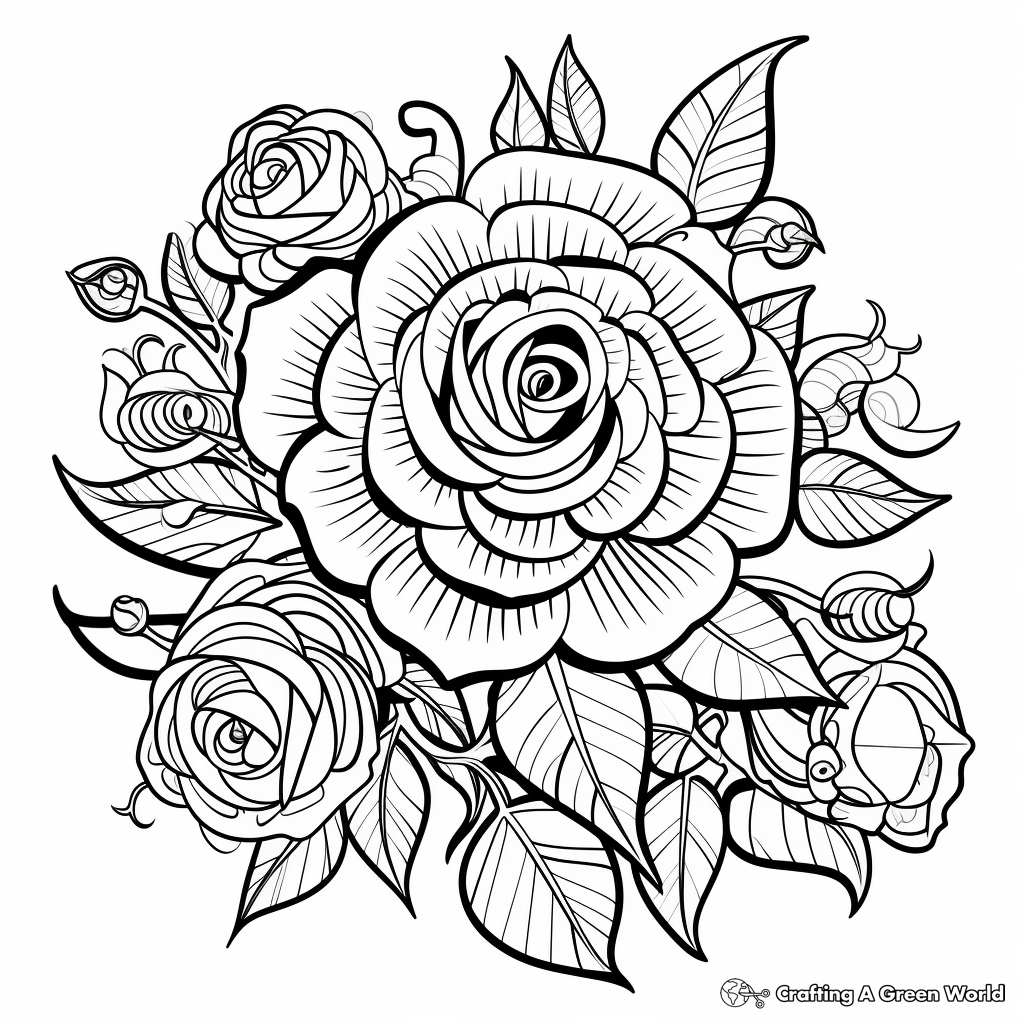
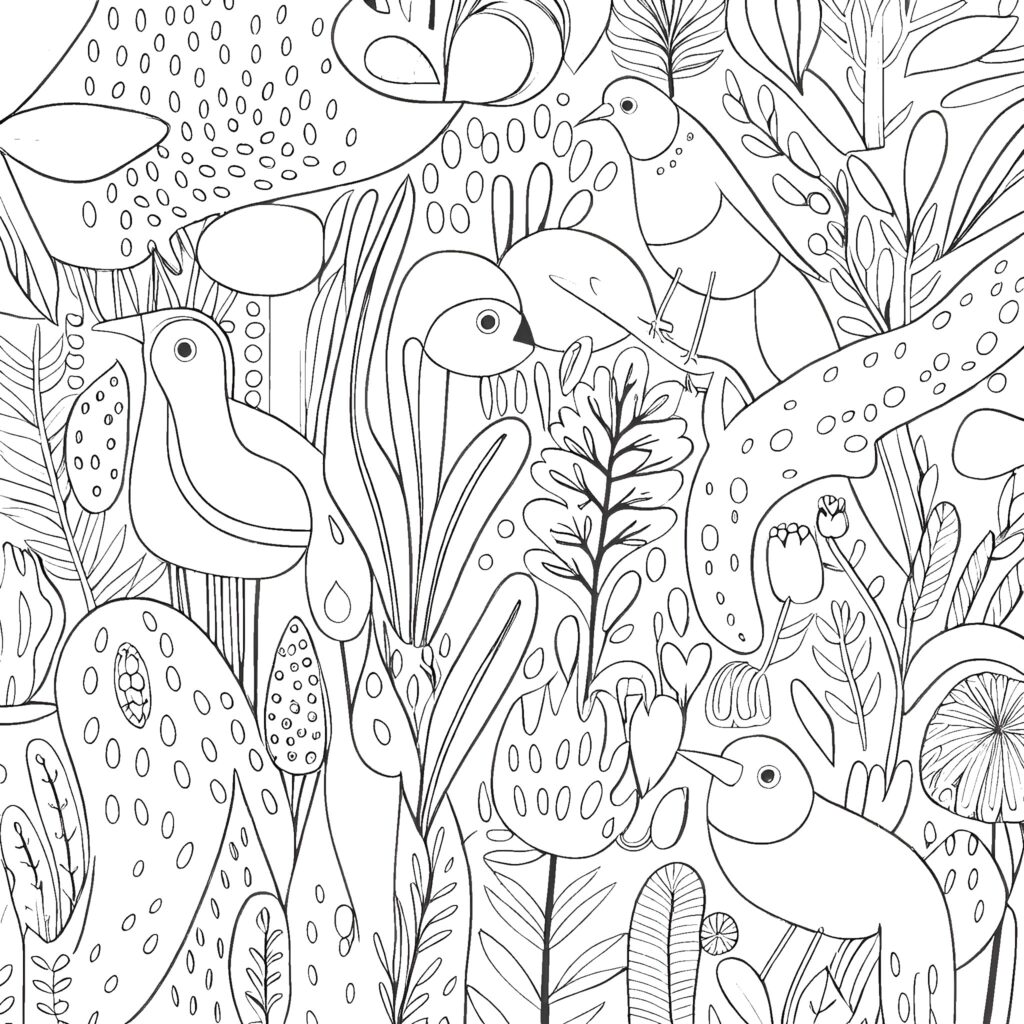
Mandalas are a classic choice for hard coloring pages for adults because their symmetry and repeating rings can become very intricate. Zentangle-inspired art adds even more complexity through curls, grids, loops, and micro-patterns. Dense florals create challenge through overlapping petals and leaves, while animals with textured fur, feathers, or scales offer layered detail. Complex fantasy scenes can be the most demanding, especially when backgrounds, armor, wings, or architectural elements all compete for space.
A quick way to judge a page is to look at the negative space. If the open areas are tiny and scattered, the page will take more precision. Line density matters too: the more internal details, borders, and repeating motifs you see, the harder the page is likely to be. Also check whether the design leaves enough room for pencil layering or only narrow channels for fine tips. For adults who want a real challenge, those cues matter more than the subject itself.