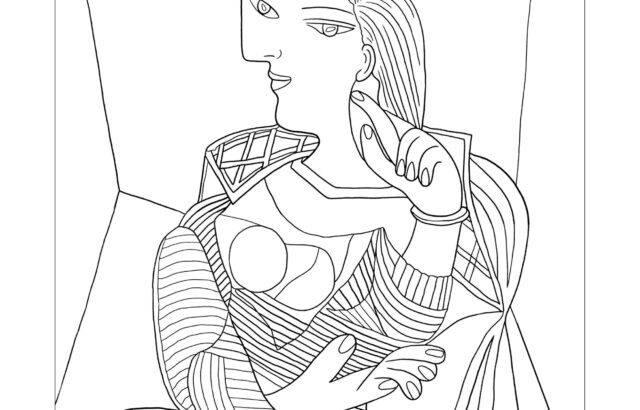
Illusion coloring pages turn a simple coloring activity into a visual trick. These pages use optical illusions, perspective cues, bold patterns, or hidden-image designs to make the picture seem like it moves, bends, or reveals something unexpected. For readers, that means looking for pages that are interesting to color and clear enough to print well, whether the goal is quiet time at home or a group activity in class.
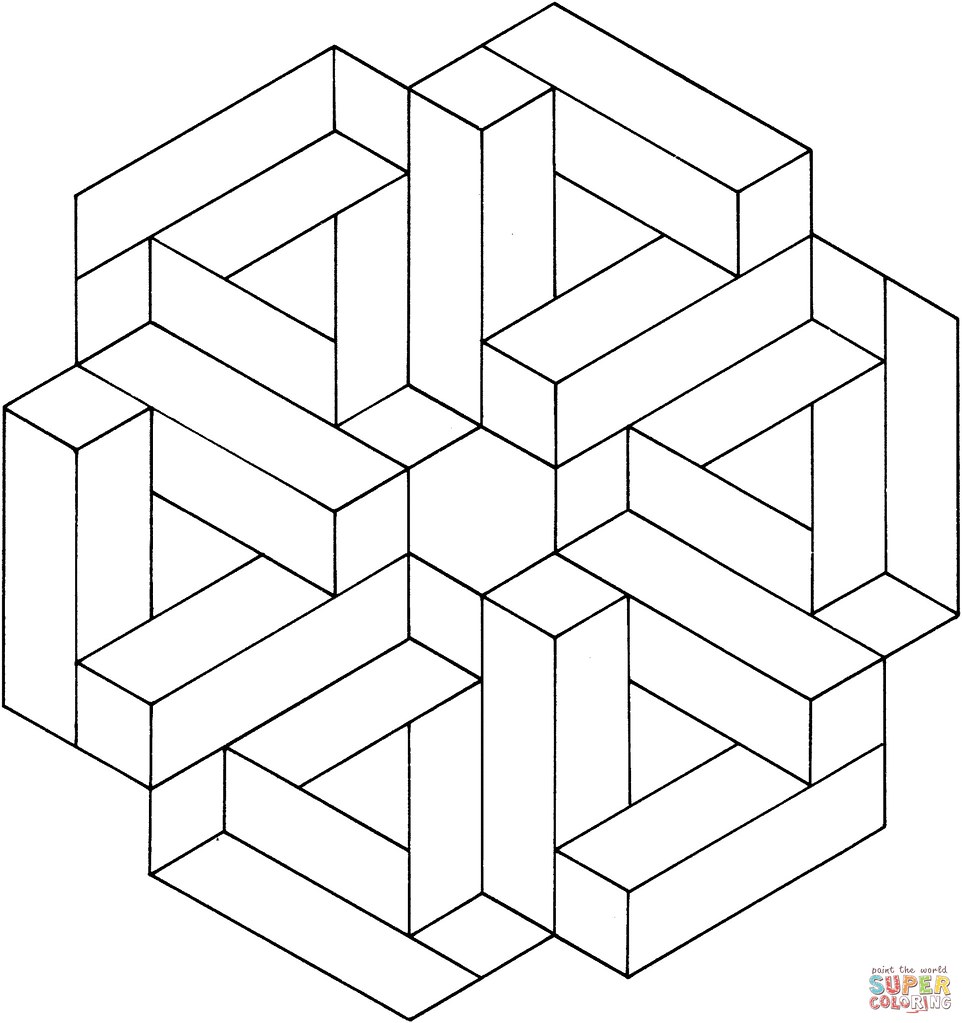
Common illusion styles
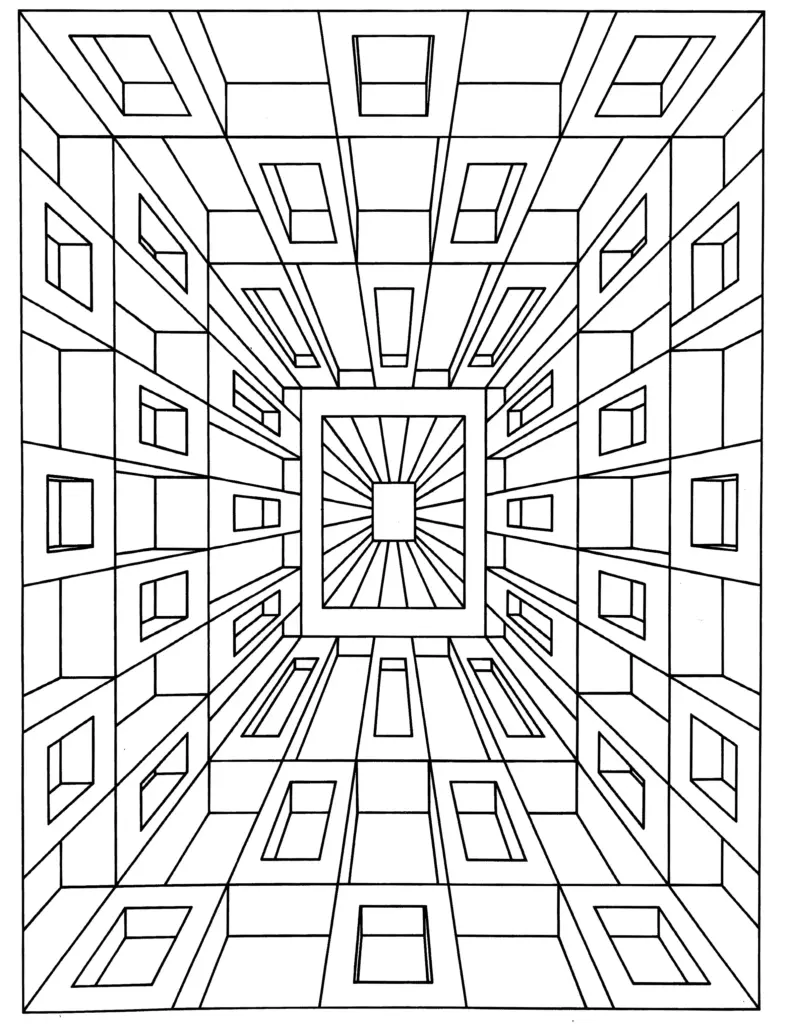
The main types of illusion coloring pages usually fall into a few familiar styles. Optical-illusion pages create a sense of motion or depth with repeating shapes, spirals, stripes, or impossible-looking lines. Perspective-based pages use size and angle to make an object seem far away, tilted, or three-dimensional. Pattern pages rely on dense line work that changes how the eye reads the image as colors are added.
Hidden-image pages add another layer, where a face, animal, or object becomes easier to spot after careful coloring. Each type offers a different experience, so the best choice depends on whether the reader wants a bold effect, a puzzle-like design, or a page that feels more relaxing than tricky.
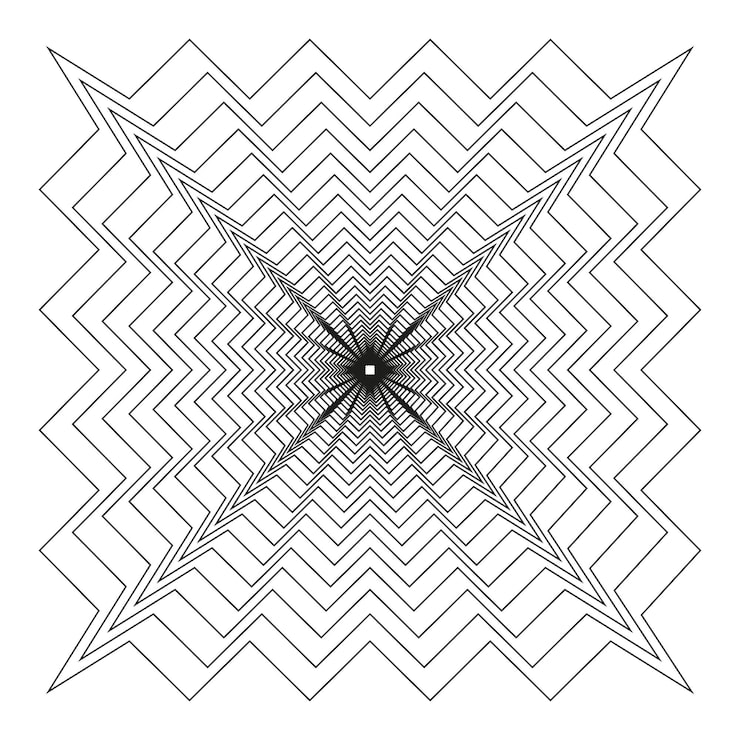
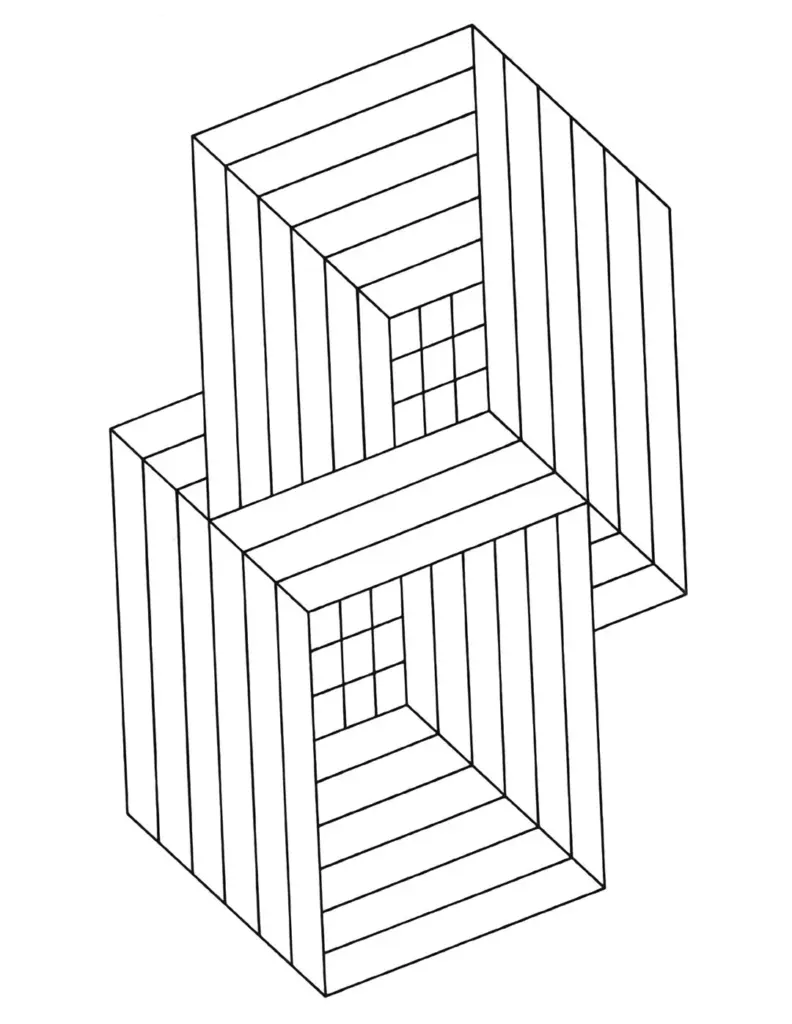
When choosing illusion coloring pages, age and skill level matter most. Younger children usually do better with larger shapes, thicker outlines, and fewer tiny sections, because those pages are easier to stay inside and less frustrating to finish. Older kids, teens, and adults may prefer detailed patterns or hidden-image pages with finer spaces and stronger visual contrast. It also helps to check whether the page will print cleanly on standard letter paper without cropped edges or fuzzy lines.
Simple black outlines on a white background usually work best for home printers. If a design is too light or too crowded, the illusion effect can get lost once it is printed.
Easy ways to use them
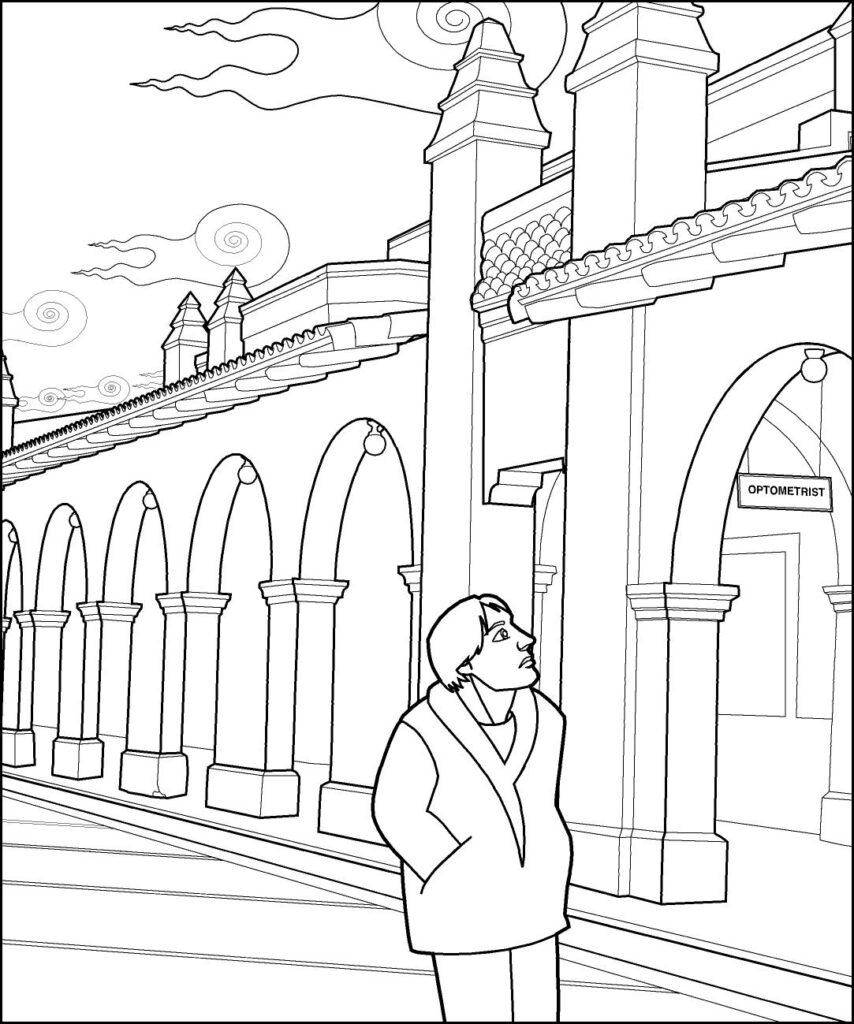
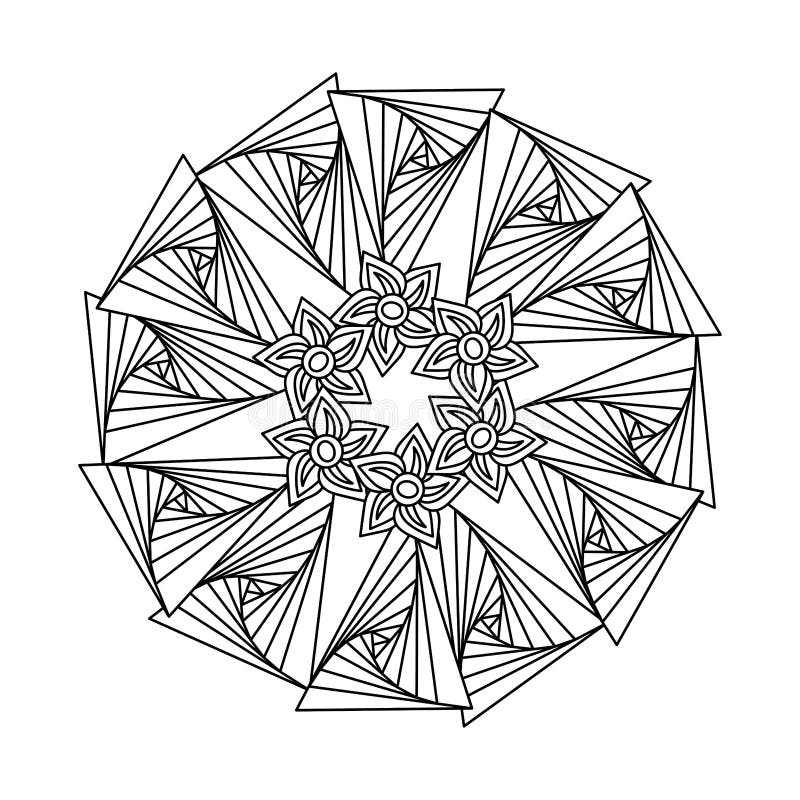
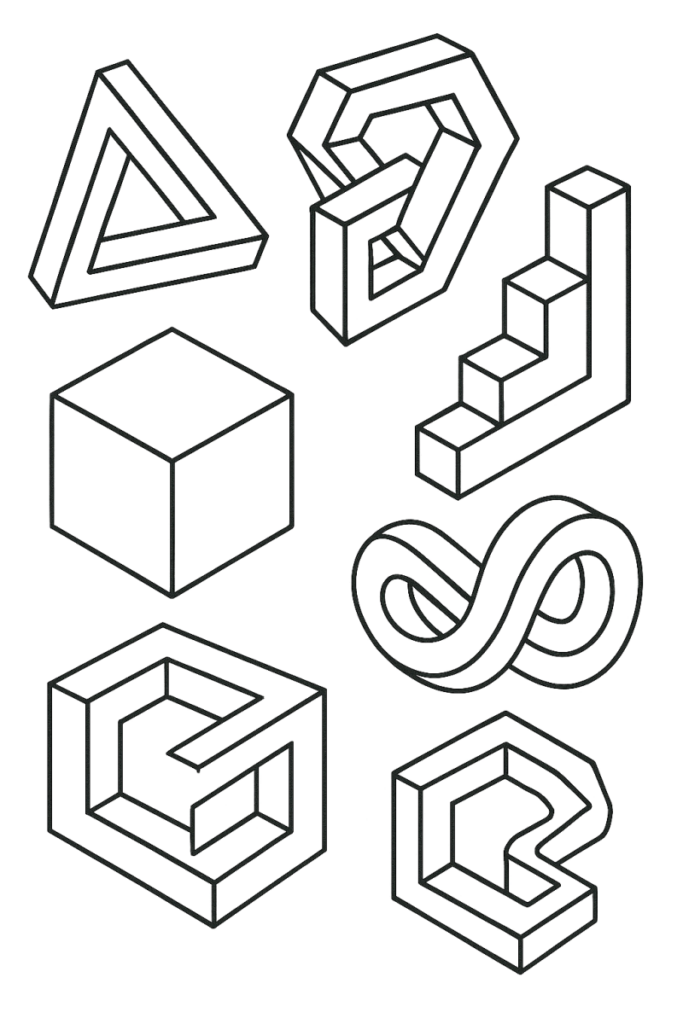
Illusion coloring pages work well as a quiet at-home activity or a classroom warm-up. At home, children can experiment with color choices that strengthen the effect, such as cool tones for depth, repeating color bands for movement, or two-color contrasts that make patterns pop. In class, a teacher can use them for a short visual challenge, a focus exercise, or a finishing task after a lesson.
To keep the activity smooth, give crayons, markers, or colored pencils that match the detail level of the page. The best results usually come from choosing one design, printing it clearly, and letting the illusion emerge as the coloring builds.