Kindergarten handwriting practice worksheets work best when they match a child’s readiness, not just their age. The most useful sheets help young learners build control step by step, starting with tracing and simple lines before moving into letters and short words. A good worksheet should feel clear, manageable, and encouraging, with enough space for early writers to try each stroke without feeling crowded.
Core Worksheet Features
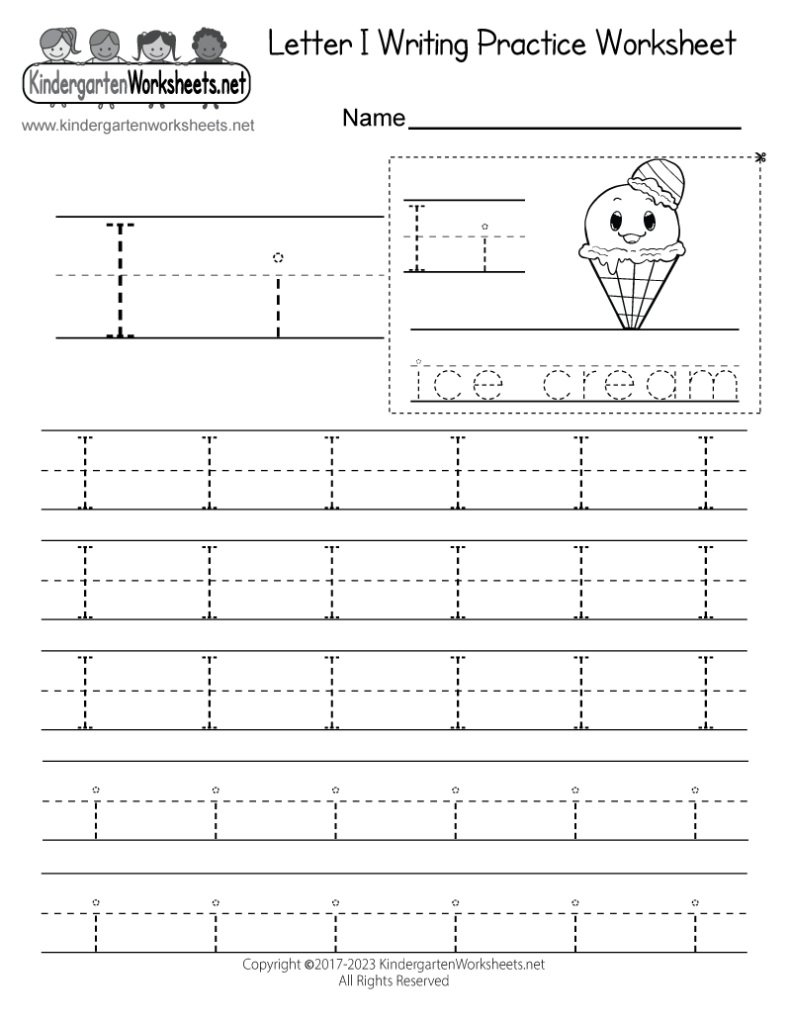
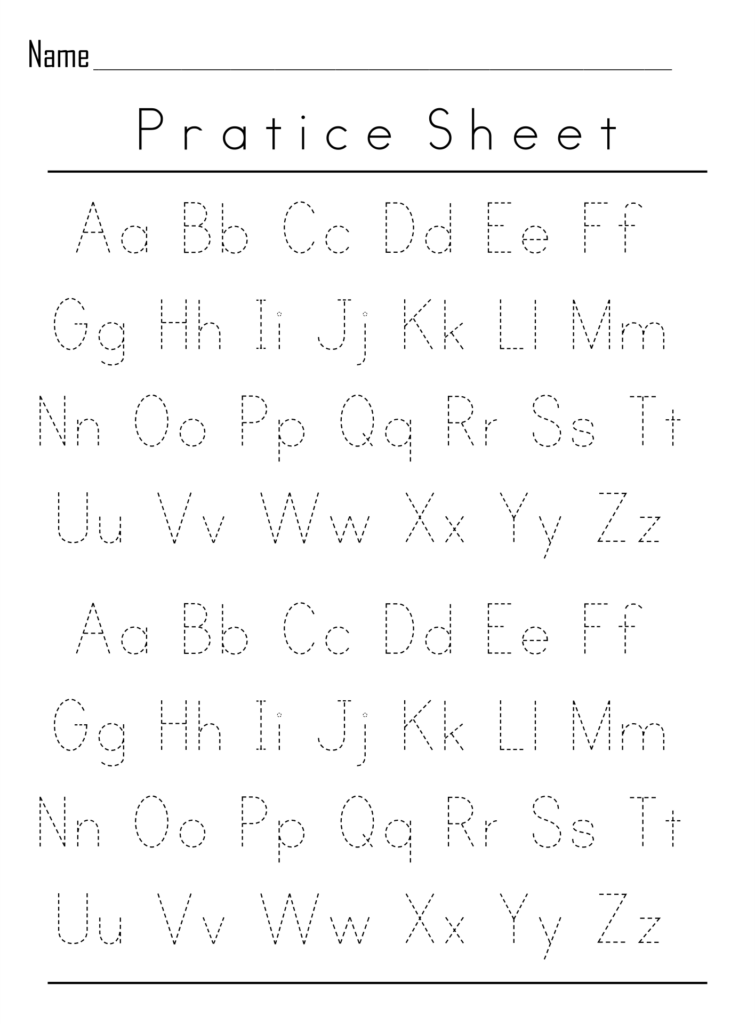
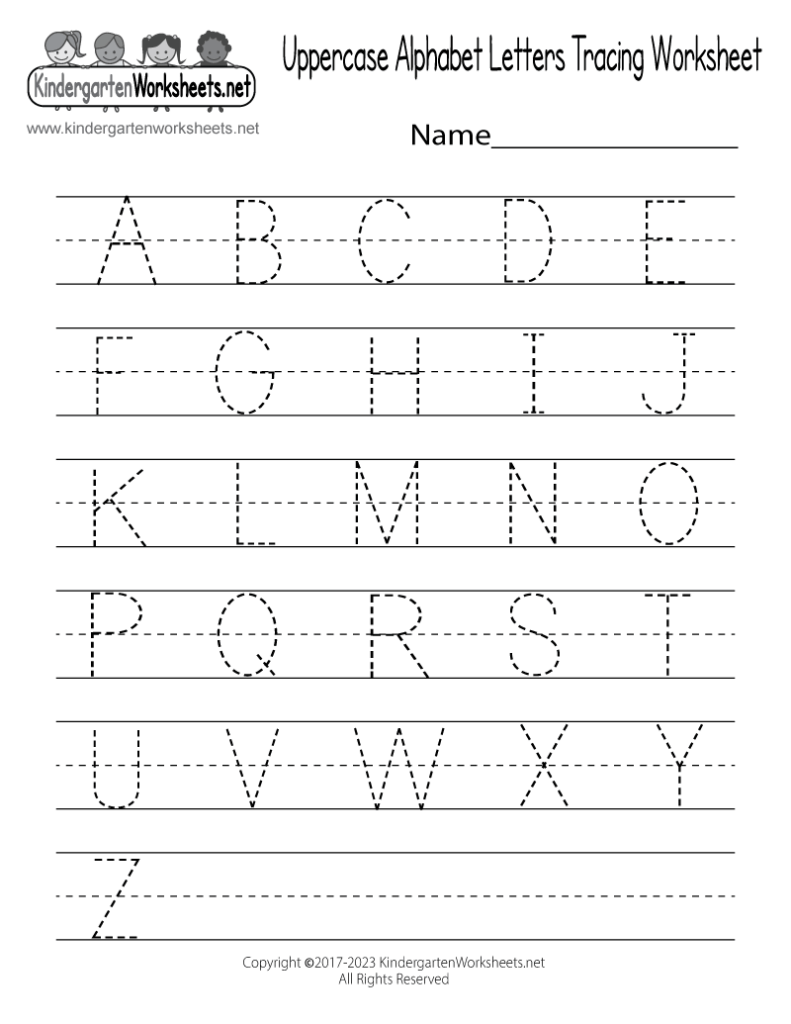
Strong kindergarten handwriting practice worksheets usually begin with pre-writing lines and shapes. Straight lines, curves, zigzags, loops, and circles help children strengthen pencil control before letter formation becomes the main focus. After that, worksheets should move into uppercase and lowercase letters with models to trace, copy, or finish. Simple words can be added once letter practice feels familiar, but they should stay short and familiar.
The best pages keep one skill at a time in view, so children can focus on forming letters correctly instead of trying to do too much at once. Clear examples and repeated practice make the page easier to use at home or in class.
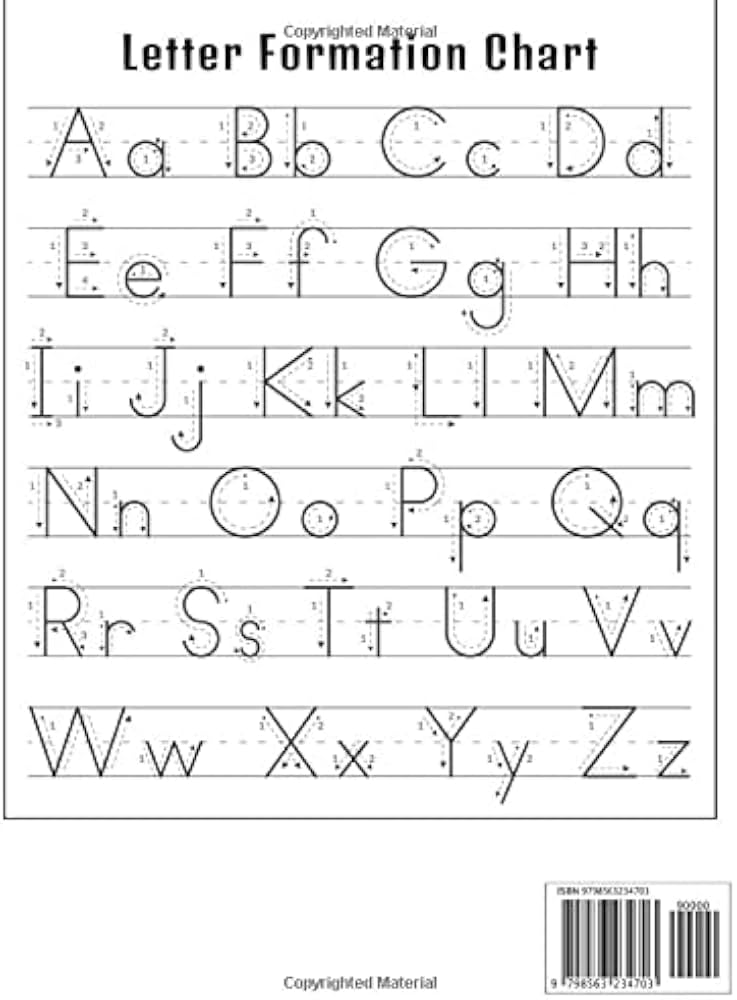
Age-Appropriate Design
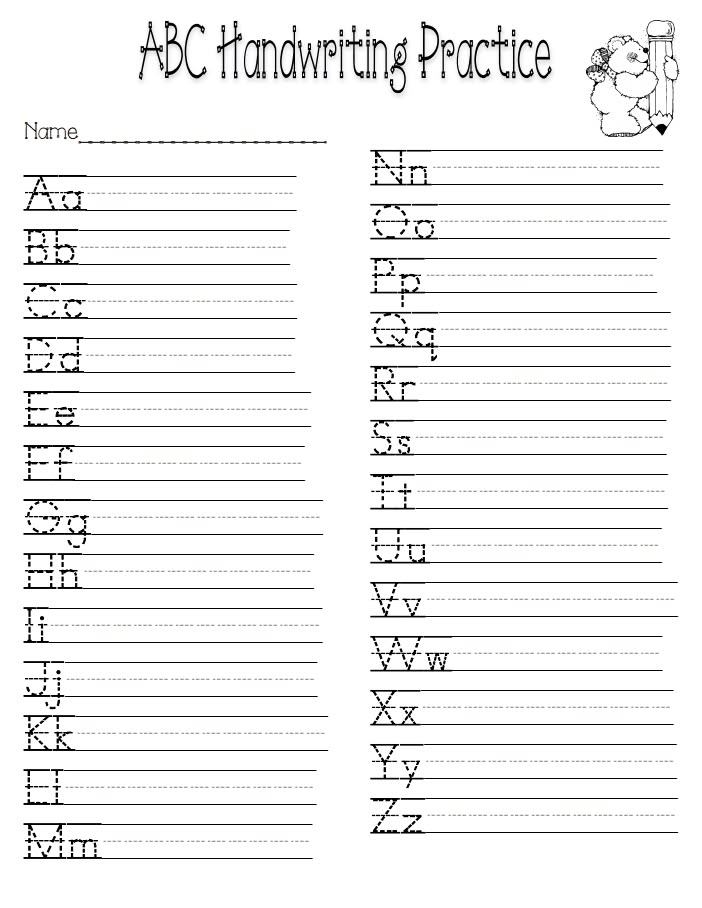
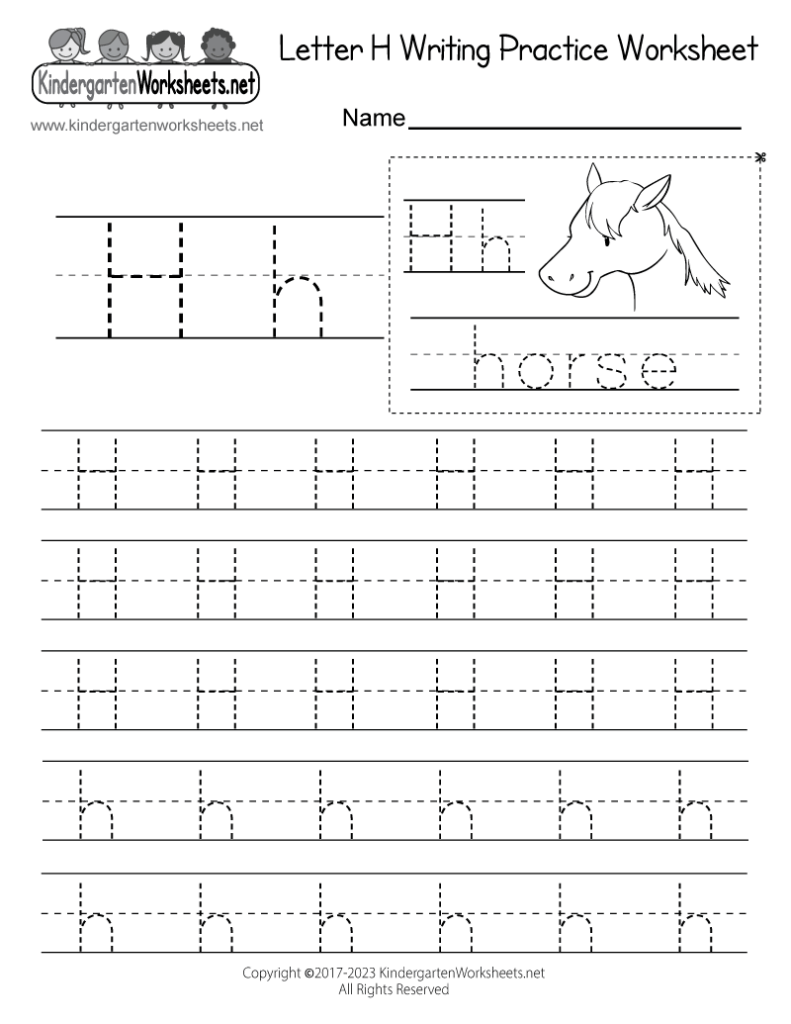
For kindergarten learners, design matters as much as content. Large writing spaces give children room to practice without crowding their letters, and bold starting points or arrows can show where to begin each stroke. Clear instructions should use simple language and a limited number of steps. Worksheets that gradually increase difficulty are usually the most effective, moving from tracing to copying and then to independent writing.
Visual clutter can be distracting, so clean layouts are better than busy pages full of extra graphics. If a worksheet includes pictures, they should support the task rather than compete with it. A calm, readable page helps children stay engaged and understand what to do next.