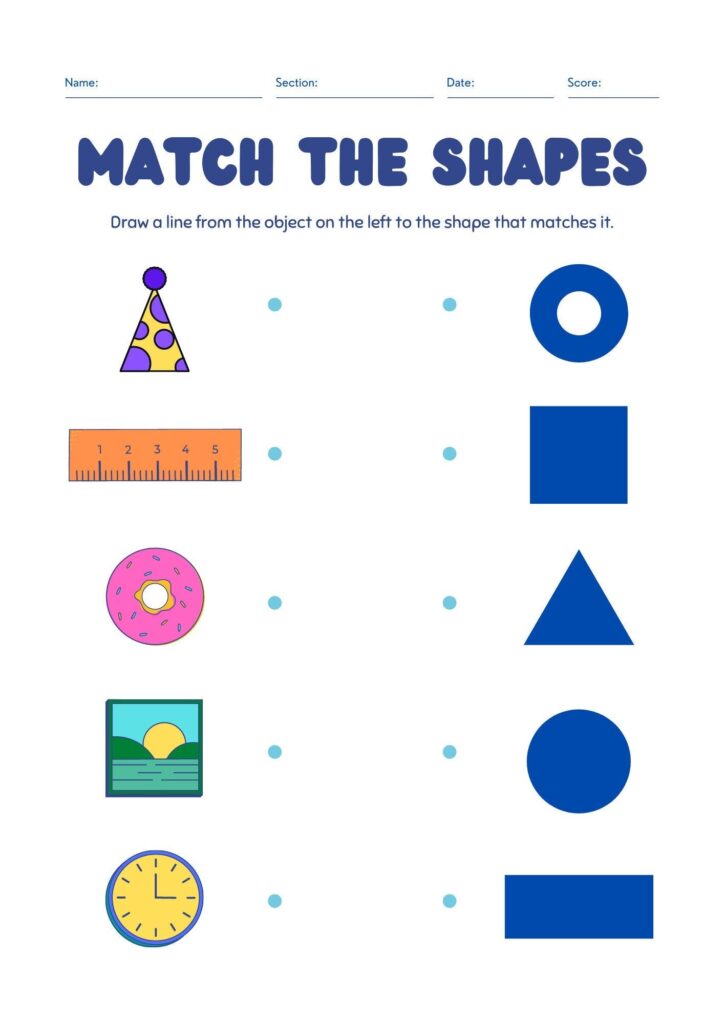
Kindergarten Shape Matching Worksheets help young learners connect what they see with the names of basic shapes. A strong worksheet keeps the task simple: children look at clear pictures, match the same shapes, and build confidence with circle, square, triangle, rectangle, and other familiar forms. The best options feel visually calm, easy to follow, and focused on one skill at a time.
What Kindergarten Worksheets Include
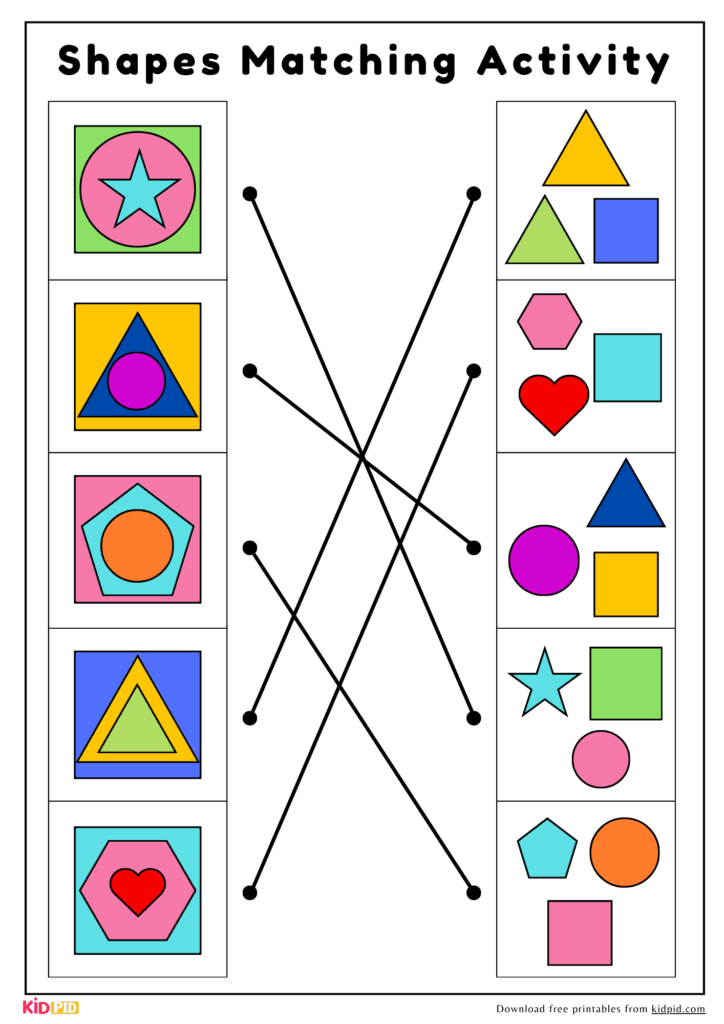
Good kindergarten shape matching pages use large, easy-to-see shapes and very little text. Instructions should be short, such as matching a shape to its name or drawing a line between two identical pictures. Common examples include a circle matched to the word circle, or a triangle matched to a picture of a triangle. Simple layouts matter because they reduce confusion and help children focus on visual comparison instead of reading demands.
Age-Appropriate Matching Tasks
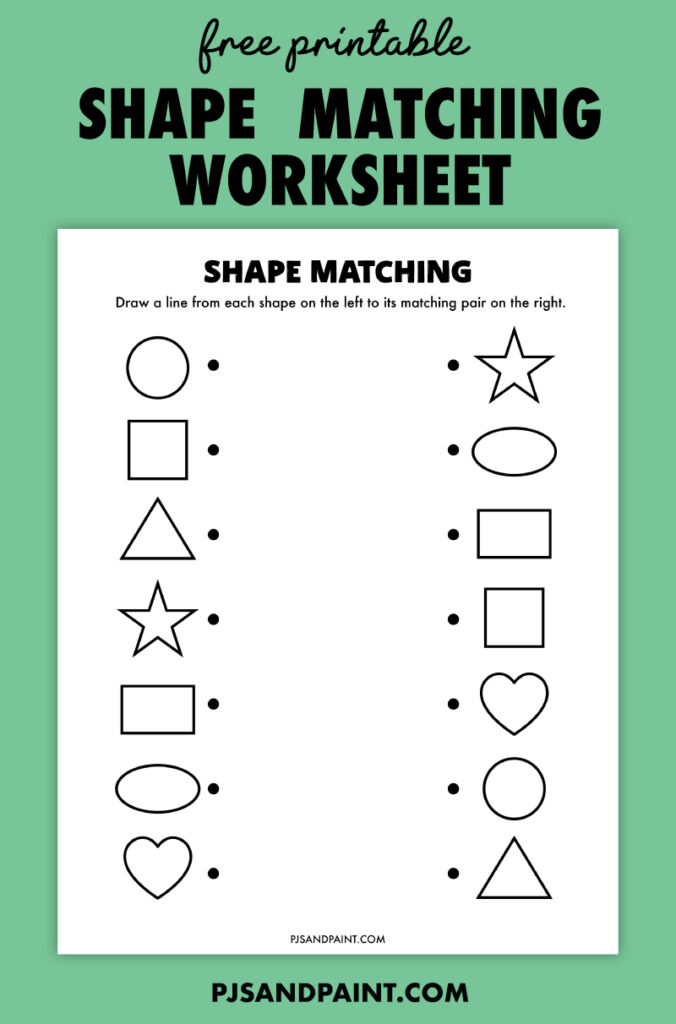
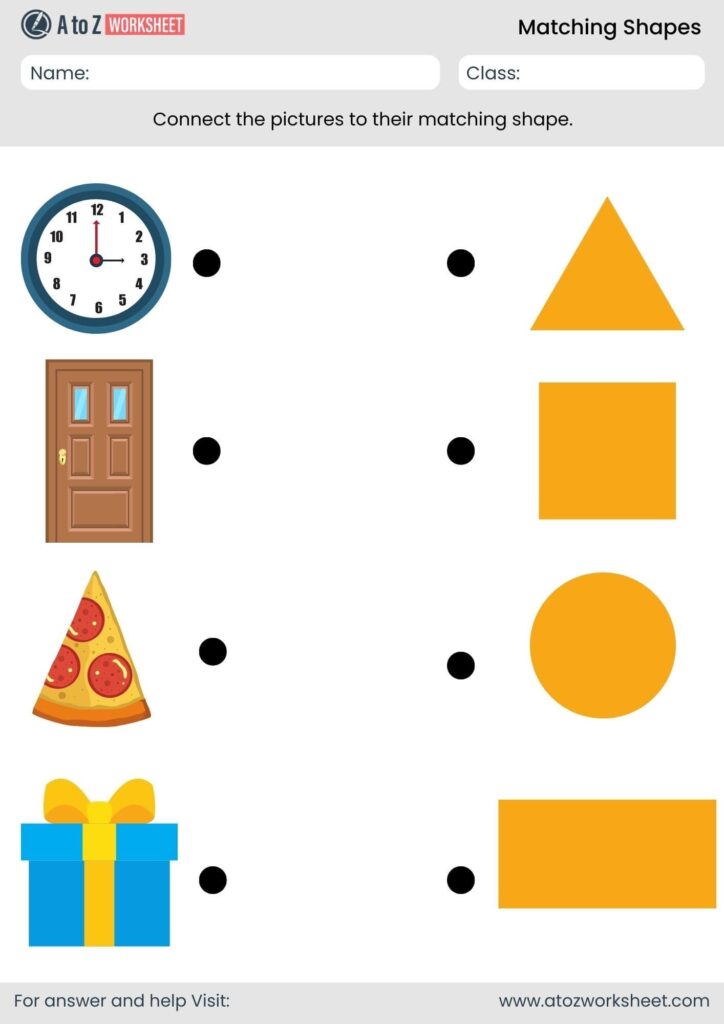
The most useful worksheets stay close to what kindergartners already know. They usually feature common shapes like circle, square, triangle, rectangle, oval, and sometimes hexagon if the child is ready. Matching can happen in several easy ways: shape-to-shape, shape-to-name, or shape-to-example. A picture of a ball for circle or a window for rectangle can make the idea more meaningful, but the page should still keep the task direct and uncluttered.
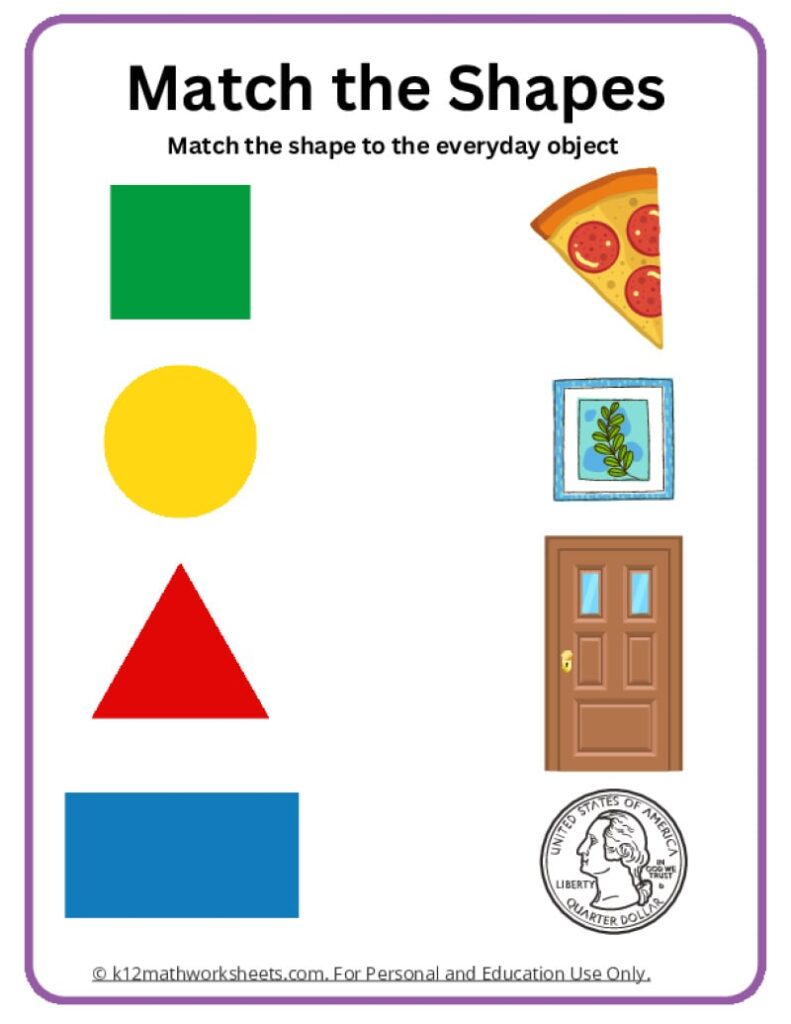
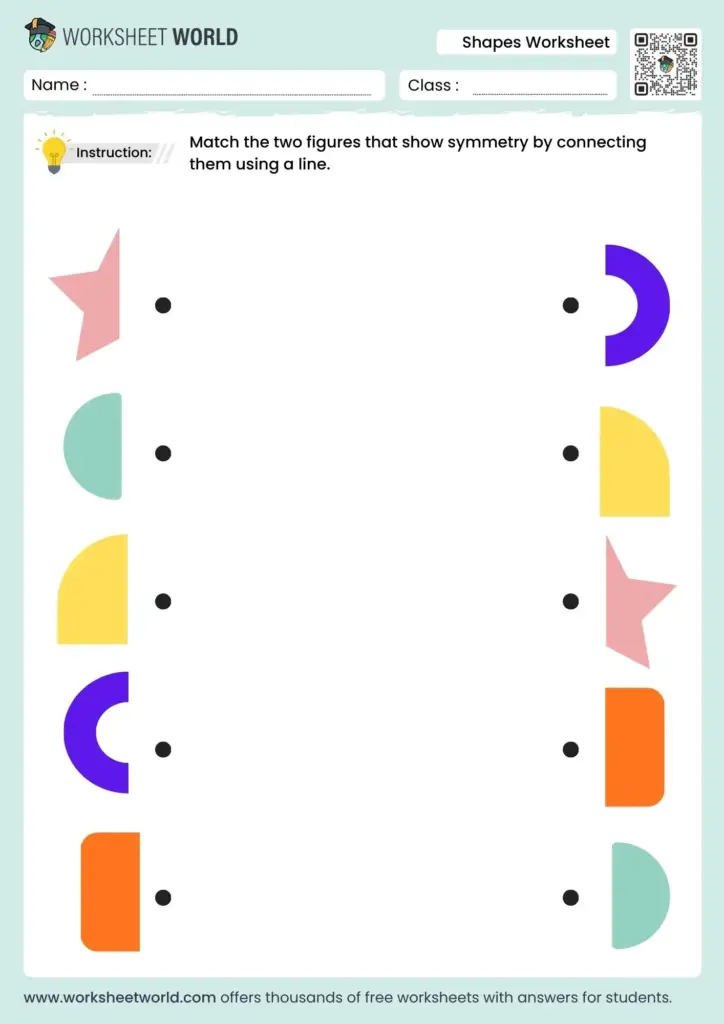
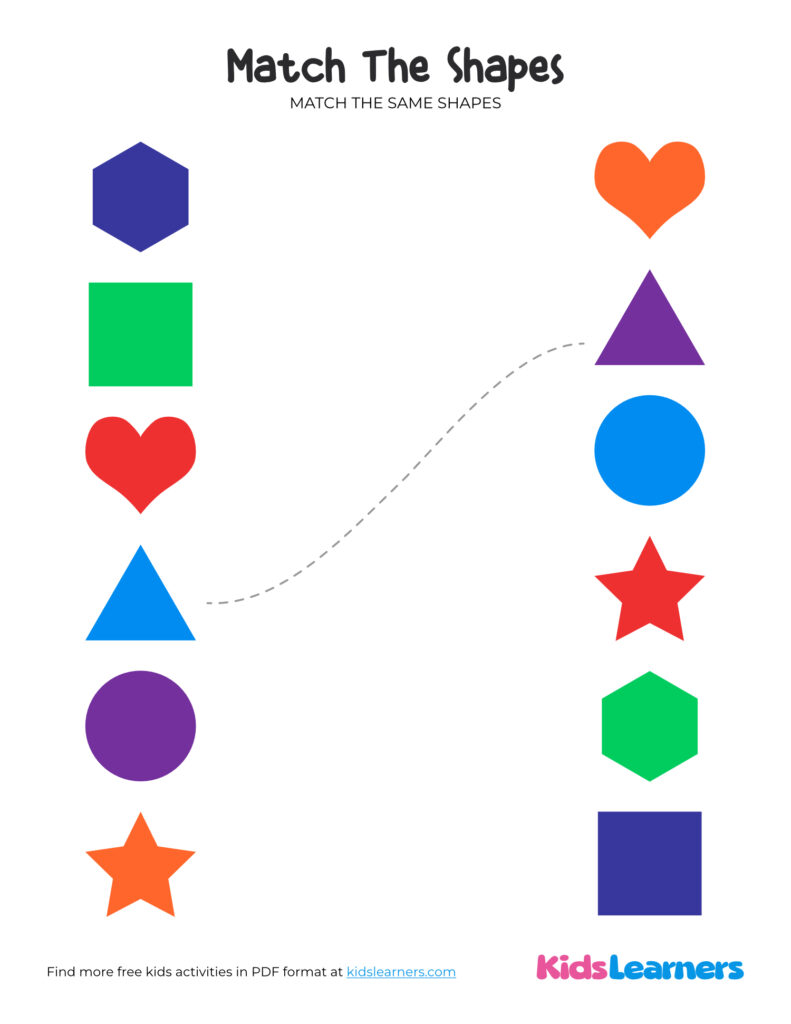
Beyond shape recognition, these worksheets support visual discrimination, which means noticing small differences between similar forms. That is an important early math skill because children must compare sides, corners, curves, and overall outlines. They also get light fine-motor practice when tracing lines or circling answers. For kindergarten, the worksheet works best when it feels manageable, builds success quickly, and reinforces one clear learning goal. If a page is easy to understand at a glance, it is usually well suited to early learners.