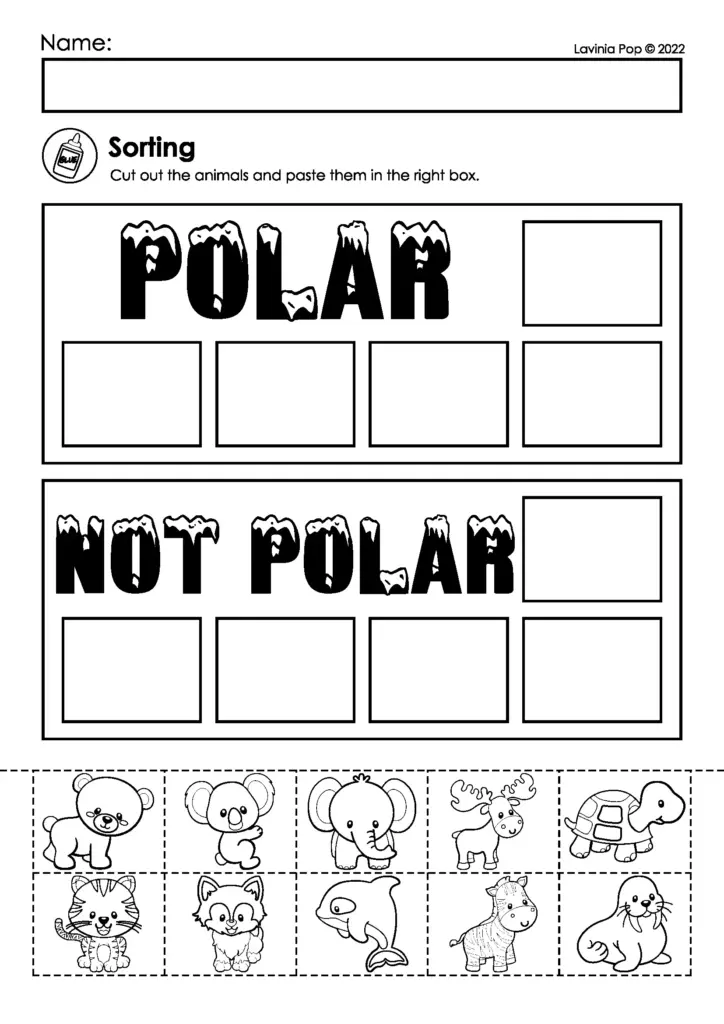
Kindergarten sorting worksheets give young learners a simple way to practice noticing similarities and differences. The best pages keep the task clear: students sort pictures by color, shape, size, or kind without needing much reading. Because the goal is easy practice, these worksheets should rely on familiar objects, bold images, and one-step directions that children can follow with confidence.
Common Sorting Types
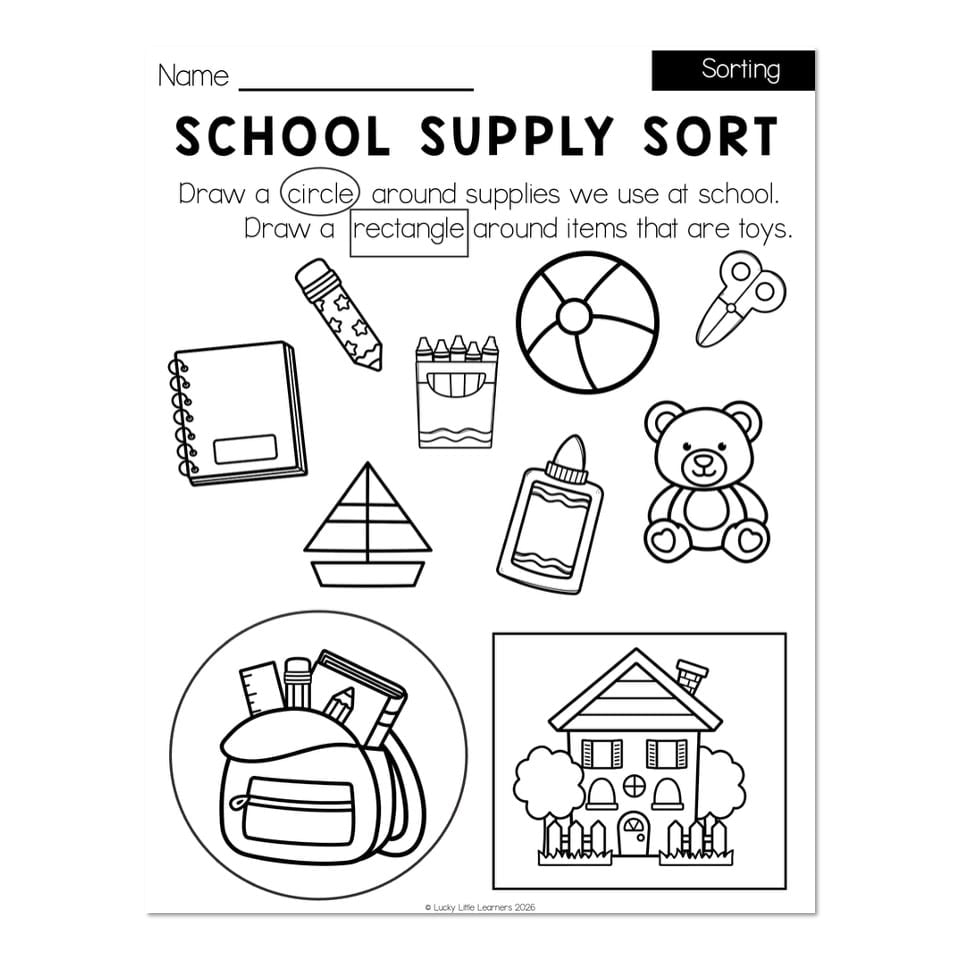
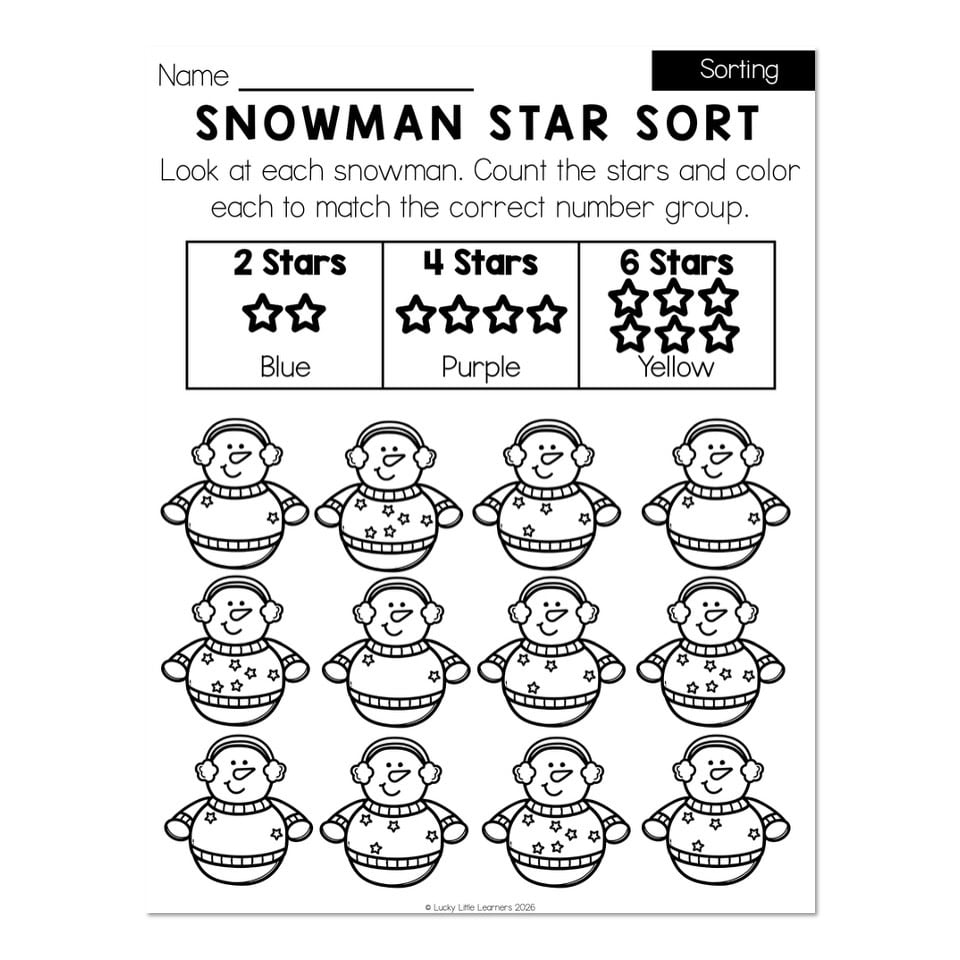
The most useful kindergarten sorting worksheets focus on categories children can see right away. Color sorting might ask them to group red apples, blue balls, and yellow stars. Shape sorting can use circles, squares, and triangles. Size activities often compare big and small versions of the same object. Kind-or-object grouping works well too, such as sorting animals, foods, or school items. These categories are age-appropriate because they depend on observation rather than advanced reading or abstract thinking.
What to Include
A strong worksheet should look clean and be easy to understand at a glance. Simple directions such as “circle the group that matches” or “cut and paste the objects that belong together” help children stay focused. Items should be large, clearly drawn, and spaced apart so they do not blend together. Low reading demand matters because many kindergarteners are still learning words and letter patterns. The worksheet should let the pictures carry the meaning, not the text.
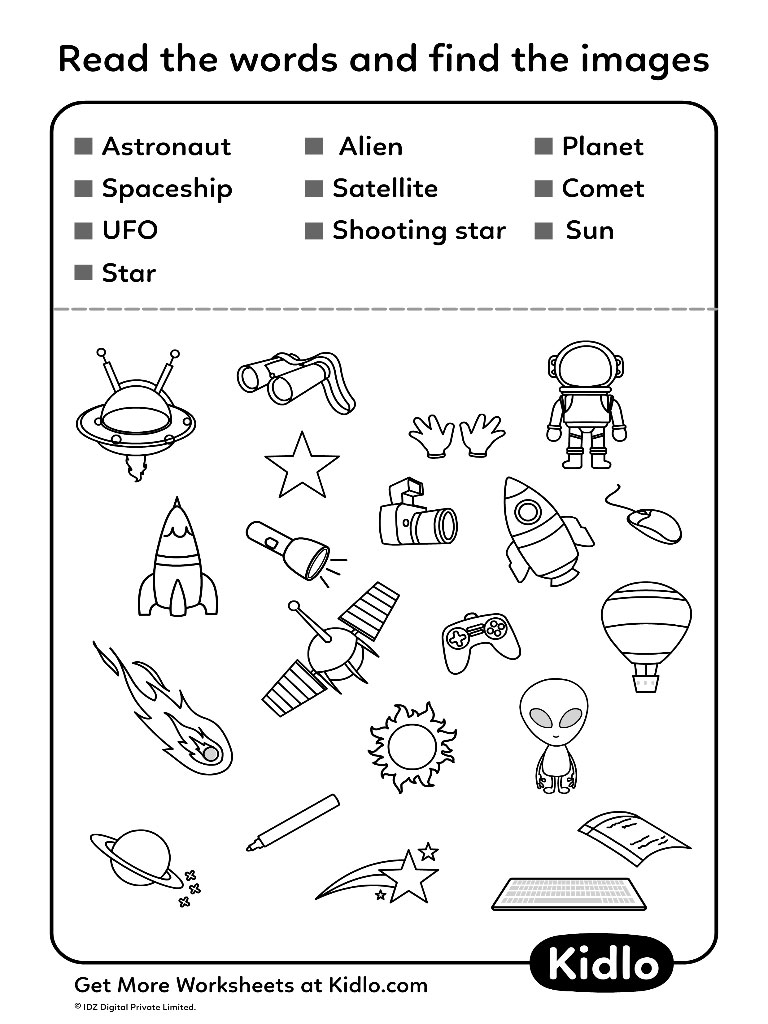
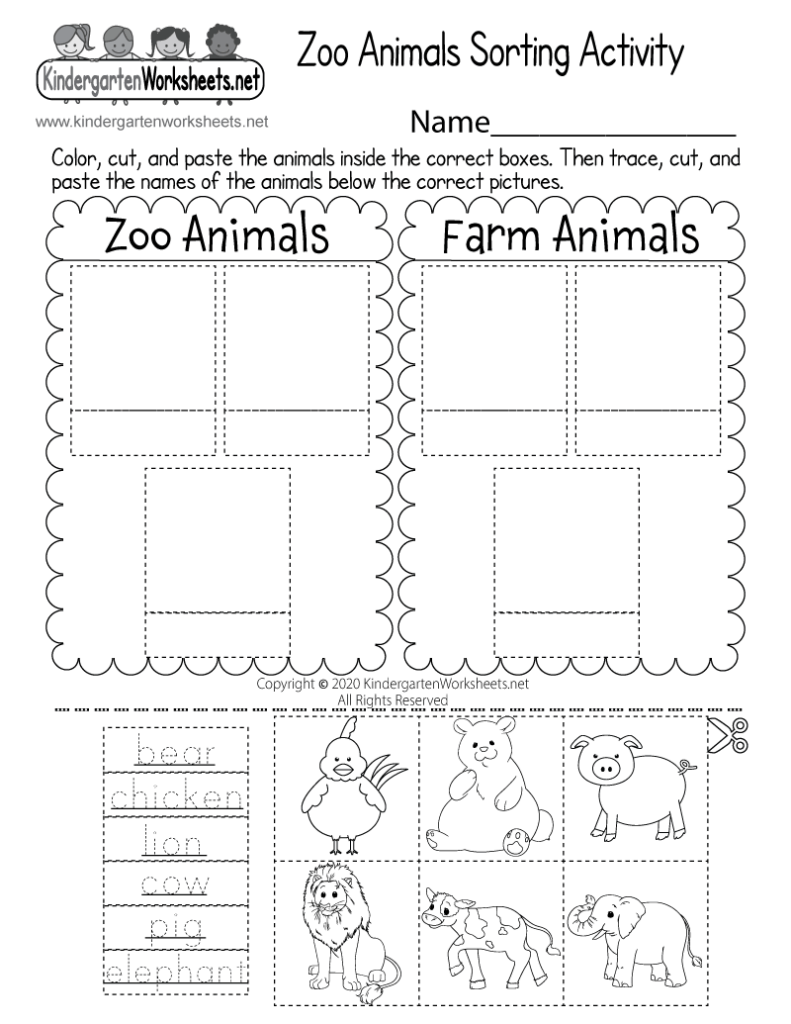
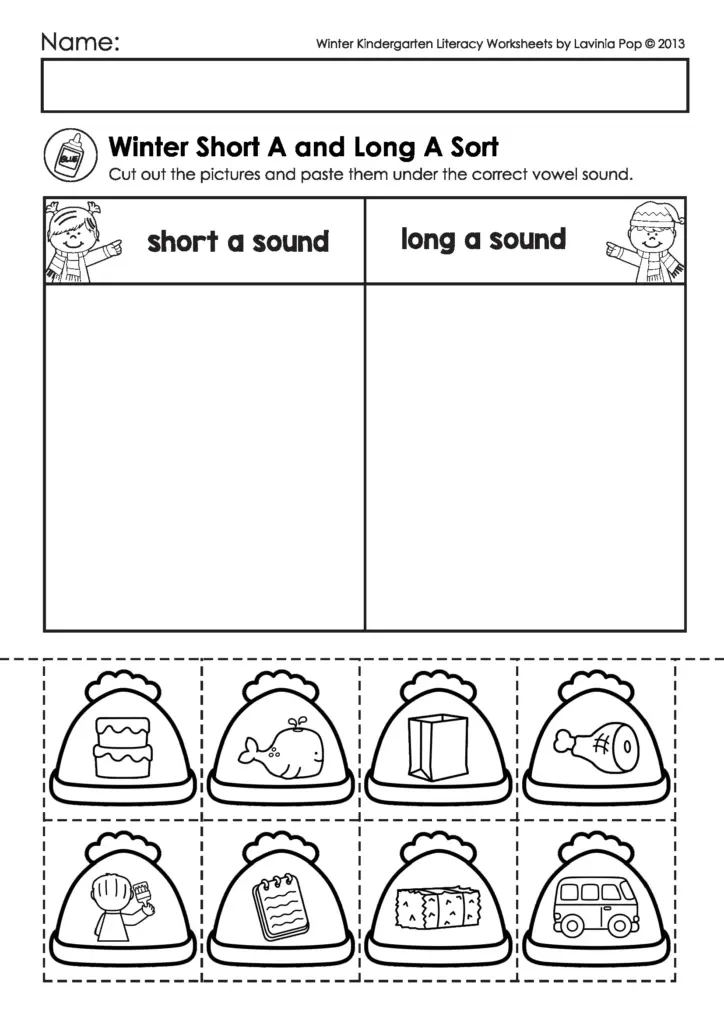
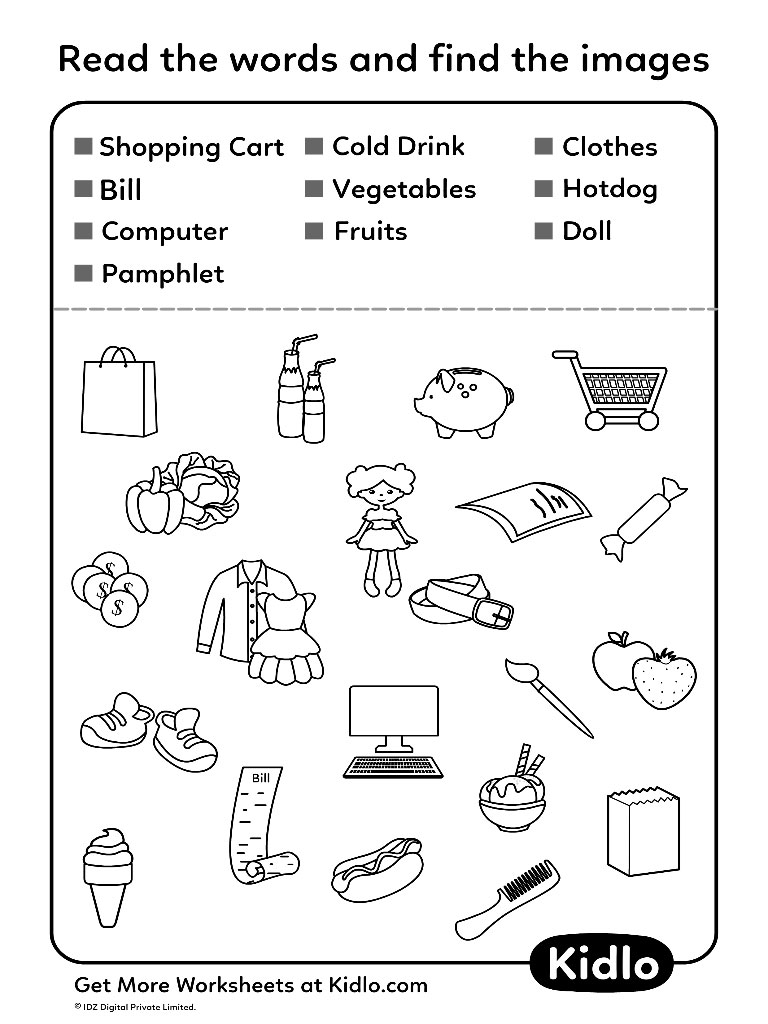
Kindergarten sorting worksheets support several early learning skills at once. Classification grows as children learn to place objects into logical groups. Visual discrimination improves when they compare details like shape, color, or size. Following directions is also strengthened because students must pay attention to the task and complete it in order. If you want the worksheet to stay effective, keep it short, visually uncluttered, and centered on one sorting rule at a time. That makes practice easier for young learners and more useful for review.