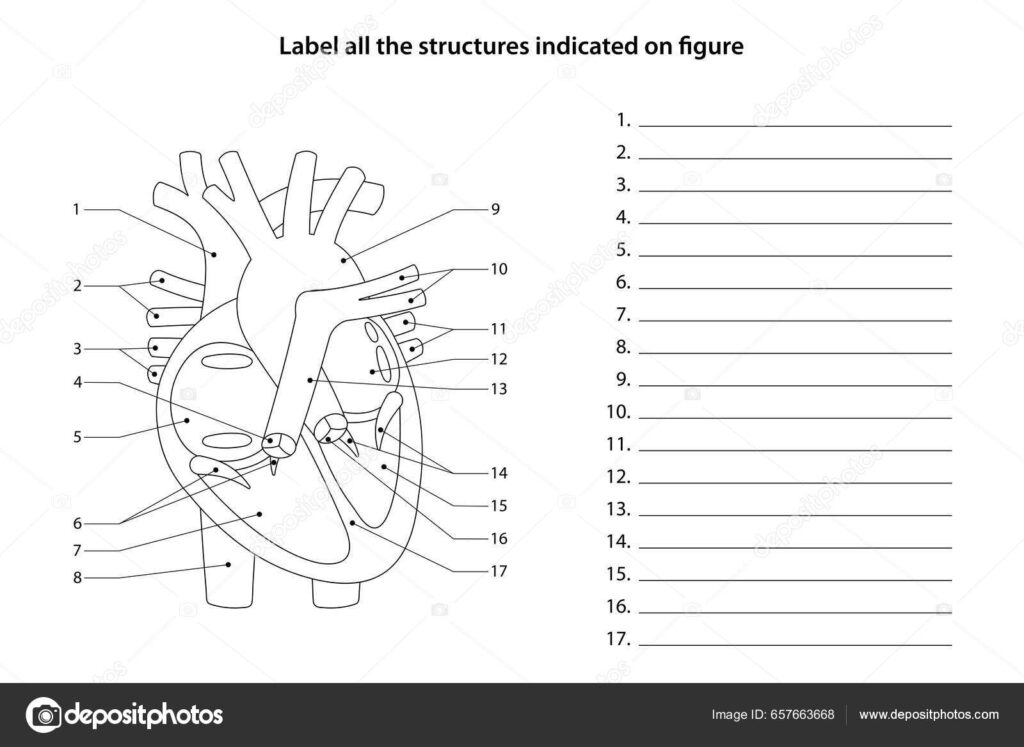
A labeled heart worksheet gives learners a simple way to connect heart names with their locations on a basic diagram. It usually focuses on the main parts children are expected to recognize, making it a useful first step in anatomy practice. The best versions are clear, easy to read, and simple enough for independent work, review, or classroom use.
Main Heart Labels
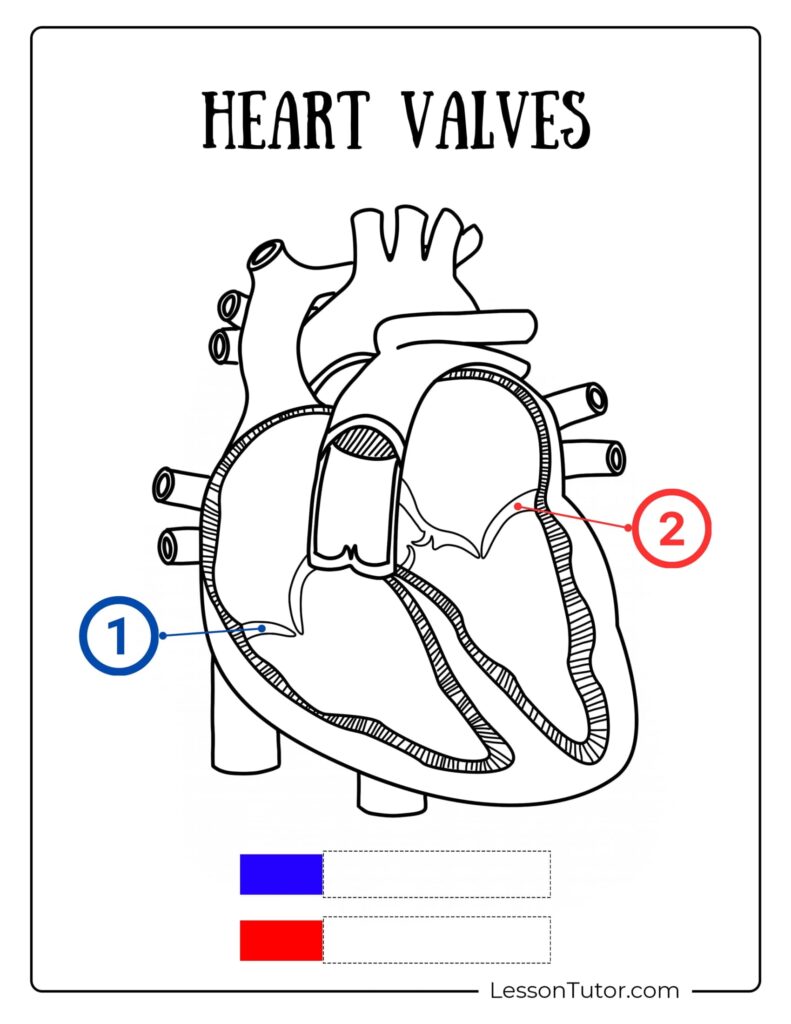
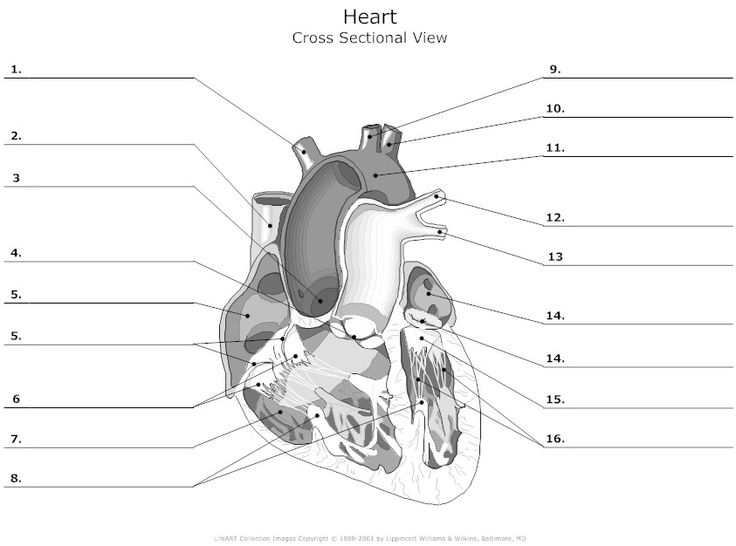
A beginner-friendly labeled heart worksheet usually includes the major structures most learners need first: the left atrium, right atrium, left ventricle, right ventricle, aorta, and sometimes the vena cava and pulmonary artery. These labels help students notice the heart as a whole shape, then match each name to its position. That practice builds simple vocabulary and supports visual memory without overwhelming the page with advanced details.
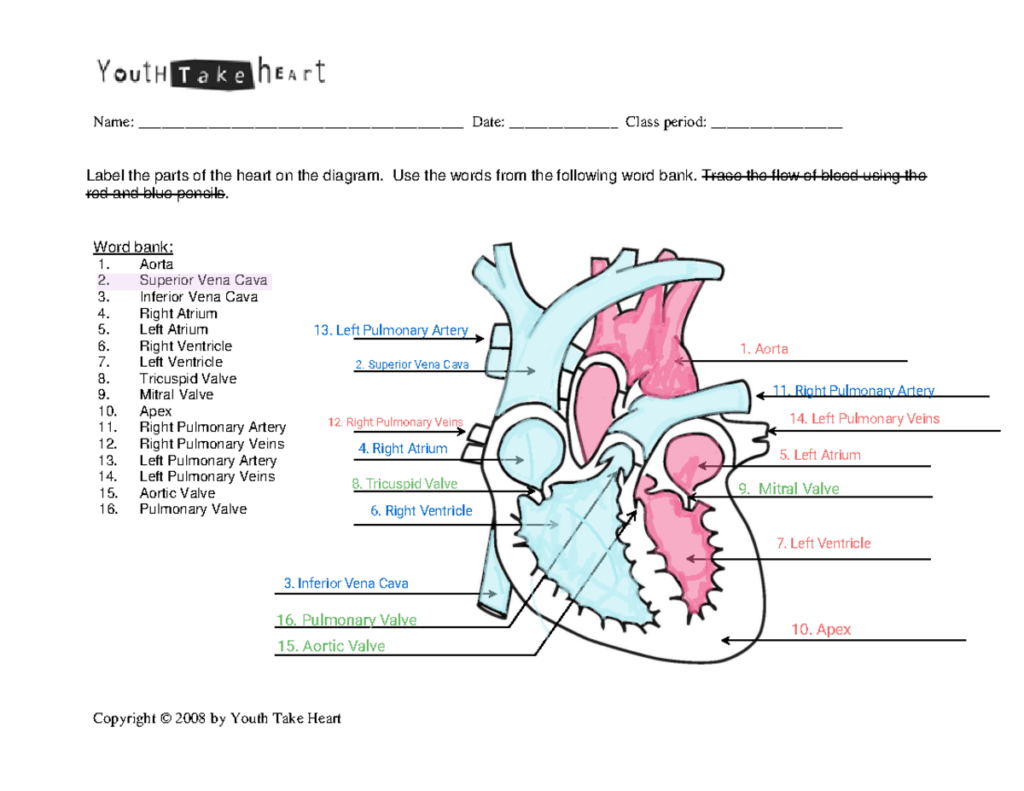
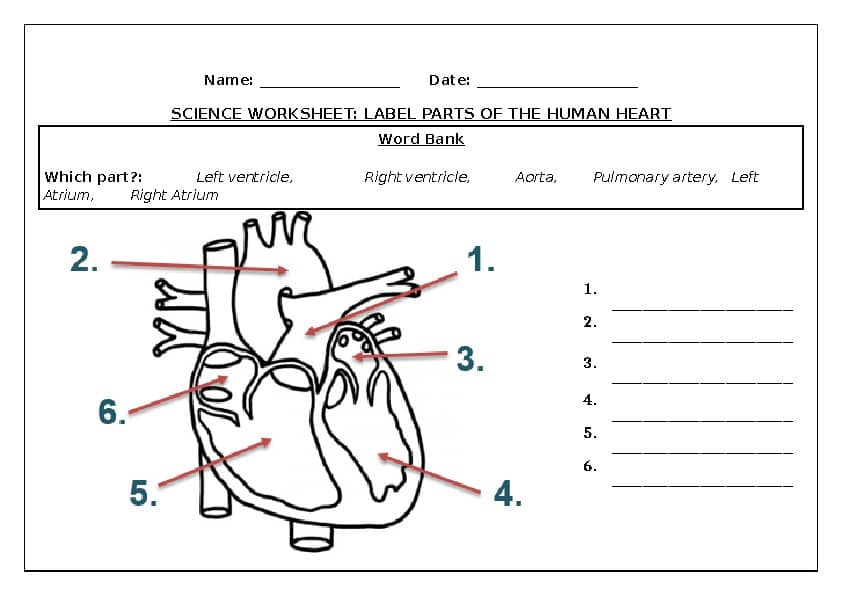
Because the worksheet is meant for early learning, the diagram should be clean and uncluttered, with arrows or lines that clearly point to each part. The best labeled heart worksheet keeps the text large enough to read and the layout simple enough for quick checking. It works well when learners can trace the labels with their eyes, say the names aloud, or fill in missing terms from a word bank.
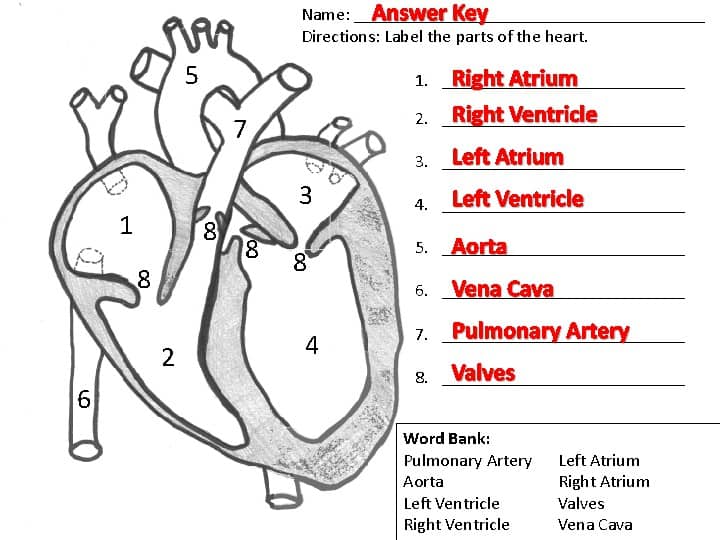
Using the Worksheet
A useful labeled heart worksheet should fit the learner’s level. It is typically best for upper elementary, middle school review, or any beginner lesson that introduces heart anatomy for the first time. It should print clearly in black and white and be easy to use on a single page. That makes it practical for homework, seatwork, science centers, or substitute plans without extra setup.
When choosing a labeled heart worksheet, look for one that matches the goal of simple identification, not advanced study. The right worksheet helps learners practice naming the main parts and recognizing where each part sits on the heart diagram. If the labels are clear and the worksheet prints well, it becomes a strong, low-prep resource for basic anatomy practice and quick classroom review.