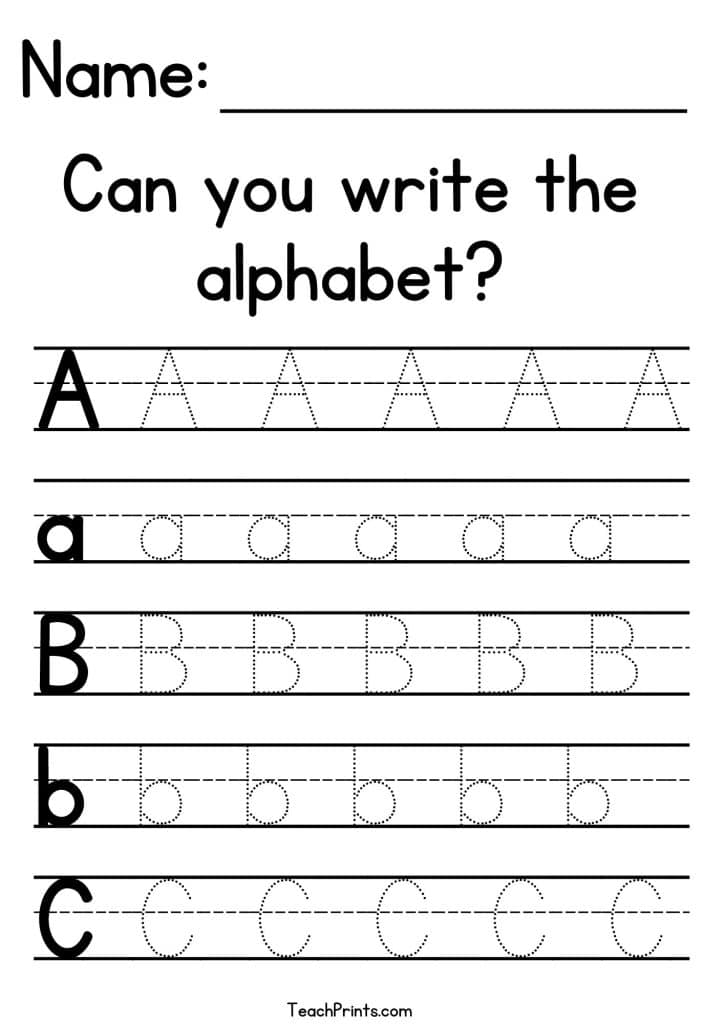
Letter recognition and writing worksheets help children move from noticing letters to forming them with confidence. The best pages make that progression clear: first identify the letter, then connect it to a sound, then trace or copy it, and finally write it independently. For early literacy, worksheets should feel simple, visual, and repetitive enough to build familiarity without overwhelming young learners.
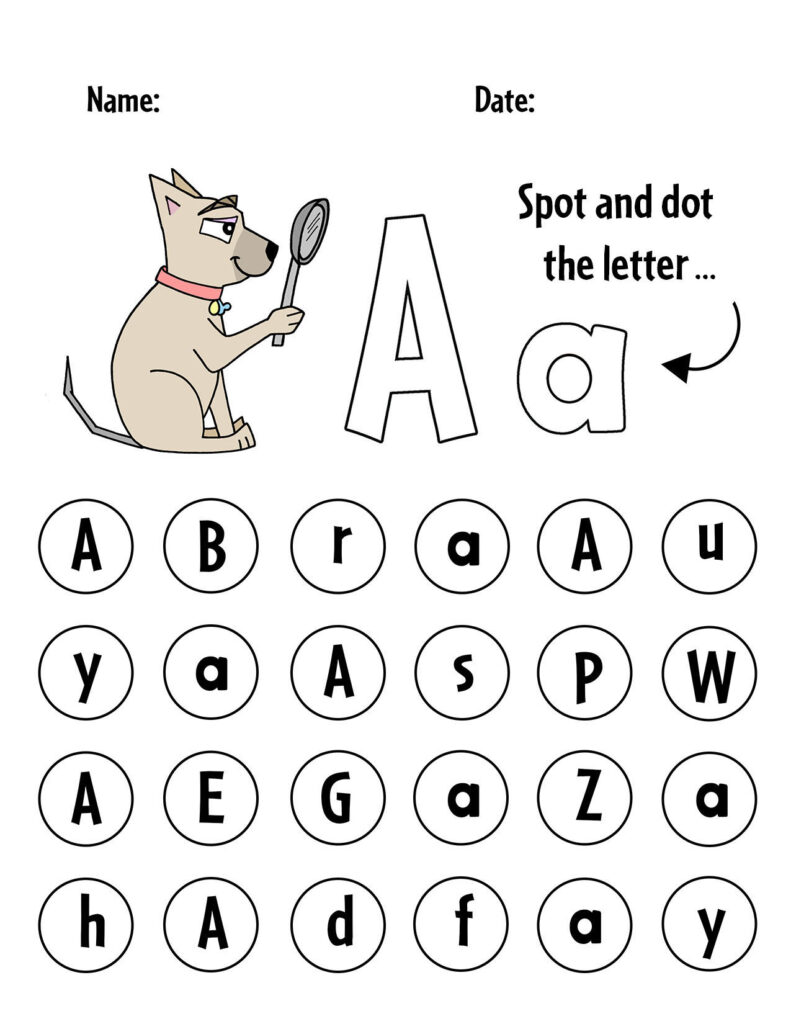
Recognition worksheet basics
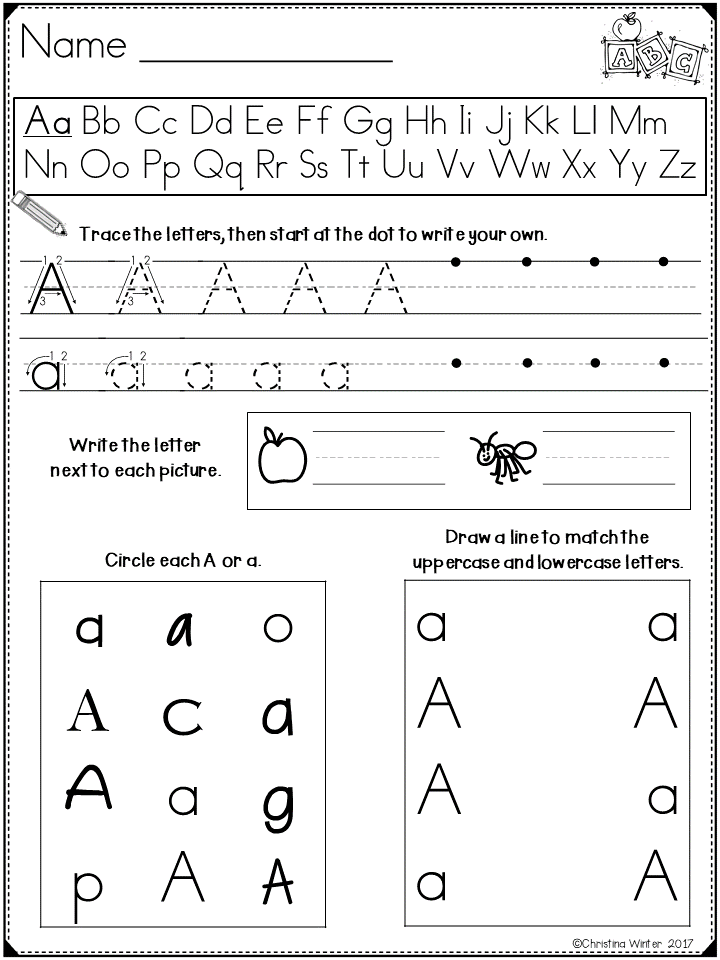
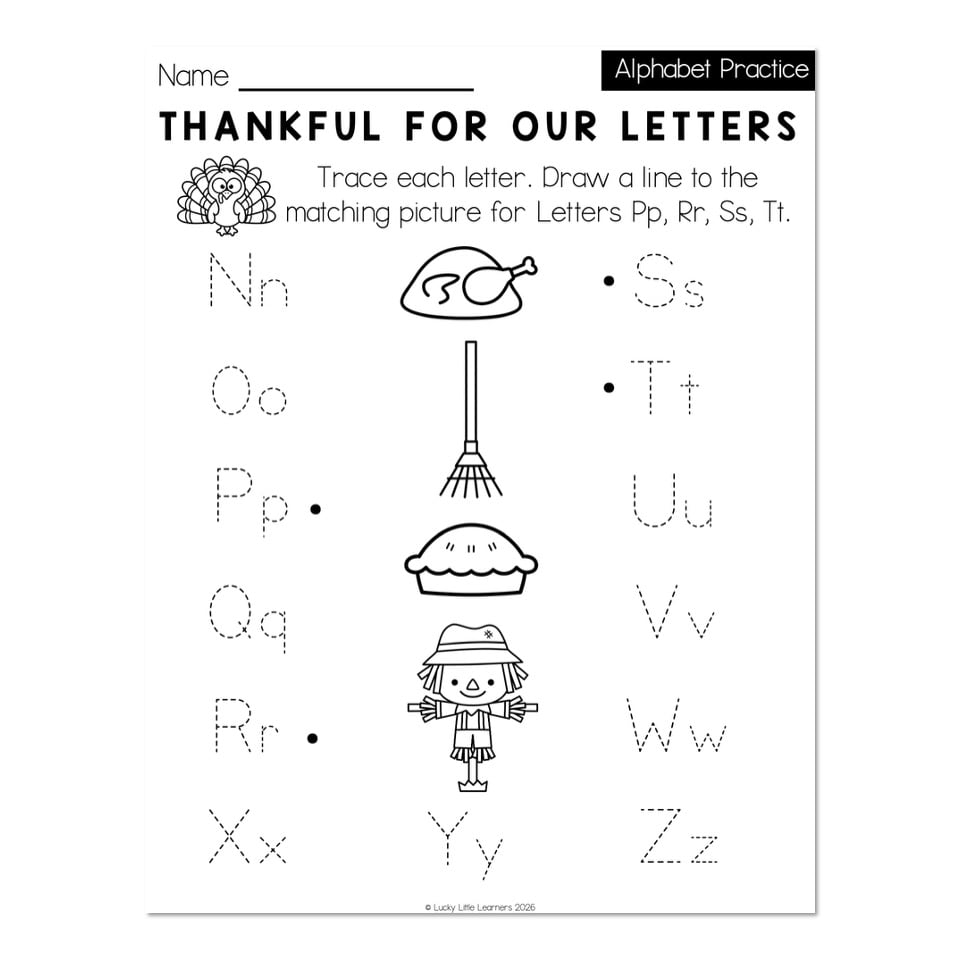
Good letter recognition worksheets should cover uppercase and lowercase identification, since children need to see how the same letter looks in two forms. Matching letters to sounds adds a simple early literacy connection without becoming a full phonics lesson. Search-and-circle pages, alphabet hunts, and letter match activities work well because they ask children to find, compare, and name letters in a focused way. These worksheets are most useful when the layout is uncluttered and only one skill is practiced at a time.
Writing worksheet basics
Writing worksheets should begin with tracing, because tracing gives children a clear model for stroke direction and letter shape. Next, copying activities let them follow the model with a little more control, often on dotted or lightly guided lines. Independent letter formation comes after that, with enough space for repeated practice and a visible example nearby. Clear handwriting models matter here: children learn best when the letter is shown in the same style they are expected to use.
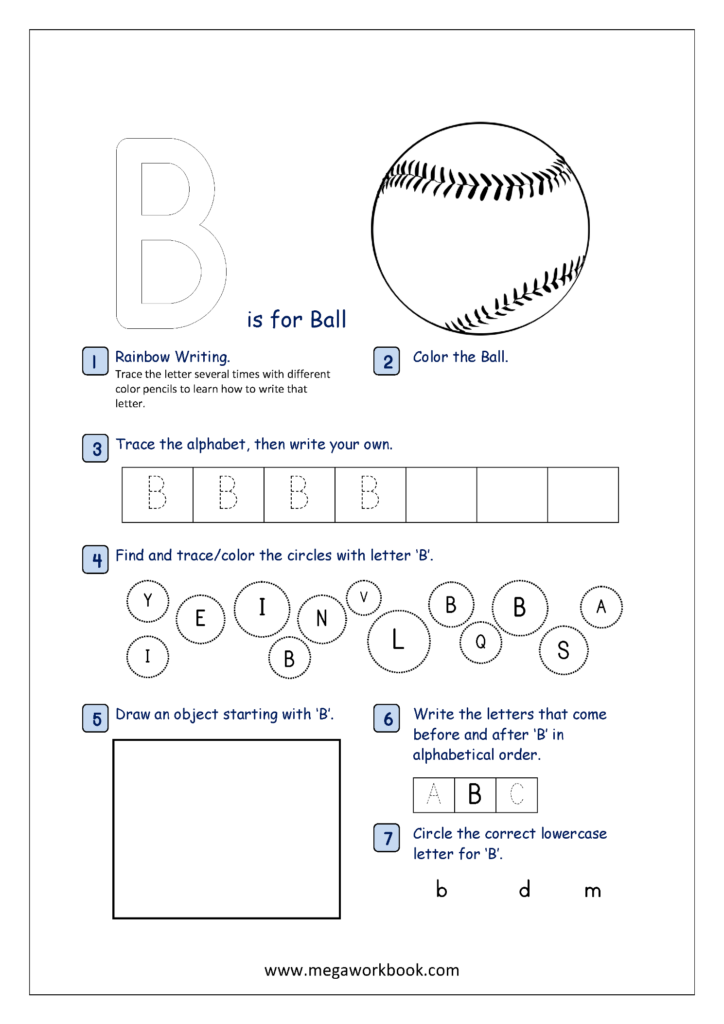
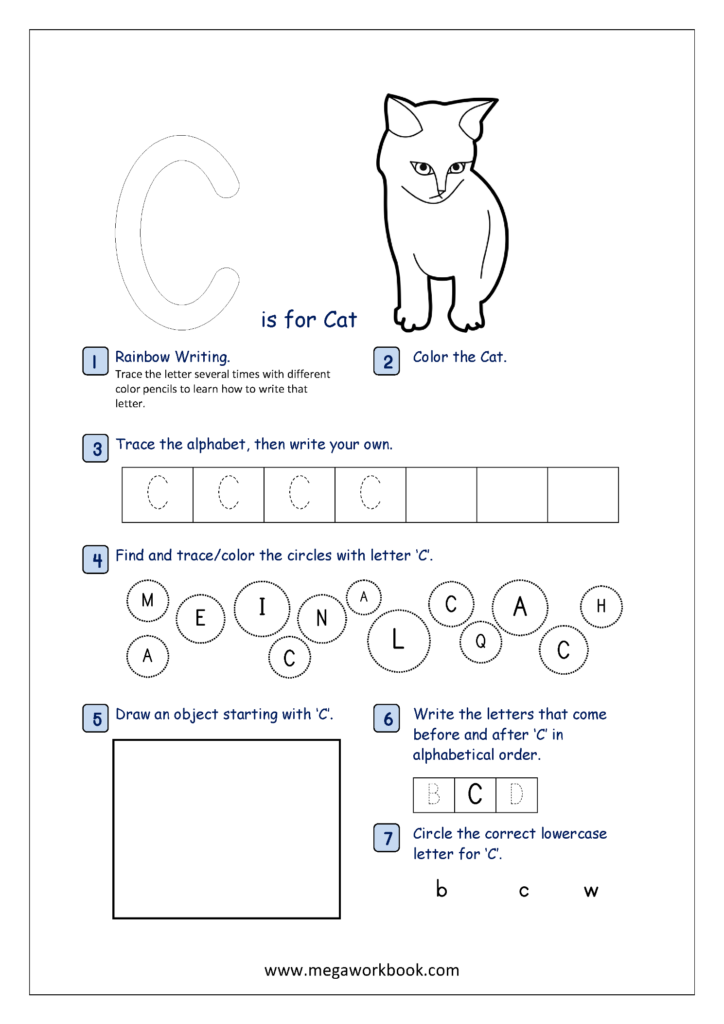
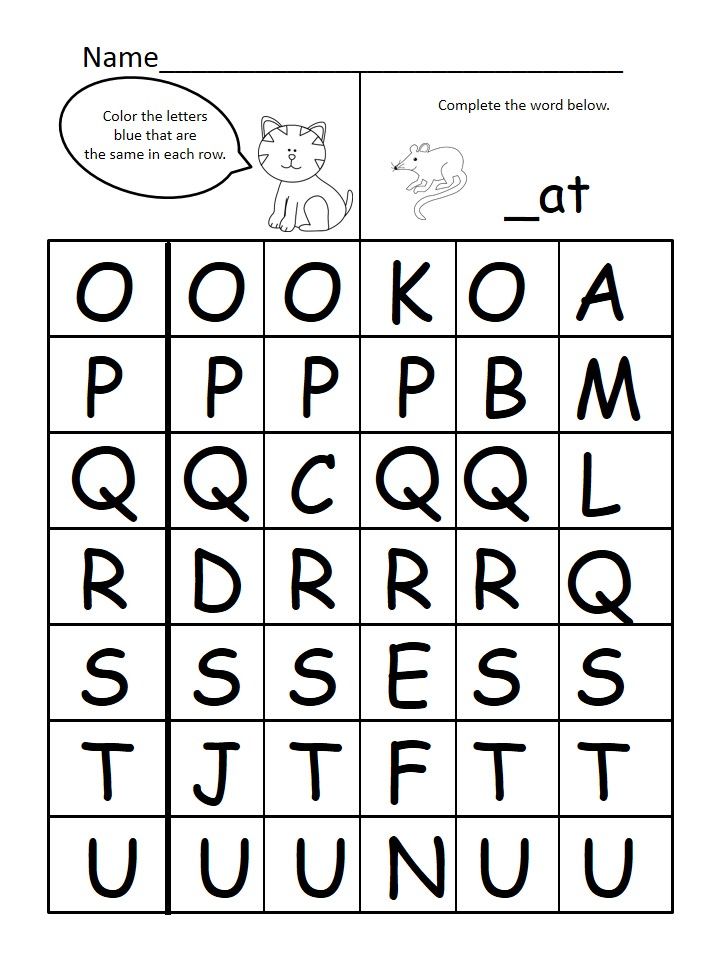
Age-appropriate worksheets usually start with large shapes and simple strokes, especially for preschoolers and beginners who are still developing fine motor control. Straight lines, curves, and basic directional practice prepare children for letter formation without making the page feel too hard. As readiness improves, move to individual letters, then to mixed review pages that combine recognition with writing. The best choice is the one that matches the child’s current skill level while leaving room for small, steady progress.