
Letter sounds printable worksheets help children connect a letter to its most common sound through simple, repeatable practice. They are especially useful when a child is just starting to notice letter names, hear beginning sounds, and build early phonics confidence. The best sets keep the task clear: look at a letter, say its sound, and match it to a picture or response that begins with that sound.
What They Teach
These worksheets focus on two early reading skills at once: letter recognition and basic phonemic awareness. A child may see the letter B and choose the picture of a ball, for example, or match M with milk. That kind of practice helps children hear the first sound in a word and connect it to the printed letter. For early learners, this bridge between spoken sounds and symbols is the foundation of phonics.
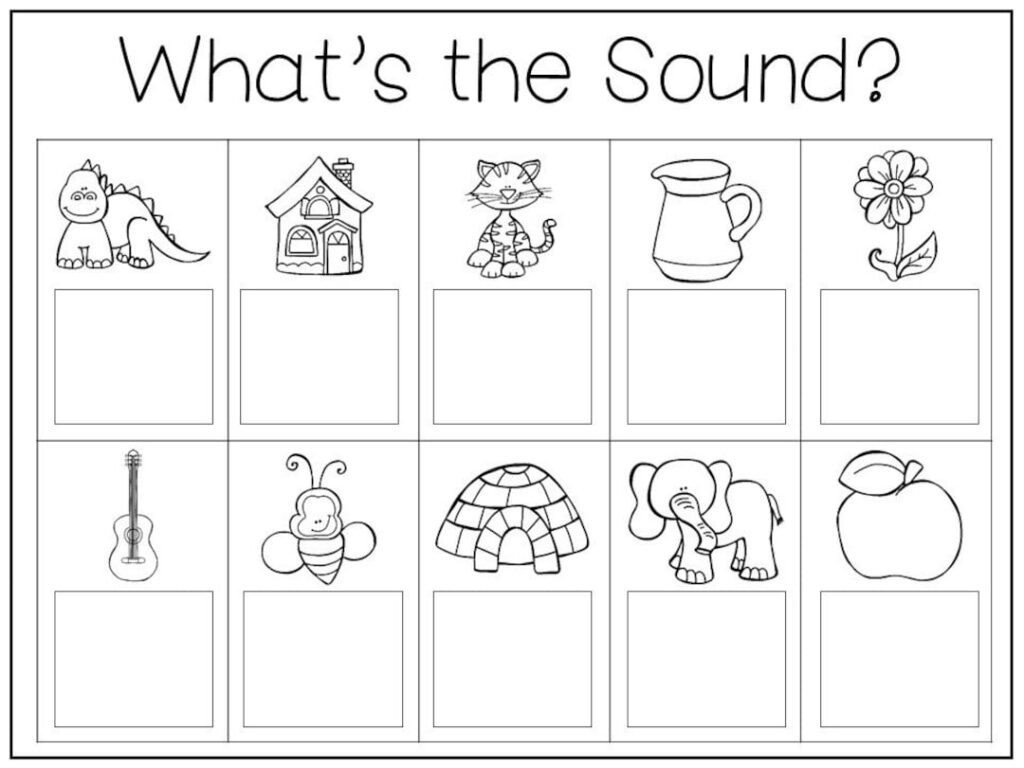
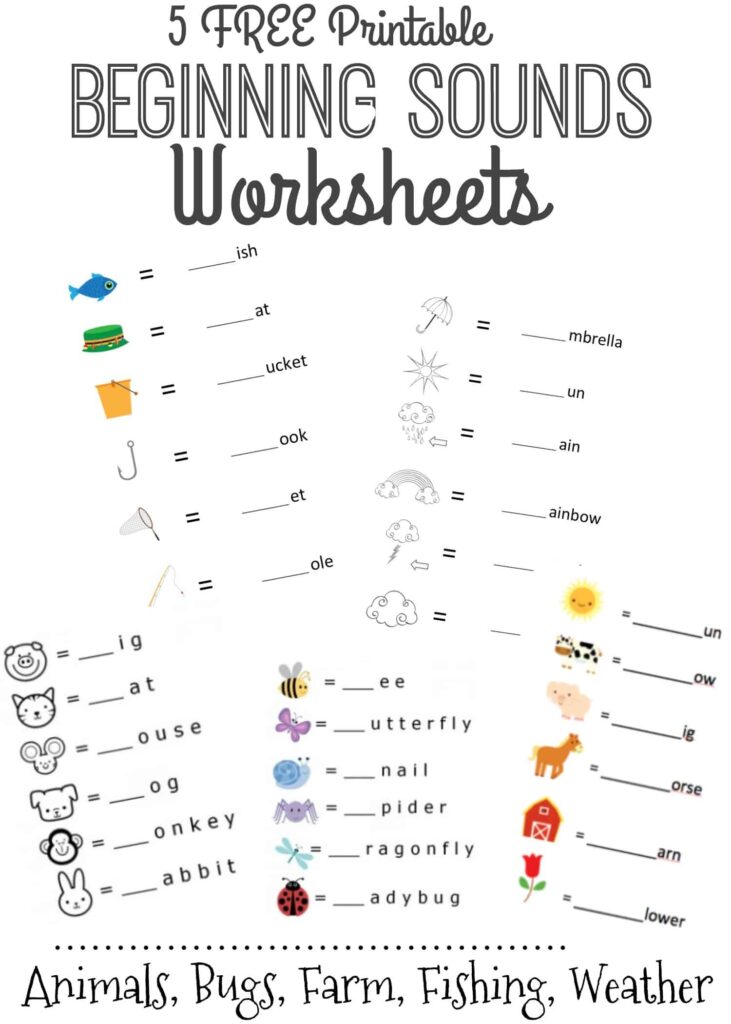
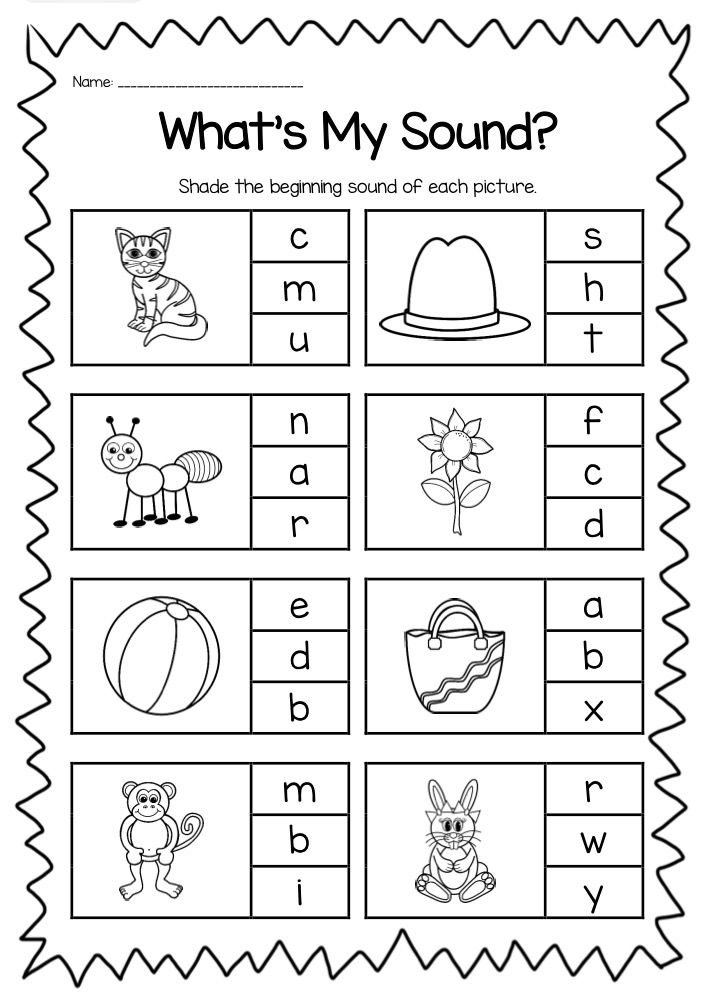
The most helpful pages use a clean layout with one clear task per line or box. Strong worksheets usually include a visible letter prompt, simple pictures that are easy to name, and repetitive practice that builds confidence without adding too much complexity. Repetition matters because young children learn letter-sound links through review. If a sheet is crowded or includes too many choices, it can distract from the sound matching goal.
Choosing The Right Level
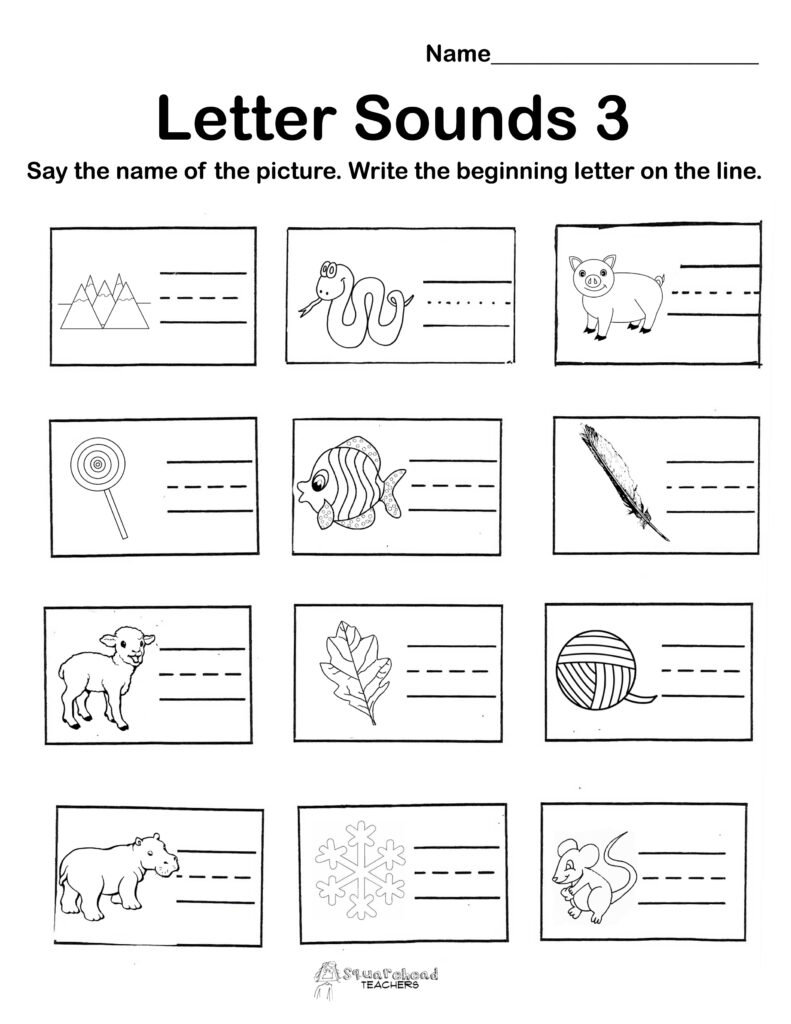
Age and skill fit matter when choosing letter sounds printable worksheets. Preschool learners often need large, picture-based pages with only a few letters and lots of guided matching. Kindergarten students may be ready for broader review across the alphabet, especially if they already know several letter names. Early intervention learners may benefit from slower pacing, fewer items per page, and extra emphasis on hearing and saying the sound before writing or tracing anything.
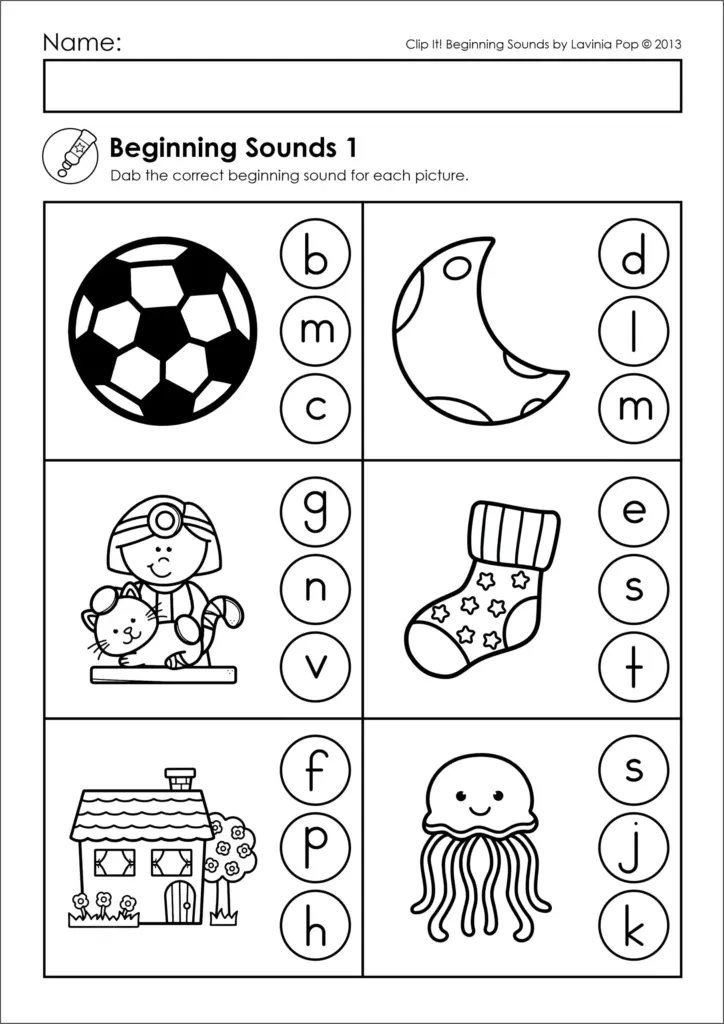
A good worksheet set should feel supportive, not overwhelming. Look for pages that match the child’s current stage, use familiar objects, and focus on the most common sound for each letter. If the format is clear and the practice is brief, children can stay engaged while building a strong early phonics base. For simple letter-sound work, the best choice is usually the one that is easy to understand at a glance and easy to repeat often.



