
A lewis dot structure worksheet gives students a simple way to practice one of chemistry’s core skills: showing valence electrons and basic bonding. It is most useful when the goal is to learn how atoms share or transfer electrons, not to tackle advanced models. The best worksheet should help learners count electrons, place dots correctly, and build a few common molecules or ions with confidence.
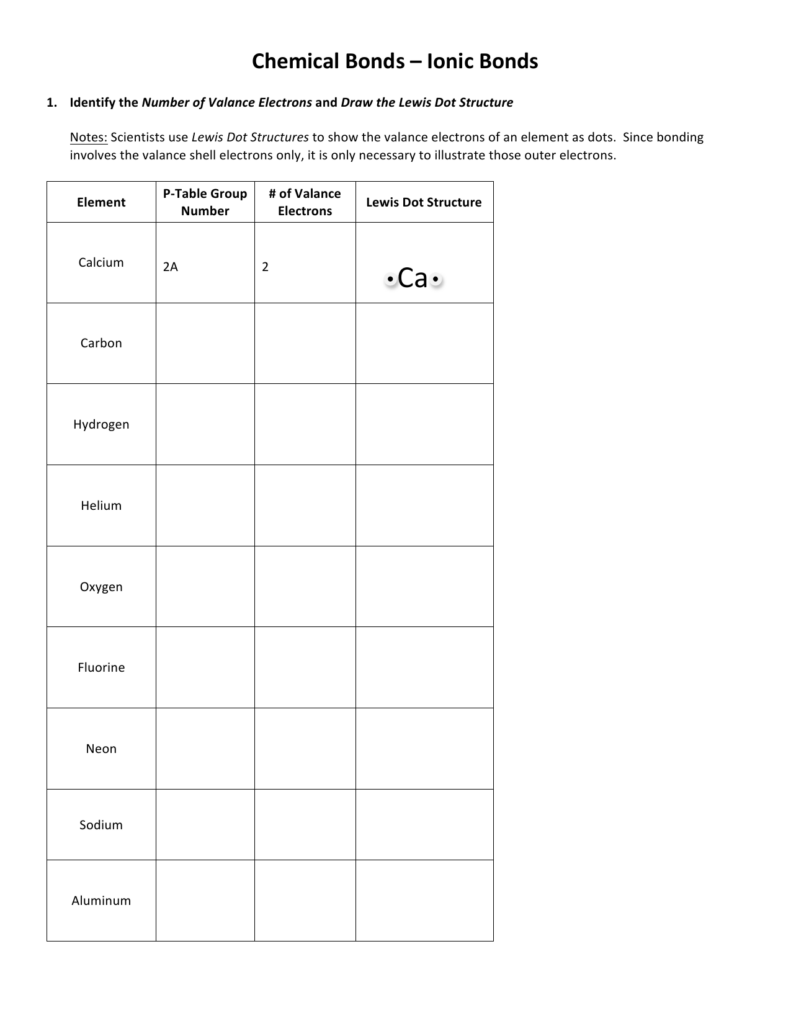
The main idea behind Lewis dot structures is that the dots stand for valence electrons, the outer electrons involved in bonding. A good worksheet should reinforce how many valence electrons each atom has and how those electrons appear around the element symbol. Students often begin with main-group atoms such as hydrogen, carbon, nitrogen, oxygen, and the halogens. Practice here helps them see why some atoms form one bond, while others form two, three, or more.
Core Practice Skills
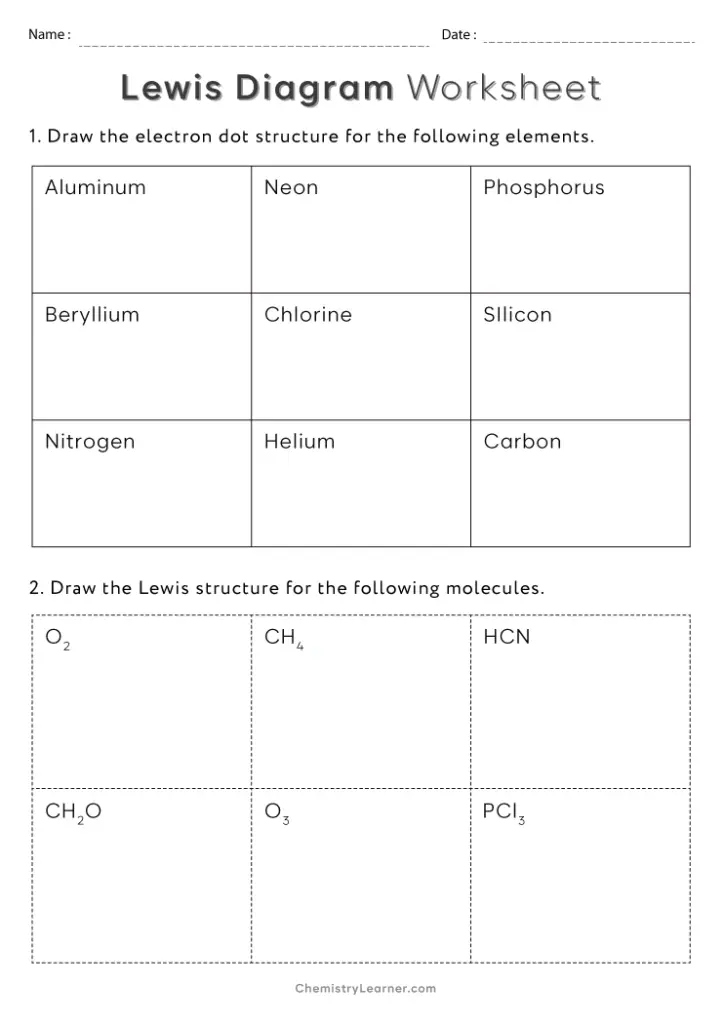
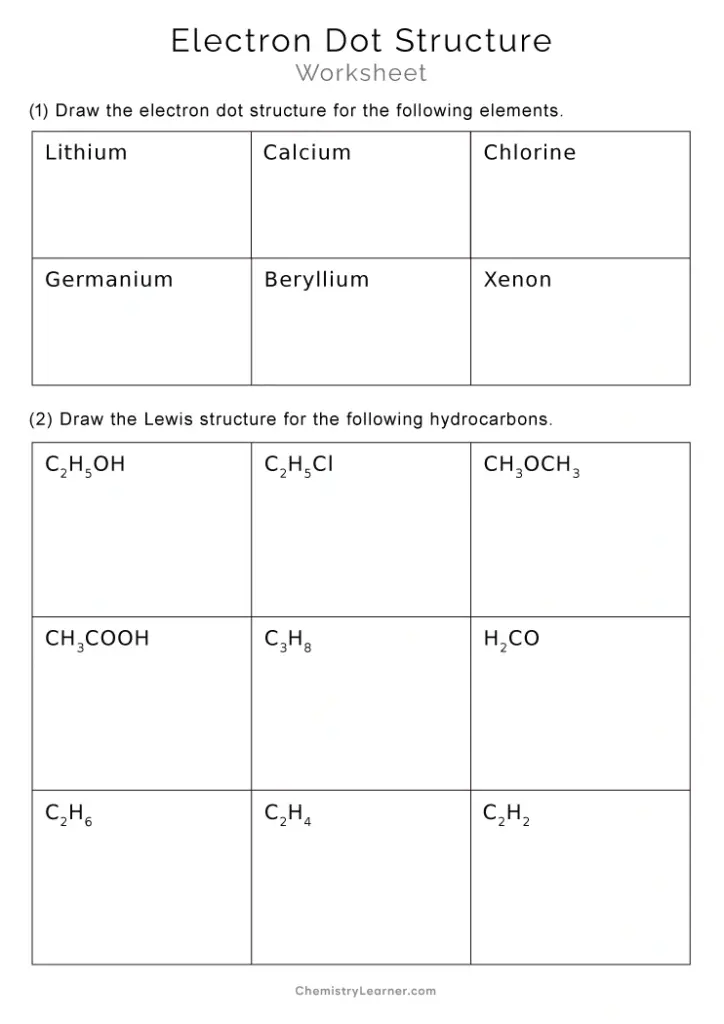
A useful worksheet should ask students to draw electron dots, identify valence electrons, and complete simple structures from a formula or atom list. Some problems may include atoms, diatomic elements, or very small ions such as sodium, chloride, ammonium, or oxide. The task is to place the correct number of dots, then decide where bonding pairs belong. This kind of repetition builds accuracy without requiring a full chemistry lesson each time.
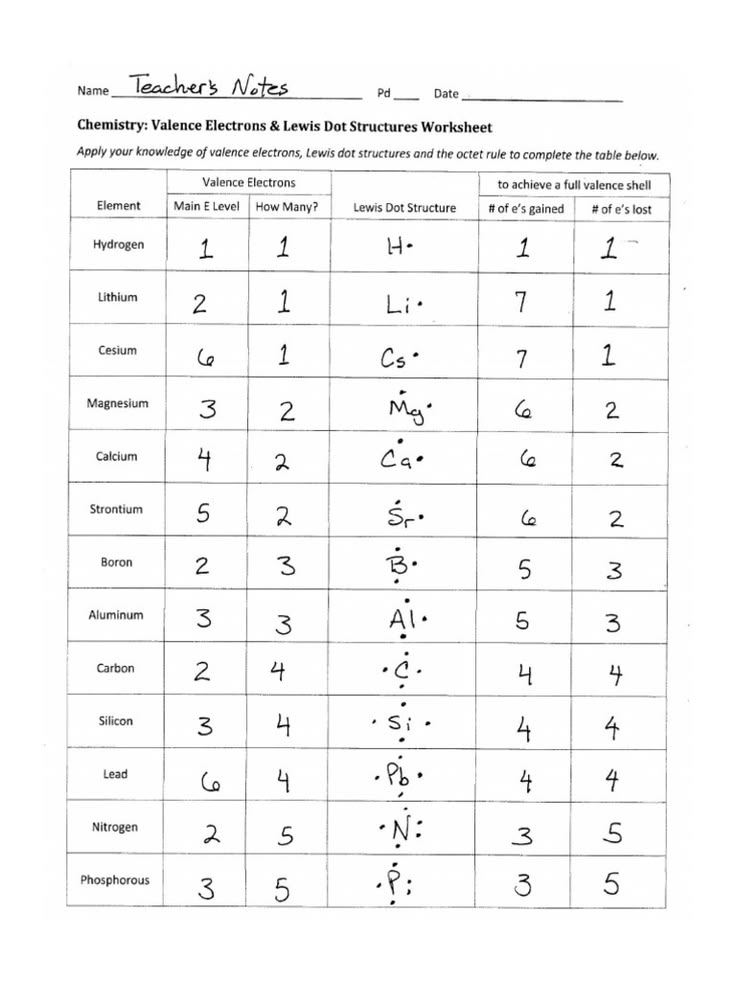
How to Use It
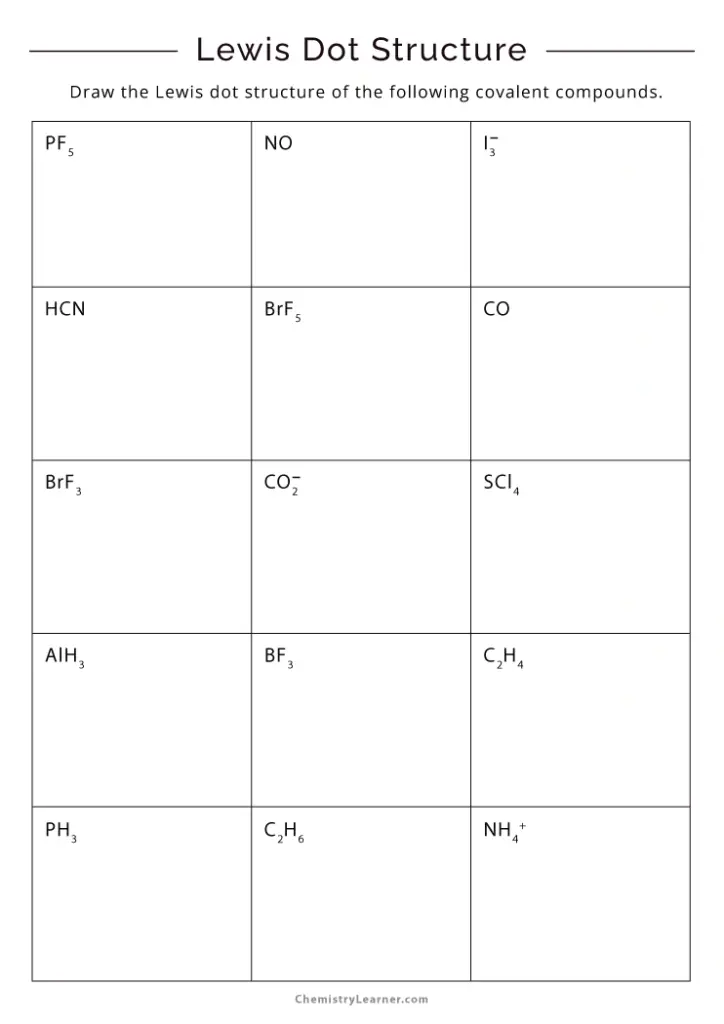
When working through the worksheet, students should first check the number of atoms in the formula and write each element symbol clearly. Then they should count total valence electrons and use the duet rule for hydrogen and the octet rule for most other main-group atoms where applicable. After drawing the structure, it helps to verify that the total electron count matches the formula and that any ion charge is shown correctly. Small checks like these prevent common mistakes.
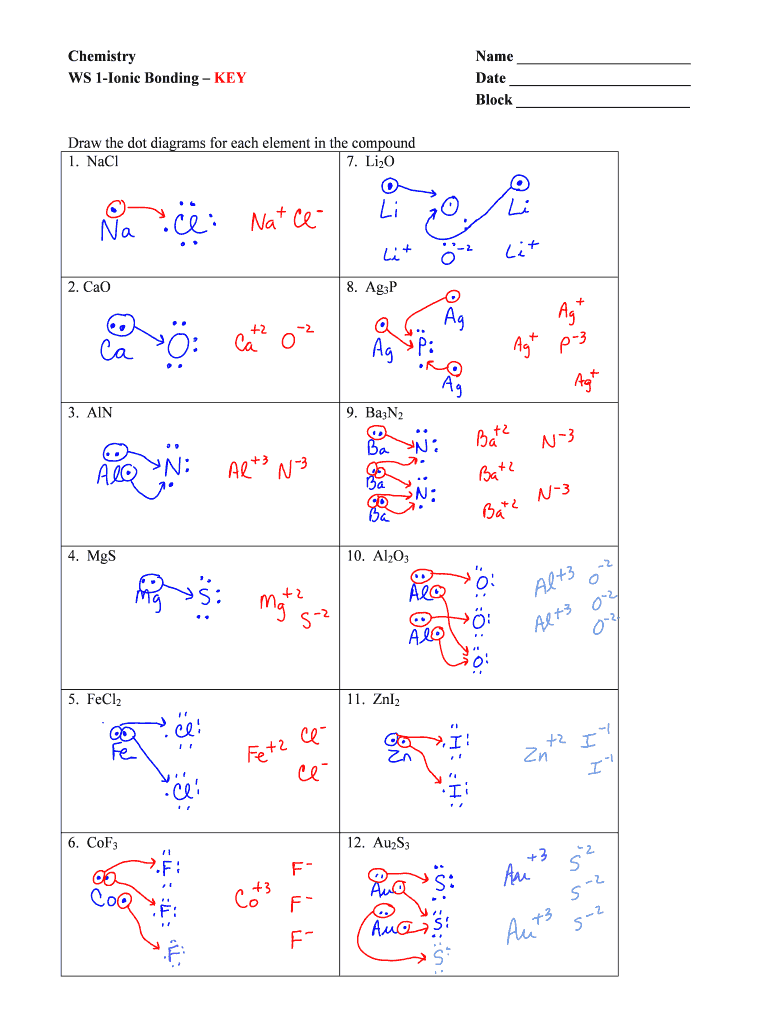
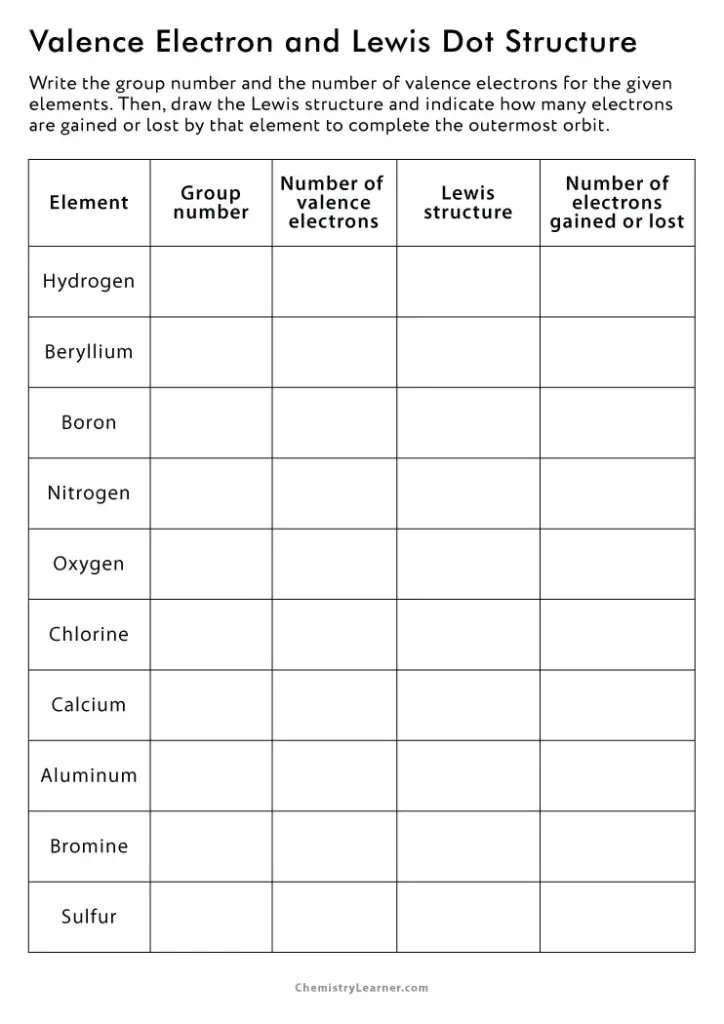
For homework or classroom review, the best approach is to complete a few items slowly, then compare each answer against the rules for electron count and bonding. If a worksheet includes molecules or ions, students should use it to practice recognizing when electrons are shared and when a charge must be added. A well-designed lewis dot structure worksheet should make the basics feel repeatable: count, place, check, and revise if needed.



